Our commitments
A caring environment
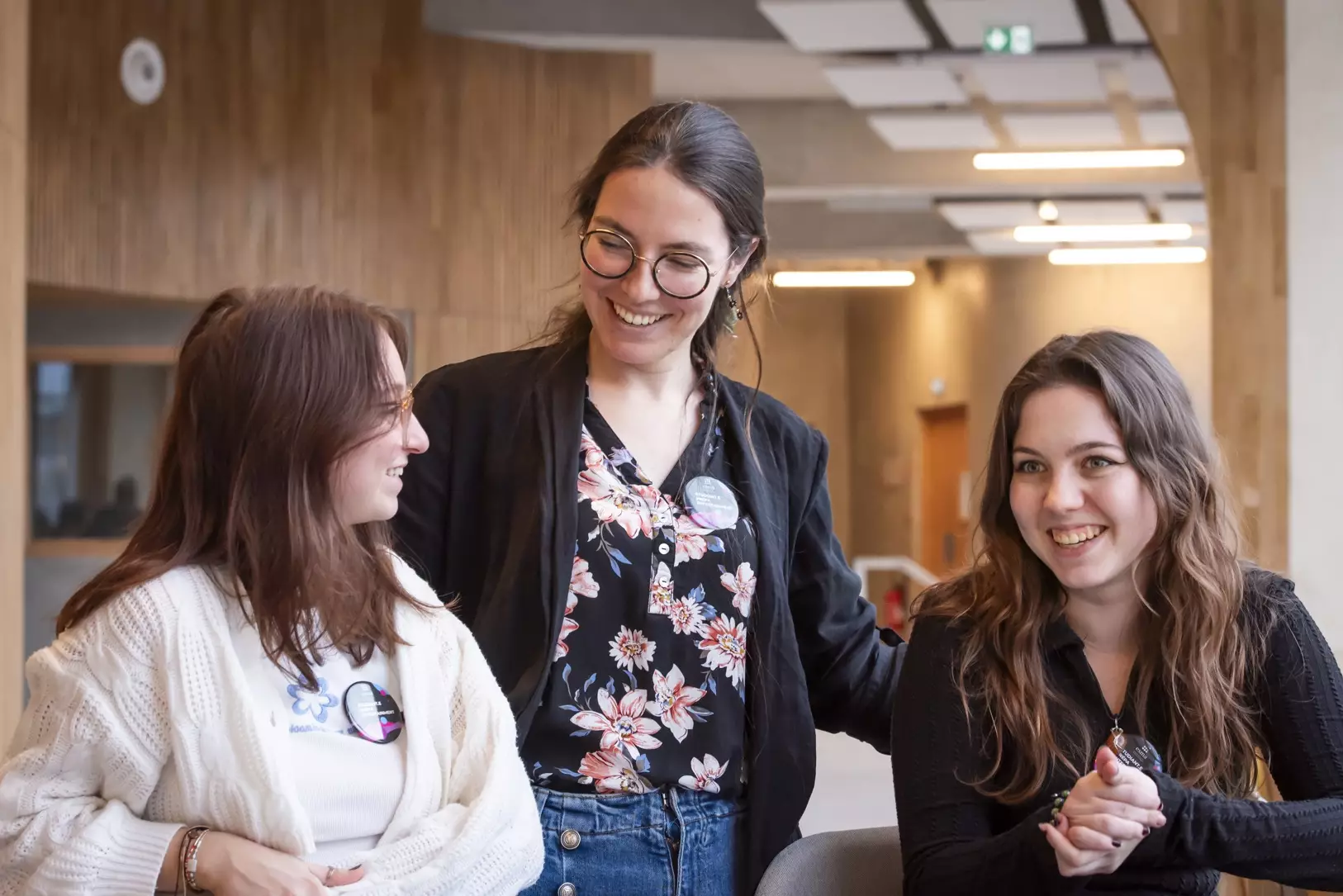
With the aim of guaranteeing each student an open, respectful learning environment that fosters their personal development, the Réseau Ecoles Créatives is taking concrete action to promote the principles of respect, fairness and commitment. Because the cultural and creative fields shape collective representations, it is essential that those who are destined for them are trained in a framework that is consistent with these issues.
A learning environment based on safety, respect and caring for others
Each member of the Ecoles Créatives network (students, teachers, staff) contributes to creating a climate of mutual listening and consideration.
Internal interactions are governed by the network’s ethical charter: politeness, discretion, open-mindedness and respect for individual freedoms. Any attack on integrity, whether verbal or behavioural, is prohibited, as is any exchange that leaves room for ambiguity, mockery or intrusion.
No aggressive, discriminatory or intimidating behaviour will be tolerated. Clothing and attitudes must be neutral and not express religious, political or philosophical opinions. Hazing of any kind is prohibited.
Professional values and ethics
The Creative Schools Network does more than simply pass on technical and creative skills. Its mission is to train professionals who are clear about their influence in social and cultural spheres, and who are involved in renewing collective narratives. This ethical stance is an essential pillar of its teaching model.

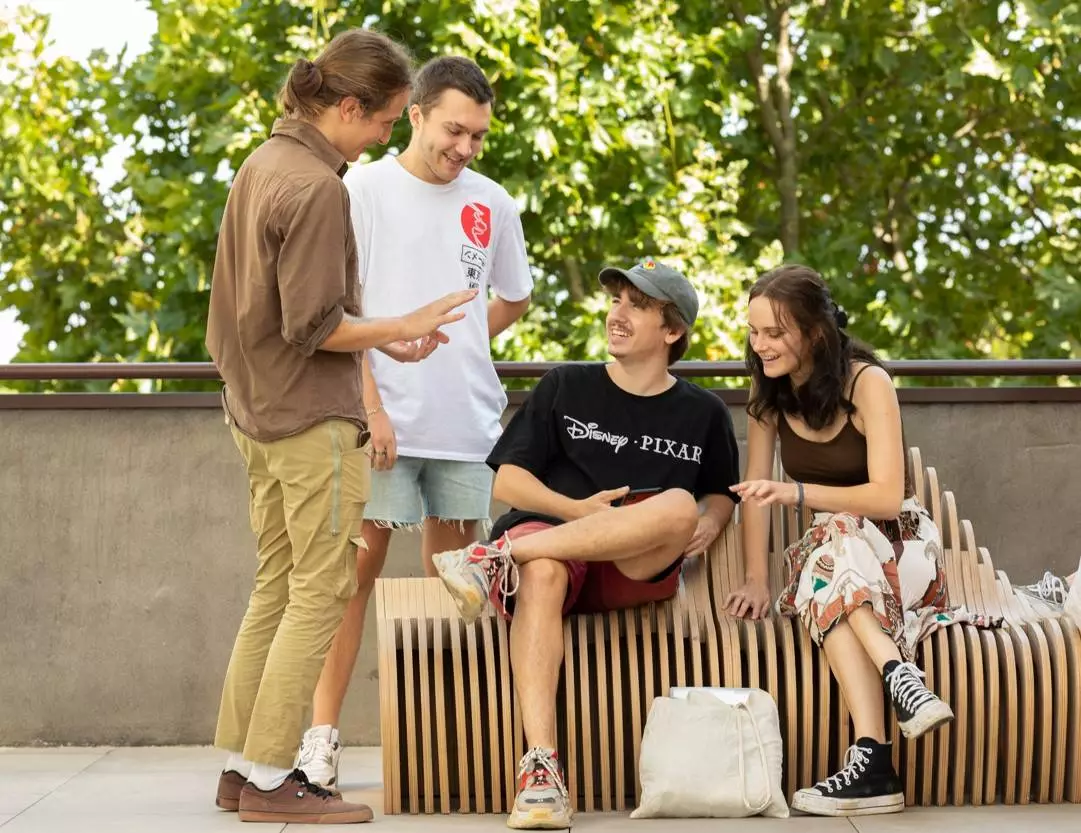
This approach is reflected in the following commitments:
- Immediate dissemination of the values of benevolence, respect and ethics on entry to the school, framed by a charter shared by all establishments.
- Promoting a diversity of views and backgrounds in projects, teaching and student life.
- Reflection on major social issues: inclusion, sustainable development, equity, the fight against discrimination, etc., supported by appropriate projects, conferences and teaching methods.
- Active prevention of harassment, inappropriate behaviour and exclusionary attitudes.
- Encouraging healthy competition based on respect, mutual aid and teamwork.
- Demanding intellectual rigour: respecting creative rights, citing sources, transparency in productions.
- Taking responsibility for ecological and social issues as an integral part of artistic practices and work with external stakeholders.
All members of the community (students, teachers, staff and contributors) are bound by this charter, which affirms a shared ambition: to create in a fairer, more sustainable and more welcoming environment.
Our teaching approach

Bloom: a compass for personal and career guidance
Launched on entry to the programme and continuing through to graduation, Bloom is a structured learning path designed to support each student as they progress. It is based on two key areas: the development of behavioural skills and the step-by-step construction of a career plan in line with personal ambitions.

Developing human and civic qualities
Bloom focuses on self-awareness, social involvement and team dynamics. The year is punctuated by workshops, conferences and events focusing on self-esteem, diversity, ecology and team building. Community initiatives also play an important role in creating a caring environment on a daily basis.
Professionalisation through experimentation
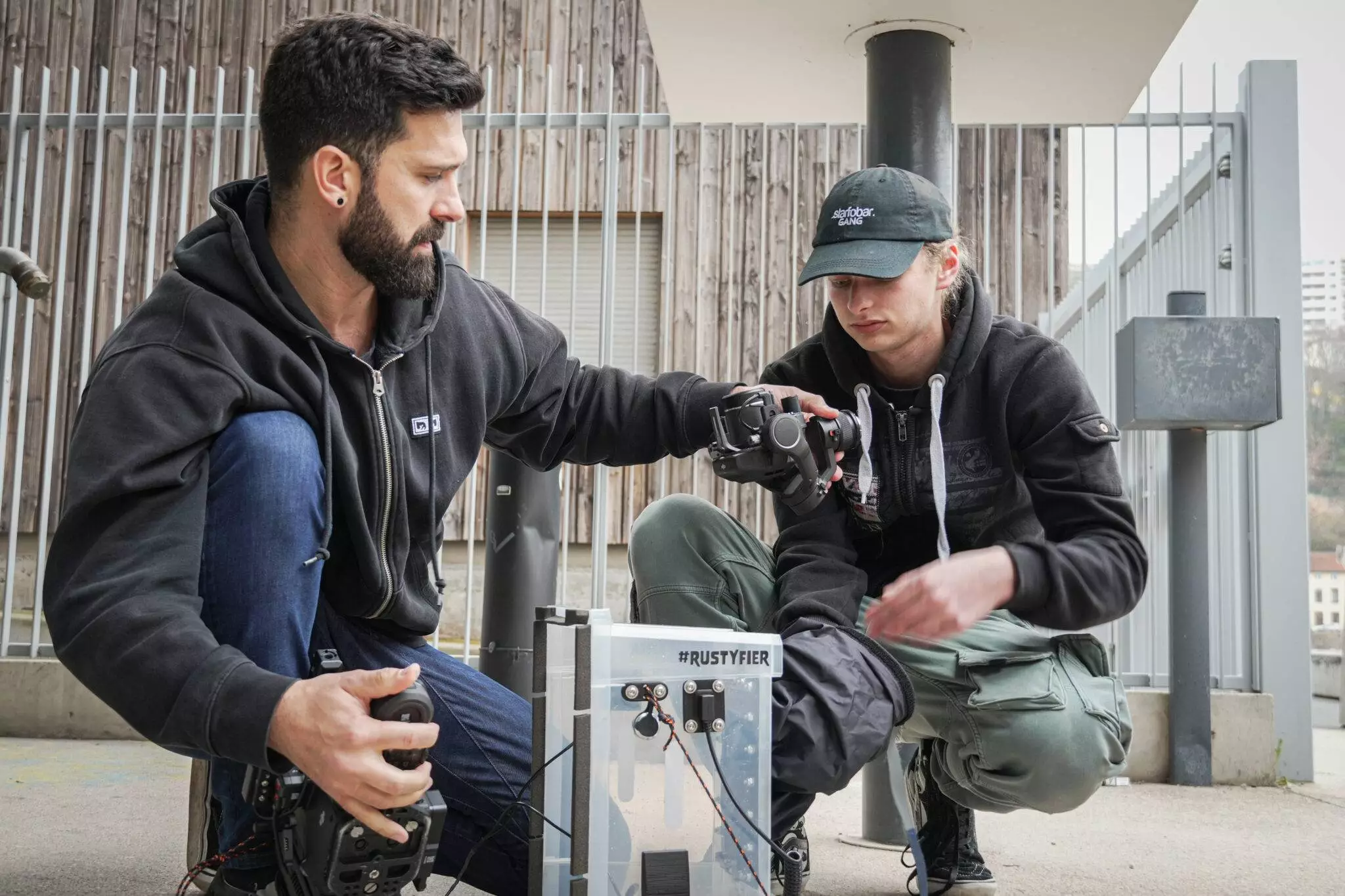
Collaborative projects, supervised internships and assignments with professional partners enable students to acquire skills such as stress management, communication, autonomy and adaptability in real-life contexts. This active teaching approach ensures that what they learn is put into practice.
Building a relevant, well-thought-out pathway to the future
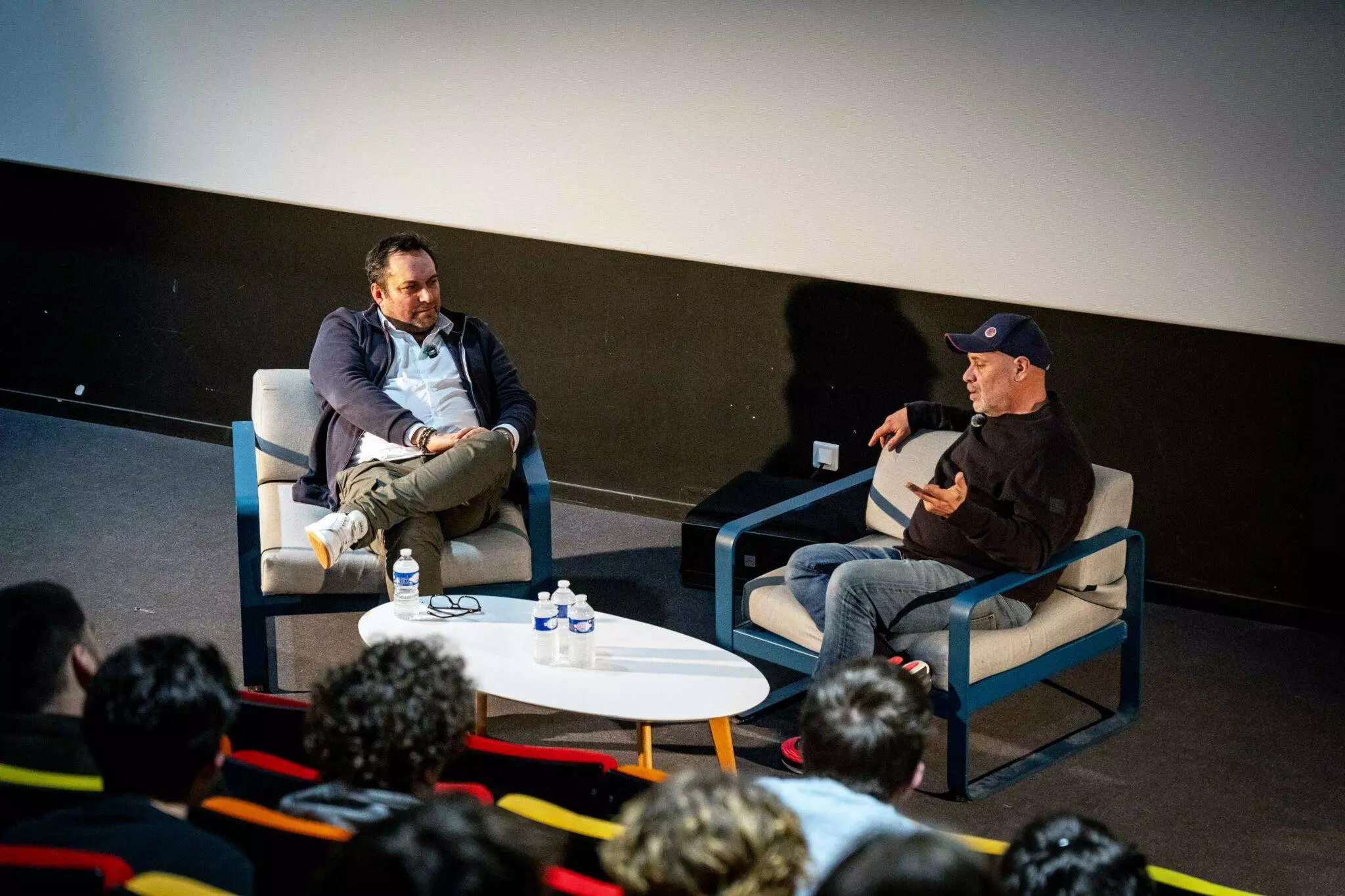
Bloom also helps students to plan their career paths: career guidance sessions, job fairs, networking, interview support, promotion via the Alumni platform… all tools to build a fulfilling and realistic professional future.
The Lab: a bridge between creation and research
At the same time, the Lab is a space for research and creation, open to all those who wish to explore in greater depth the current issues facing the creative sector. It draws on the combined expertise of teachers, CCI professionals and researchers.
Composed of a wide range of profiles (artists, designers, social and human sciences researchers, illustrators, developers), the Lab develops interdisciplinary work around ecological, technological and social challenges. This dialogue between the arts, innovation and critical thinking feeds into the teaching.
Students play an active role in this dialogue, taking part in experiments, seminars, exchanges with professionals and theme days. This immersion allows them to nurture their thinking, broaden their horizons and link their course to concrete issues.
Accessibility and inclusion: a clear priority
Each campus has a disability advisor to provide support and guidance to learners with disabilities or disabling health conditions. This system includes :
- Access to clear information on request during the pre-registration phase.
- A personalised study of individual compensation needs based on an informed medical opinion from the learner’s health professional.
- The implementation of accommodations during the course (teaching tools, examination procedures, etc.), in collaboration with the teaching teams.
- Individual monitoring by the disability advisor throughout the course.
- Contacts with the relevant external disability support organisations (specialist associations, Cap Emploi, MDPH, AGEFIPH, etc.).
This scheme fully complies with regulatory obligations (Law no. 2005-102 of 11 February 2005 on equal rights and opportunities) and is in line with the Qualiopi national quality standards.
The infrastructure of the CINECREATIS Schools also complies with accessibility standards for people with reduced mobility (PRM).
Disability advisors by campus
-
Bordeaux
Charles Mendes c.mendes@ecolescreatives.com
-
Lyon
Maria Guillard m.guillard@ecolescreatives.com
-
Montpellier
Estelle Dennemont e.dennemont@ecolescreatives.com
-
Nantes
Delphine BOISDE d.boisde@ecolescreatives.com

A commitment to equal opportunities in access to training
The Écoles Créatives are keen to give as many people as possible access to their courses, and have put in place an inclusive and proactive support policy, tailored to the diversity of individual profiles and situations.
At the heart of this policy is LESPRY, an endowment fund founded by the network’s directors. This independent, not-for-profit, private organisation is dedicated to supporting people on the path to creative and cultural careers.
Each year, between €150,000 and €200,000 is distributed in the form of grants, helping many students to continue their studies.
The fund makes it possible to finance
- social and academic grants awarded on the basis of criteria
- emergency aid for unforeseen financial circumstances
- international grants for work experience abroad
- housing subsidies that vary from region to region
In addition, a 10% discount is granted to families with a second child enrolled in a Creative School, reflecting a concrete commitment to equity.
All requests are analysed on a case-by-case basis in consultation with the local educational advisor, with a view to ensuring fairness and adapting to each individual need.
Health and well-being: a cornerstone of the student experience
The Écoles Créatives are keen to provide an environment in which students can flourish, and are developing targeted initiatives to support their physical and mental health:
- A food aid card for areas without nearby university canteens
- Medical examinations offered in conjunction with the CPTS
- Screening campaigns (STDs, dental care, etc.) and individual support
- Participation in the MENTALO programme (mental health of young people) in partnership with INSERM
These measures are monitored by well-being advisors and backed up by workshops, self-expression forums and projects developed jointly by students and supervisors.
As part of this dynamic, the Réseau is working with the CROUS to initiate a number of practical projects: a shared garden as a convivial space; sessions on managing emotions and self-esteem; and first aid awareness.
All these initiatives are guided by the same desire: to make school a place of shared learning and care.

Supporting responsible entrepreneurs
The Écoles Créatives do more than just pass on technical or artistic skills. They aim to train people who are fully aware of the impact their work has on the collective imagination. This commitment takes shape through :
- Establishing principles of ethics and respect from the very first days of training
- Incorporating cultural diversity and multiple identities into the content taught
- Taking societal issues into account in end-of-study projects
The ethical charter shared by the Réseau Écoles Créatives commits all stakeholders to a fairer, more responsible and more open vision of creation.
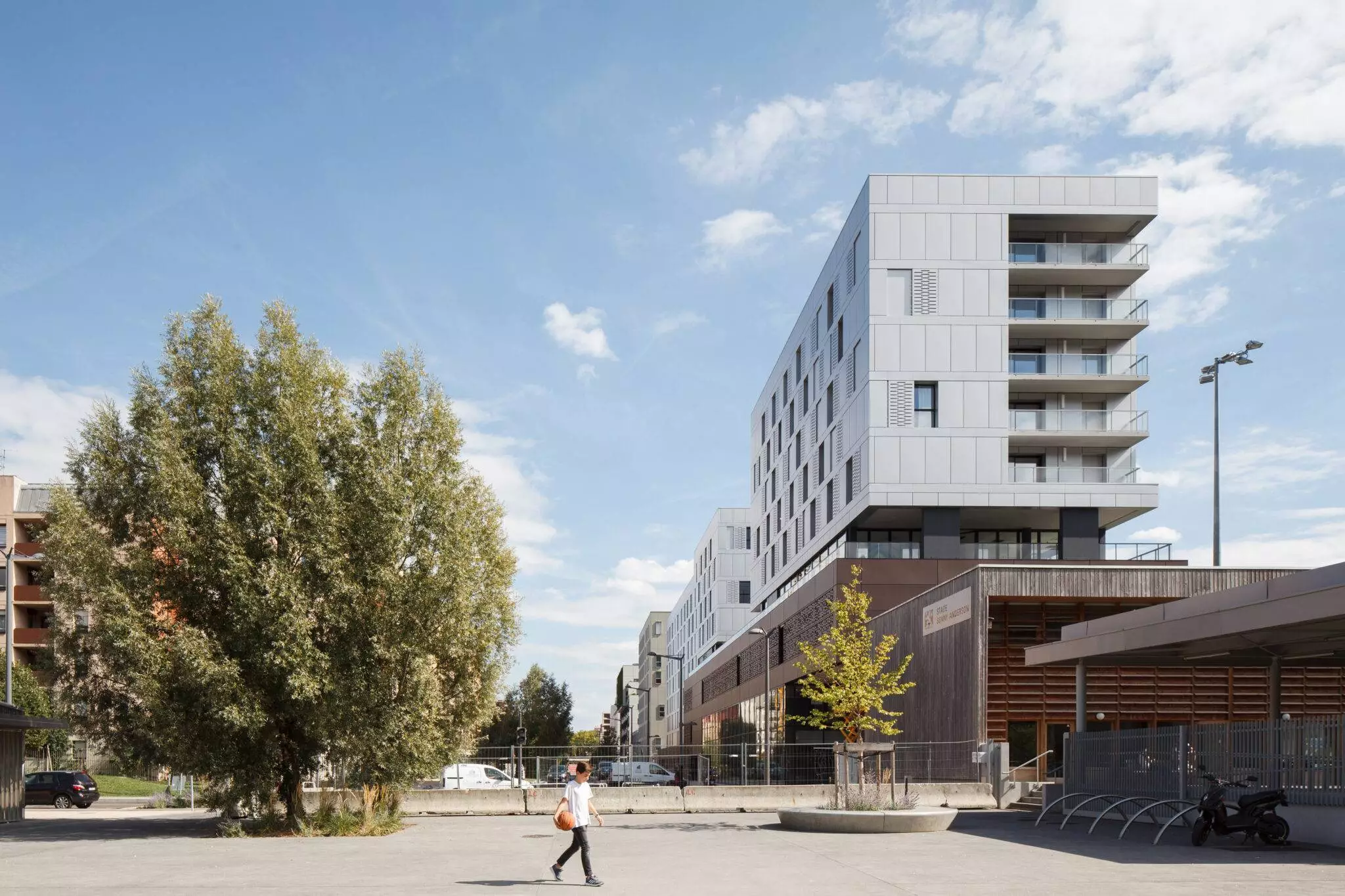
Campuses designed for a sustainable future
Aware of its role in the ecological transition, the Réseau Écoles Créatives is implementing concrete solutions to reduce its footprint. On several sites, the equipment installed includes :
- Connection to district heating
- Double-flow ventilation
- Optimised LED lighting
- Solar panels on the roof
- Rainwater collection systems
All part of an overall policy to reduce energy consumption and raise awareness of climate challenges.