- promotion
Jacques Pinault
Your CinéCréatis years
How did you come to choose to study film?
I didn’t have much confidence in the future. I didn’t think that cinema was within my grasp. In fact, I was looking for my own path. First I did a civic service in the social sector. Then I had a flash at the CinéCréatis open days. It was pretty convincing! I was a big film buff, the kind of person who watched three films at night before going to bed. I watched everything. I turned that addiction into a job.
You must be unhappy with the confinement and closure of cinemas?
Yes, it’s quite horrible and burdensome.
How did your integration and training go at CinéCréatis?
In 2013, the school was located in the old premises next to Nantes station. The atmosphere was pretty cool. I made a personal financial investment because I paid for my studies. That pushed me to do more than what was asked of me. I was really motivated to go beyond the lessons, thanks also to the enthusiasm of other students.
The access to equipment, the chance to go into studios, to make images and effects, that was huge for me. As soon as I could, I offered my services outside the school alongside my studies. I made videos for nightclubs and restaurants. That’s how I started to make a name for myself.
Artistically?
The training prepared me to use tools and boost my creativity a bit. I especially appreciated the scriptwriting approach with Jean-Marc Vigouroux, it’s really interesting. I use it absolutely every day in my work. I’m not just a technician, I’m developing a bit more as a writer.
Your career path
What was the transition like between studying and working?
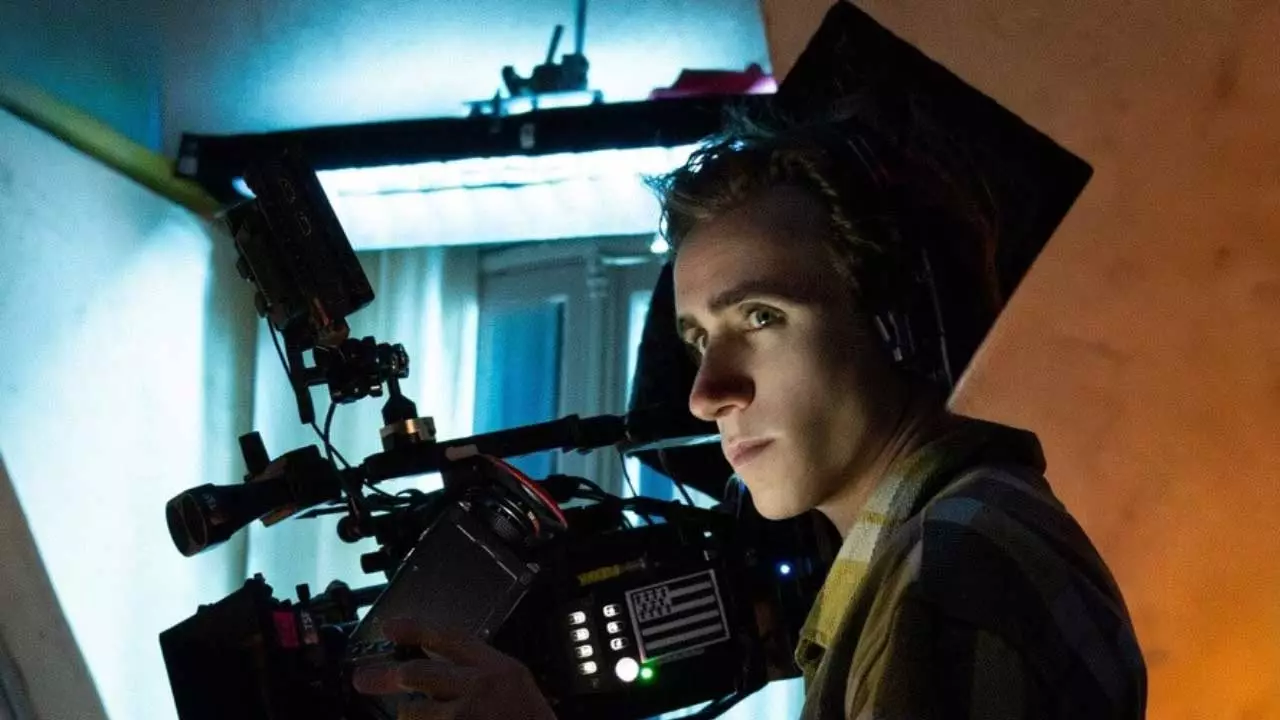
I had a good friend, Théo Sanchez, a former student of Cinécréatis, who worked in a production company in Paris. He contacted me when I graduated. I did a traineeship as a cameraman-editor at ‘Tout Le Monde Aime Les Pingouins’. I really learnt a lot there, it was very instructive.
I ended up staying there for two years. I then chose to go freelance because I had plans for music videos and cinematography in particular. I also worked as a freelancer for Ding Productions, an e-sports company in Lille. Today I work freelance, most of the time as a director of photography and colourist. I really make a living from my passion: cinematography, which not many people know about. I work for Canal +, RATP, Adidas and Netflix. I’ve also taught at a school in Paris.
Do you look very happy?
Yes, I can say no to projects that don’t interest me. I earn my living from my job. It’s not a nightmare. I really do what speaks to me: societal problems, racism, etc., subjects that grab me by the gut. It’s eminently positive!
What skills do you need to be sharp in your profession?
Knowing how to work in a team means accepting compromises. You should never expect anything. Let me explain: when you create a video, you idealise, you project yourself and the end result is never what you expect. The mental image is never what it will be in real life. Once you’ve accepted that, you’ll never be frustrated again! One last thing: keep calm, don’t panic. The people you notice are the ones who stress the least! And that’s important!
In conclusion
Do you have any advice for students and future students?
Yes. We live in a difficult world, especially for creative people. So you have to persevere. It’s important to keep looking for more and to keep training. I would say to the students at CinéCréatis: we’re going to give you lots of work, so go out and get even more.
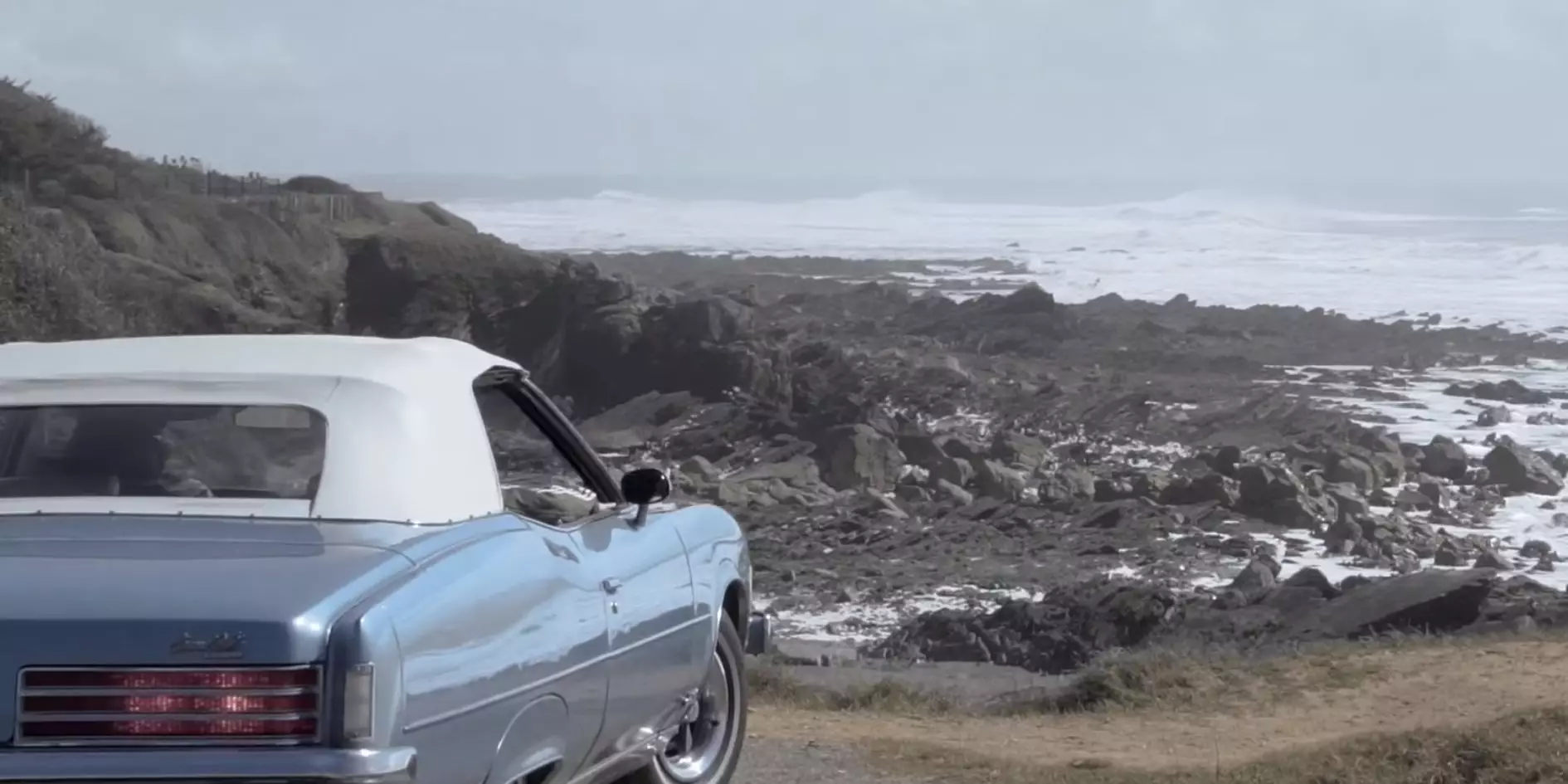
Push yourself in what you love and you’ll be fine! For example, when it came to the little-known cinémagraphe, I never gave up. Eventually it was noticed. I’m no more talented than anyone else, but I persevered.
Another thing: don’t hesitate to go all out in a discipline. In my opinion, you have to become a specialist in one discipline before you can broaden your horizons.
A project you’re proud of?
Cinemagraphs in general. There’s also a more traditional video. I did an advert for Sudism, a very ethical clothing and jewellery brand. I didn’t have much money and yet it’s one of the best.
___________
To follow Jacques Pinault: