Foreground Element
What Is a Foreground Element?
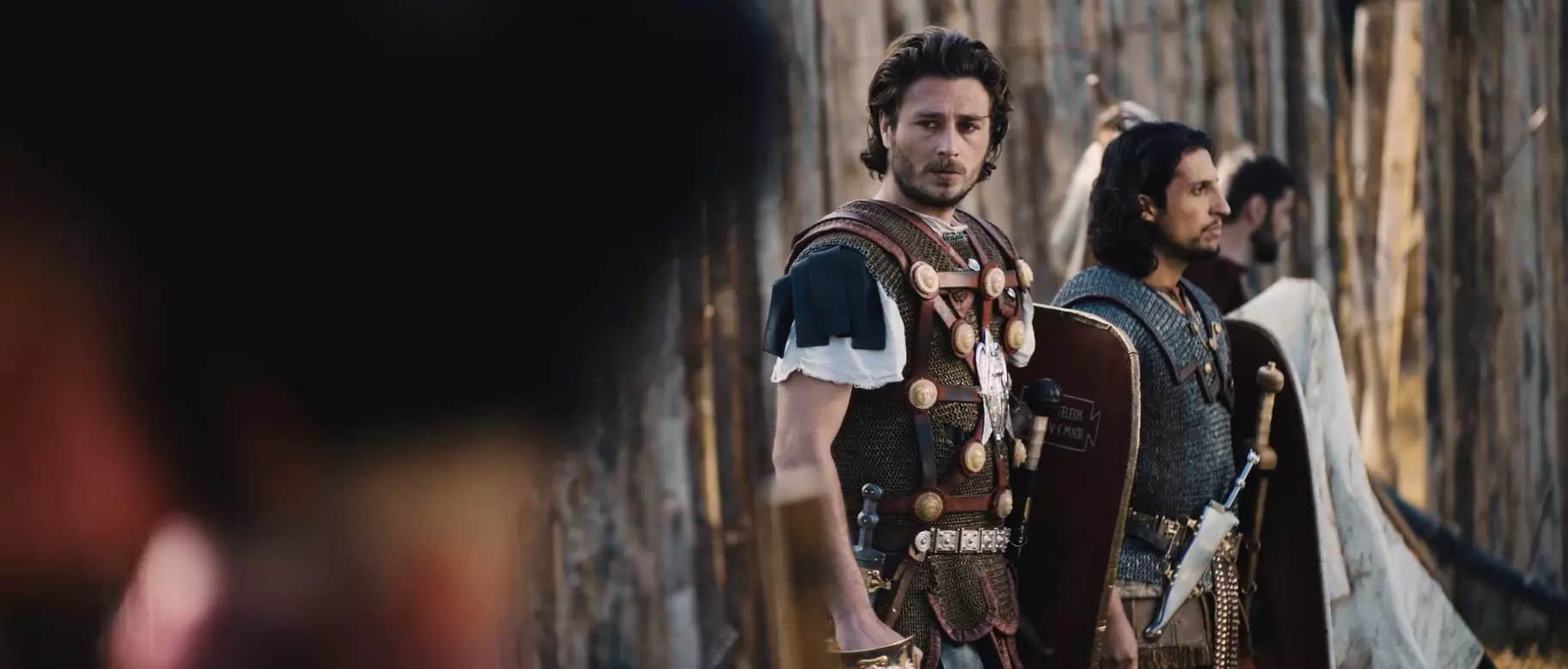
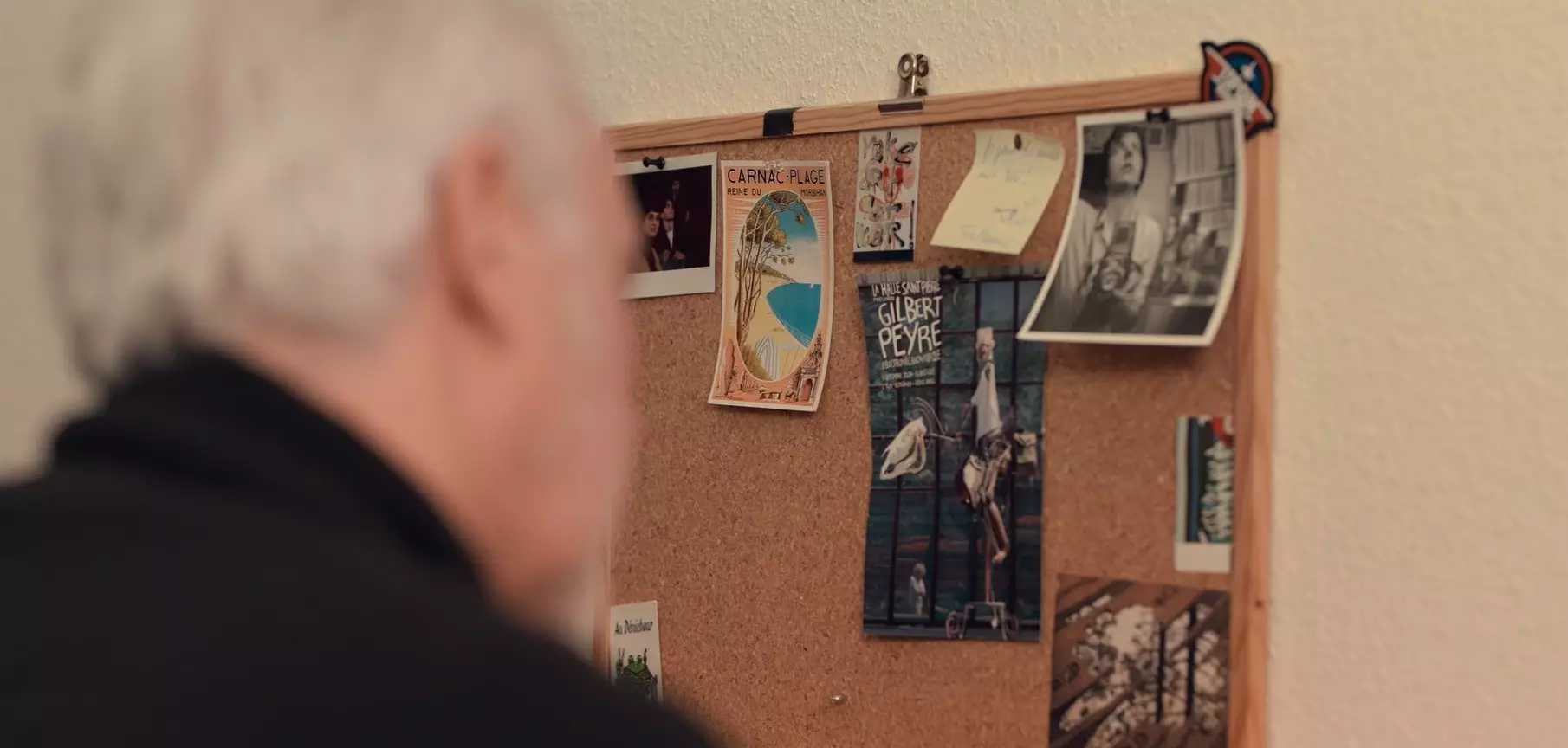
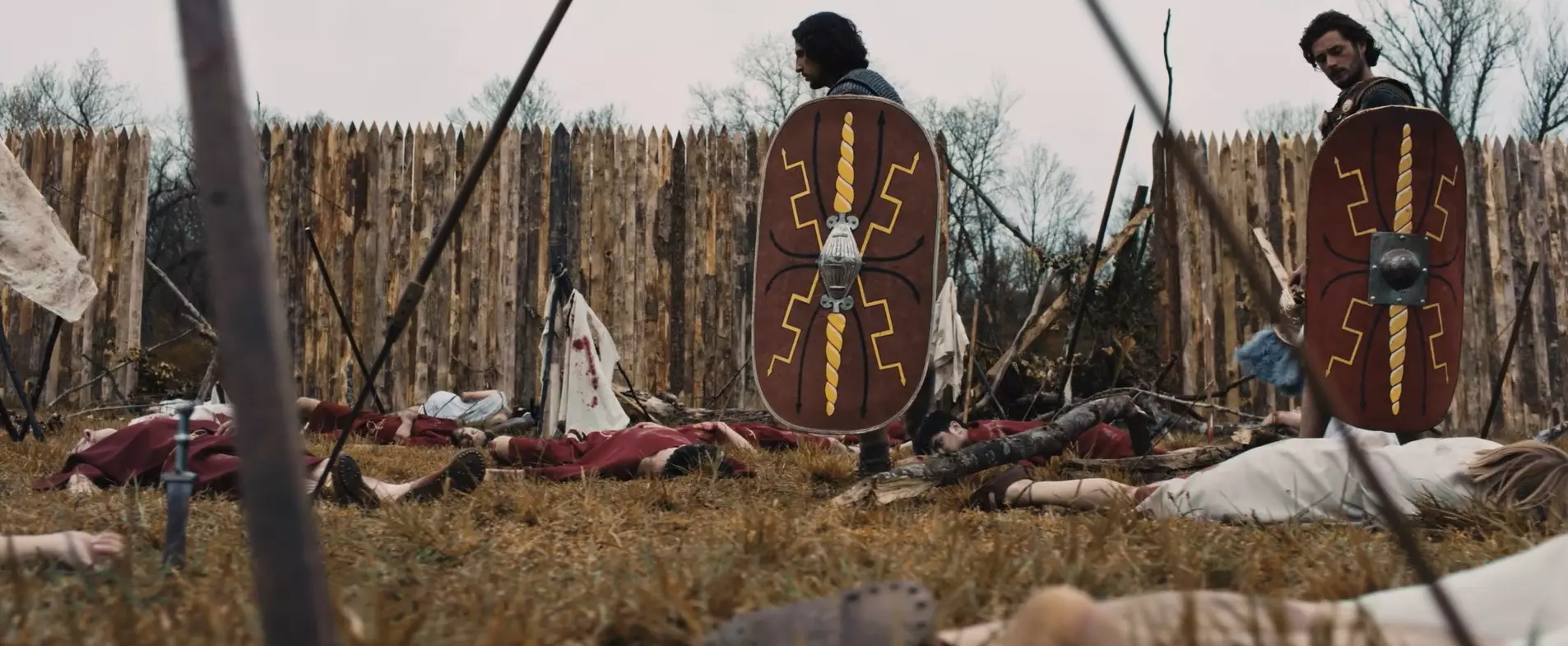
In cinema, a foreground element refers to an element (part of a character’s body or an object) placed very close to the camera, within the shot or reverse shot. This element generally appears blurred or only partially visible. A foreground element therefore helps reinforce the point of view, structure the frame, and create depth within the scene. A foreground element positioned extremely close to the lens and appearing highly out of focus draws attention to the main subject in the background.
A foreground element may be a character’s shoulder or head over which the scene is filmed. It can also take the form of a set element positioned very close to the camera. Examples include a half-open blurred door, a lamp, a weapon, or a piece of furniture used to frame the scene or heighten its dramatic effect. A doorway used as a foreground element, for instance, creates a foreground plane that helps structure the frame. It guides the viewer’s eye towards the action behind it while introducing a sense of voyeurism or tension.
What Is the Purpose of a Foreground Element?
A foreground element is generally used to:
- Create depth within the image.
- Reinforce the point of view: the viewer feels as though they are watching the scene “over the shoulder” of a character.
- Establish a presence or tension: for example, showing a character in the foreground observing the scene.
- Structure the composition of the shot, meaning arranging the visible elements within the frame intentionally in order to guide the viewer’s eye and reinforce the meaning of the scene.
The Different Types of Foreground Elements
Character Foreground Element: The Most Commonly Used
A character foreground element is a cinematic technique consisting of placing part of a character (a shoulder, hand, head, neck, profile, or blurred silhouette) in the extreme foreground, very close to the camera. This technique is used to frame the action and create depth.
This device is particularly common in over-the-shoulder shots. For example, in The Silence of the Lambs, Clarice’s blurred shoulder frequently appears in the foreground when the camera films Hannibal Lecter, reinforcing the tension between them. In Sicario by Denis Villeneuve, silhouettes or parts of characters placed in the foreground emphasise the role of discreet observers, particularly during surveillance scenes. Likewise, in Se7en by David Fincher, investigators are often filmed with a shoulder or profile in the foreground, heightening the sense of immersion in the investigation. These examples demonstrate how a character foreground element structures the frame while strengthening the narrative and emotional dimension of a shot.
Object Foreground Element
An object foreground element is a cinematic technique whereby the director highlights an object within a scene in order to foreshadow or symbolise a future event, a theme, an emotion, or a plot twist. The object therefore takes on a narrative, symbolic, or emotional function.
An object foreground element prepares the viewer for what is about to happen, often subconsciously. It serves several purposes:
- Create suspense, curiosity, or anxiety by drawing the viewer’s attention to a specific object. In Psycho (Alfred Hitchcock, 1960), the knife visible in the kitchen acts as an object foreground element foreshadowing the famous shower murder scene.
- Prepare the viewer for a future event: the object becomes a clue that the viewer may or may not consciously notice. In Harry Potter and the Philosopher’s Stone (Chris Columbus, 2001), the Hogwarts acceptance letter is shown several times before Harry actually receives it.
- Reinforce emotion: emotionally charged objects (a photograph, letter, or toy) can evoke memories or feelings in the viewer. Bridget Jones’s diary (Bridget Jones’s Diary, 2001) reinforces intimacy by allowing the audience access to the character’s thoughts. Similarly, in Beauty and the Beast (1991), each falling petal from the enchanted rose heightens the emotional suspense surrounding the Beast’s fate.
Partial Foreground Element
A partial foreground element represents another narrative device whereby only a small part of an element (often a character) appears in the extreme foreground without being clearly identifiable. Unlike the object foreground element, which focuses on something concrete, the partial foreground element relies on incompleteness or implication.
This undefined clue prepares the viewer for a future event or narrative development while maintaining suspense or mystery. In Jaws (Steven Spielberg, 1975), a glimpse of a fin appears at the water’s surface. The viewer understands that danger is approaching without immediately seeing the shark in full.
Why Use a Foreground Element in an Image or Scene?
To Create Suspense or Anticipation
The foreground element draws the viewer’s attention to a precise detail before the dramatic event occurs. It works on both the conscious and subconscious mind: the viewer notices the object or detail even if they do not yet understand its importance. Dramatic tension emerges because the audience begins imagining what might happen. This technique, especially effective in thrillers and horror films, relies on anticipation to build tension and anxiety.
To Reinforce Emotion
A foreground element can also be used to create or intensify emotion. A clenched hand generates tension or fear. A farewell scene filmed through a misted window may evoke nostalgia or tenderness. The foreground element can also reflect a character’s psychological state. For example, filming a character through a trembling glass of water reinforces the impression of confusion, stress, or fragility.
The viewer therefore establishes an emotional connection with the character or situation even before the action unfolds. This device is widely used in poetic, romantic, or family films, where certain elements become emotional vehicles.
To Direct the Viewer’s Eye
The foreground element guides attention towards a detail or set element that will become narratively significant. This visually driven technique is common in detective films, fantasy films, and adventure cinema, where attention to detail is essential for understanding the plot.
To Prepare the Viewer for a Revelation or Twist
Some foreground elements remain deliberately incomplete or mysterious, providing just enough information to intrigue the viewer. The audience does not immediately understand their significance, but the image prepares the revelation of the twist: a double life, a hidden illness, a false identity, and so forth. This type of foreground element is especially common in psychological thrillers and twist-driven films.
To Create Visual or Symbolic Continuity
By introducing a recurring motif or symbol, the foreground element helps create visual and narrative coherence. Objects or details become connecting threads linking different scenes and reinforcing the thematic dimension of the film, while also providing rhythm and cohesion to the story. The repeated use of cracked objects, for example, may symbolise fragility. This technique is common in epic, biographical, or poetic films.
Common Mistakes to Avoid with Foreground Elements
A foreground element should remain subtle without revealing the entire scene or overwhelming the viewer. However, certain mistakes are common:
- Showing the object or detail too obviously, such as through an excessive zoom or an overly long static shot, which alerts the viewer too directly. This makes the foreground element too obvious and ruins the suspense.
- Introducing an element as a foreground cue but forgetting to reuse it or give it a narrative function. No connection is then made with the following scene, rendering the foreground element pointless.
- Revealing too many details and giving away the future event entirely.
- Using foreground elements that are inconsistent with the story. Placing an object or detail with no thematic or narrative connection to the rest of the story merely distracts the viewer.
- Overusing foreground elements, which weakens their impact.
- Making the foreground element too explicit and therefore removing all suspense.