Each year, students at Cinécréatis conclude their studies with the production of an ambitious final film, designed as a genuine professional filming experience. With writing, directing, acting and technical constraints worthy of a real production, this project marks a key moment in their training: the moment when theory gives way to intensive cinema practice.
It was in this context that the film L’Annonce, directed by Antoine Chevrier and his team, was created. Behind its appearance as a comedy, the short film explores a world of far greater contrasts than it appears, combining humour, family tension and widespread unease. A work that constantly plays with balance, both narratively and visually.

Total immersion through Thomas's eyes
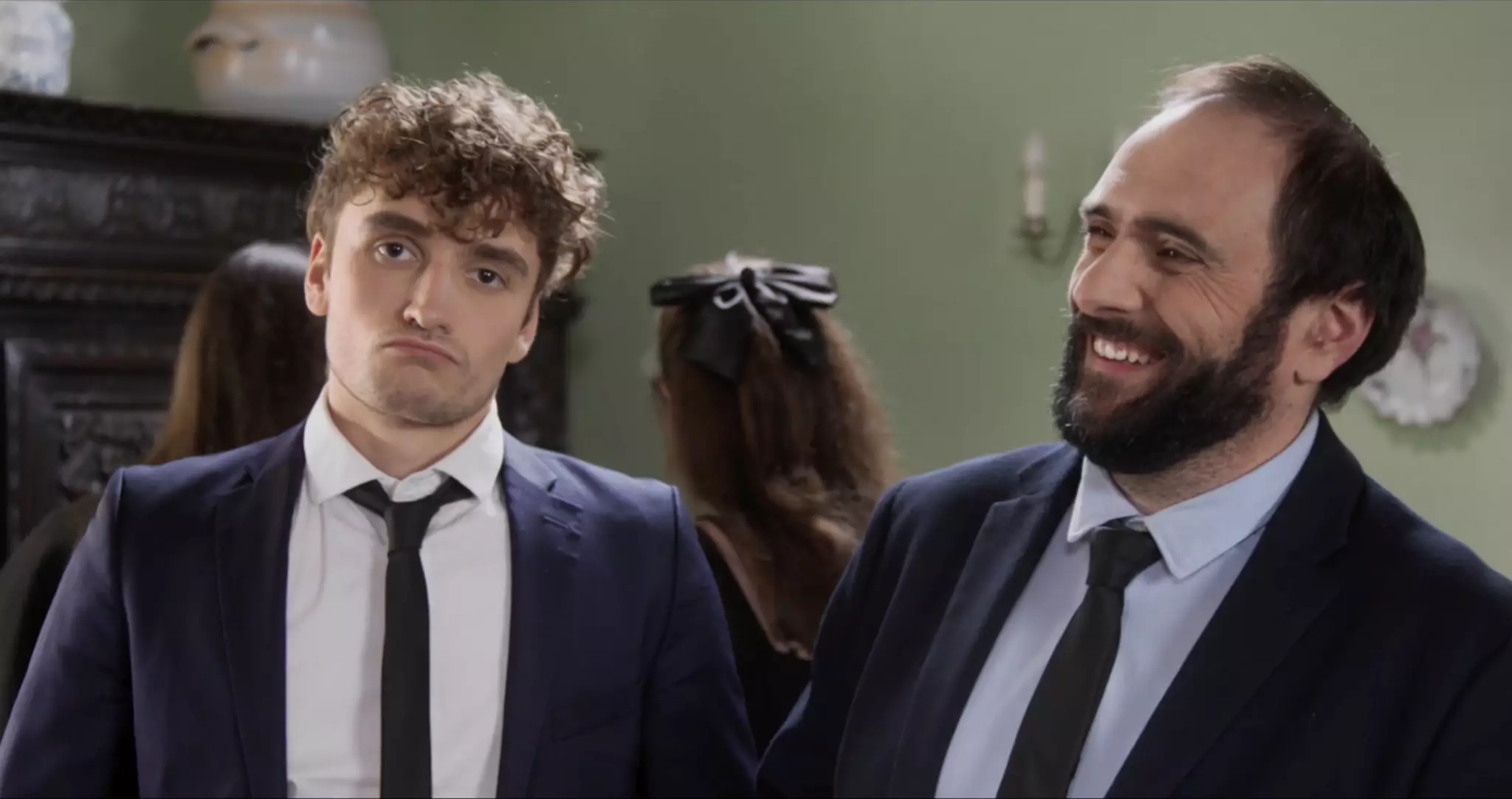
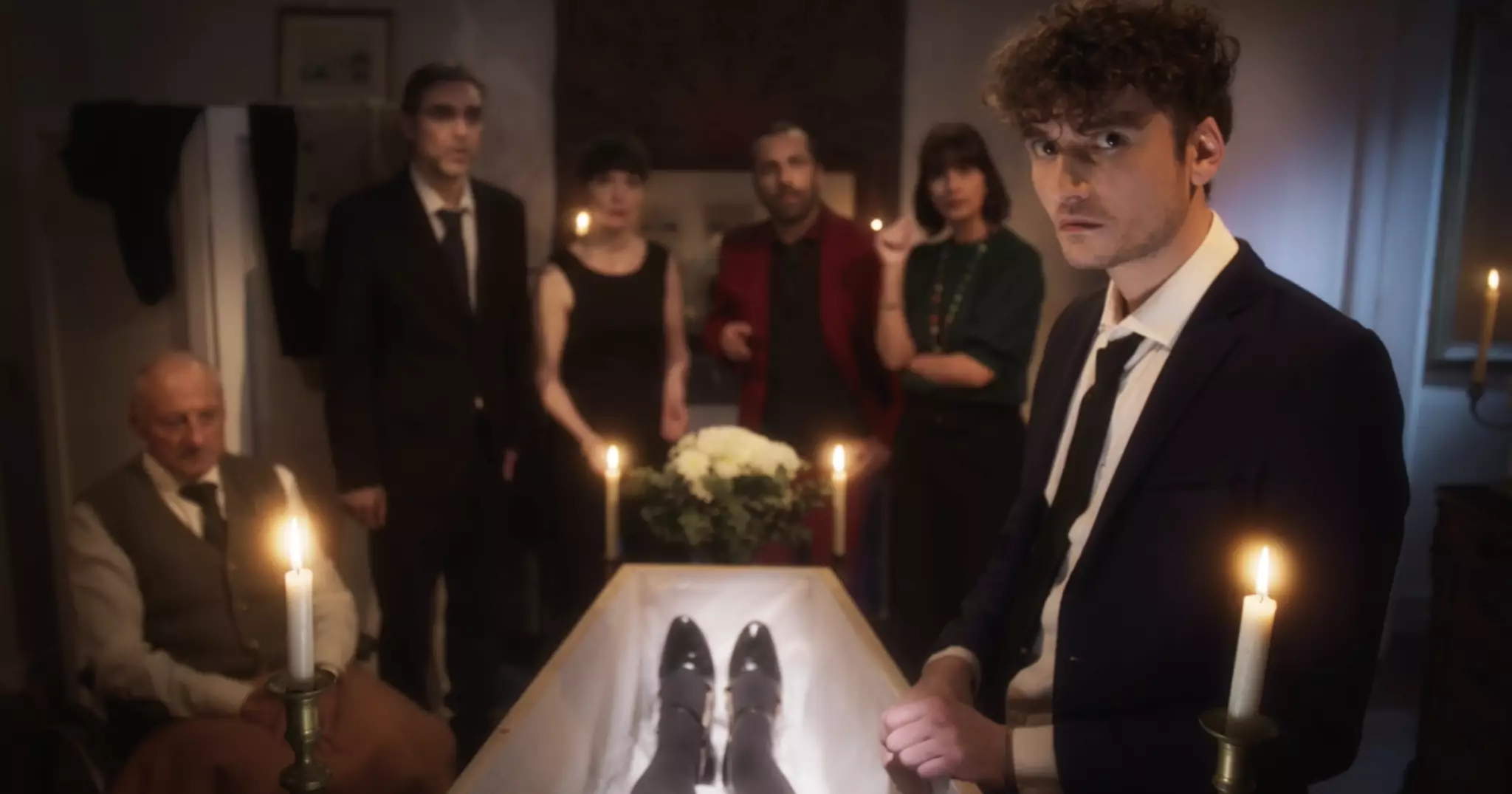
Thomas Devoiseau, a 25-year-old psychiatry student, attends his grandmother’s wake at the family home. His grandmother, who had died the day before, was a leading neurosurgeon and an authoritarian figure who had imposed a rigorous educational model on the whole family, based on professional and financial success. In the Devoiseau family, only one path is tolerated: medicine. Breathless, Thomas sees this meeting as an opportunity to announce that he is giving up his studies. But at the heart of this family with its overwhelming expectations, the task looks set to be much more difficult than expected…
Never leave Thomas: a strong directorial choice
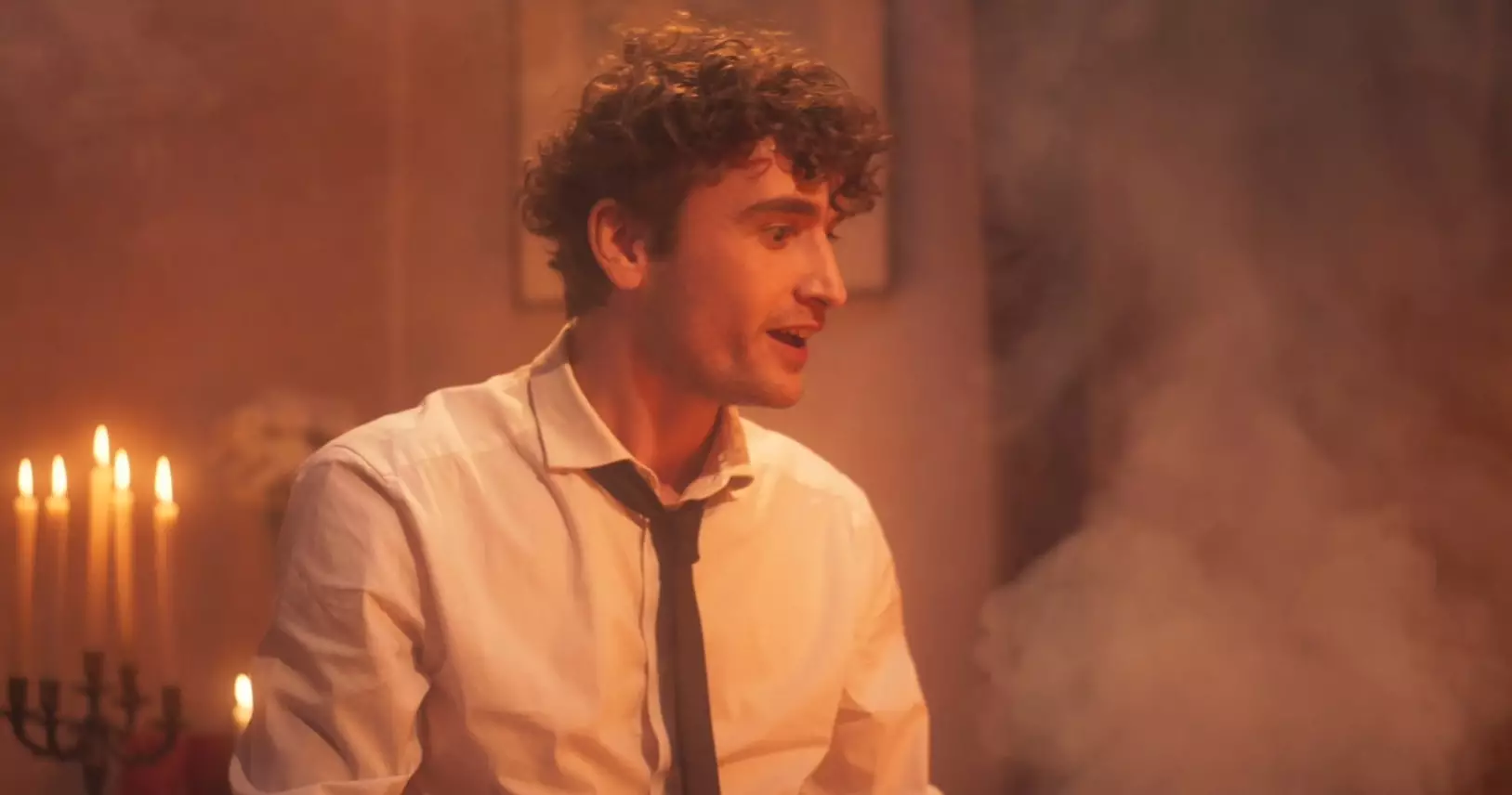
The film is based on a strong narrative device: following its main character, Thomas, at all times, without ever leaving his side. This total immersion places the viewer at the heart of his experience, in a family setting where every interaction becomes a playground… or a pressure point.
This radical choice implies a strong constraint for the lead actor, who is omnipresent in the image, and precise work on the breaks in his acting. Thomas operates in a permanent double register: facing the camera, he adopts a free, almost complicit stance with the viewer; facing his family, he withdraws, takes a back seat and conforms. This discrepancy is one of the main driving forces behind the film.
Talking to the viewer: the mechanics of asides in The Announcement
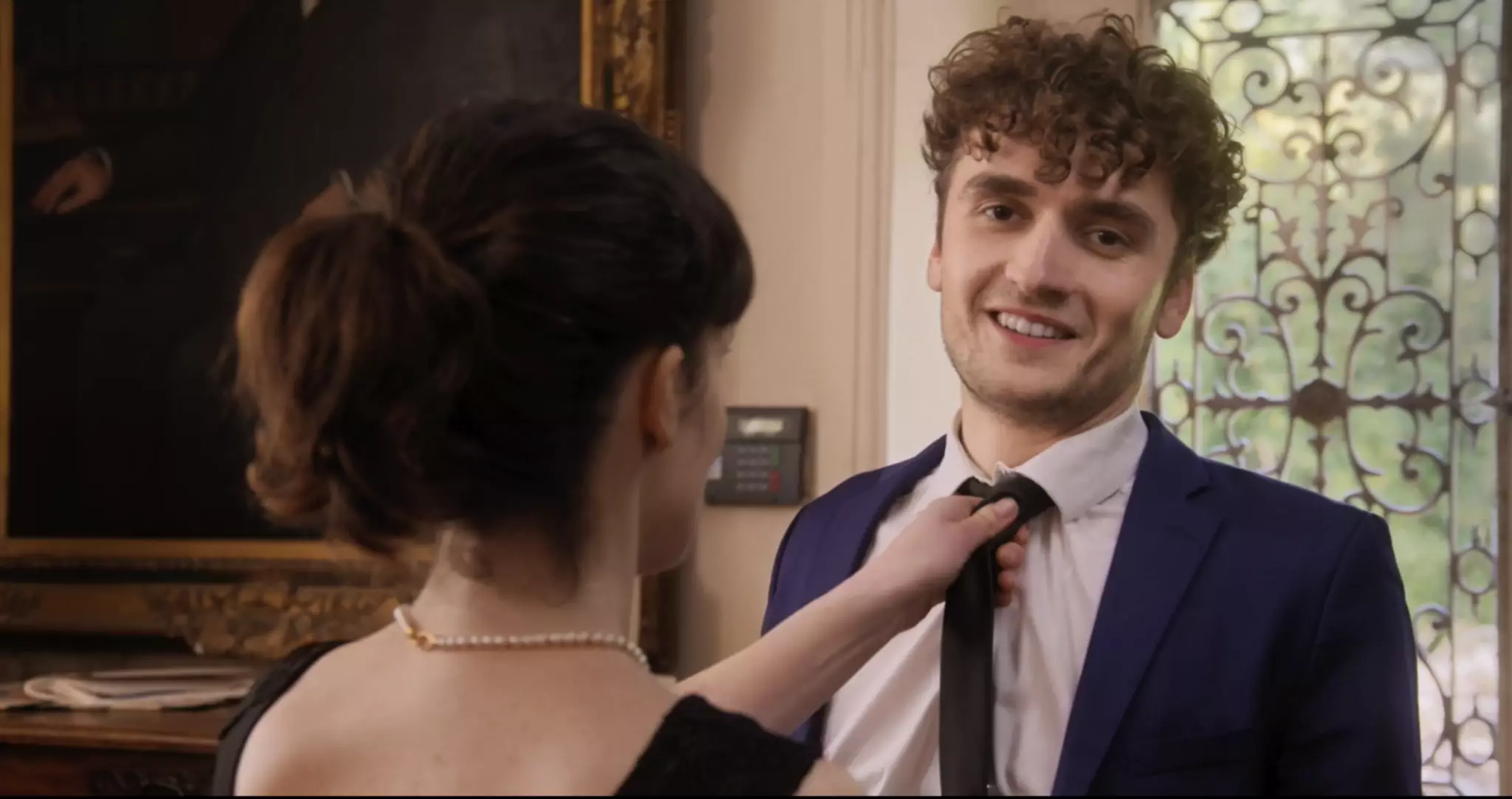
One of the most striking elements of The Announcement is its use of asides, direct dialogues with the audience. Far from being a mere comic device, they structure the entire narrative. The family continues to live on screen while Thomas addresses the audience, creating a permanent double reading of the scene.
Sound also plays a central narrative role, alternating between bubbles of intimacy during the asides and sound saturation in the family scenes, creating a sensory experience that immerses the viewer in Thomas’s subjective perception.
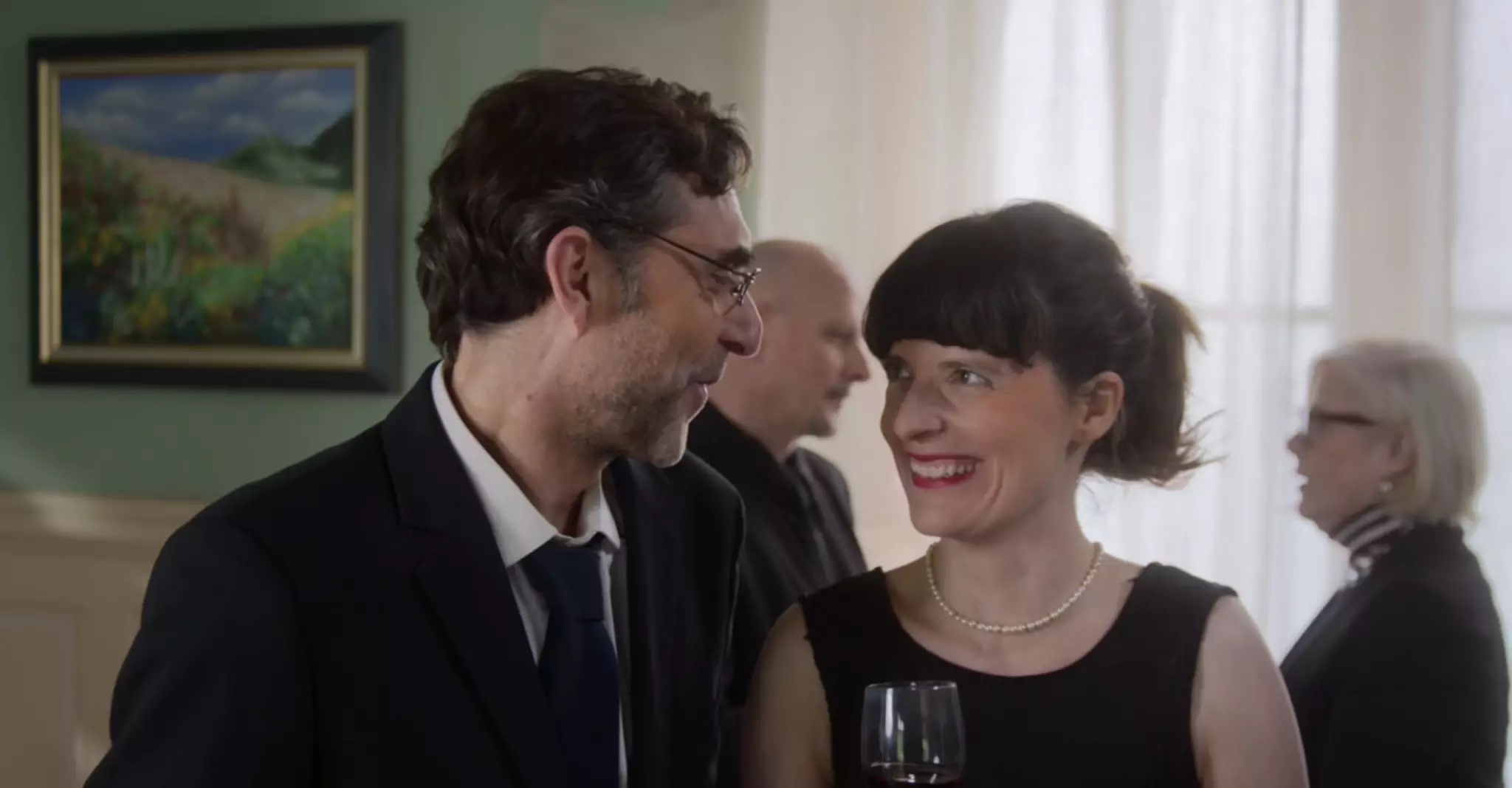
The film is organised around two distinct visual worlds. The bright but stifling reception areas reflect the omnipresent social and family pressure. In contrast, the grandmother’s bedroom becomes a more intimate, dark, almost suspended space, lit by candlelight, as if out of time.


Actors at the service of the story
The Devoiseau family is conceived and constructed as a precise, almost choreographed mechanism, in which each character embodies an archetype. The actors’ performance is based on a rigorous rhythm, essential to maintaining the balance between comedy and credibility. Gradually, Thomas evolves within this structure until he becomes the trigger for the story, particularly in the final scene.
Every choice made in terms of direction, camerawork, sound, editing and acting all contribute to the same goal: to create a film that is funny, disturbing and deeply human.
Through this film, the team is defending a clear intention: to use humour to tackle profound themes such as family pressure, social determinism and the quest for emancipation.
Find out more about the film and what goes on behind the scenes…