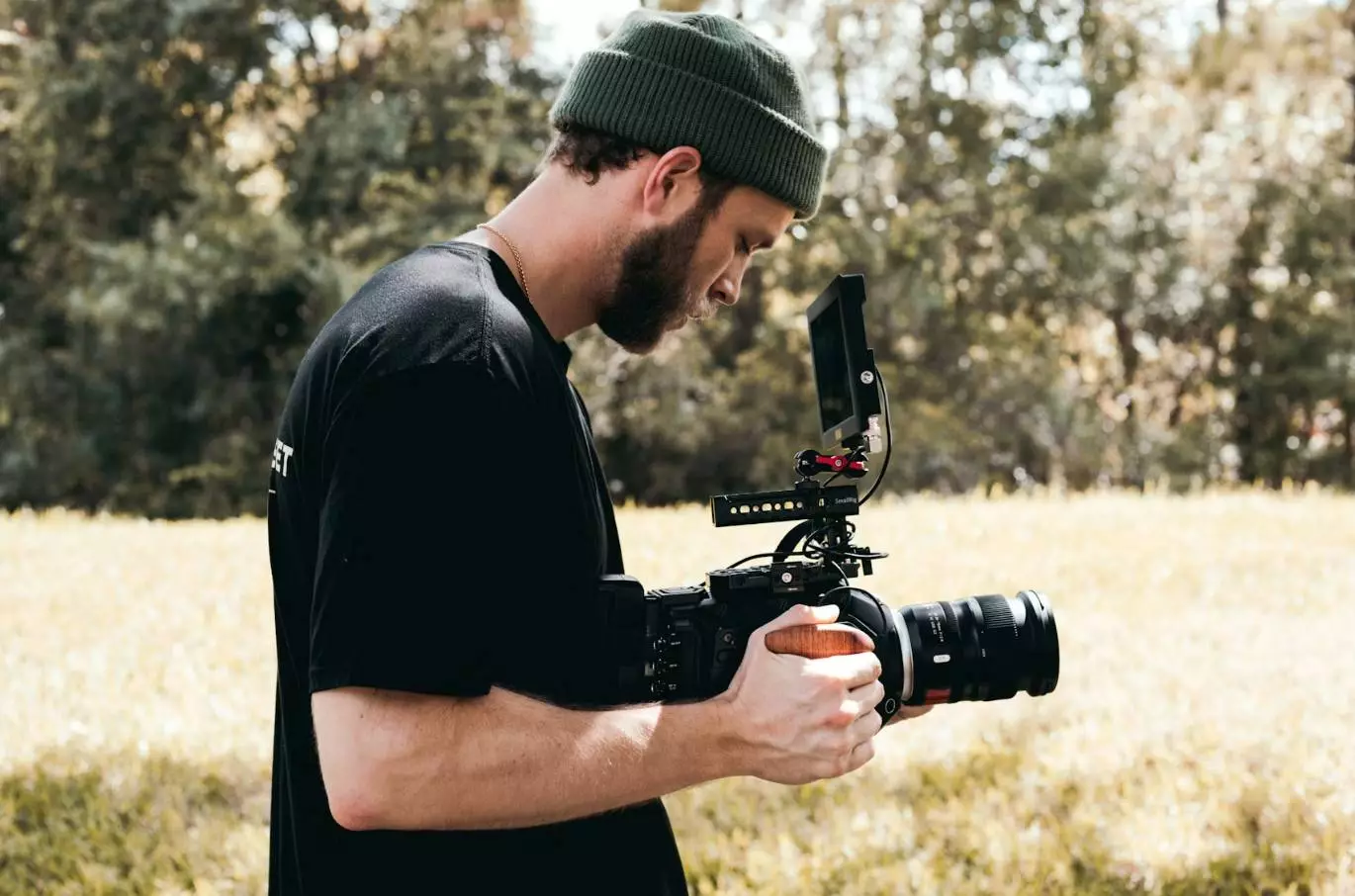
Documentary filmmaker
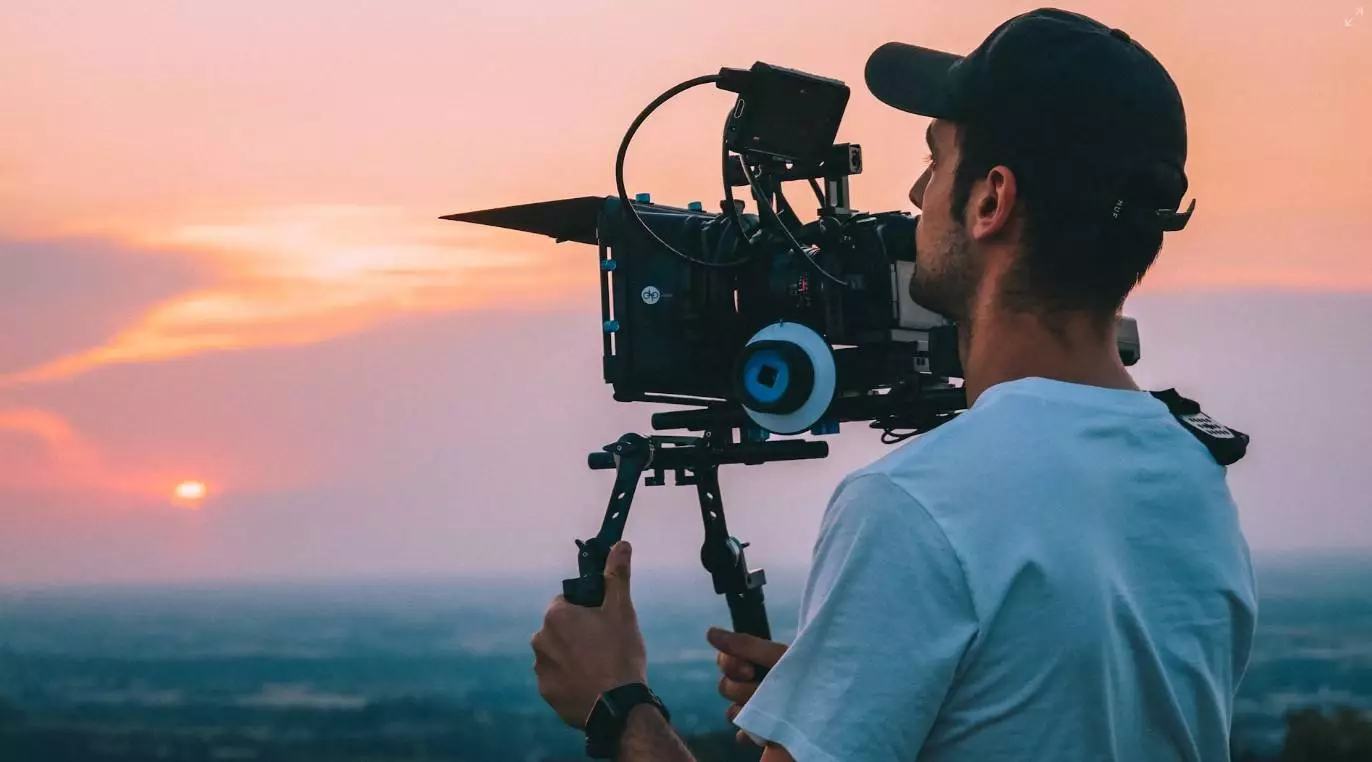
Tasks and roles of the documentary filmmaker
Documentary filmmakers play an essential role in the creation of documentaries. More than just a witness or observer, they capture reality, question it, shape it and share it. At the crossroads of journalism, cinema and civic engagement, documentary filmmakers undoubtedly play a key role in the way we see and understand the world. For this image professional, making documentaries is not just about showing what is… it’s about helping us to see what matters!
His missions
Explore
One of the fascinating missions of a documentary filmmaker is to explore little-known territories, to report on real events, to bring to light ignored facts, to give a voice to people we don’t hear from… They dig, observe, question. They carry out in-depth investigations through powerful fieldwork, interviews and research…
Raconter
But lining up images is not enough: the documentary filmmaker must also construct a captivating narrative that conveys a point of view and an emotion. Documentary is a cinematographic work based on reality. Documentary film storytelling involves developing a narrative angle, choosing a structure, a visual style, a rhythm and a personal or committed discourse.
Interpeller
This image professional also seeks to raise awareness, provoke reflection and educate. By taking a fresh look at a wide variety of subjects, documentary filmmakers inevitably provoke thought, challenge and shake up certainties.
Bringing the project to life
Last but not least, the documentary filmmaker’s mission is to bring his or her project to life and make it economically viable. To do this, they have to defend it to producers and production companies.
It’s a multi-faceted role, both artistically and technically.
A true one-man band, documentary filmmakers manage the conception, shooting, narration and editing of their projects.
- As an author, he conceives the project, writes the synopsis, imagines the point of view and thinks of his documentary as a personal work.
- As a director, he directs the shoot, chooses the frames, the scenes, the images, directs the interviews and the contributors.
- As an investigator, he takes on the role of a journalist who researches, verifies and contextualises information.
- As a witness and intermediary, he takes a back seat to give others a chance to speak so that their voices can be better heard.
- Sometimes committed, he films to denounce ethical, political or social issues and try to move the lines…
Skills and qualities needed to be a documentary filmmaker
Becoming a documentary filmmaker means telling the real story with force and meaning. Documentary professionals often specialise in a very specific field (history, animals, politics, social issues, etc.). Whatever their chosen subject, documentary filmmakers must combine technical, intellectual and human skills.
The technical skills needed to become a documentary filmmaker
Every project is a creative adventure, and the basis of a good documentary requires specific technical skills at several levels, including :
- Scriptwriting and the construction of a captivating narrative through a clear editorial line.
- Mastery of production (framing, lighting, sound, editing)
- Knowledge of equipment (cameras, microphones, editing software, etc.)
- Interview techniques (asking the right questions, conducting a fair interview, putting people at ease, etc.)
- Audiovisual storytelling (pacing a story, building emotion, tension, surprise, etc.)
- Production management (obtaining a budget, authorisations, organising filming, etc.) After filming, documentary filmmakers must defend their films to broadcasters, at festivals, etc.
- Budget management and meeting deadlines.
Essential intellectual and human qualities
Technique alone is not enough to make a good documentary, which can take a multitude of forms. Certain intellectual and human qualities are essential, without which your project will have little chance of holding the viewer’s attention. Here are the main ones:
Creativity and a real capacity for analysis
You need to be able to look at the world with a sharp eye, with a desire to dig, to understand, to reveal. A good documentary filmmaker needs to know how to investigate, dig, check and question in order to raise questions, touch people and awaken their attention.
Great intellectual curiosity
Having an inquisitive mind is also a valuable asset when it comes to tackling a wide range of subjects.
Resourcefulness
This character trait helps you to cope with a sometimes unpredictable day-to-day life and overcome the obstacles that arise. You have to be able to find technical solutions in the field by adapting the shooting schedule and meeting logistical challenges. Being a documentary filmmaker means adapting quickly and effectively to the unexpected.
Patience and perseverance
Documentary filmmakers are often rewarded for waiting, sometimes for a long time, to capture “THE” precious moment. This is particularly true of wildlife documentaries. Generally speaking, these qualities are also essential for carrying out lengthy research and withstanding the ups and downs of filming and the demands of editing.
A love of people
Empathy and a real aptitude for listening are one of the keys to a successful documentary. A good documentary filmmaker must know how to create a bond and film with respect, ethics and integrity, especially when it comes to reporting intimate stories.
An open mind
Documentary filmmakers must be open-minded and open to other points of view. They must show a real ability to question themselves at all times.
Ability to work as part of a team
Teamwork also plays an important role. Filming sometimes requires a great deal of collaboration between cinematographers, technicians, sound engineers, etc.
Which bac to choose?
- General baccalaureate in literature, preferably with a specialisation in the arts – cinema and audiovisual option.
- Bac ST2A (Science and Technology of Design and Applied Arts) if you have an artistic profile.
- Bac Pro in audiovisual professions or Bac Pro in photography, more technically-oriented courses.
Training and qualifications to become a documentary filmmaker
After the baccalauréat, you will need to take specialised courses in cinema or audiovisual studies. The course lasts 5 years and leads to a Master’s degree in film and audiovisual studies.
- Licence Cinéma-audiovisuel (3 years) + Master’s (2 years) at a university or specialist school.
- BTS Métiers de l’audiovisuel (2 years) + training in a school specialising in film, in the documentary section.
- Diploma from ENS Louis Lumière and Femis (ecole nationale supérieure des métiers de l’image et du son). Entry by competitive examination.
Tools and software used by documentary filmmakers
Each stage in the creation of a documentary involves the use of a wide variety of tools and software.
For writing
- Celtx, a program available on Firefox dedicated to script writing. It also helps you plan shoots
- Final draft: an indispensable scriptwriting solution for screenwriters and film-makers
For video editing
- Da Vinci Resolve is professional video editing and post-production software widely used in film, television and streaming. It is renowned for its power, colour accuracy and comprehensive free version.
- Final Cut is professional video editing software developed by Apple. It is popular with professional editors, YouTube content creators and independent filmmakers.
- Descript, all-in-one software for creating, editing and transcribing audio and video content. This tool is ideal for quick editing without technical skills.
For colour grading
- Da Vinci Resolve
- Lumetri Color, an integrated tool in Adobe Première Pro for correcting exposure, contrast and lighting, adjusting colours and working with tones.
For subtitles
- Subtitle Edit is free, open source software that lets you create, edit, synchronise, convert and translate subtitles for videos.
How much does a documentary filmmaker earn?
A documentary filmmaker’s salary is generally made up of a fixed salary, copyright and broadcasting rights. It also varies according to the scope of the project, the type of production (cinema, television, streaming platform, web) and the market situation.
Average starting salary
This can be between €20,000 and €40,000 gross per year, an extremely wide range!
Average experienced salary
An established documentary filmmaker can earn between €70,000 and €100,000 gross per year, or even more. This is the case for an experienced writer-director, working for national channels (Arte, France TV) or platforms (Netflix, Amazon), with royalties, foreign sales, appearances at festivals or masterclasses.
Possible outlets and careers
Seeing your documentary projected onto the big screen or broadcast on television: it’s the dream of every committed documentary filmmaker! You can also specialise in making certain types of documentary and, in the longer term (wildlife, etc.), develop more ambitious projects.
The profession also offers other opportunities. This is the case with institutional documentaries, commissioned by major companies, specific sectors or major events. These projects, often managed by communications agencies, are real springboards for proving yourself and getting noticed.
Many festivals also present documentaries. If yours is a big hit, it will be easier for you to secure commissions and funding for future projects. Some outstanding documentaries even win prestigious awards.
Sectors and companies that recruit
- Television channels and streaming platforms, as well as production companies working for these broadcasters. You will be asked to produce documentaries for broadcast to the general public on topics such as society, science, the environment, history, etc.
- Companies and major brands that need institutional documentaries (branded content) to tell their story, enhance their image or document events.
- Communications and advertising agencies to make documentary films for campaigns, launches, brand reporting, etc.
- NGOs, associations, foundations and public institutions, to create engaging documentaries to mobilise, inform or raise funds.