- promotion
Alfredo Altamirano
Interview with Alfredo Altamirano, cinematographer
Can you describe your career path after leaving CinéCréatis?
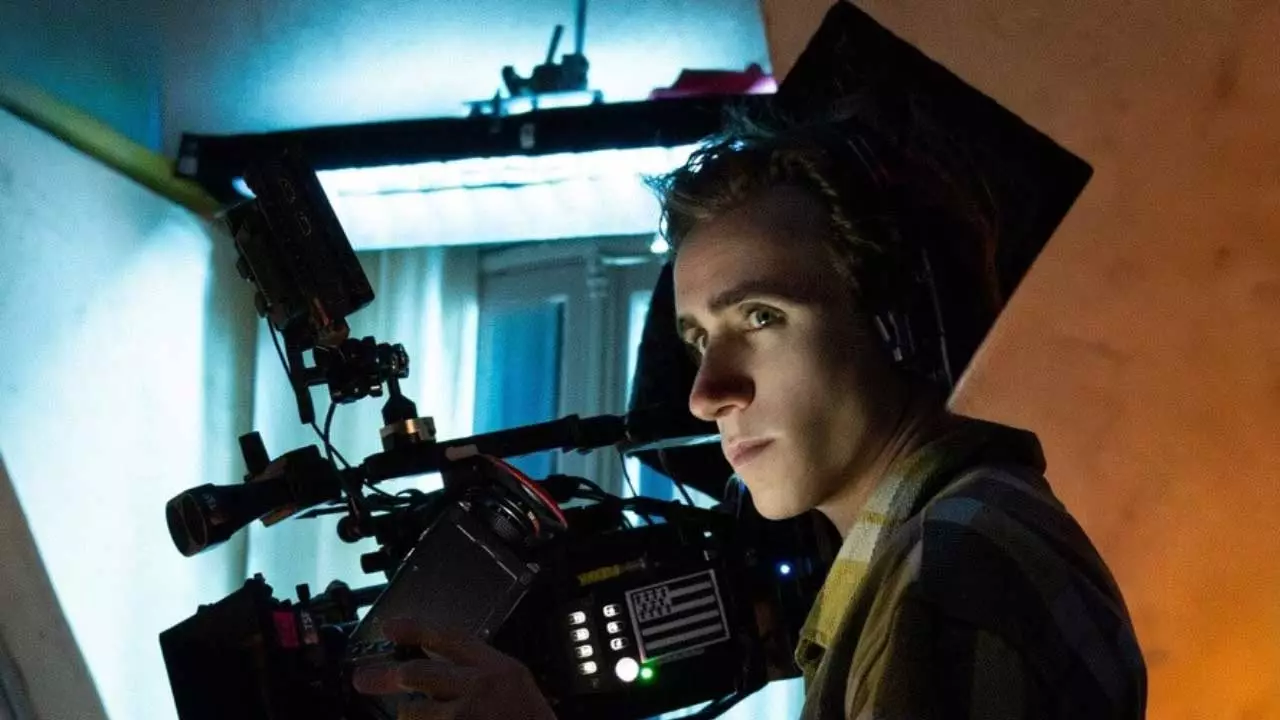
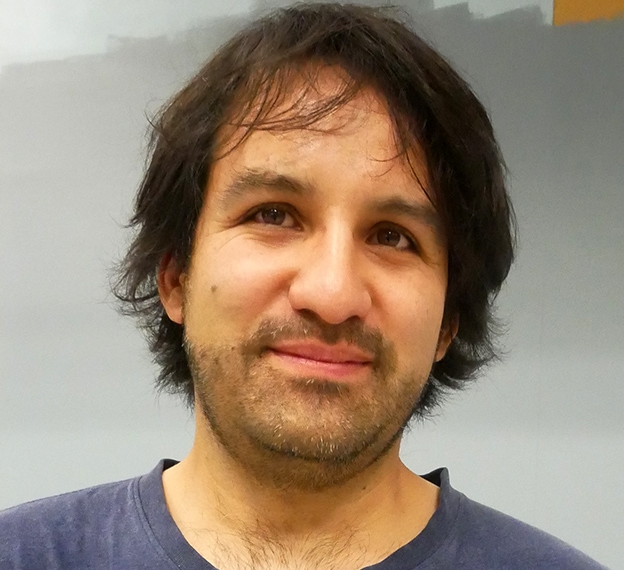 Portrait of Alfredo Lopez Altamirano
My career path is not a typical one, normally people start as a trainee, then second camera assistant, then first camera assistant, then cameraman, then cinematographer.
I’ve always been a cinematographer on all the school’s projects: at the end of my training, I had a good demo!
Then I went to Paris but, to avoid the risk of finding myself in difficulty in working life, I enrolled at Paris 3 in Cinéma, so I could keep my status and start working at the same time.
I made short films on 16mm and 35mm film, which gave me more and more experience of film, short films and music videos. It was a bit of a strange path, but it gave me the opportunity to choose my projects.
Can you tell me about some of the projects that have marked your career?
My first experience on a feature film was when I was 25. I was director of photography on “Graba”, an Argentinian film, so I went to Argentina and this film did quite a few good festivals, including the Mar Del Plata Festival, the biggest in South America.
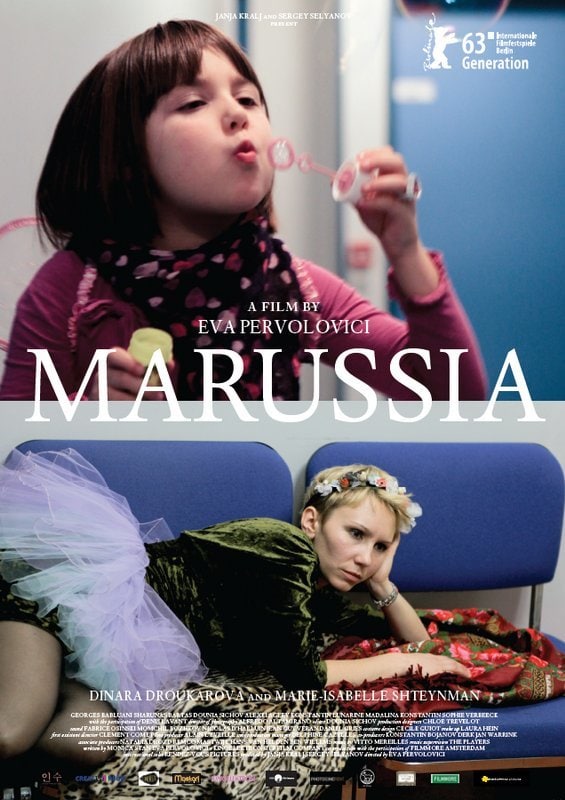 Marussia, released in 2013 by director Eva Pervolovici
It wasn’t bad and it enabled me to come back to Paris and shoot my first French feature, Marussia, which was selected at the Berlin Festival.
After that, I went back to shoot a film in Argentina, then I made lots of short films, and festivals, including Cannes twice for Critics’ Week and Directors’ Fortnight.
You had a special experience with your status in France: can you tell us more about it?
I had a little problem with my papers, but now I’m French.
But at the time I didn’t have nationality, I was Mexican and I wasn’t allowed to work abroad. I had to stay in France most of the year to keep my residence permit. I was in a rather precarious situation.
Then one day I got a letter saying I had thirty days to leave the country! It was a bit harsh, but that’s why I got together with the film people I’d worked with to write a letter of appeal.
Fortunately, I met a lawyer from the production company of a French film I’d made, and the few celebrities I’d worked with wrote me letters: Valérie Donzelli, Jérémie Elkaïm, Agnès Varda, Caroline Champetier from the AFC, Cédric Klapisch, it was an injustice, and after a while I found myself with a list of personalities who helped and supported me, Vincent Cassel, Karine Viard, Romain Gavras…
As a result, a petition was set up on the internet and it got 11,000 signatures! Anne Hildago wrote me a letter, I met the Senate and after all that I got my residence permit and a year later I got my nationality!
What happened next?
Caroline Champetier from the AFC(Association Française des directeurs de la photographie Cinématographique) advised me to go into advertising so that I could learn to work in a bit of everything.
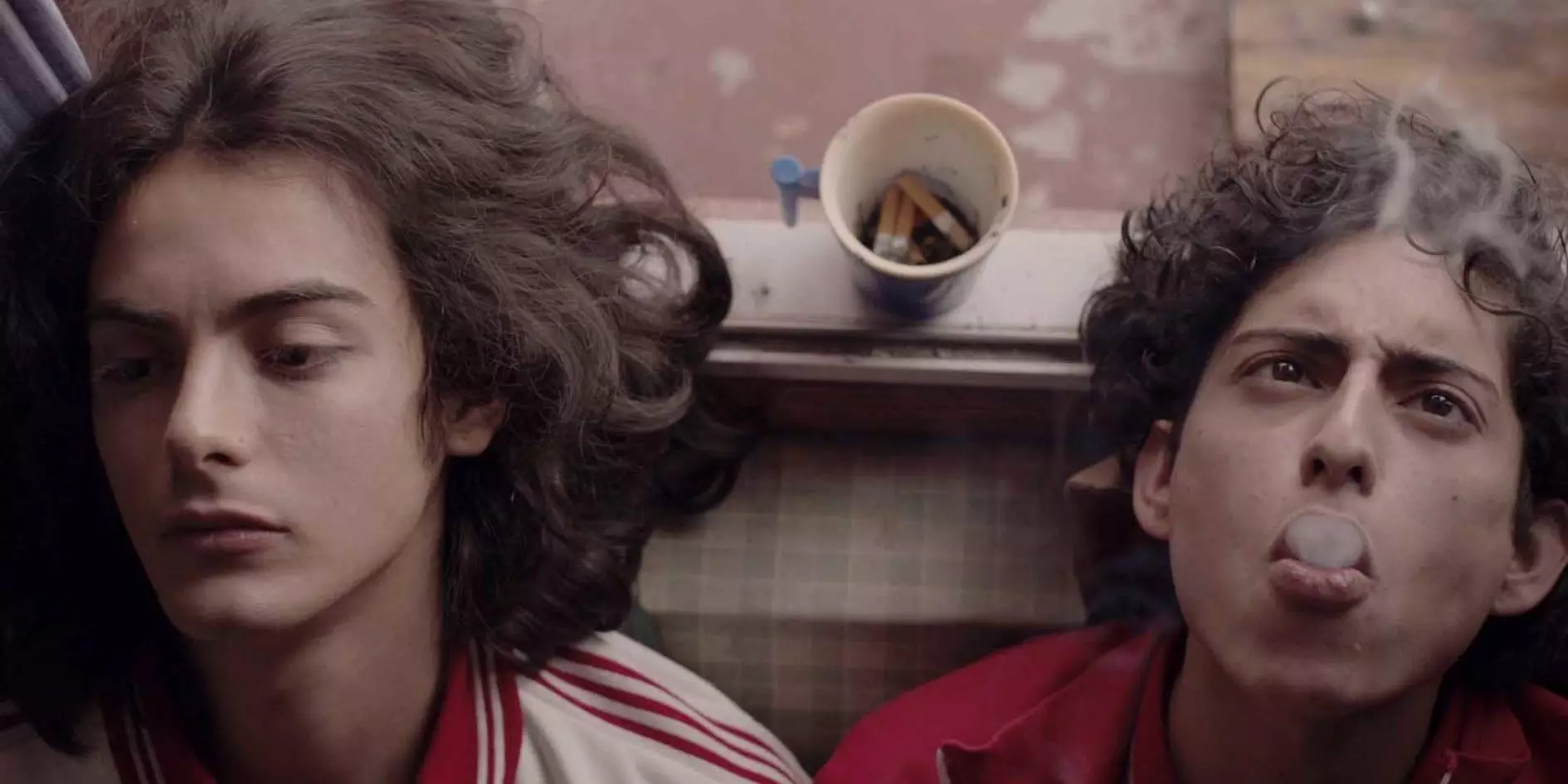
Then I shot two feature films in Mexico, including ‘This is not Berlin’, which was selected at Sundance, and the last film I made in Mexico was in the Work in Progress competition at Cannes.
It’s not bad, I’m very lucky with the films I make, I’m very lucky to be able to choose the films I work on and the projects that come my way are cool!
What are your current projects?
Right now, I’d like to work in the United States, and next year I’m going to spend a year in Mexico, so that’s my very atypical career!