Doubout oubien mô
INFOS
- thème Documentary
- formation 3rd year
- durée 21:55
SYNOPSIS
Since August 2024, Martinique has been rocked by a wave of popular protests against the high cost of living. Through various aspects of local culture, the people of Martinique are rising up, spurred on by the RPPRAC, and voicing their anger.
A portrait of Martinique standing firm in the face of the high cost of living
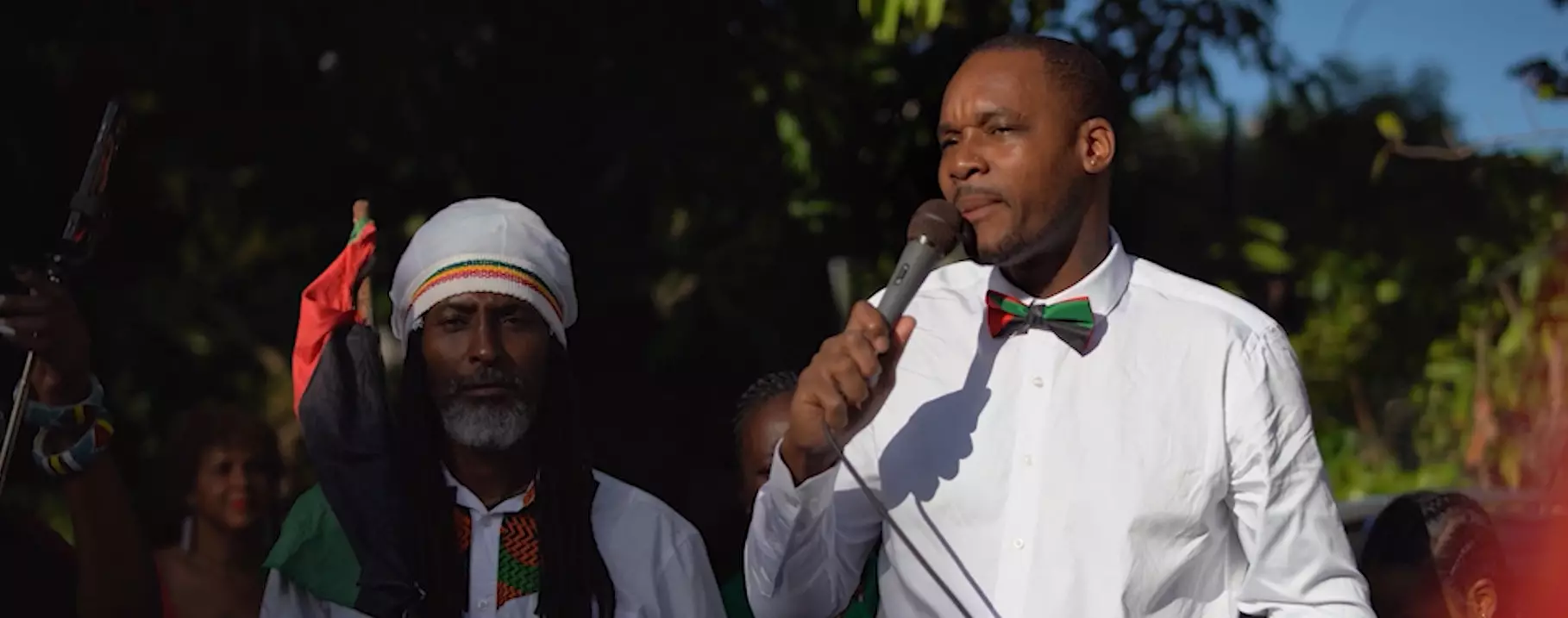
‘Doubout oubien mô’: ‘Rise up or die’. Through this Martinican Creole expression, taken from a song by Kolo Barst, the documentary directed by Solenne Plumelle sets out its intention from the outset: to tell the story of a people’s anger, but above all of their ability to come together to defend their rights.
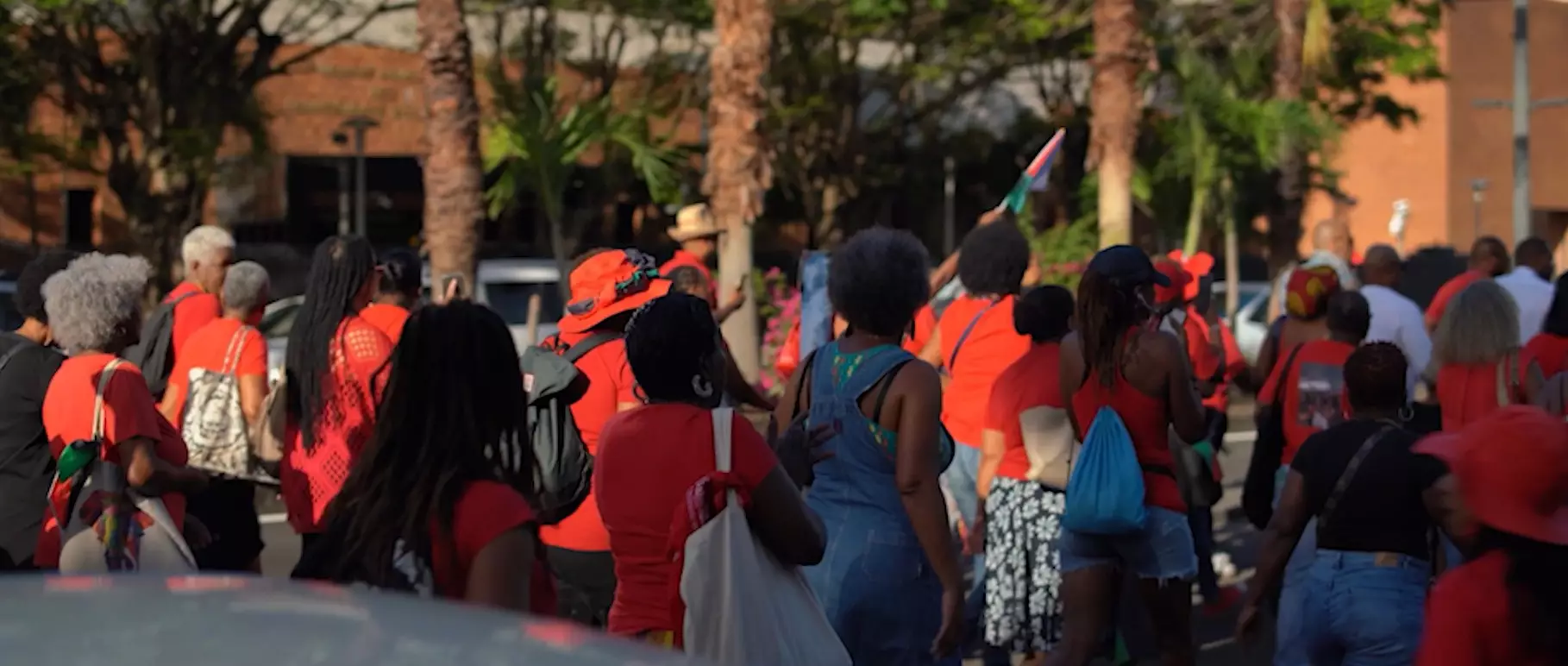
Since August 2024, Martinique has been rocked by a popular protest movement against the high cost of living, led in particular by the RPPRAC (Rassemblement pour la Protection des Peuples et des Ressources Afro-Caribéens). DOUBOUT OUBIEN MÔ takes us to the heart of this mobilisation; it is a documentary that gives a voice to the residents and key figures involved in this struggle.
Beyond the high cost of living, a story to tell
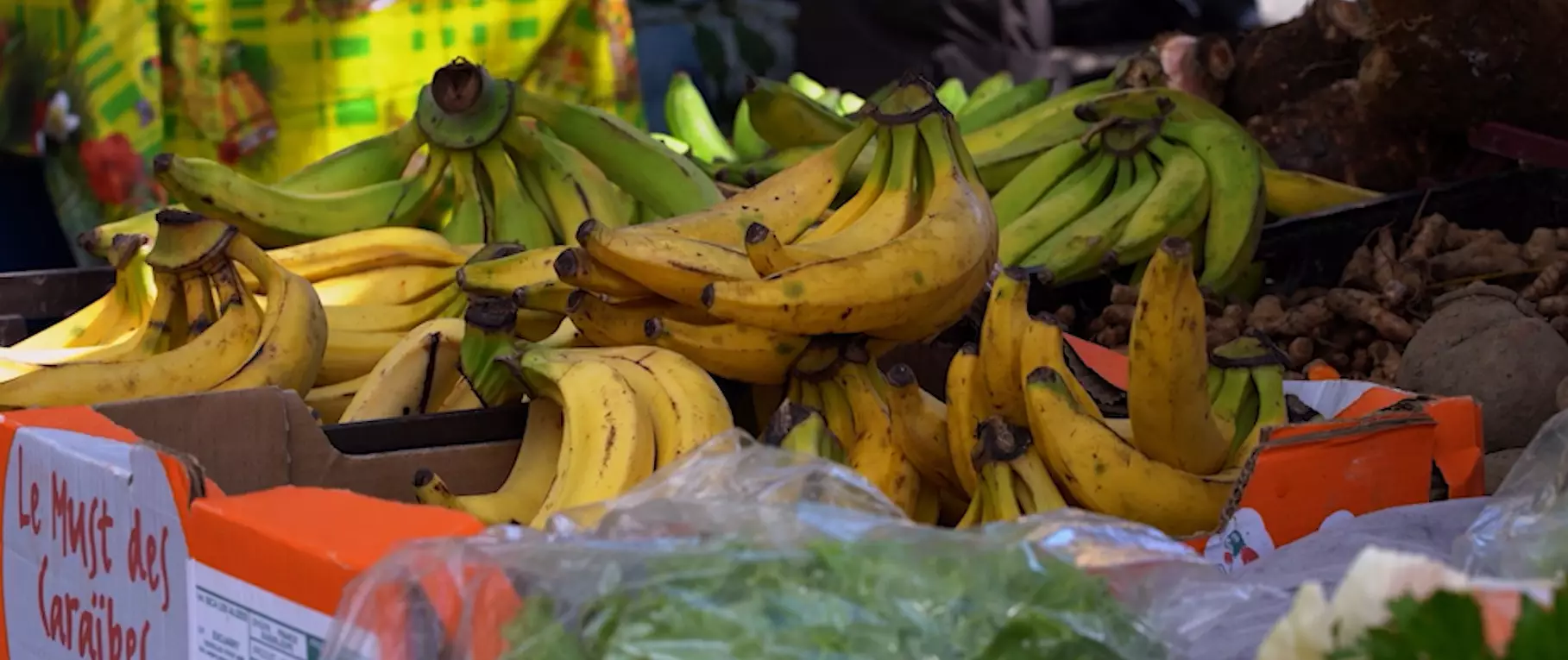
The film focuses first and foremost on the practical consequences of the high cost of living on the daily lives of people in Martinique. Through a series of portraits, it highlights the difficulties faced by residents from different walks of life: a young mother struggling to fill her shopping trolley, a retired couple grappling with rising prices, and a farmer who speaks of the challenges associated with local production and the import of goods.
However, the documentary does not limit itself to presenting an economic analysis. It also seeks to place this situation within a broader historical context, examining the legacies of the colonial system and the inequalities that persist between Martinique and mainland France.
Three main themes thus run through the film: the consequences of the colonial system, Caribbean culture as a means of expressing anger, and unity as a weapon against injustice.
A culture that becomes the language of rebellion
To tell the story of this struggle, Solenne Plumelle has chosen to blend documentary footage with more dreamlike sequences, inspired by Martinican cultural traditions.
The film opens with a storyteller who, in the heart of a forest and around a fire, recounts a tale of oppression and collective resistance in Creole. This fictional interlude, inspired by the Caribbean oral tradition, accompanies the viewer throughout the narrative. It creates a dialogue between the past and the present, whilst adding a symbolic dimension to the storytelling.
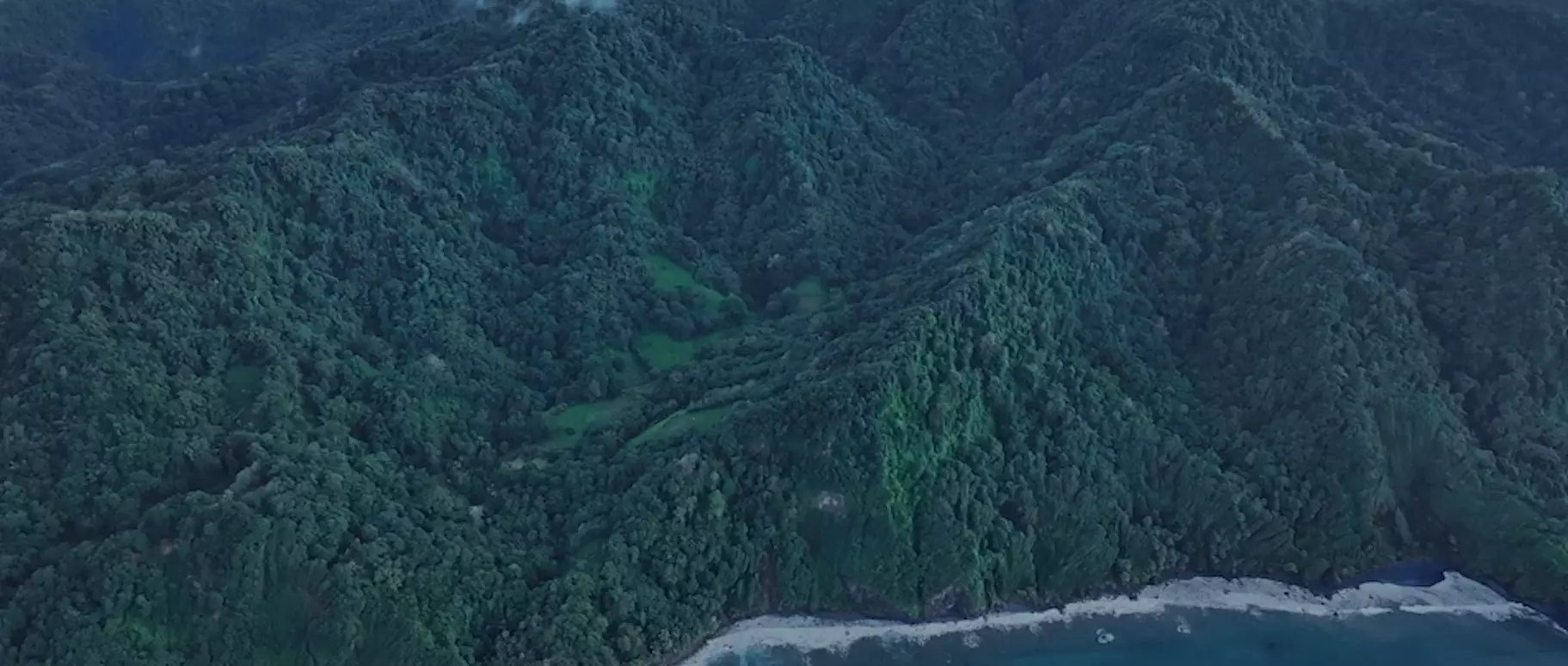
Other cultural elements enrich this approach. The conch-blower, for example, becomes a figure of warning and rallying. Mount Pelée, the island’s iconic volcano, is associated with popular anger: its rumblings seem to echo the protesters’ demands.
Carnival also plays an important role in this symbolic framework. Through Vaval, the traditional mascot burnt at the end of the festivities, the film evokes liberation and the expiation of accumulated suffering. It is a way of resonating popular culture with social demands.
A production that is as true to life as possible
Visually, the documentary alternates between observational sequences and moments of collective action. The handheld camera follows the residents through their daily lives, capturing their actions and emotions up close. Long takes and deliberately slow editing encourage spontaneity in the exchanges and authenticity in the testimonies.
Conversely, the more symbolic sequences favour a contemplative and mysterious approach. The contrast between these two styles of filmmaking allows social reality to coexist with a more poetic portrayal of the island.
The sound design plays a key role in this immersive experience. The sounds of nature – the waves, the croaking of frogs, the atmosphere of the markets and the imaginary rumblings of the volcano – become integral elements of the narrative. Kolo Barst’s music accompanies the film’s key moments and reinforces its activist dimension.
Unity as a goal
Through a series of meetings and events, DOUBOUT OUBIEN MÔ brings to the fore a central idea: in the face of deeply entrenched injustices, solidarity is an essential force.
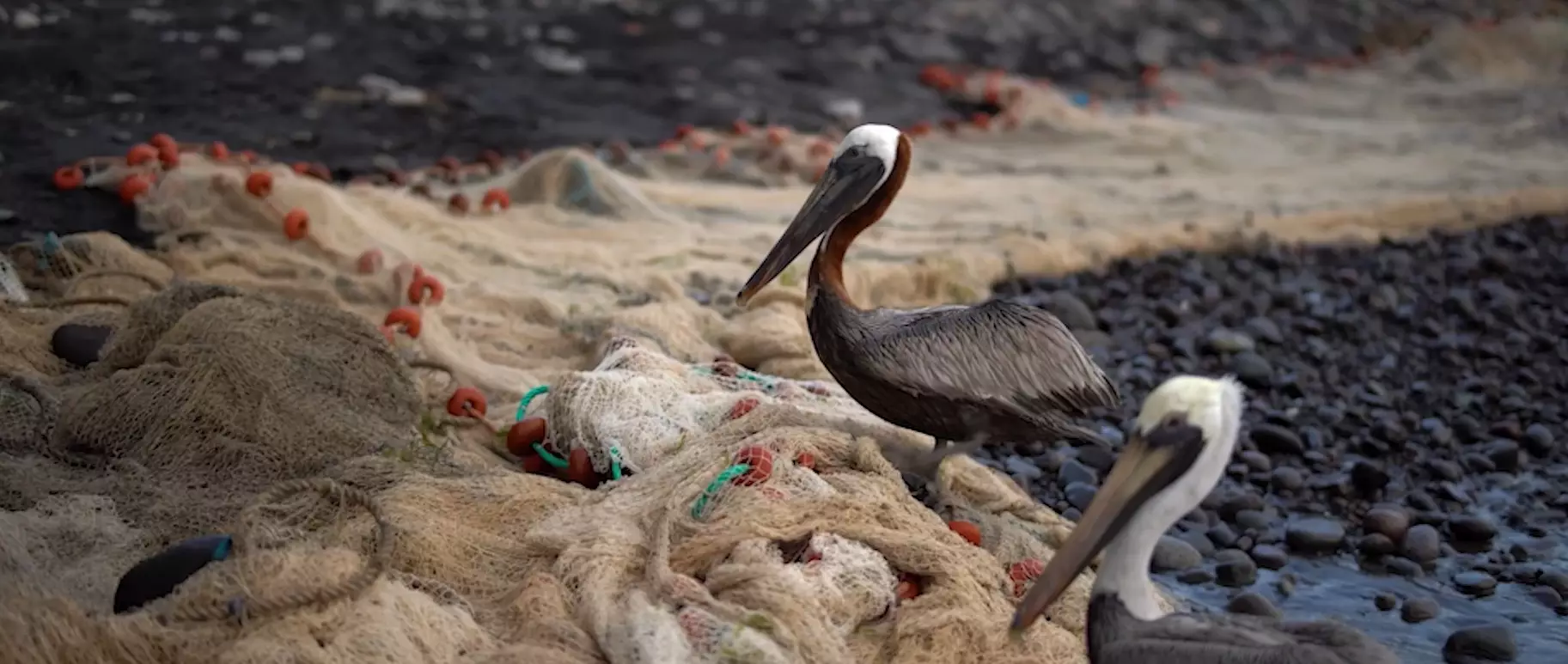
This idea is particularly evident in the sequence showing fishermen pulling the seine net together – a symbolic image of the power of a group acting in unison. It also runs through the demonstrations, the discussions with RPPRAC representatives and the carnival scenes.
Ultimately, the documentary adopts the perspective of a people who refuse to be victimised and who are determined to make their voices heard. More than just a record of a social movement, DOUBOUT OUBIEN MÔ is an invitation to look at Martinique, its history, its culture and its contemporary struggles in a new light.
A socially conscious film that aims to inform, provoke outrage and remind us that collective struggle remains a driving force for change.
Crédits
Technical team
Film director : Solenne Plumelle
Production Manager : Jules Robles
First assistant director : Jules Robles
General Manager : Solenne Plumelle
Assistant Stage Manager : Jules Robles
Catering supervisor : Huguette Gessot
Chief Camerawoman : Cindy Schiavi
Camera operator : Tom Jung
Sound engineer : Jules Robles
Head Editor : Wendy K/Bidi
Assistant editor : Solenne Plumelle
Blender : Thaïs Lefrèvre-Brian
Compositing Artist : Noé Ries
Calibrator : Cindy Schiavi
General Manager : Wendy K/Bidi
Graphic designer for the film’s logo and poster : Tom Jung
Translation and subtitling : Igo Drané, Huguette Gessot, Solenne Plumelle
Original music : Kolo Barst
The Storyteller : Jocelyn Regina
Author of the story : Igo Drané
Composer : Amaëlle