Hosa
INFOS
- thème Fiction
- formation 3rd year
- durée 4.54
SYNOPSIS
As she searches for her identity, 20-year-old Hosa does not expect to be confronted so brutally with her past traumas just as she is preparing to break free from society’s dictates.
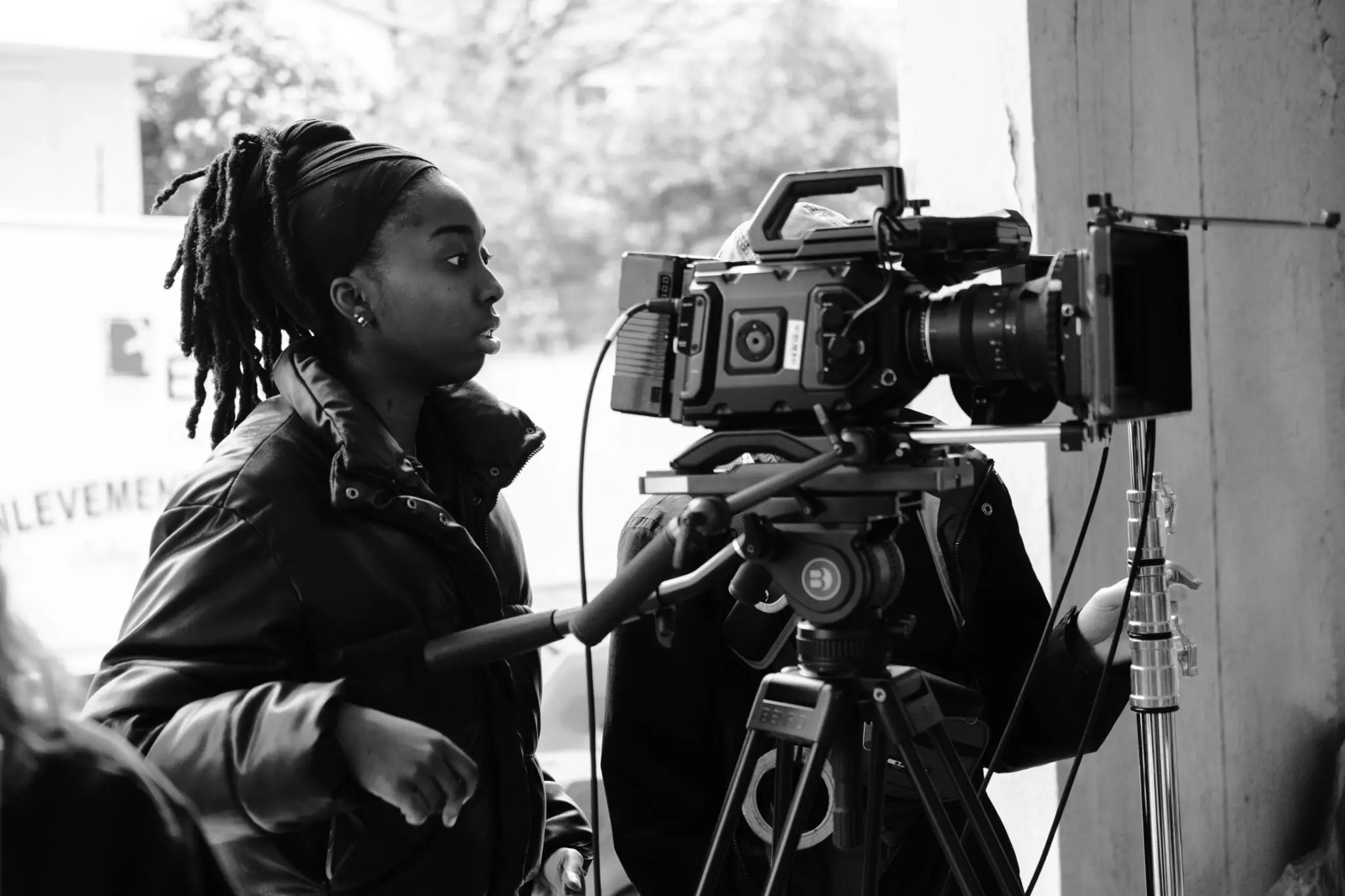
Behind the scenes at Hosa: Bringing the invisible to life
How can we capture buried memories, microaggressions and the wounds we carry without always being able to put a name to them? With *Hosa*, Gerheta Jupiter creates a sensory world where light, sound and slam poetry bring to life the inner world of a young woman searching for her identity.
At the heart of *Hosa* lies a personal need: to tell the stories that are all too often left untold. For Gerheta Jupiter, the relationship with one’s hair is an intimate story, but also a collective one, particularly for Black women. Aesthetic norms, the gaze of others and painful experiences can become ingrained in the body and alter the way a person perceives themselves. The director therefore chooses to begin with a concrete act: cutting straightened hair to restore its natural texture, in order to explore a much deeper psychological reality.
Her intention is not merely to tell the story of a 20-year-old woman’s emancipation. She wishes to reveal what lies behind this desire for freedom: the memories that resurface, the lingering traumas and the difficulty of rebuilding one’s life when the past continues to weigh heavily on the present.
Two spaces to tell a single story
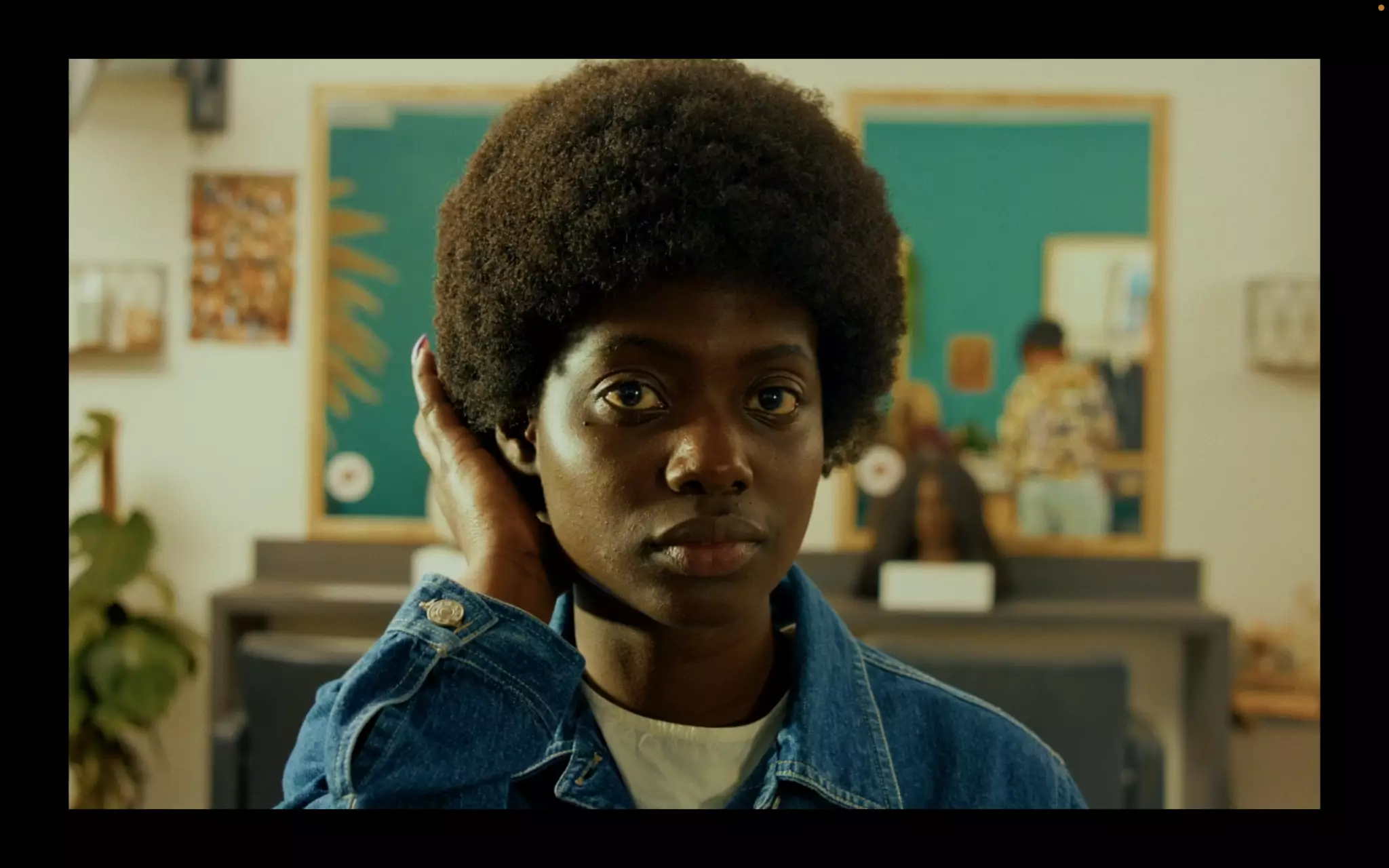
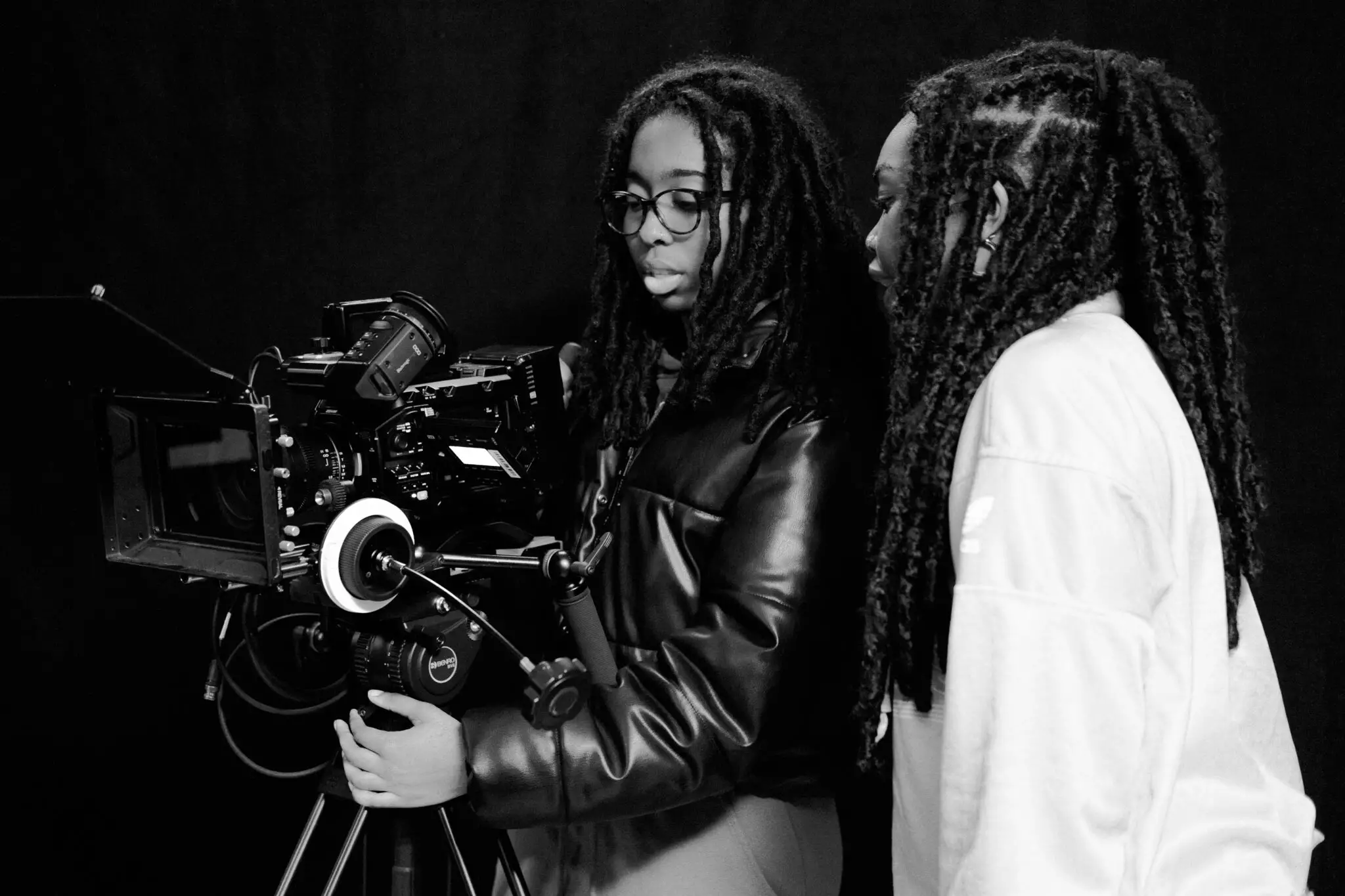
One of the challenges of the direction is to bring together reality and Hosa’s inner world. The hairdressing salon represents an everyday, familiar, almost reassuring space. The camera moves closer to the character, adopting a position intended to be intimate and attentive. It captures moments of vulnerability, hesitation and resistance.
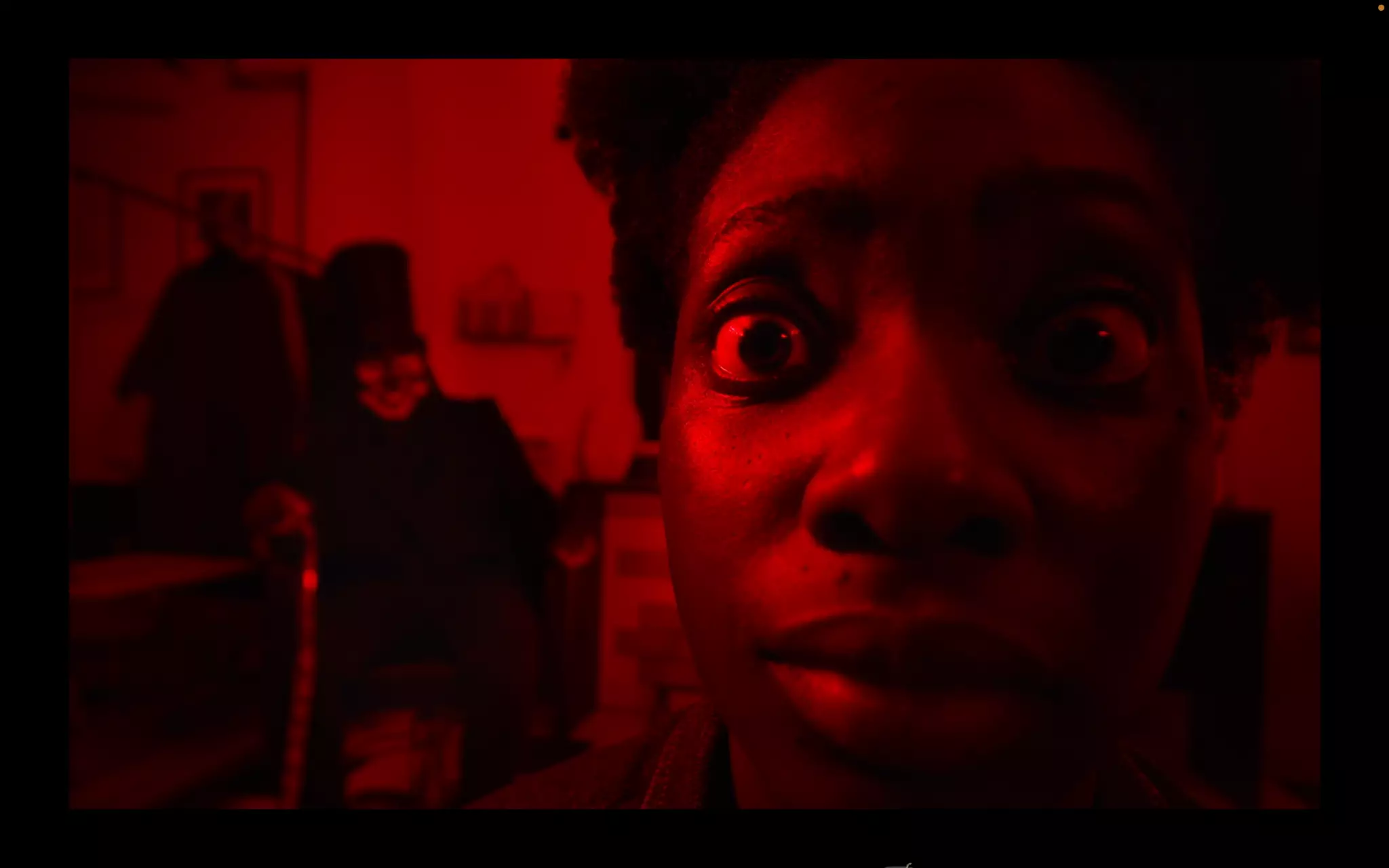
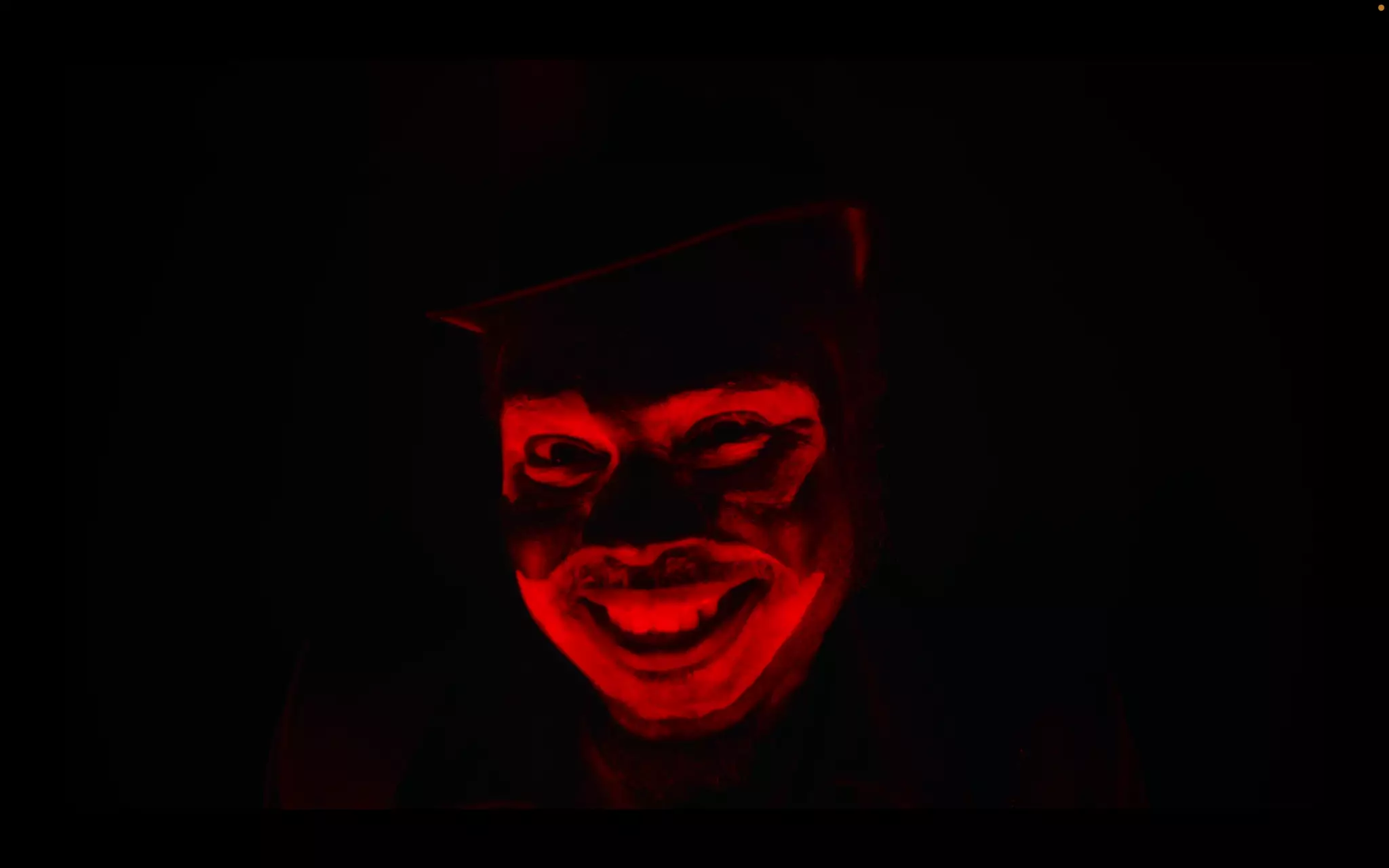
But this reality gradually transforms. Through the interplay of distances, focal lengths and lighting, a second space emerges: that of memories and internalised micro-aggressions. The soft light of the salon is then contrasted with a harsher light, which accentuates the shadows, contrasts and facial features.
This visual contrast reflects the character’s inner turmoil. The dreamlike world is not merely a fantastical interlude: it serves to give tangible form to what the realistic narrative cannot always express. The invisible wounds become a visual experience, a sensation through which the viewer can gain insight into Hosa’s psyche.
Red as an emotional realm
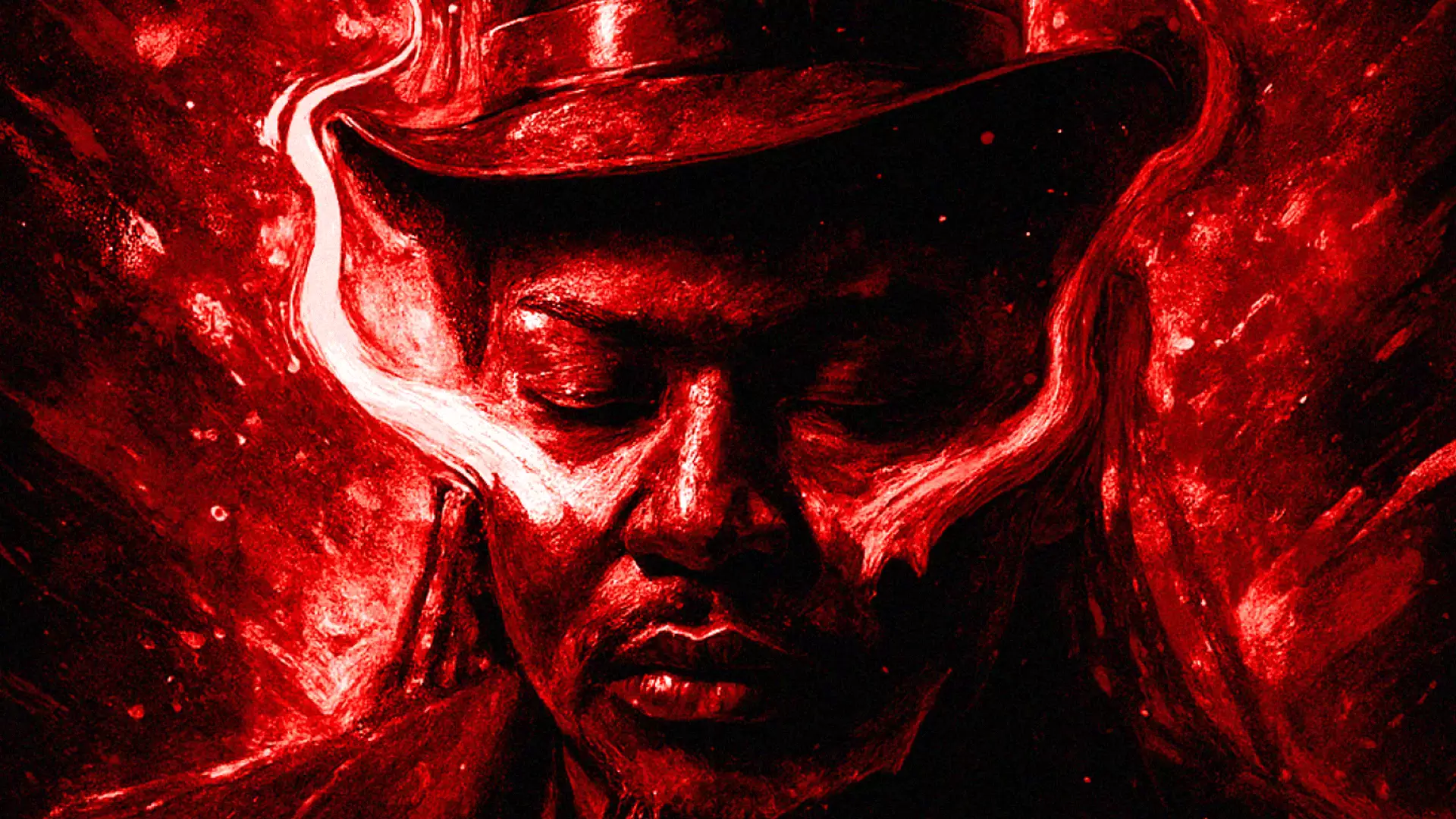
In this inner world, red takes centre stage. Gerheta Jupiter conceives of it as an enveloping colour, capable of evoking warmth, anxiety and vitality all at once. It becomes the realm in which memories resurface unfiltered, a timeless space where pain and the possibility of transformation converge.
The choice of this colour contributes to the film’s sensory identity. The aim is not to illustrate Hosa’s emotions literally, but to create an atmosphere that allows the viewer to experience them. The viewer is thus invited to feel before seeking to understand.
Turning sound and words into a physical experience
Sound design forms another pillar of the artistic approach. The sounds of scissors, combs and the rustling of the salon take on particular significance. Amplified, prolonged or interwoven with heavy silences, they accompany the shifts between reality and the imagination.
The director’s statement also mentions the use of percussion and conch shells, which bring the character back to his inner wounds, his identity crisis and his origins. The music remains discreet, but accompanies the moments when something shifts in Hosa’s life.
Slam poetry completes this framework. Rather than narrating events in a linear fashion, the poetic speech acts as an inner murmur, at times restrained, at times chanted. It weaves through the images, giving them a different rhythm and opening up a space for the expression of buried pain. In this world, words are not merely used to explain: they become a language of the body and the soul.
A reconstruction that leaves everything intact
Through these directorial choices, Gerheta Jupiter aims to create an intimate and immersive experience, capable of moving the audience beyond a mere understanding of the narrative. The film is aimed particularly at Black women, resonating with certain experiences they share relating to hair, social expectations and the passing on of traditions. But it also invites everyone to reflect on their own wounds and their relationship with the norms that shape identities.
The aim is not to impose a single interpretation nor to offer a miraculous cure. Reconstruction remains fragile, uneven and at times painful, but it remains possible.
With *Hosa*, Gerheta Jupiter thus turns cinema into a space where the intimate becomes visible, where sound and poetry give form to the unspeakable, and where a simple gesture involving one’s hair can pave the way for a reappropriation of the self.
Crédits
Technical Team
Camera Operator : Jade Garondo
Director of Photography : Nathan Alendroit
Director : Gerheta Jupiter
First Camera Assistant/DIT : Jade Schneylin
Script Supervisor : Mattéo Weber
First Assistant Director : Mélhyne Flambeau
Second Assistant Director : Mheï Louïsar
Production Manager : Laurie Carron
Key Grip : Anthony Henry
Gaffer : Milena Pourpre
Making an offer : Fabien Sammercelli
Sound Engineer : Nicolas Guichard
Costume Designer : Théo Rouvier
Cast List
Joséphine Hall, Wagne Mame Diarra, Laurence Saint-Louis Augustin, Marcel Camill', Véronique Desserti