Out of frame
INFOS
- thème Fiction
- formation 1st year
- durée 3:25
SYNOPSIS
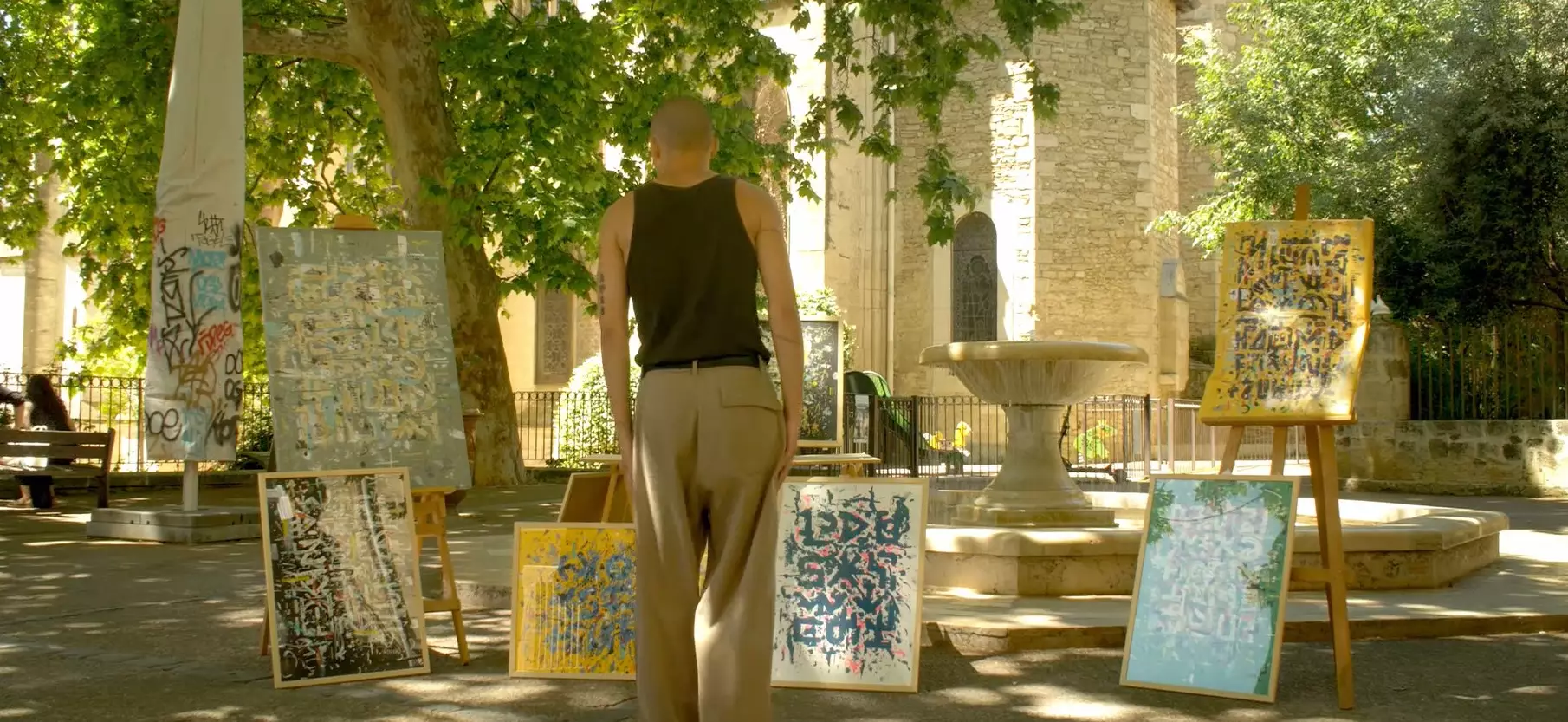
Eliot, a young painter driven by his art, dreams of breaking into a world where trends are more important than sincerity. His hopes are dashed when he is turned down at the last minute for an exhibition by more bankable artists. In a fit of rage, he destroyed the work that was supposed to reveal him, unaware that this radical act would change everything. Freed from the gaze of institutions, he embarked on a rawer, truer artistic quest. When a gallery offered him a second chance, Eliot refused. From then on, he had nothing to prove to that world. The street became his canvas, the city his audience. And in this space without rules, his art finally found its voice.
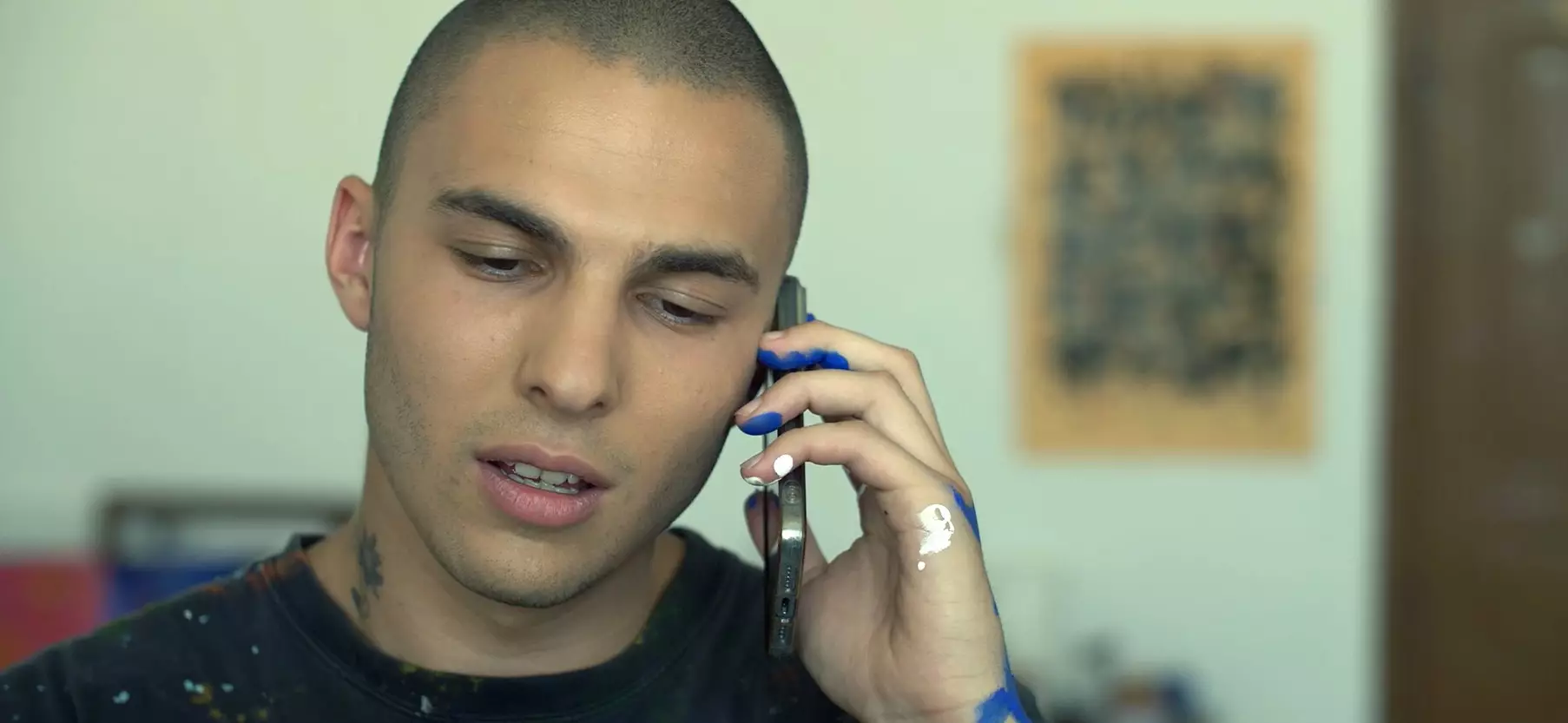
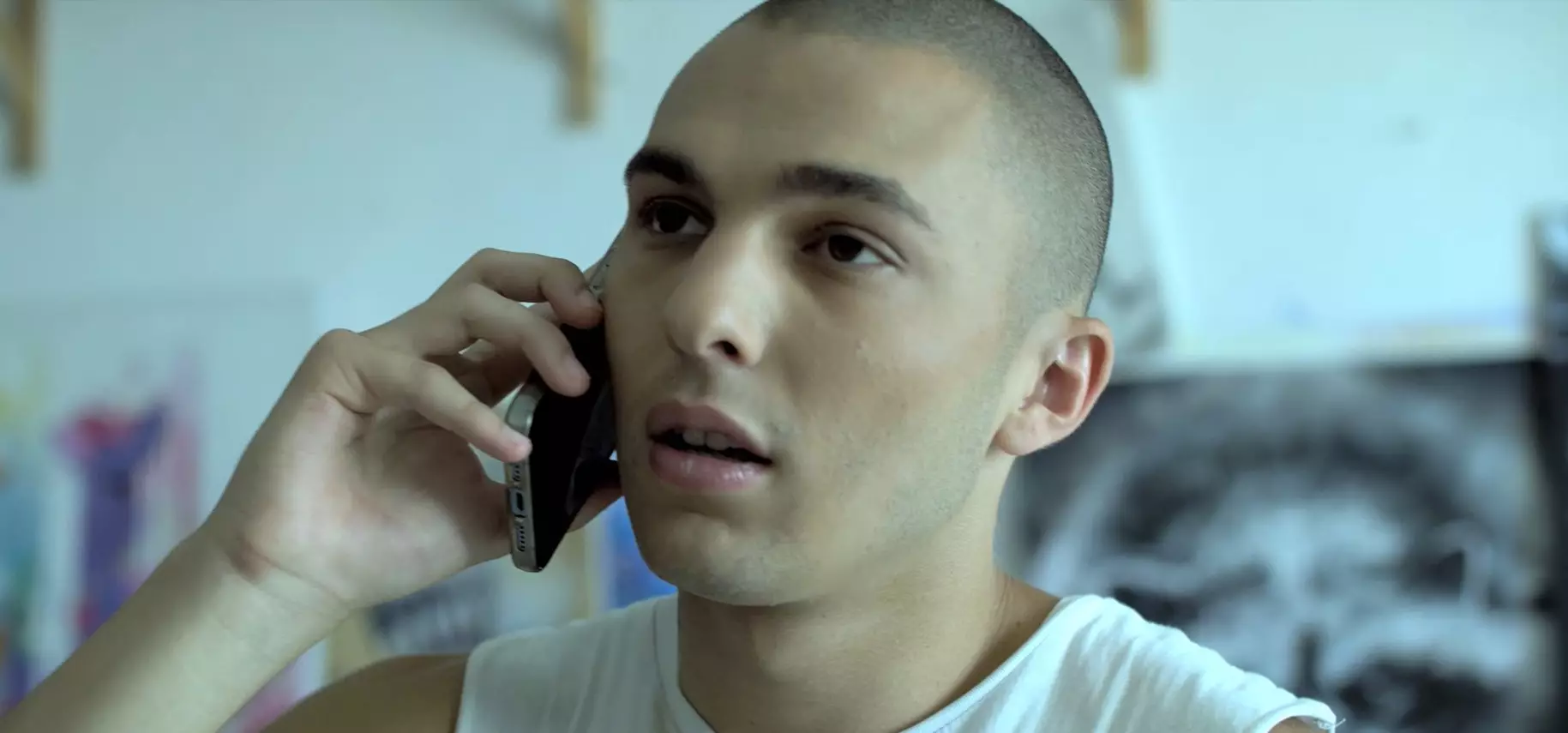
Behind the scenes of the film: A collective production
Hors Cadre is first and foremost a deeply collective effort. From the outset, the project has been part of a dynamic of shared creation, supported by Cinécréatis students. The production, directed by Carla Garcia and Yanis Khelifi, relies on an extended team in which every position, from image and sound to set design and control, plays an active part in the construction of the film.
The artistic choices for ‘Hors cadre’ emerge from constant discussions, tests and adjustments. The film is made as much by these exchanges as by the writing of the script itself. This collaborative approach is evident in the consistency between the directorial intentions and the technical decisions.
Executive work: a constraint turned into a language
The title Hors Cadre immediately gives an aesthetic direction. It structures all the thinking behind the mise en scène by posing a central question: what do we choose to show, and above all, what do we decide to leave out?
The dossier highlights the particular attention paid to the frame layouts, which are designed with great precision. Each camera position is designed to suggest rather than show head-on. This results in partial framing, deliberately unbalanced compositions, off-screen effects and a marked use of empty space in the image.
This approach implies strong constraints. The actors have to adapt their performance to the sometimes restricted spaces in the frame, while the technical teams have to anticipate every element likely to disrupt an intentional out-of-frame effect. What might appear to be a limitation becomes a veritable visual language.
Meticulous technical preparation
The project stands out for the rigour of its preparation. The upstream work, which is particularly detailed, includes a technical and sound breakdown, a complete storyboard, precise shots of the fire, pre-minutage and chronological continuity.
This level of anticipation means that the shoot can be structured efficiently, which is essential for a student short film where resources are limited. Preparation becomes a lever to compensate for these constraints.
The storyboard plays a central role here. It not only serves to visualise the film, but also becomes a tool for coordination between the teams. Each shot is conceived as a clear unit of work, facilitating organisation and communication on the set.
The challenge of location scouting
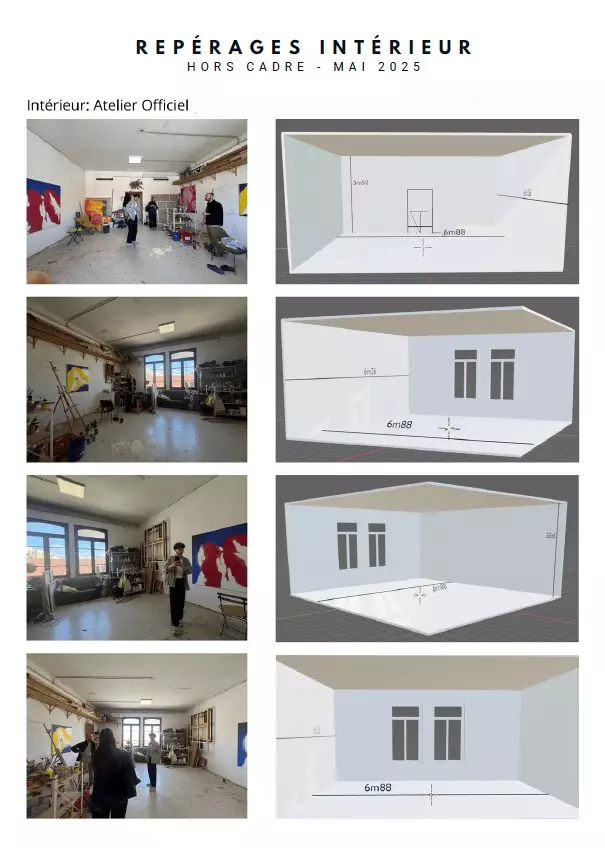
Location scouting, whether indoors or outdoors, is a key stage in the project. The choice of locations is not just a practical imperative, but also an aesthetic and narrative one.
The sets are selected for their ability to offer depth, to create shadowy areas, and to allow significant entrances and exits. In this way, the location becomes a real tool for directing.
But these choices also involve practical constraints. The management of natural light, access conditions, filming permits and the adaptation of the work plan all have a direct influence on the organisation of the shoot and the rhythm of the day.
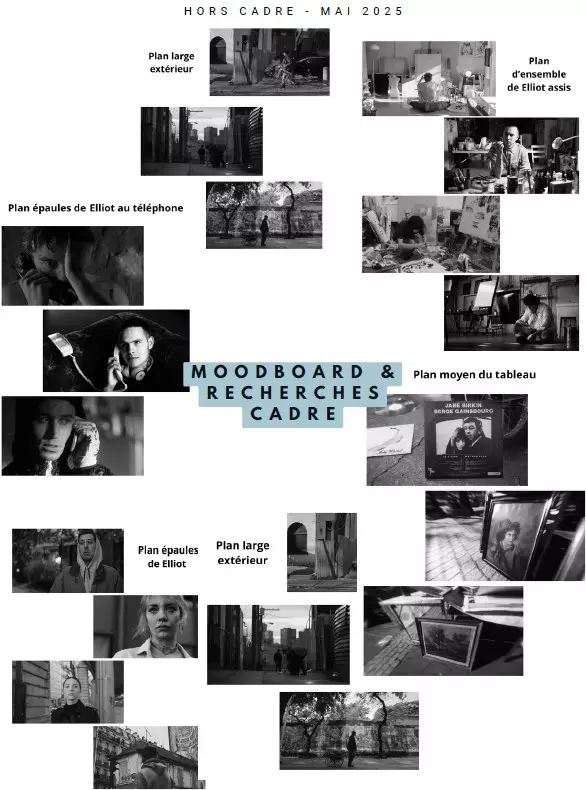
Light as a vector of emotion
The lighting moodboards bear witness to in-depth visual research. Lighting doesn’t just make a scene visible: it plays an active part in the narrative.
Light guides the viewer’s gaze, emphasises off-screen areas, creates visual tension and sometimes accentuates the isolation of characters. The lighting shots reflect this intention through precise technical implementation, requiring close coordination between the cinematographer and the electrical team.
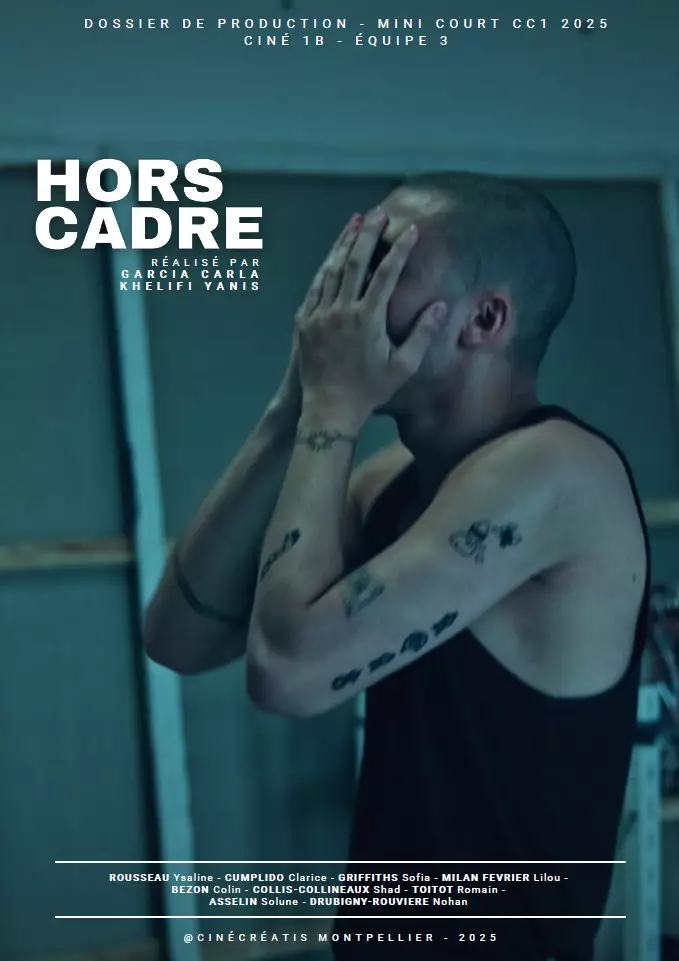
Filming: between rigour and adaptation
The shoot, scheduled over two days, was a fast-paced affair. Such a condensed schedule demands rigorous organisation, with tight schedules, logical sequencing of shots and constant optimisation of travel and equipment.
Despite all this preparation, the set remains a place for the unexpected. The team has to adapt constantly, whether it’s to adjust a frame, change the lighting, solve a technical problem or change the way the actors perform.
It is precisely in this balance between anticipation and adaptation that the film takes shape.
Comprehensive logistics despite limited resources
The technical file reveals an organisation close to that of a professional production. It contains detailed lists of camera, lighting and sound equipment, as well as service sheets and administrative documents.
This structure reflects a desire to get closer to the real conditions of the sector, by making the project part of a concrete, professionalising approach.
A formative experience
As well as being a filmic object, Hors Cadre is a real educational experience. Each member of the team is confronted with the reality of his or her job and the demands of filming.
The project provides an insight into the complexity of a production, the importance of communication, the rigour required in directing and the close link between technical choices and storytelling.
Not to be missed
-
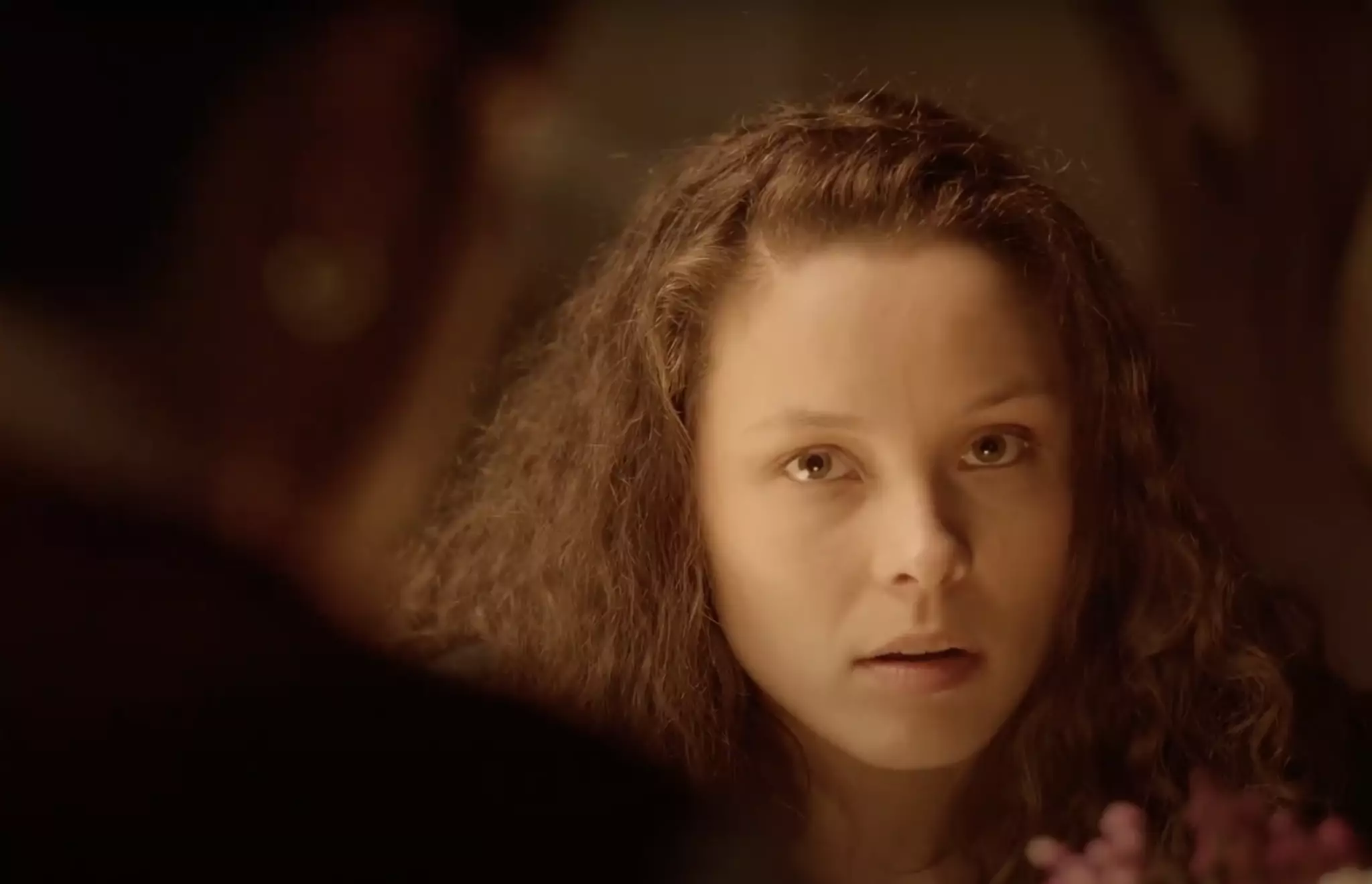
3rd year Promotion 2024
H.O.T.E.L
-
Promotion 2024
The Announcement, or the unexpected virtue of family mourning
-
3rd year Class of 2023
Zerod
-
2nd year Class of 2023
Lavomatik
-
2nd year Class of 2023
Muse
-
3rd year
Crawler
-
3rd year
Hosa
-

3rd year
My shooting star
-

3rd year Class of 2026
French Blood Establishment
-

2nd year Promotion 2025
The Oppenheimer Way
Crédits
Technical team
Production : Carla Garcia & Yanis Khelifi
Ass. production : Clarice Cumplido
Production manager : Ysaline Rousseau
Stage Manager : Sofia Griffiths
Head decorator : Shad Collis-Colineaux
Script : Ysaline Rousseau
Casting director : Carla Garcia
Director of photography : Yanis Khelifi
Cameraman : Lilou Milan-February
OPV Assistant : Solune Asselin
Chief electrician : Colin Begon
Head machinist : Rémi Tropé
Sound engineer : Romain Toitot
Ass. Sound operator : Léo Champion
Fitter : Nohan Drubigny-Rouvière
Artistic list
Lead actor : Esteban Salvador Torres