Between fear and revolt, the price of freedom
Made by 3rd year students at Cinécréatis, this graduation film goes beyond the academic exercise to establish itself as a truly committed work, imbued with political urgency and striking sincerity.
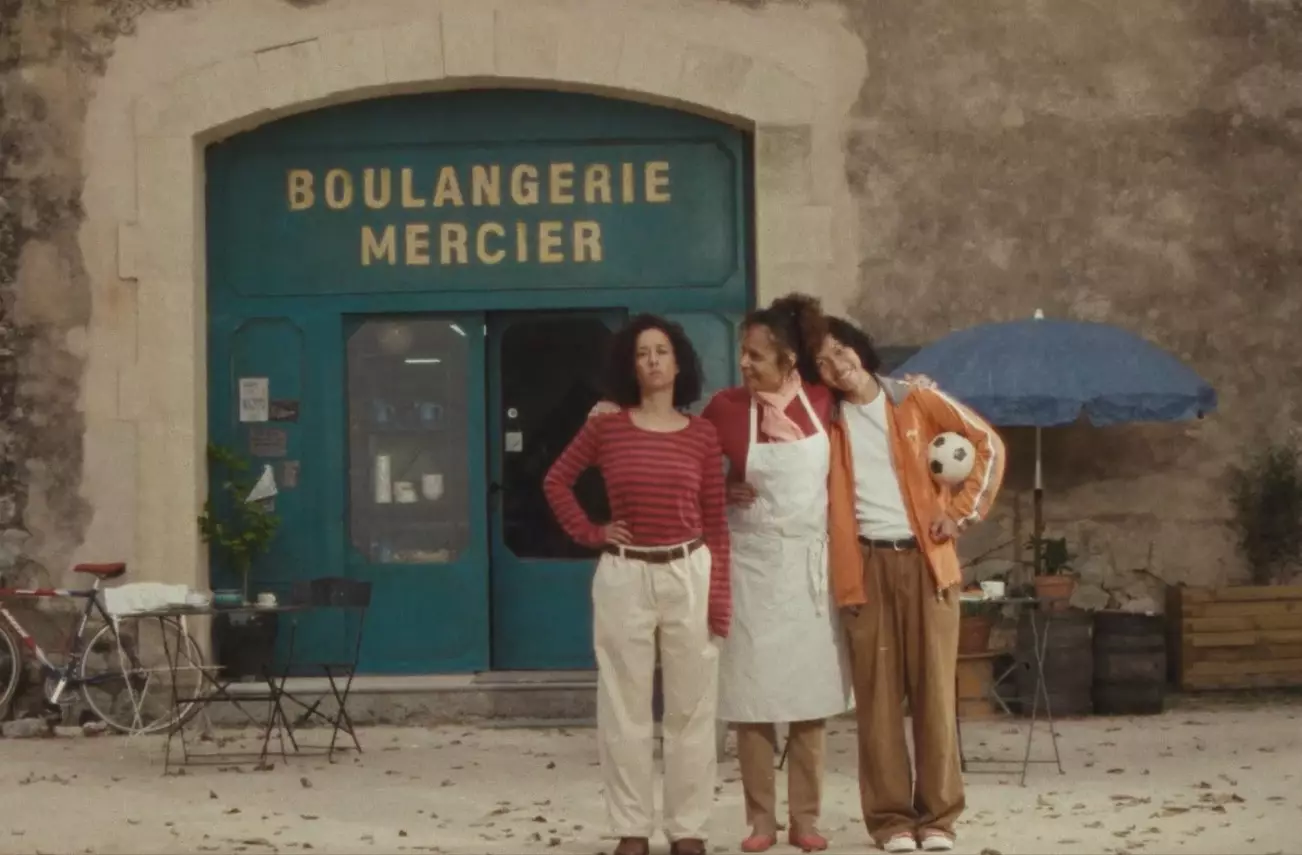
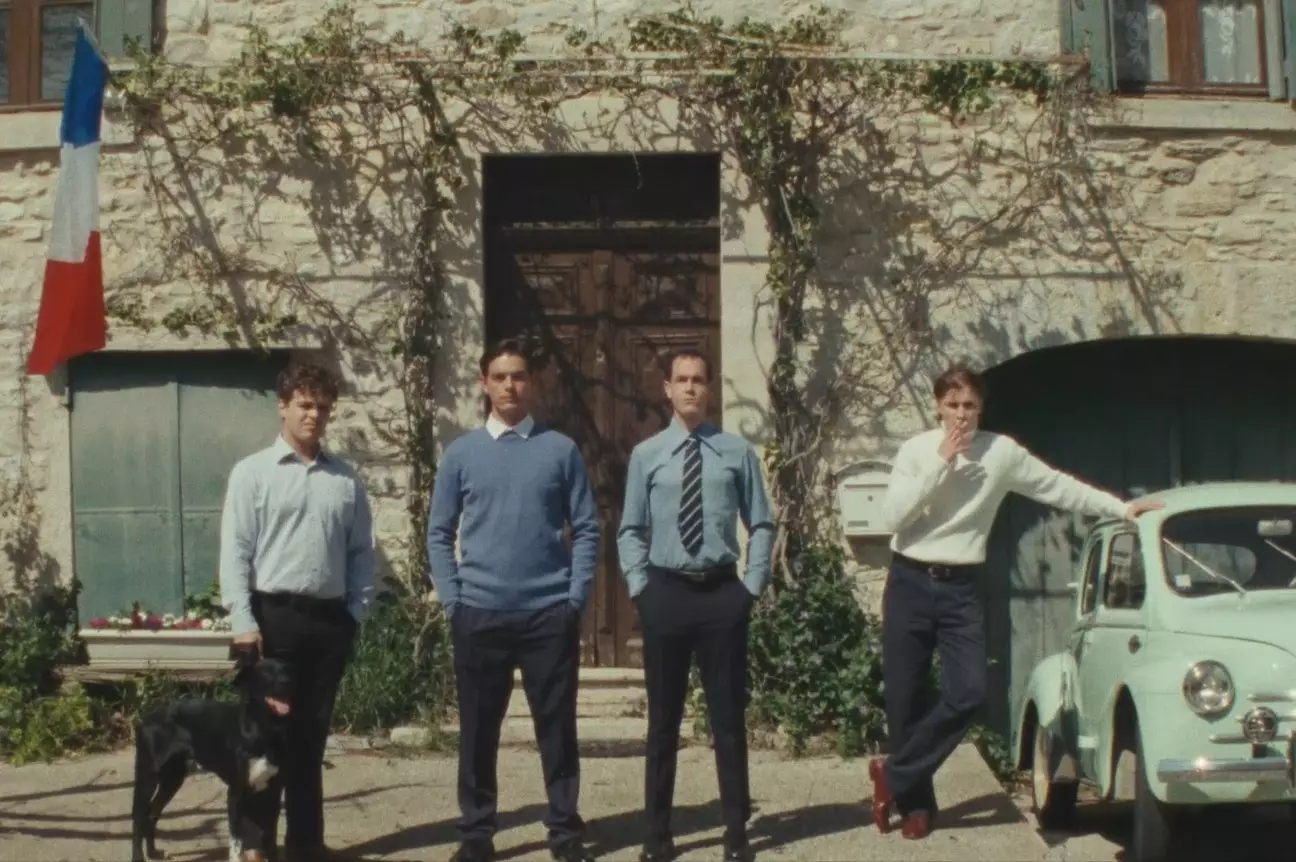
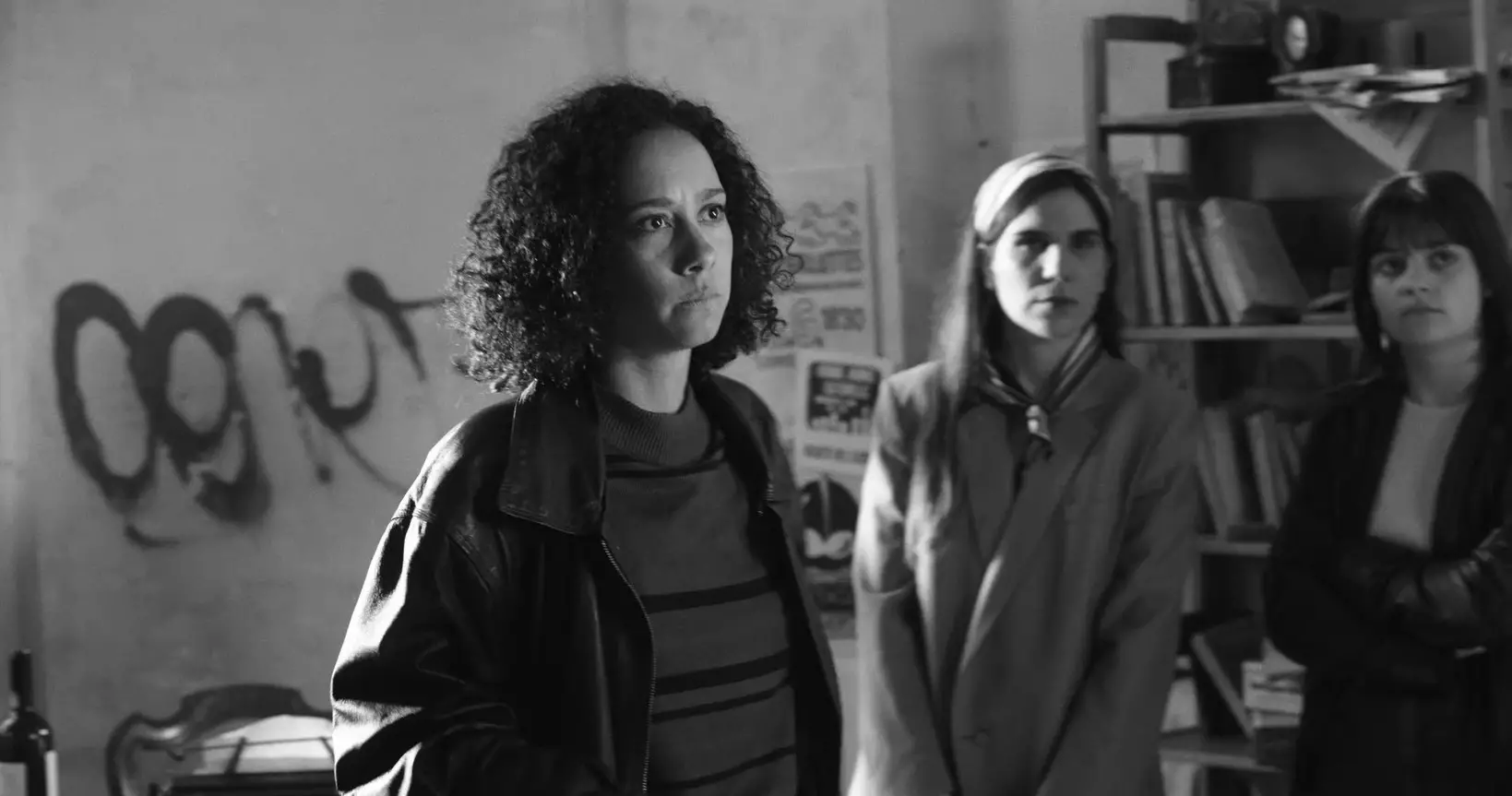
The story plunges us into a fictional France of the 1970s, the day after the election of an authoritarian president. The climate soon becomes tense. Freedoms are curtailed, rhetoric is radicalised and fear takes hold. Against this unstable backdrop, a student assembly meets in an abandoned lecture theatre. It becomes a place for discussion and confrontation, but also a fractured one. Agnès, a committed and determined student, embodies a voice of resistance to the rise of a repressive government. Opposite her, Henri, the Prefect’s son, defends an opposite vision, that of a necessary order, even if it means sacrificing certain freedoms. Between them, Matthias observes, photographs and captures the moment. He is the silent witness to a turning point.
But Manifesto is not just a debate of ideas. Everything changes when Agnès’s mother is arrested by the police in full view of the students. Speech gives way to action, and theoretical tension becomes concrete violence. This scene marks a turning point in the narrative, but also in the viewer’s experience. The film no longer seeks merely to question, it confronts, it disturbs, it forces us to look.
From the 70s to today: the clash of echoes
What makes Manifesto particularly powerful is its ability to create a dialogue between two eras. By choosing the 1970s, a period marked by the aftermath of May 68 and major social struggles, the film evokes a collective memory that is still vivid. Yet it’s hard not to see a direct echo of the present. The rise of extremes, mistrust of institutions, the place of young people in political debate: these are all themes that resonate with disturbing acuity today. The film acts like a mirror held up to our contemporary society.
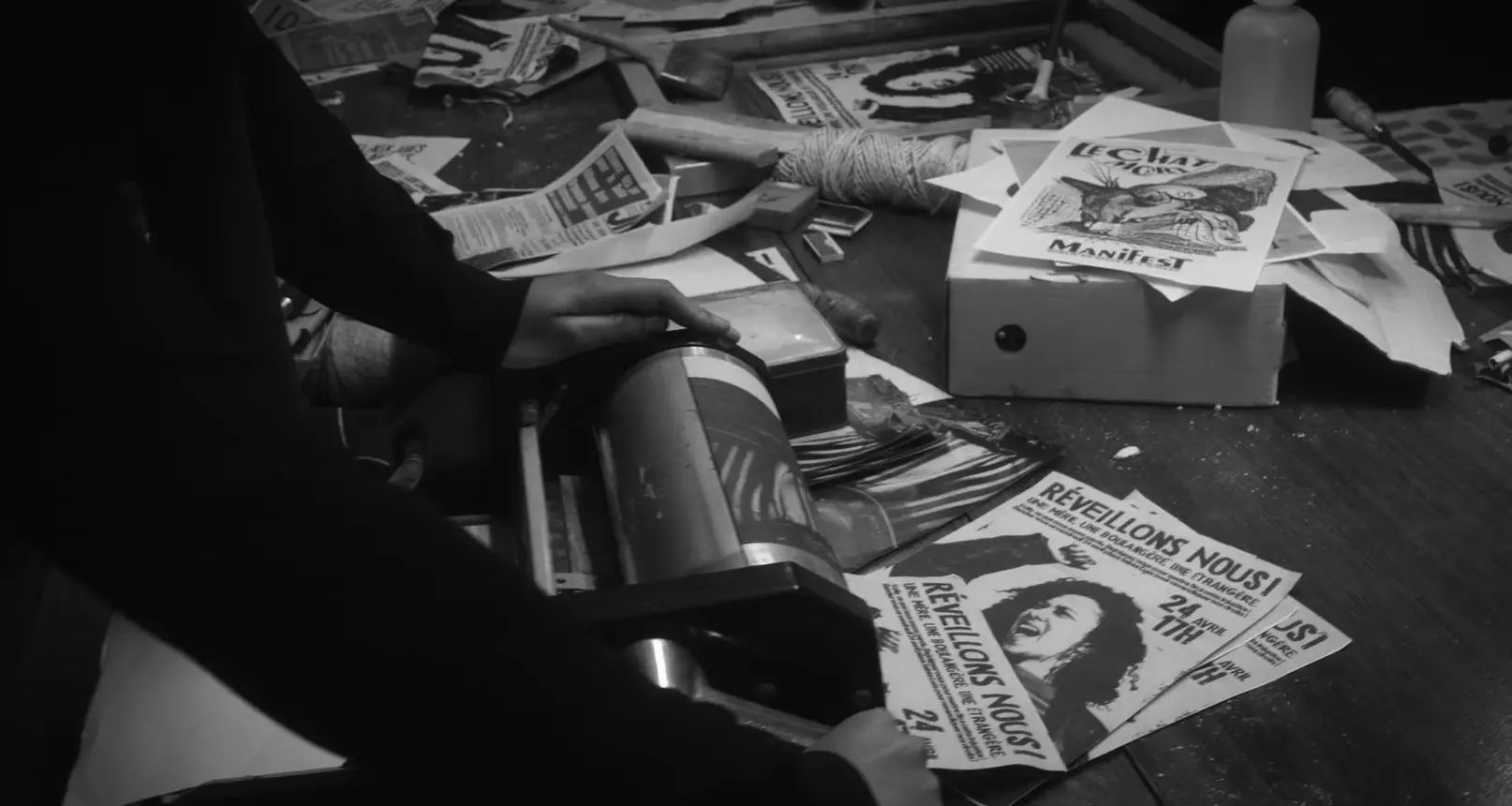
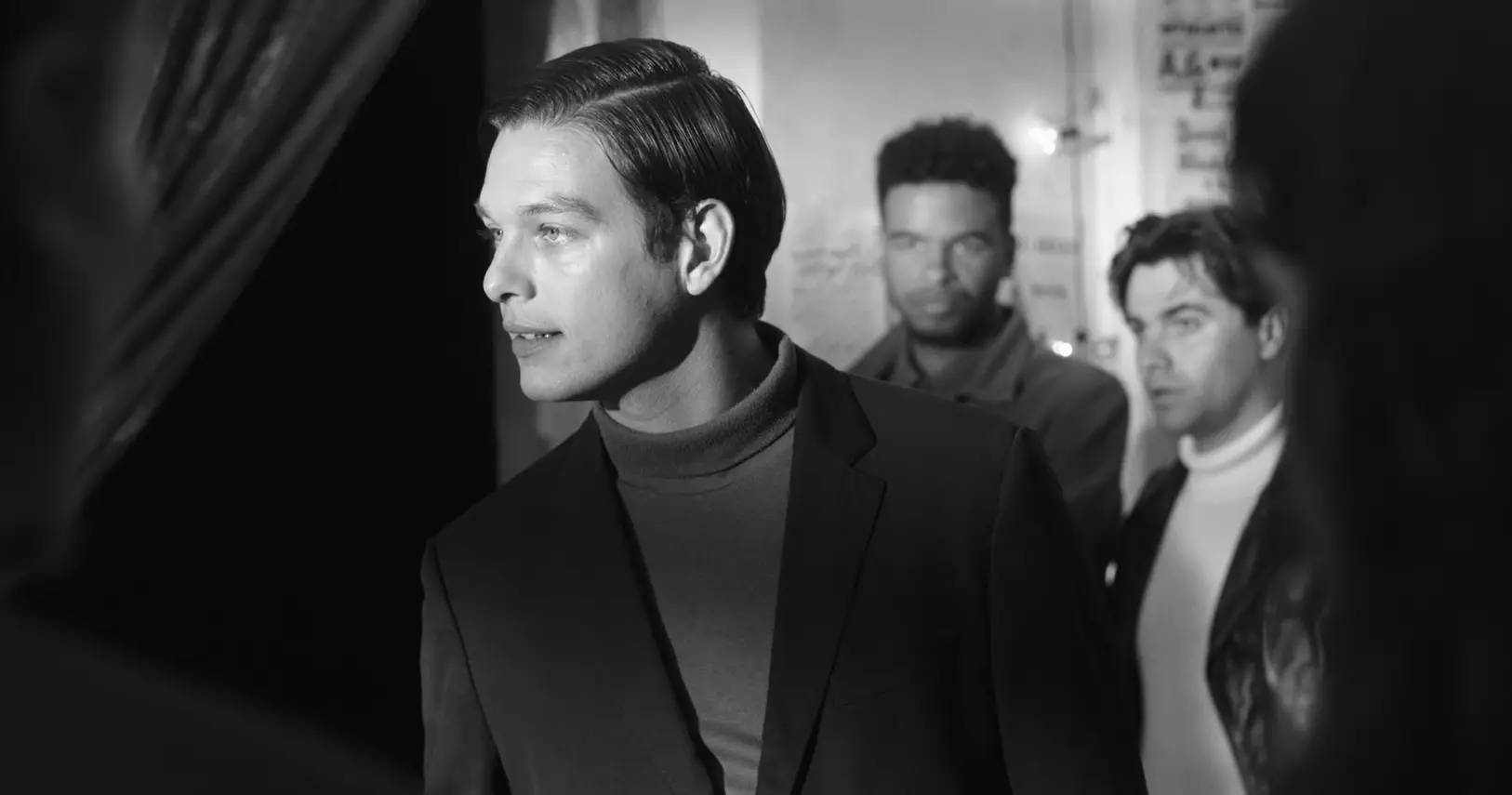
Above and beyond its subject matter, Manifesto stands out for its technical sophistication. The choice of black and white gives the image a timeless, almost documentary quality that reinforces the impression of truth. The direction alternates between long, immersive shots that allow the dialogue and tensions to breathe, and more chaotic, hand-held sequences where the mess literally invades the frame. This visual contrast perfectly accompanies the evolution of the story, moving from a structured space for debate to an explosion of violence and confusion.
Photography plays a central role in the film, both as a narrative tool and as a symbol. Through Matthias’ lens, events take on a historical dimension. Photography becomes an act of resistance, a way of freezing the truth, of bearing witness, of refusing to forget. This motif runs through the whole film, giving it an added depth that is almost reflexive about cinema itself.
When young people speak out
But what is perhaps most striking about Manifesto is the collective energy that emanates from it. You can feel behind every shot, every dialogue, the involvement of an entire team driven by the same desire to tell a story and question the world. It’s not just a film about young people, it’s a film made by young people who are questioning, doubting and outraged.
Watching Manifesto is not simply discovering a graduation project. It’s about experiencing a living, committed cinema that refuses to be neutral. A cinema that reminds us that images have power, that words can trigger movements, and that silence, too, carries weight. At the end, one question lingers, almost inevitably: in the face of injustice, is it still possible to remain a spectator?