Halloween calls for stories that build suspense, eerie houses, hidden monsters and ghosts that you’d rather encounter from the comfort of your sofa. But you still need to choose the right film for the right audience. An evening with fellow horror fans doesn’t require the same intensity as a family viewing, and a spine-chilling classic doesn’t provide the same enjoyment as a comedy full of ghosts.
The best Halloween films aren’t just the scariest ones. This selection brings together twenty titles that have become classics. The first ten are aimed at viewers who want to be scared, with options ranging from paranoid closed-room thrillers to supernatural horror. The next ten focus on adventure, black humour and macabre fantasy to create a genuine Halloween atmosphere without veering into pure terror. The order is not intended to objectively rank these very different films: it is designed to help you plan an evening based on the intensity, style and age of those attending.
Key points
Among the best films for Halloween, *The Thing* offers the most well-rounded balance of suspense, specialeffects and paranoia. *Hereditary* is ideal for viewerslooking for a psychologically gruelling experience, whilst *The Wailing* focuses on mystery.
...
For afamily evening in, *Hocus Pocus*, *Beetlejuice*, *Coraline* and *The Nightmare Before Christmas* combine thrills, humour and gothicfantasy. As children’s sensibilities vary greatly, it is alwaysbest to check the age rating and content before watching.
The 10 besthorror films for Halloween
The Thing
A remote scientific research station in Antarctica, a storm that makes escape almost impossible, and a creature capable of perfectly mimicking living beings: in *The Thing* (1982),John Carpenter sets the stage for a closed-room thriller where no one can trust anyone else. The film combines the clarity of a survival story with a threat whose nature becomes increasingly clear without ever becoming reassuring. Its practical effects give the monster organic transformations that remain gripping, but the real driving force remains doubt. Every silence, every glance and every absence may signal contamination. For Halloween, it’s a thoroughly satisfying choice: spectacular without sacrificing tension, violent without relying solely on shock, and ambiguous enough to fuel discussion long after the credits have rolled.
TheShining
In *The Shining* (1980), Stanley Kubrick transforms a hotel closed for the winter into a mental labyrinth. Jack Torrance moves in with his wife Wendy and their son Danny, intending to write whilst working as the caretaker. Isolation, endless corridors and supernatural signs gradually shatter this promise of tranquillity. The film is impressive not so much for a succession of jump scares as for its ability to make every space feel suspect. The camera glides, follows the characters’ paths and sometimes leaves too much space around them, as if the hotel were waiting for them to get lost within it. Its slow build-up of tension is perfect for an evening spent paying close attention, when you’re in the mood for a chilling, lingering fear, driven by the direction and the breakdown of a family unit.
Alien
Ridley Scott blends science fiction and horror in *Alien* (1979). The crew of the *Nostromo* responds to an unknown signal, only to bring a threat on board that turns the ship into a trap. The industrial setting plays a key role: pipes, steam, machinery and narrow corridors blur the line between the environment and the creature. The film takes the time to establish the routines of a crew of workers before shattering them. This attention to detail makes the characters believable and the panic all the more immediate. *Alien* remains the perfect choice for viewers who enjoy horror built on anticipation, what lies off-screen and the feeling of being trapped. A few images have become iconic, but their power still lies in the precise pacing that builds up to them.
Heredity
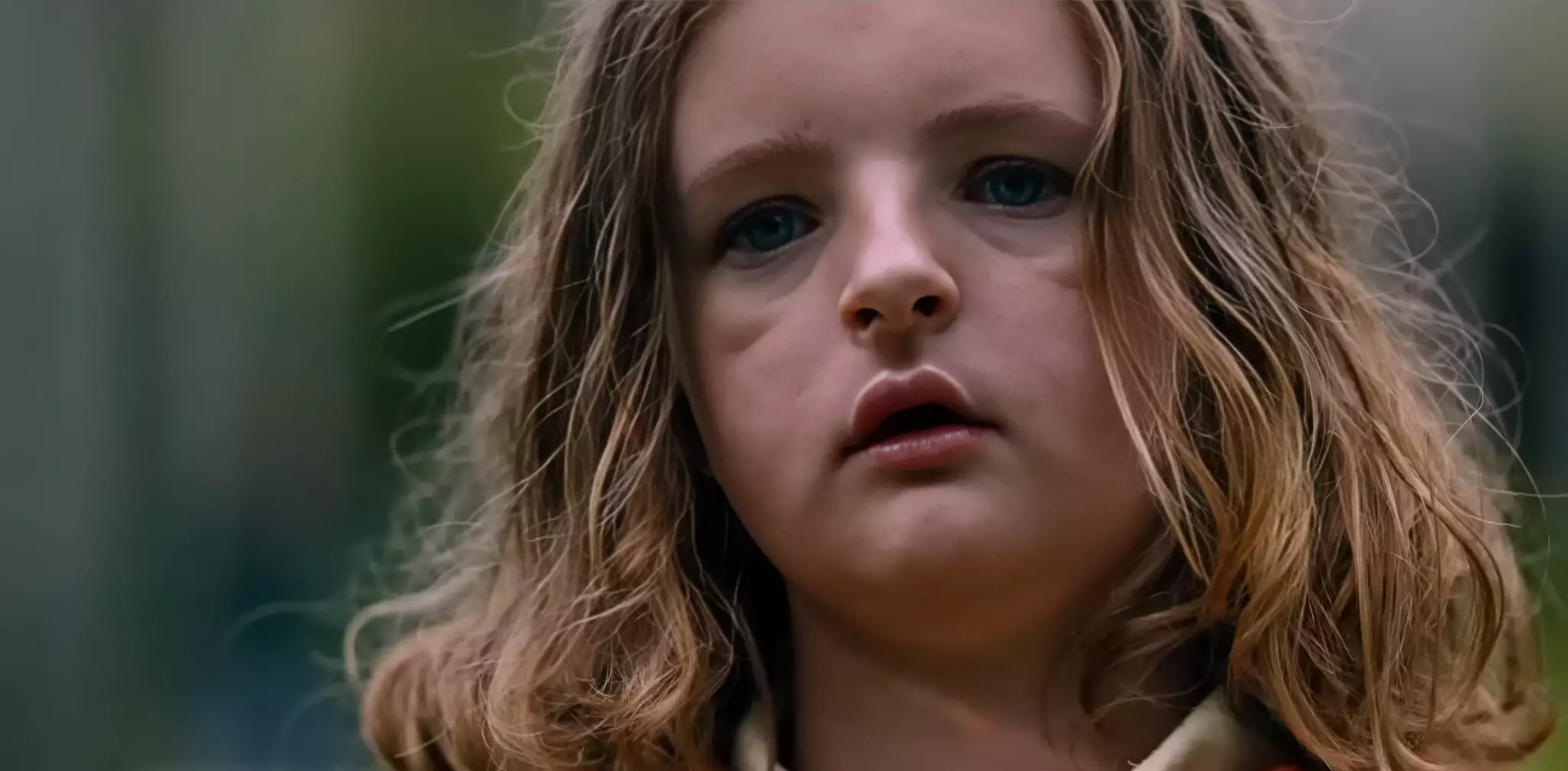
*Hereditary* (2018), Ari Aster’s debut feature film, begins as a family drama following the death of a grandmother. The mourning process brings to light long-standing tensions, secrets and a threat whose nature remains unclear for a long time. The film makes no attempt to give its audience a moment’s respite between scenes of terror. It creates a constant sense of unease within the house, in the silences and even in the miniature models crafted by Annie, the mother. The direction observes the family with such precision that it sometimes gives the impression its members are already trapped within a fixed pattern. This is the most harrowing choice on this list, best suited to a discerning audience. Its emotional intensity and certain very graphic images may weigh more heavily than its supernatural elements.
The Exorcist
With *The Exorcist* (1973), William Friedkin sets a story of possession against a backdrop of everyday life. A mother sees her daughter Regan’s condition deteriorating and initially seeks a medical explanation. Religious intervention comes only after medical tests, doubts and exhaustion, which lends the supernatural a particular gravity. The film pits faith against suffering without treating the exorcism as mere spectacle. Its chilling atmosphere, the length of the scenes and the actors’ performances create a profound sense of unease. Several scenes remain shocking, and the film is not suitable for all audiences. For a Halloween evening devoted to the great classics, however, it remains a must-see: its influence can still be seen in numerous possession stories and in the way they bring horror into the heart of the family.
[REC]
In [REC] (2007), directed by Jaume Balagueró and Paco Plaza, a journalist and her cameraman follow a team of firefighters into a block of flats in Barcelona. A routine call-out turns into a lockdown, whilst the camera becomes the only available viewpoint. The found-footage technique is not merely a stylistic device here. It genuinely limits what the audience can see, forces them to run alongside the characters, and makes every change of direction uncertain. Stairwells, flat doors and landings form a simple layout that becomes increasingly oppressive. Short, tense and almost relentless, [REC] is perfect for a viewing session when you’re looking for immediate suspense. Its final sequence ranks amongst the most harrowing moments in contemporary horror cinema.
The Texas Chain Saw Massacre
Tobe Hooper imbues *The Texas Chain Saw Massacre* (1974)with a starkness that often blurs our memory of it. The film is less overt than its reputation suggests, but its stifling heat, mechanical noises and cluttered setting create an almost physical sense of filth. A group of young people stop off in a rural part of Texas and discover a house where the usual rules no longer apply. Leatherface makes his presence felt through his silhouette, his movements and the clamour of his tool, without any reassuring explanation. The result is brutal, tense and deliberately uncomfortable. For Halloween, this classic is aimed at viewers who are prepared for a jarring experience, far removed from the more light-hearted enjoyment of a traditional slasher film.
The Wailing
Na Hong-jin’s *The Wailing* (2016) begins with a series of violent deaths in a South Korean village. An overwhelmed police officer tries to understand the link between an illness, a recently arrived stranger and the disturbing changes affecting his daughter. The film moves between several genres: crime investigation, black comedy, family drama, ritual and supernatural horror. These shifts do not fragment the narrative; on the contrary, they render every certainty fragile. The characters interpret contradictory signs, and the viewer must decide whom to trust. With its generous running time, *The Wailing* demands the viewer’s full attention but rewards that patience with a remarkable build-up of tension. It’s the perfect choice for an evening when you’re in the mood for a dense mystery, plot twists and a film that continues to unsettle long after it ends.
The Descent
In *The Descent* (2005), Neil Marshall traps a group of female friends in a network of caves they know little about. Even before any threat emerges, the rock, the darkness and the lack of space are enough to instil fear. The film exploits claustrophobia with great precision: the characters crawl, get stuck and lose their bearings, whilst the light from their torches reveals only a small part of the setting. Personal tensions within the group further complicate their chances of survival. By the time the nature of the danger changes, the underground setting has already put the audience on high alert. *The Descent* is ideal for fans of physical horror and sustained suspense. However, it may be particularly difficult for those who are sensitive to confined spaces or scenes of injury.
Halloween: The Night of the Masks
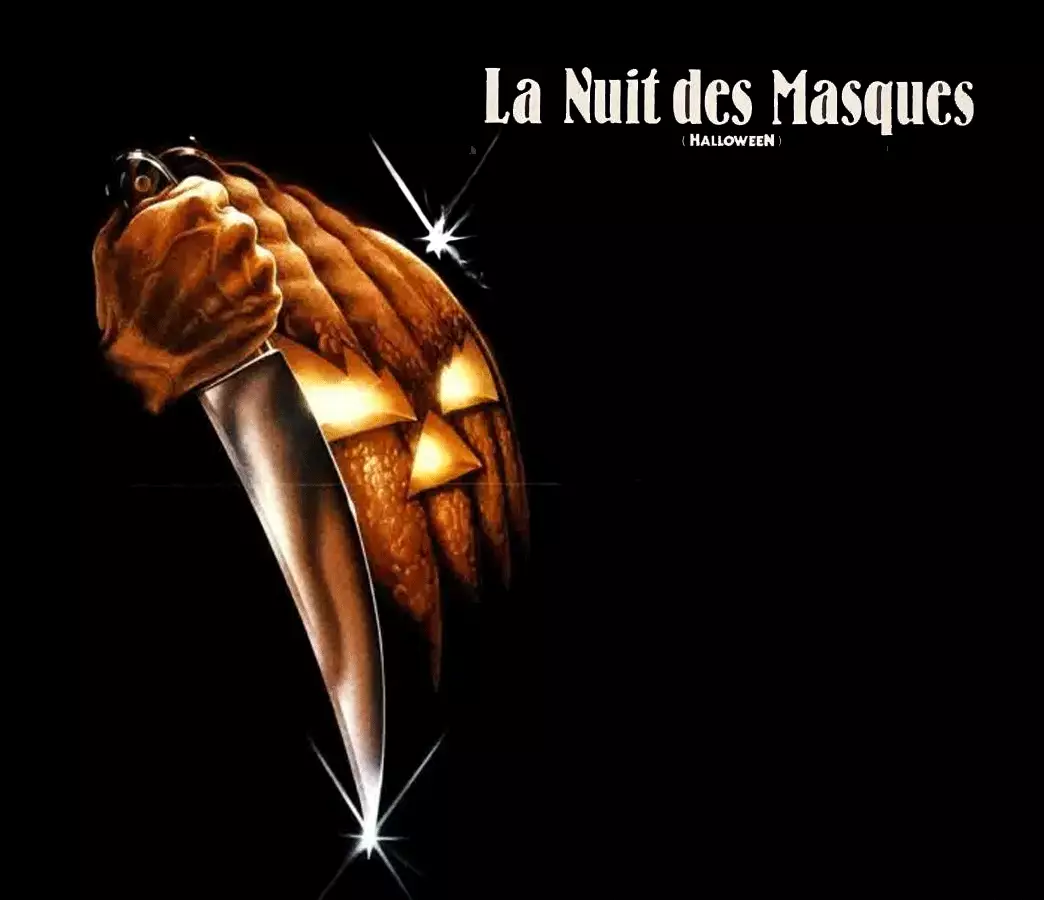
Halloween: The Night of the Masks (1978) seems to have been made for a night out on 31 October. John Carpenter follows Laurie Strode to a small American town where Michael Myers returns after years of confinement. The film draws much of its power from its simplicity: a silhouette in the background, a quiet street, a few notes from a synthesiser and the certainty of being watched. Michael sometimes appears before the characters notice him, transforming the everyday setting into a surveillance zone. The pace remains measured, allowing the tension to build before the chase begins. This classic is the best choice for recapturing the traditional Halloween atmosphere, complete with pumpkins, fancy dress, suburban houses and a masked menace that has become inextricably linked to the festival.
The 10 bestHalloween films to watch with the family
Not all family Halloween films are suitable for the same age group. Coraline and Monster House may frighten young children, whilst the humour in Beetlejuice or The Addams Family contains references intended for adults. Choosing the right film depends on the group’s sensitivity. Briefly explaining the tone of the film and leaving the option to stop it is often more helpful than applying a rigid age rule without any flexibility.
Hocus Pocus: The Three Witches
Three witches executed in Salem come back to life on Halloween night: *Hocus Pocus* (1993), directed by Kenny Ortega, quickly embraces the sheer fun of the spectacle. Bette Midler, Sarah Jessica Parker and Kathy Najimy form an over-the-top, funny and just-menacing-enough trio to keep the adventure going. The film weaves together spells, broomsticks, a graveyard, a black cat and chases through a town decked out in decorations. Its energy and humour make it an excellent way to kick off the evening, particularly for a mixed-age group. A few scenes may frighten the youngest viewers, but the tone remains that of a fantasy comedy. It is the film that most directly captures the visual and festive folklore of Halloween.
Corpse Bride
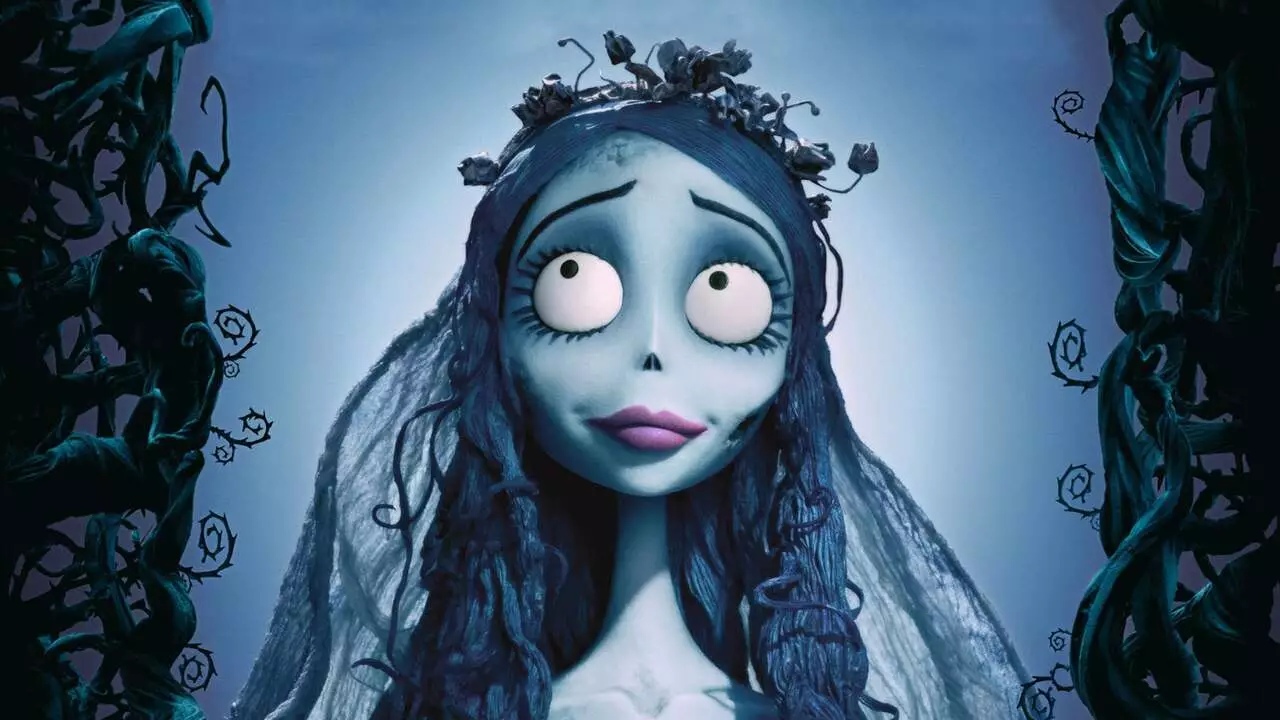
Directed by Tim Burton and Mike Johnson, Corpse Bride (2005) tells the story of how Victor, betrothed to Victoria, accidentally finds himself married to Emily, a young dead woman. Stop-motion animation lends the world of the dead a tangible quality, with slender silhouettes, expressive faces and an instantly recognisable Gothic elegance. The film subverts expectations: the world of the living seems grey and stifling, whilst that of the dead is brimming with movement and music. This macabre tenderness allows the film to explore loss, loyalty and choice without sacrificing humour. For Halloween, it’s a poetic, short and visually rich option, ideal for families looking for a romantic story with a touch of the fantastical rather than a genuinely scary film.
The Addams Family
In *The Addams Family* (1991), Barry Sonnenfeld presents a family that treats the macabre as a form of etiquette. Gomez, Morticia, Wednesday and Pugsley live in a mansion full of traps, but the story portrays them as a close-knit family rather than monsters. The humour stems from this reversal: the Addams family find charming what would unsettle their neighbours and view normality with genuine bewilderment. The plot revolving around the return of Uncle Fester adds a tale of deception and inheritance, without weighing down the pace. The film goes down well with teenagers and adults alike thanks to its dialogue, black humour and sets. It offers a lasting Halloween atmosphere without seeking to create genuinely terrifying scenes.
Beetlejuice
Beetlejuice (1988) follows a recently deceased couple who discover they must share their house with new owners. Unable to make them leave, the two ghosts call upon Beetlejuice, a specialist who is as effective as he is uncontrollable. Tim Burton blends haunted-house settings, the bureaucracy of the afterlife, handcrafted special effects and absurd humour. The film retains a delightful visual freedom: scale models, distorted creatures and bold colours make death look like a bizarre playground. Certain jokes and the main character’s behaviour mean the film is better suited to pre-teens and adults than to very young children. For a slightly offbeat family night in, it remains an excellent blend of comedy, fantasy and thrills.
Monster House
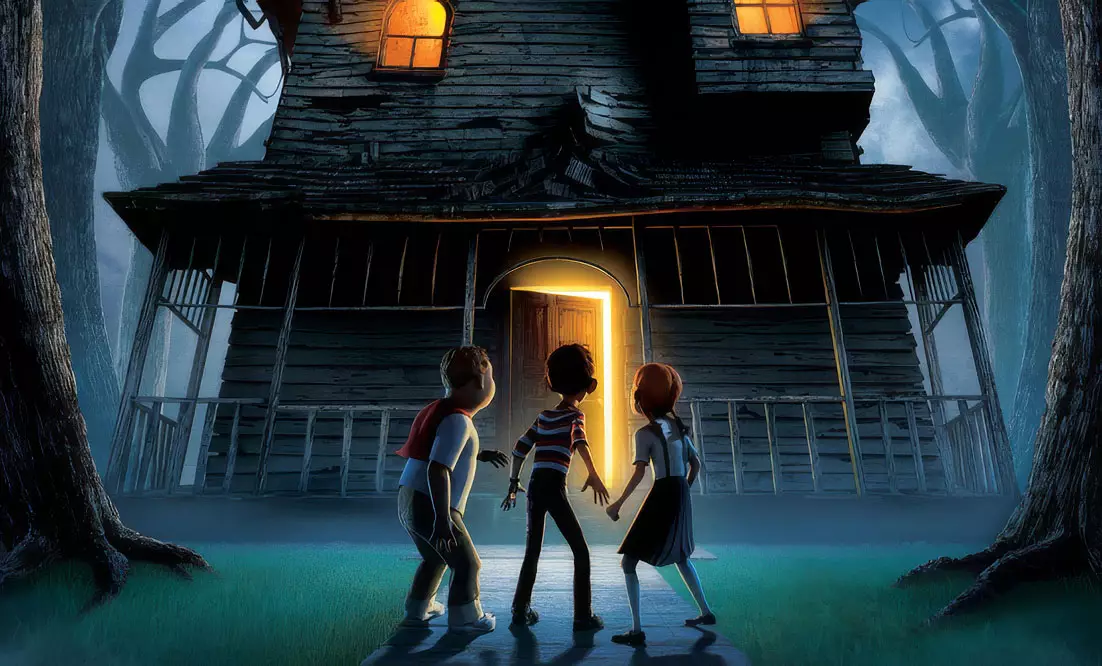
In *Monster House* (2006), three children suspect that the house opposite theirs is alive. The film takes their perspective seriously: the adults play down the danger, whilst the façade, windows and front door gradually transform the building into a face. This simple idea turns the setting into the real monster. Motion capture and animation emphasise the characters’ slightly surreal movements, which adds to the atmosphere. The film remains accessible, but several scenes may be intense for a young audience, especially when the house starts to attack. *Monster House* is well suited to children who already enjoy a bit of a thrill, as well as to adults who appreciate stories where friendship and curiosity help to confront a very real fear.
The Nightmare Before Christmas
Jack Skellington reigns over Halloween Town, but grows tired of organising the same festival year after year. When he discovers Christmas, he decides to organise it his own way. The Nightmare Before Christmas (1993), directed by Henry Selick from a story by Tim Burton, is as much a musical as it is a gothic tale. The stop-motion animation lends a striking presence to the sets, costumes and the impossible physiques of its inhabitants. The songs make the world instantly memorable and ensure that even the darkest scenes retain a playful energy. This film is an almost obvious choice in the autumn, and again in December. It’s ideal for families who enjoy macabre creatures when they’re presented with whimsy, tenderness and humour.
Ghostbusters
Ghostbusters (1984) combines an ensemble comedy with a supernatural invasion story. Three researchers set up a business in New York specialising in ghost-hunting, only to find themselves facing a threat far greater than anything they’ve encountered before. The fun comes as much from the dialogue and the characters as from the apparitions: a haunted library, creatures, portals and a marshmallow giant make up an instantly recognisable fantasy world. The special effects have the distinct charm of 1980s fantasy cinema, which today enhances the film’s festive atmosphere. A few scenes may startle younger viewers, but the film focuses on adventure and humour. For Halloween, it offers a film perfect for a group viewing, with enough ghosts to fit the theme and enough comedy to keep the tone light-hearted.
Coraline
In *Coraline* (2009), directed by Henry Selick, a young girl is bored in her new home until a small door grants her access to a parallel world. At first, everything there seems more welcoming, but the inhabitants have buttons for eyes and the Other Mother’s attention soon becomes unsettling. The stop-motion animation makes this world look alluring and tangible, then alters its proportions and colours as the trap closes in. The film explores the desire for a more perfect life, independence, and the courage needed to see what lies behind a promise that seems too good to be true. Coraline is magnificent, but genuinely unnerving at times. It is best suited to children who already enjoy dark fairy tales and are able to discuss the film afterwards.
Casper
Brad Silberling’s *Casper* (1995) sees a teenage girl and her father move into a mansion inhabited by four ghosts. Casper is looking for a friend, whilst his three uncles prefer to scare visitors and cause mischief. The film uses the conventions of the haunted house genre to tell a story of loneliness, grief and friendship. The apparitions are spectacular but rarely threatening, and the humour quickly defuses most of the scares. A few more melancholic moments lend the story a depth that its reputation as a family comedy doesn’t always suggest. Whether for a young audience or a night of nostalgia, Casper offers a gentle introduction to Halloween cinema: ghosts, secret passages and a grand mansion are all present, but emotion remains at the heart of the story.
Wallace and Gromit: The Curse of the Were-Rabbit
In Wallace and Gromit: The Curse of the Were-Rabbit (2005), the duo protect a village’s vegetable gardens ahead of a major vegetable competition. However, an experiment designed to control the rabbits’ appetites causes a gigantic creature to appear. The film playfully draws on the tropes of werewolf stories: full moon nights, transformations, a worried crowd and a hunter convinced he is the only one who can save the day. The plasticine animation lends a warm, handcrafted feel, whilst the visual gags make every setting a joy to explore. The suspense remains suitable for a family audience and the humour works on several levels. It’s the light-heartedest choice in the selection, perfect for rounding off an evening with action, ingenuity and a monster who, in the end, is very endearing.
Which Halloween film should you choose, depending on what you fancy?
The best balance between quality and horror
Our pick: *The Thing*. John Carpenter’s film brings together almost everything you could hope for from a Halloween evening for fans of the genre. The setting immediately isolates the characters, the threat operates according to a clear yet elusive set of rules, and the practical effects give each transformation its own distinct identity. Above all, the film doesn’t rely solely on its creatures. Paranoia takes hold of the group, alters the dialogue and makes every character a potential threat. This blend appeals to those drawn to suspense, science fiction, body horror and survival stories. Viewers must be prepared for graphic imagery, but the tension is never reduced to the violence depicted. It’s a solid choice for groups looking for a challenging, accessible and consistently effective classic.
The most psychologically taxing
Choice: Hereditary. Ari Aster first makes you feel the weight of grief, unspoken truths and family wounds before revealing the supernatural dimension of his story. This progression makes the film difficult to shake off once the screening is over. The fear stems not only from the imagery, but also from the conversations, the glances and the sense that the characters can no longer connect with one another. *Hereditary* therefore requires a discerning and engaged audience. It is not the best choice for a noisy party or for viewers looking to have a laugh with friends. It is, however, ideal for a focused viewing in a quiet room, when you are seeking a film that truly makes you feel uneasy and whose interpretation can lead to further discussion.
A mysterious story full of twists
Choice: The Wailing. Na Hong-jin’s film presents a multitude of leads without immediately giving the audience a reliable way to prioritise them. Illness, superstition, ritual, rumour and a malevolent presence intertwine around a police officer whose decisions become increasingly personal. The enjoyment comes as much from the investigation as from the fear. Each revelation prompts a re-examination of previous clues, and certain characters take on different roles depending on the interpretation one adopts. Its length requires a bit of organisation, but it allows the village, the relationships and the doubt to take on real depth. For Halloween, this is the ideal choice if the group wants to be surprised, come up with theories and continue to discuss their interpretations long after the credits have rolled.
The traditional Halloween atmosphere
Choice: Halloween (1978). Few films link their suspense so directly to the night of 31 October. Children wander about in fancy dress, jack-o’-lanterns light up the houses, and the suburban streets seem quiet enough for even the slightest silhouette to become unsettling. John Carpenter transforms this familiarity into a threat through Michael Myers’s presence in the frame and an instantly recognisable score. The film remains more restrained than many of the slasher films that followed it. This restraint makes it easy to slot into the middle of a film marathon: it sets the mood without wearing the audience out with an overload of special effects. To round off the screening on a lighter note, you could pair it with *Hocus Pocus* or *The Nightmare Before Christmas*.
Ultimately, the best programme depends less on an absolute ranking than on the experience you’re aiming for. A single, intense film may be enough for an evening, whilst a double bill allows you to alternate the tones. Pairing a very dark film with a fantasy comedy avoids monotony and gives everyone a point of entry. Whichever option you choose, letting people know the level of intensity and taking sensitivities into account remains the best way to make Halloween a shared pleasure.