A good opening scene does more than simply kick off a film. It establishes a world, sets the tone, introduces a conflict, or creates a tension that will stay with the viewer throughout.
Some openings have become almost as famous as the films themselves. In just a few minutes, they encapsulate a director’s vision, a mood, and sometimes even an entire cinematic philosophy.
Here is a selection of the best opening scenes in film – those that immediately capture the viewer’s attention and linger in the memory long after the end credits have rolled.
Why is an opening scene so important?
The first few minutes of a film are crucial. They establish a contract with the viewer. The film sets the tone for what it will be: a tense thriller, a spectacular epic, a fast-paced comedy, an intimate drama or a visual experience.
A successful opening scene can serve several purposes. It can introduce a character, set out the stakes, establish a threat, evoke an immediate emotion or simply assert a style. In some cases, it explains almost nothing, but it makes you want to find out what happens next.
This is often where great directors demonstrate their mastery. In just a few shots, they can establish a period, a tension, a musical score or a rhythm. The viewer doesn’t yet have all the information, but they already know they’re in good hands.
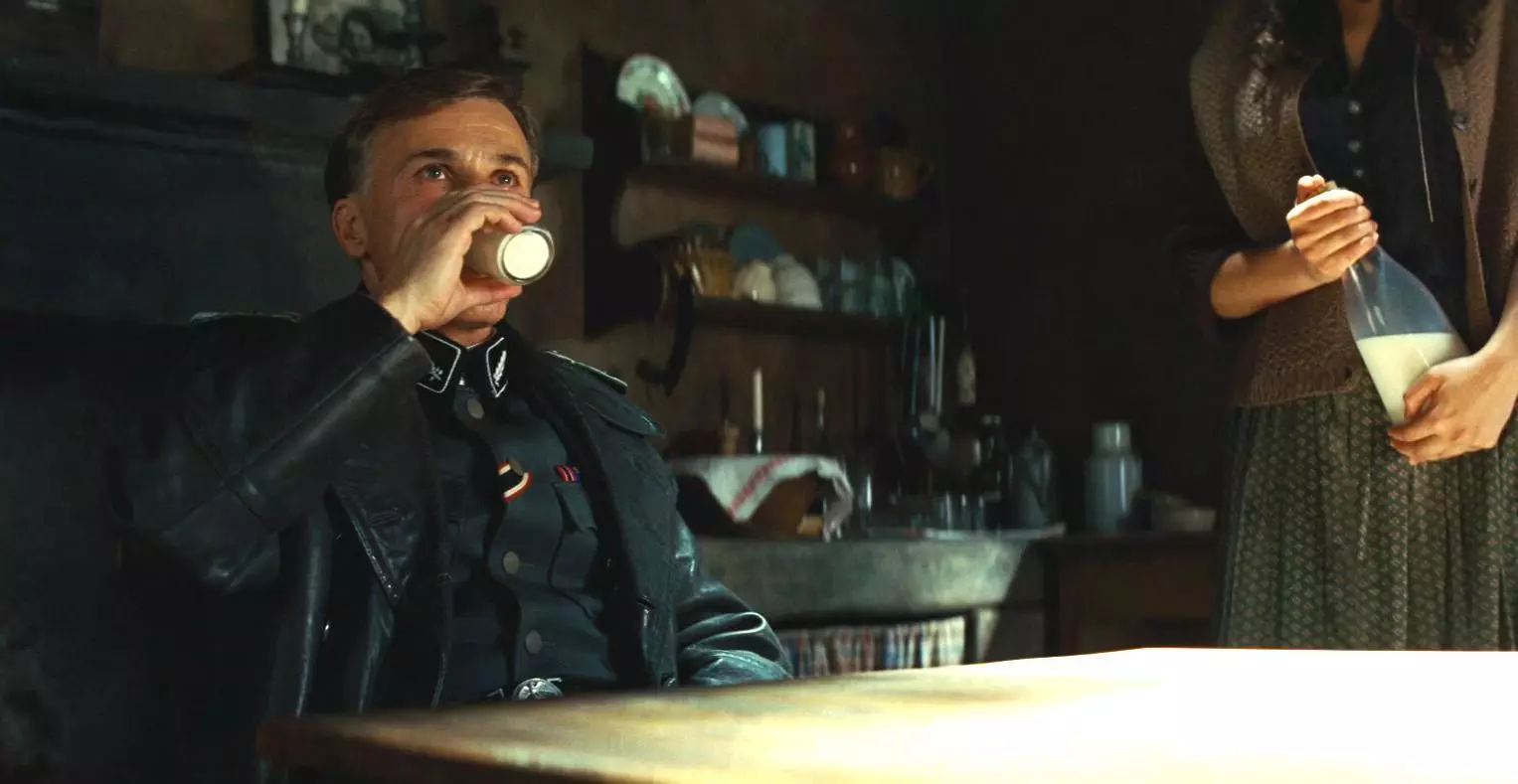
Inglourious Basterds: pure tension right from the very first scene
It’s hard to talk about the best opening scenes in films without mentioning Quentin Tarantino’s Inglourious Basterds.
The scene begins almost calmly, on a French farm occupied during the Second World War. A Nazi officer arrives. He speaks politely. He smiles. He takes his time. And it is precisely this calm that makes the sequence unbearable.
Tarantino builds the tension through dialogue, silences, glances and the gradual realisation of the danger. The viewer realises before some of the characters that something terrible is about to happen. The scene is long, almost theatrical, but every second counts.
It is a brilliant opening because it immediately introduces one of the film’s main antagonists, Hans Landa, whilst establishing Tarantino’s signature blend: formal elegance, latent violence, black humour and extreme suspense.
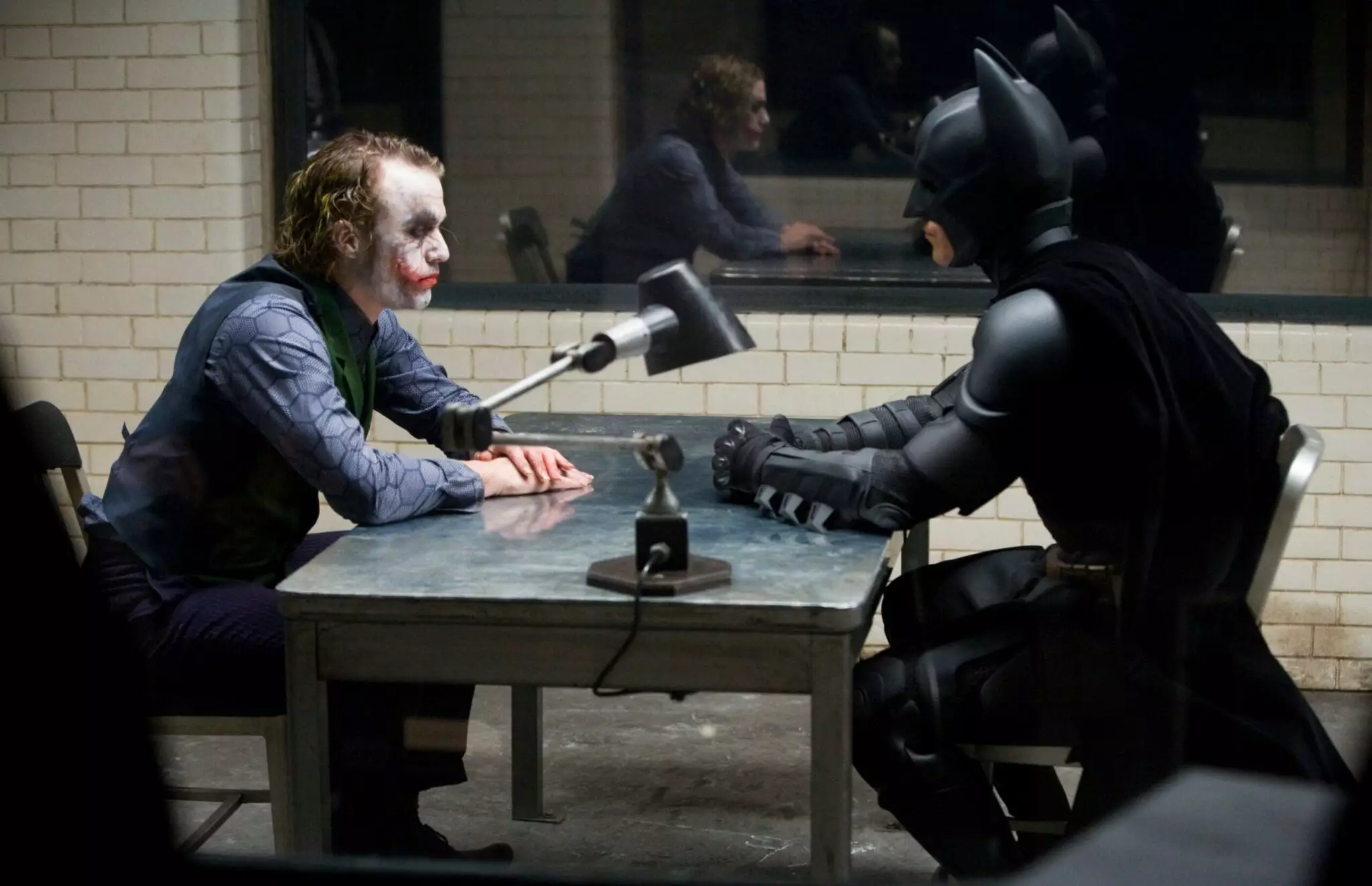
The Dark Knight: a heist as a statement of intent
The opening sequence of The Dark Knight functions as a standalone short film. A bank heist, masked criminals, a methodical operation, followed by a gradual revelation: the Joker is already there, at the heart of the chaos he orchestrates.
Christopher Nolan does not begin his film with Batman. He begins with his adversary. This choice is crucial, as The Dark Knight relies as much on the threat posed by the Joker as it does on the figure of the hero.
The scene immediately establishes a sharp pace, an urban tension and a logic of manipulation. The Joker is not merely dangerous because he is violent. He is dangerous because he thinks differently from others. He uses people as disposable pawns.
Within minutes, the film establishes its theme: order versus chaos, morality versus anarchy, the city versus its own fear.
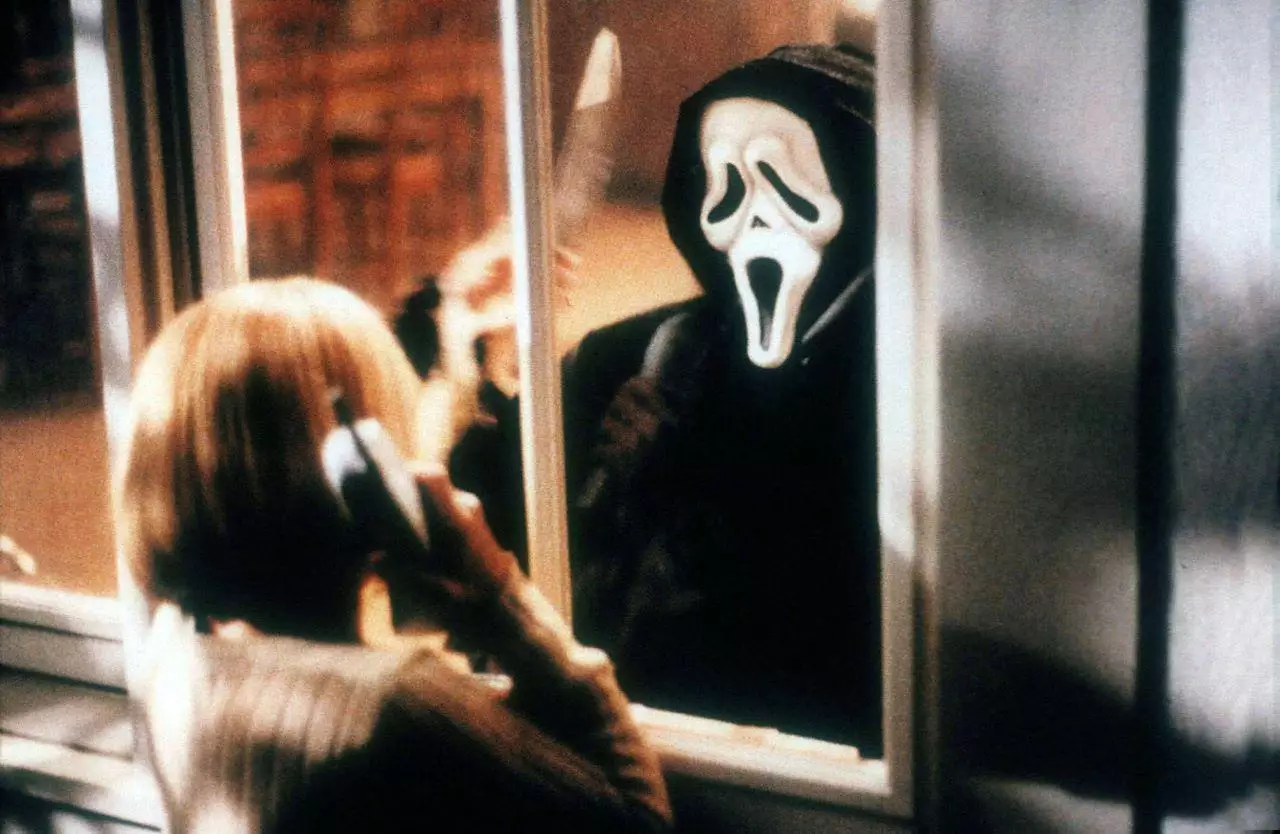
Scream: the opening scene that reinvented the horror film
The opening scene of Scream has achieved cult status because it plays with the conventions of the horror film whilst modernising them.
A young woman, alone at home, receives a phone call. The conversation seems almost trivial. Then the tone changes. The exchange turns threatening. The viewer realises that danger is close at hand, but not yet visible.
Wes Craven creates a highly effective sense of fear: the fear of intrusion. The telephone, an everyday object, becomes a tool of terror. The house, which is supposed to offer protection, becomes a trap.
This opening is also brilliant because it foreshadows the film’s meta dimension. *Scream* explores the conventions of horror cinema whilst using them against the viewer. The scene is tense and violent, yet also highly self-aware of its own genre.
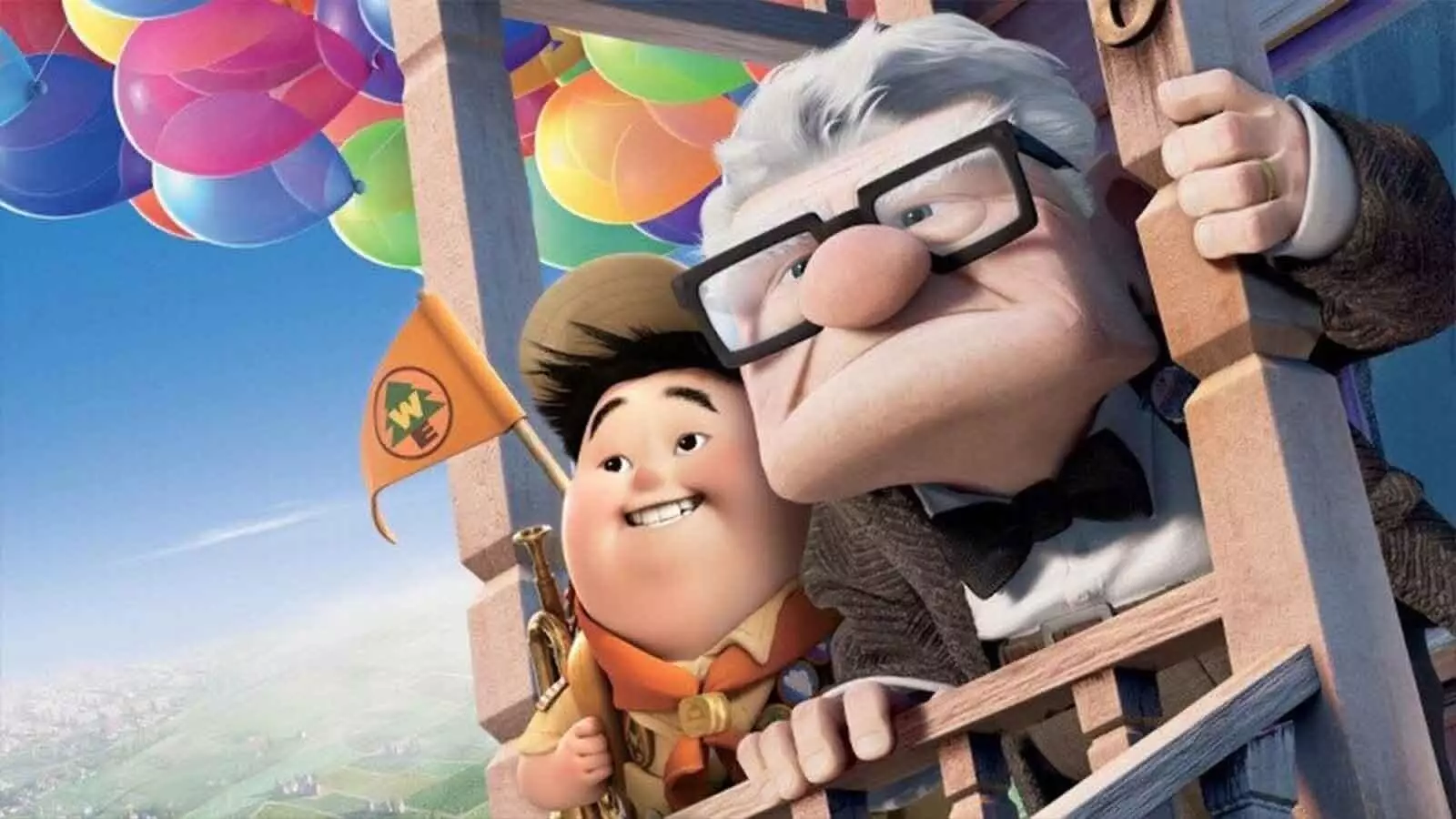
Up: a moving opening sequence without lengthy dialogue
The opening sequence of Pixar’s Up is one of the most frequently cited examples when discussing visual storytelling.
In just a few minutes, the film tells an entire love story: the meeting, the dreams, the plans, the sacrifices, the passing of time, and loss. Everything is conveyed with remarkable economy, without an overload of dialogue.
This sequence works because it touches on something universal: the life we imagine, the life we actually live, and what remains when a loved one is gone.
*Up There* proves that an opening scene can be spectacular without explosions, chases or shock effects. Here, the emotion comes from the simplicity, the editing, the music and the accuracy of the narrative.
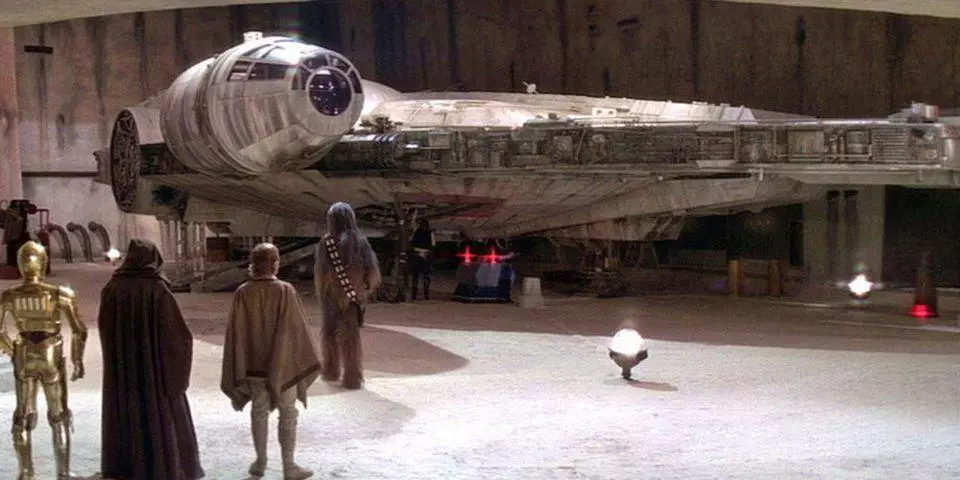
Star Wars: an instant entry into legend
The opening sequence of Star Wars is one of the most iconic in the history of cinema. The scrolling text, John Williams’ music, the vastness of space, then the appearance of a gigantic starship in pursuit of another vessel: everything is instantly clear, spectacular and memorable.
George Lucas plunges the viewer into a universe already in motion. The film doesn’t take the time to explain its world at length. It gives the impression that the story began before we arrived, and that we are stepping into the heart of a wider conflict.
This opening scene works because it combines narrative clarity with visual power. In just a few shots, the viewer realises that there is an empire, a rebellion, a threat and an adventure.
Saving Private Ryan: the opening sequence as an experience of war
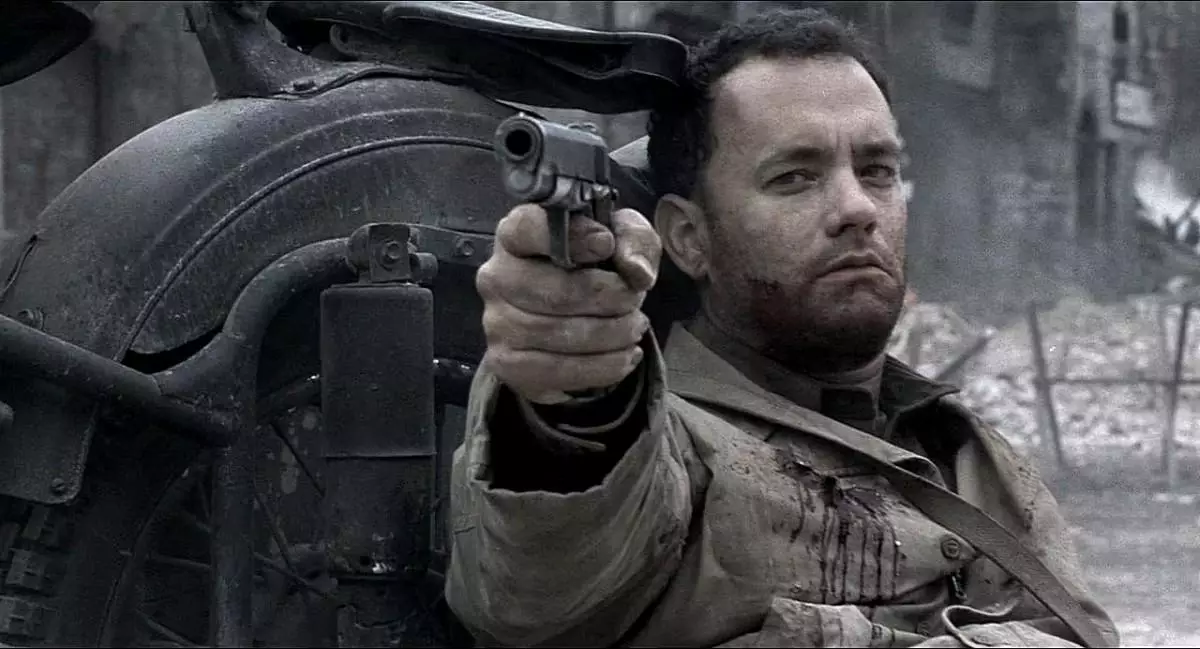
The opening scene of *Saving Private Ryan* remains one of the most striking depictions of the D-Day landings in cinema.
Steven Spielberg does not portray war as a grand heroic epic. He portrays it as a physical, brutal and chaotic experience. The viewer is plunged into chaos: the noise, the fear, the violence, the disorientation.
This scene is difficult to watch, but it immediately lends the film a particular gravity. It serves as a reminder that behind the major historical dates lie bodies, faces and acts of survival.
It is a powerful opening because it does not merely seek to impress. It places the viewer in an uncomfortable, almost immersive position, which sets the tone for the rest of the narrative.
Jaws: the fear of what we cannot see
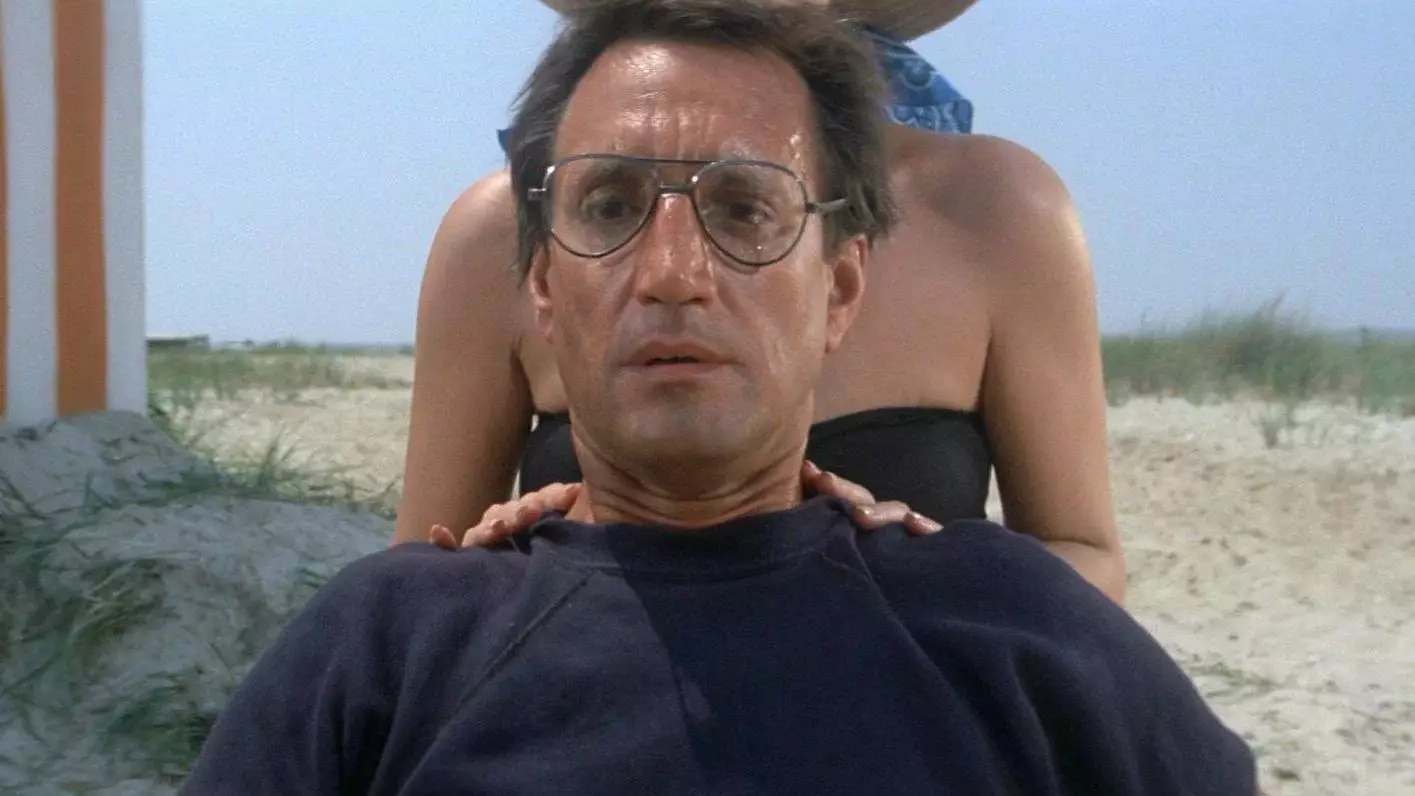
The opening scene of Jaws is a masterclass in suspense. A night-time swim, a dark sea, an invisible threat. The shark is not shown head-on, but its presence is felt with terrifying intensity.
Steven Spielberg understands that the viewer’s imagination is sometimes more effective than an explicit image. The scene plays on the invisible, on the movements of the body in the water, on the music, and on a sense of helplessness.
In the space of a few minutes, the film transforms the sea into a place of danger. What was once a place of freedom becomes an unsettling territory. The opening thus fulfils its role perfectly: it establishes the film’s central fear.
Raiders of the Lost Ark: Indiana Jones summed up in one sequence
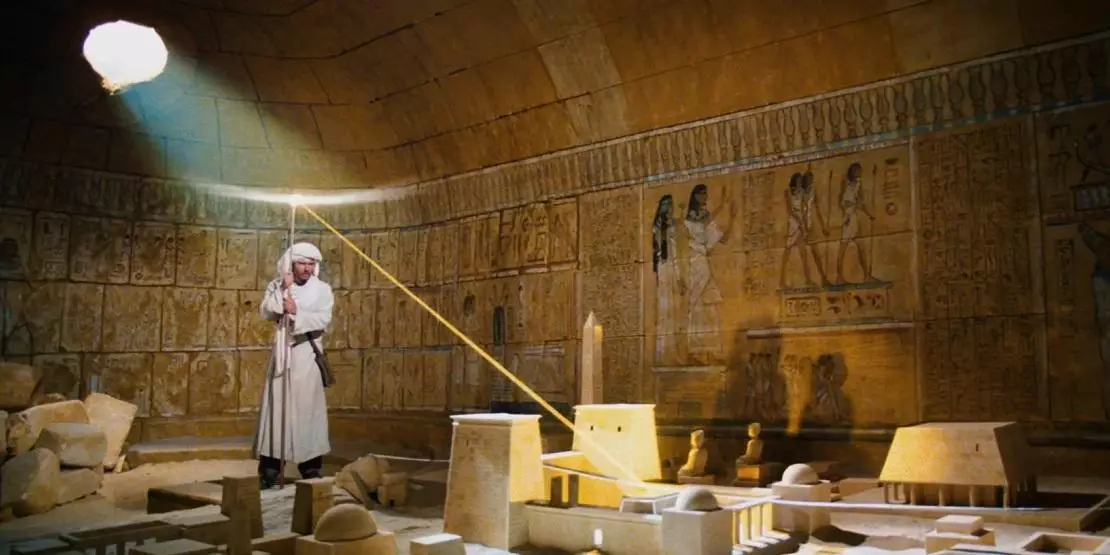
The opening sequence of Raiders of the Lost Ark is a masterclass in adventure cinema. Jungle, traps, an ancient temple, an idol, betrayal, a spectacular escape: everything that defines Indiana Jones is already there.
Steven Spielberg and George Lucas introduce their hero through action. No lengthy explanation is needed. We immediately understand that Indiana Jones is brave, intelligent and physically capable, but also vulnerable.
The scene works because it has perfect pacing. It weaves together suspense, discovery, humour and danger with remarkable precision. It’s an opening that delivers exactly what the audience has come to see: pure adventure.
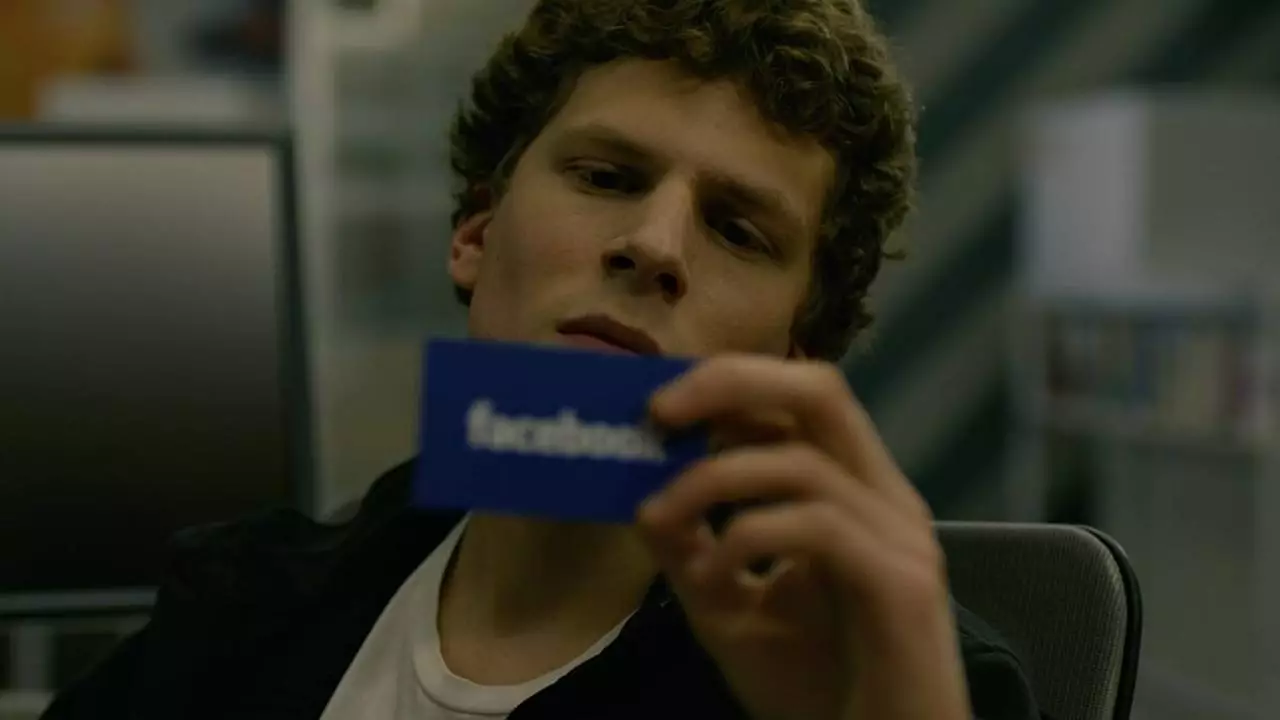
The Social Network: a turning point that sets a whole trajectory in motion
The opening of The Social Network is, on the surface, much simpler: two characters are chatting in a bar. No spectacular action. No immediate threat. Yet the scene is formidable.
The dialogue is fast-paced, tense and brilliant. In just a few exchanges, the film presents Mark Zuckerberg as an intelligent, frustrated, abrasive and socially awkward character. The break-up that opens the film becomes the symbolic catalyst for immense ambition.
David Fincher captures the birth of a digital empire stemming from a personal wound. That is what makes this scene so effective: it shows that great contemporary stories can begin with a failed conversation.
La La Land: an opening scene that feels like a promise
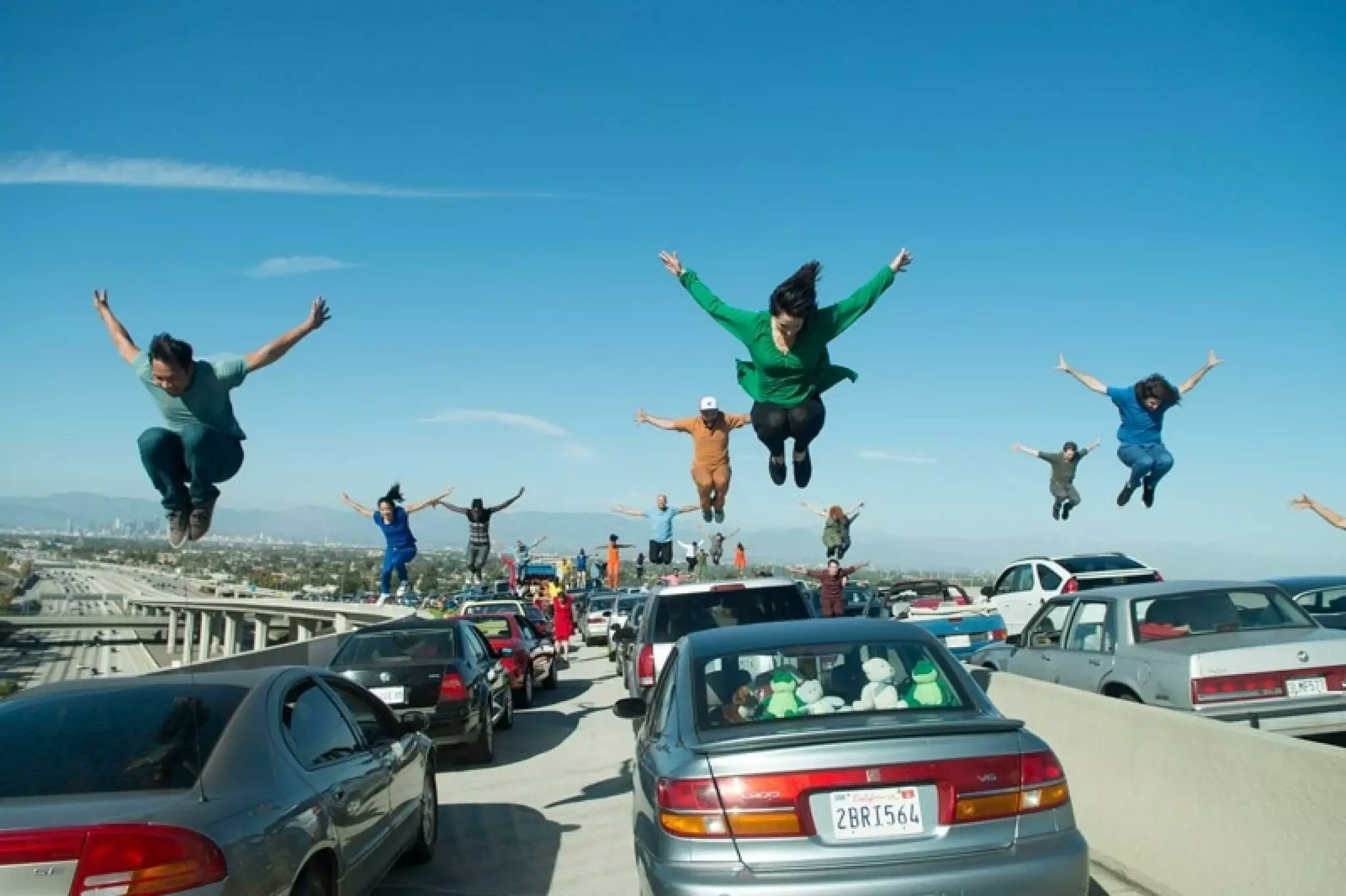
The opening scene of La La Land is a declaration of love for the musical. A traffic jam in Los Angeles turns into a choreographed number. The everyday becomes a spectacle.
Damien Chazelle immediately sets out his vision: to create a dialogue between classic cinema and contemporary energy. The scene is radiant, fluid and ambitious. It also establishes one of the film’s major themes: the power of dreams, even amidst the most mundane everyday life.
This opening is significant because it holds out the promise of cinema. The viewer realises they are entering a film where reality can give way to music, dance and the imagination.
Drive: a cold, controlled night-time opening
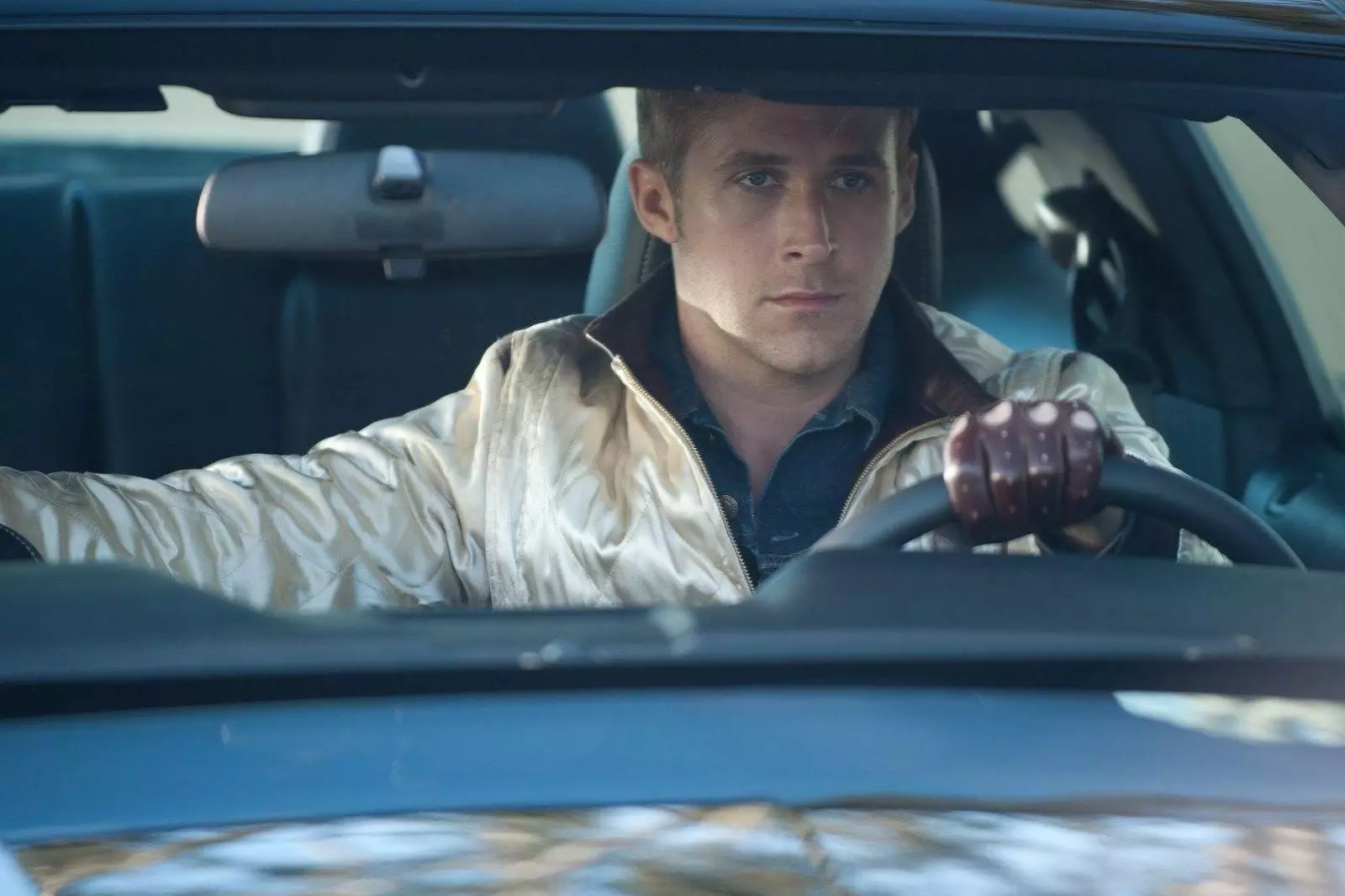
The opening sequence of *Drive* is a model of control. A car, a city at night, a silent driver, a getaway that defies the usual conventions of a car chase.
Nicolas Winding Refn builds an almost minimalist tension. The main character barely speaks. He observes, calculates, waits. The scene relies not on constant speed, but on precision.
This opening immediately introduces the hero: professional, calm, inscrutable. It also establishes the film’s aesthetic, blending neon lights, silence, music and restrained violence.
The Godfather: a line, a shadow, a world
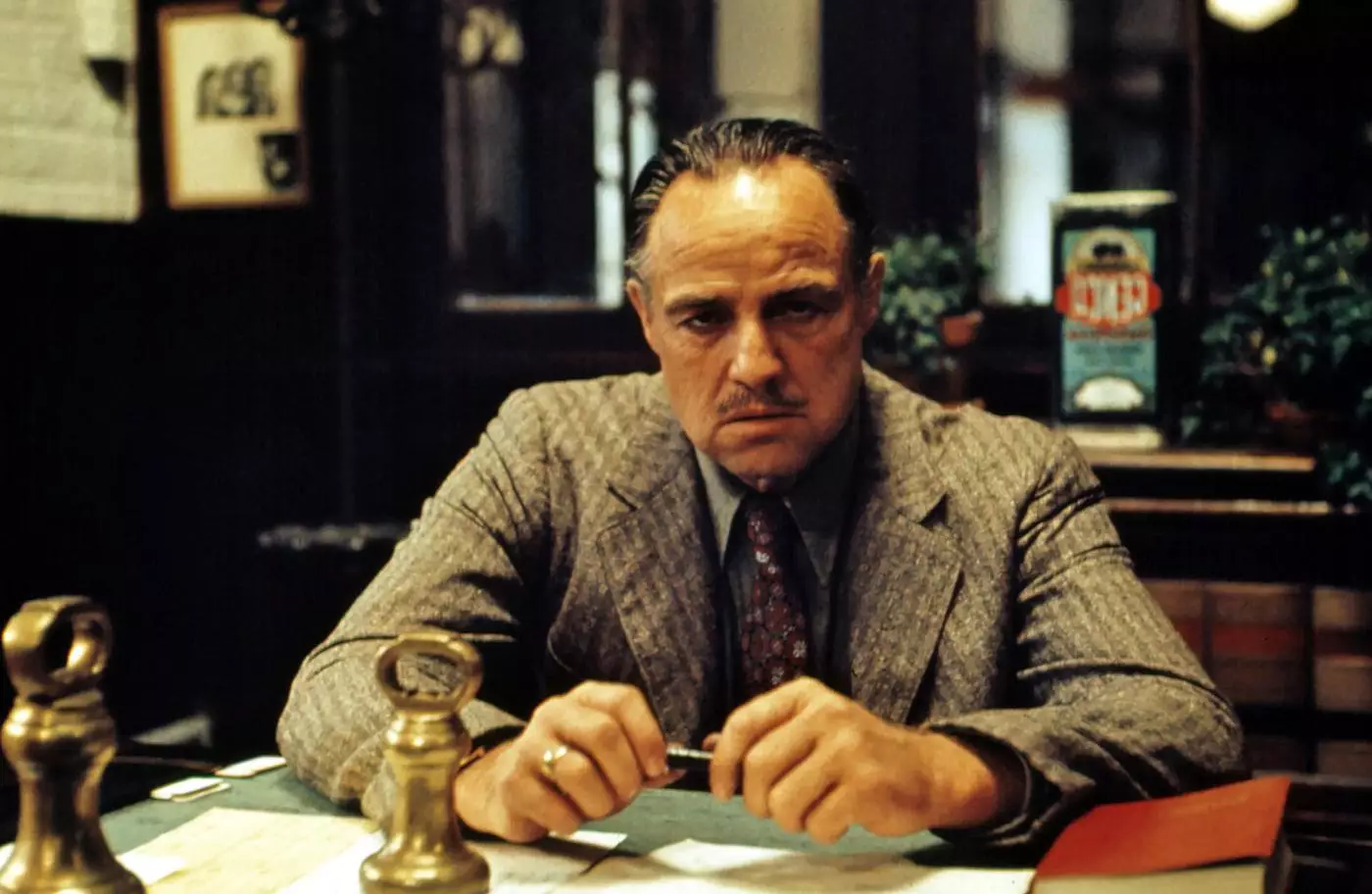
The opening scene of *The Godfather* is one of the most famous in American cinema. A man demands justice. The camera slowly pulls back. Don Vito Corleone emerges from the shadows.
Francis Ford Coppola immediately establishes the power, respect, fear and rules of a parallel world. This scene does not seek to be spectacular. It relies on dialogue, staging and presence.
Everything is already there: family, loyalty, private justice, unofficial power. The opening of *The Godfather* is exemplary because it introduces an entire universe through a simple and perfectly executed scene.
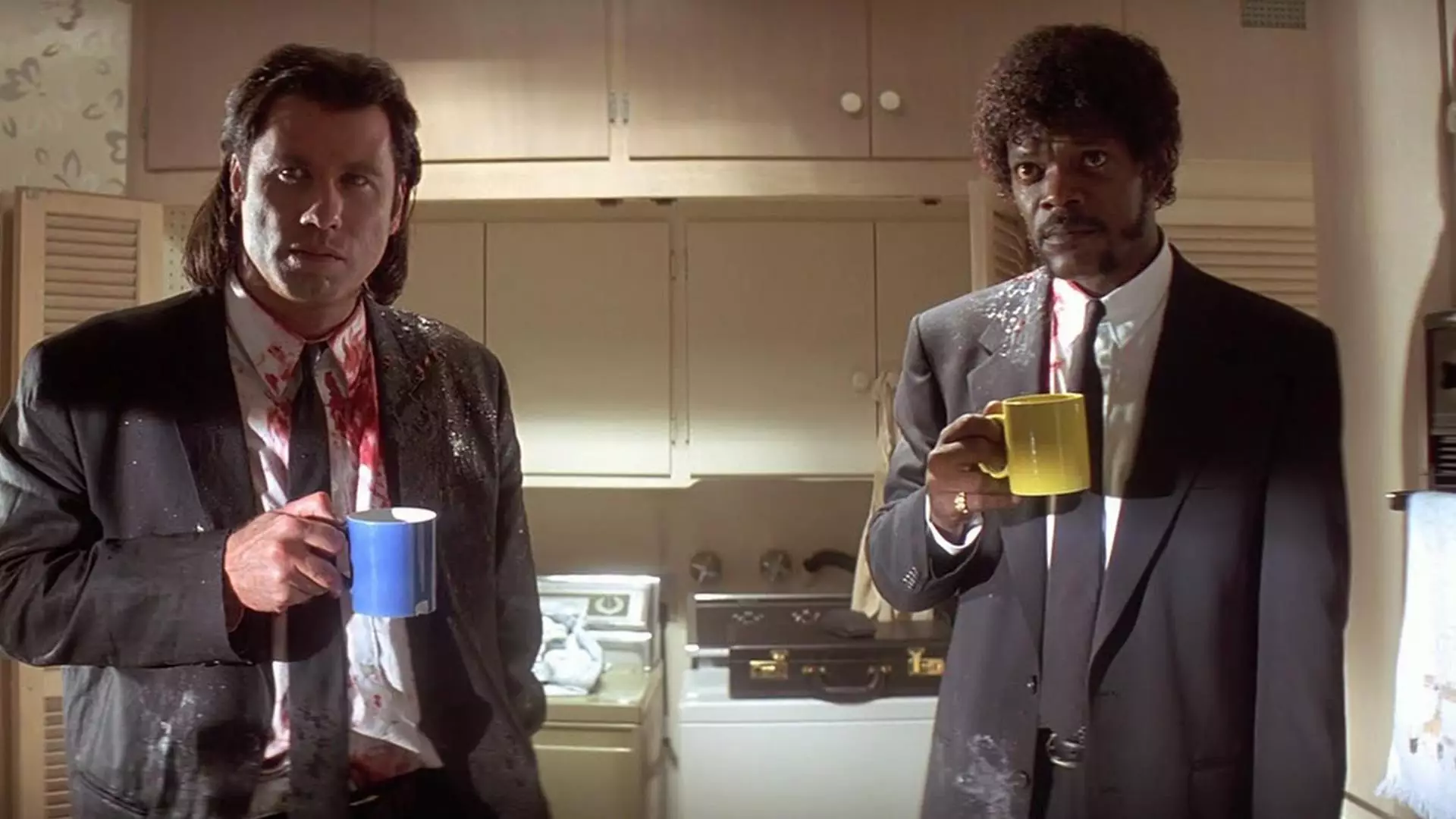
Pulp Fiction: an ordinary conversation before the chaos
The opening scene of Pulp Fiction begins in a restaurant, with an almost ordinary conversation between two criminals. They talk about a heist, the risks involved and their strategy. Then the situation takes a sudden turn.
Tarantino captures the audience’s attention with his flair for dialogue. The characters come to life immediately through the way they speak. The scene also foreshadows the film’s fragmented structure, its humour, its violence and its penchant for unpredictable situations.
It’s an opening that doesn’t give away everything, but sets the tone. The viewer realises they are entering a film where conversations can be just as important as gunfire.
2001: A Space Odyssey – the opening sequence as a sense of vertigo
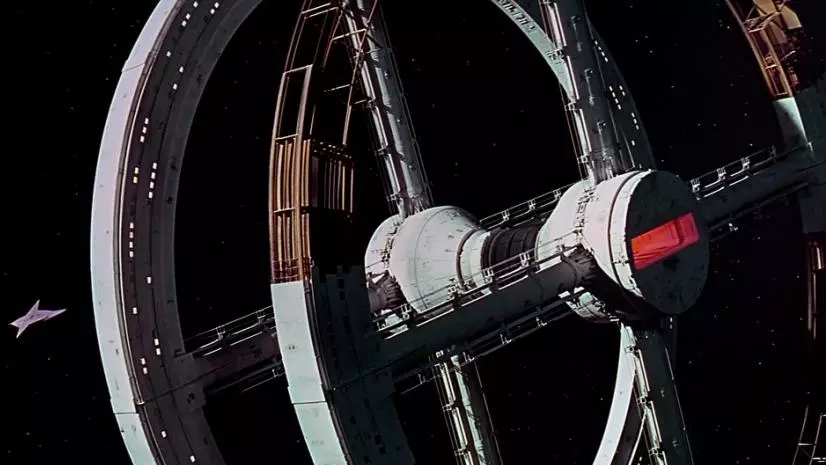
With 2001: A Space Odyssey, Stanley Kubrick does not seek a conventional opening. He begins with a profound reflection on humanity, evolution and mystery.
The scene featuring the monolith and early humans establishes a completely different relationship with time. The film does not simply begin a story. It poses a question: what transforms humankind? Technology? Violence? An external intelligence?
This opening is fascinating because it displays a rare ambition. It does not captivate through immediate impact, but through the sense of vertigo it provokes.
What these opening scenes teach us about cinema
Great opening scenes never rely on a single effect. They work because they combine several dimensions of cinematic language: screenplay, shot composition, acting, lighting, sound, editing, pacing and art direction.
An opening like that of *Inglourious Basterds* shows how dialogue can become a scene of pure tension. The opening of *The Dark Knight* reminds us that an action sequence can also serve to define a character. *Up* proves that elliptical editing can recount an entire life in a matter of minutes. *Jaws*, for its part, remains a model in its use of off-screen space and suggestion.
This is what makes these scenes so interesting to analyse. They are not merely ‘cult’ because they are spectacular or famous. They are so because they reveal a very concrete mastery of audiovisual storytelling.
For aspiring film students, these opening sequences can therefore be viewed as genuine analytical exercises. Why begin with this character rather than another? Why choose this framing? Why leave a threat off-screen? Why cut at that precise moment? Why let the music convey the emotion rather than the dialogue?
These questions lie at the heart of the film industry. They enable us to shift from the perspective of a viewer to that of a creator.
Learning how to turn an idea into an image
Understanding an opening scene also means understanding that filmmaking is a collaborative endeavour. A sequence lasting just a few minutes draws on a wide range of skills: screenwriting, directing, cinematography, sound, production, editing, colour grading, visual effects and post-production.
It is precisely this production chain that film schools seek to teach. At CinéCréatis, the film and audiovisual course guides students from scriptwriting through to filming, then from editing to post-production, with an approach centred on practical experience and real-world projects.
For those who wish to learn how to construct a scene, lead a crew, tell a story through images or understand the roles behind a film, discovering CinéCréatis’s film and audiovisual course could be a useful first step.