Acquire
a cinematographic, aesthetic and narrative culture to define and implement the artistic challenges of a production.
A 3-year course focusing on technical and technological aspects, artistic practice and professional discovery.
The course is validated by the RNCP40926 level 6 title “Audiovisual and cinematographic designer-director, production option, image option, post-production option”, guaranteeing skills recognised on the job market.
Since its creation in 2000, CinéCréatis has been offering high-level vocational training in the film and audiovisual industries. Our 3-year course is designed to immerse students in the reality of the field, preparing them to become versatile professionals capable of creating artistic works while mastering the technical and organisational aspects of production. We place a strong emphasis on practice, experimentation and support from professional lecturers, with state-of-the-art equipment and facilities suited to ambitious projects.
Bordeaux, Lyon, Montpellier, Nantes
Students and transfer students.
The course is validated by the RNCP40926 level 6 title “Audiovisual and cinematographic designer-director, production option, image option, post-production option”.
A minimum of A-levels to enter Year 1. Completion of a post-baccalaureate year in an equivalent course to enter Year 2.
3 years
Full-time face-to-face
8-week work placement during the school holidays
a cinematographic, aesthetic and narrative culture to define and implement the artistic challenges of a production.
technical versatility to master the various stages of audiovisual and cinematographic design.
an area (Production, Image, Postproduction) to develop its practice and expertise, and assert its role in the direction and design of a production.
to different audiovisual and cinematographic genres and formats to adapt to a wide range of projects and commissions.
the soft skills essential for teamwork and project management: interpersonal and organisational skills.
At CinéCréatis, learning is dynamic and rooted in practice. By alternating theory, workshops and masterclasses, the teaching programme offers an unprecedented diversity of methods. Learning is reinforced by project-based teaching, carried out in groups from the first year.
Teachers, seasoned experts or emblematic figures in the film industry, our mentors provide much more than technical knowledge: they share the essence of their journey, made up of challenges, successes and lessons learned on the job.
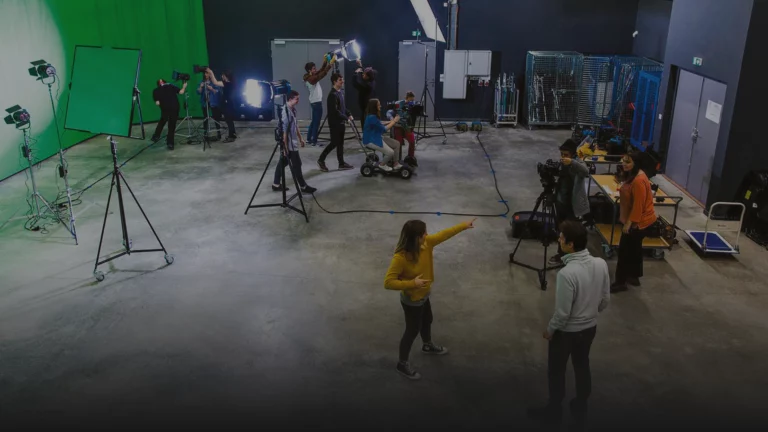
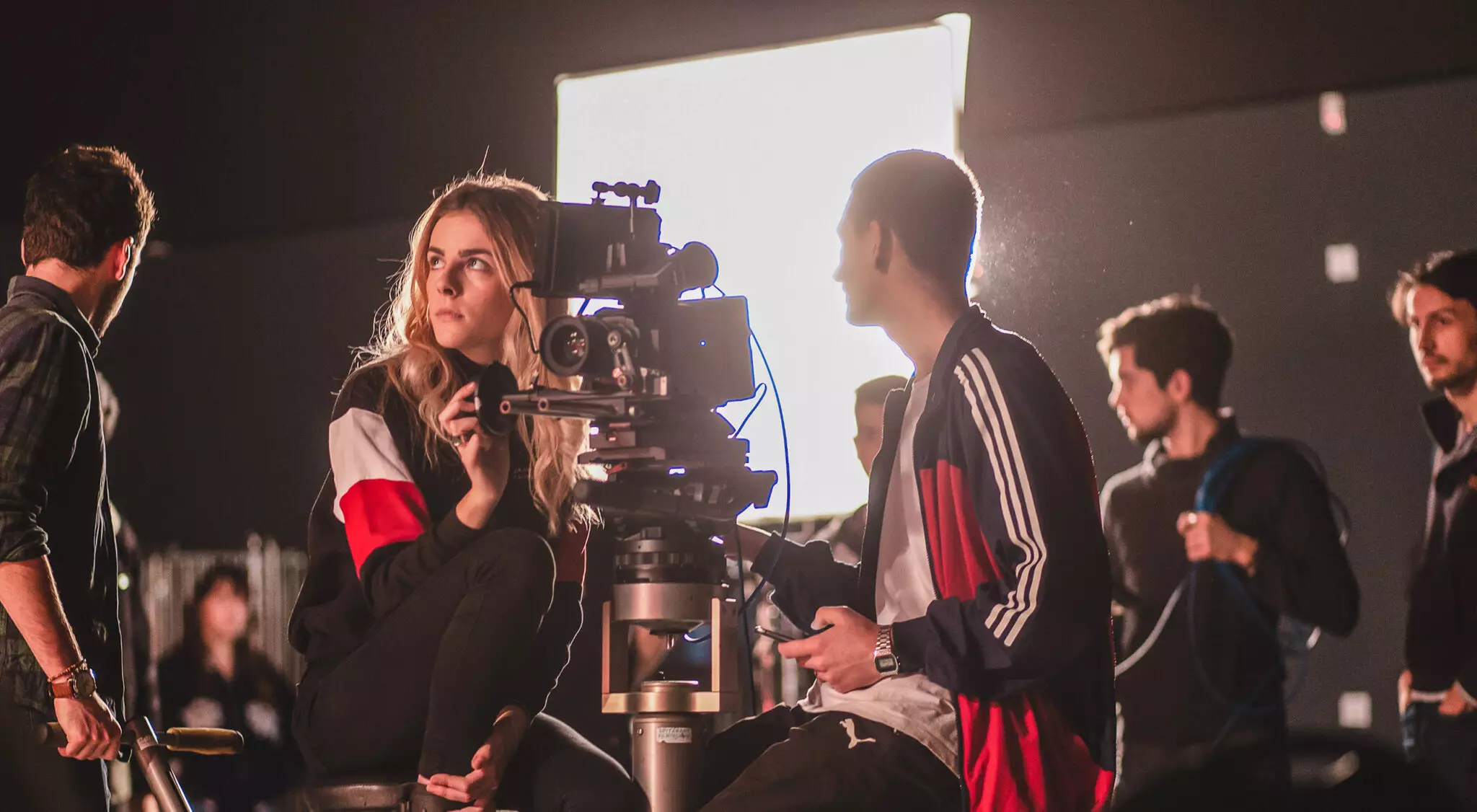
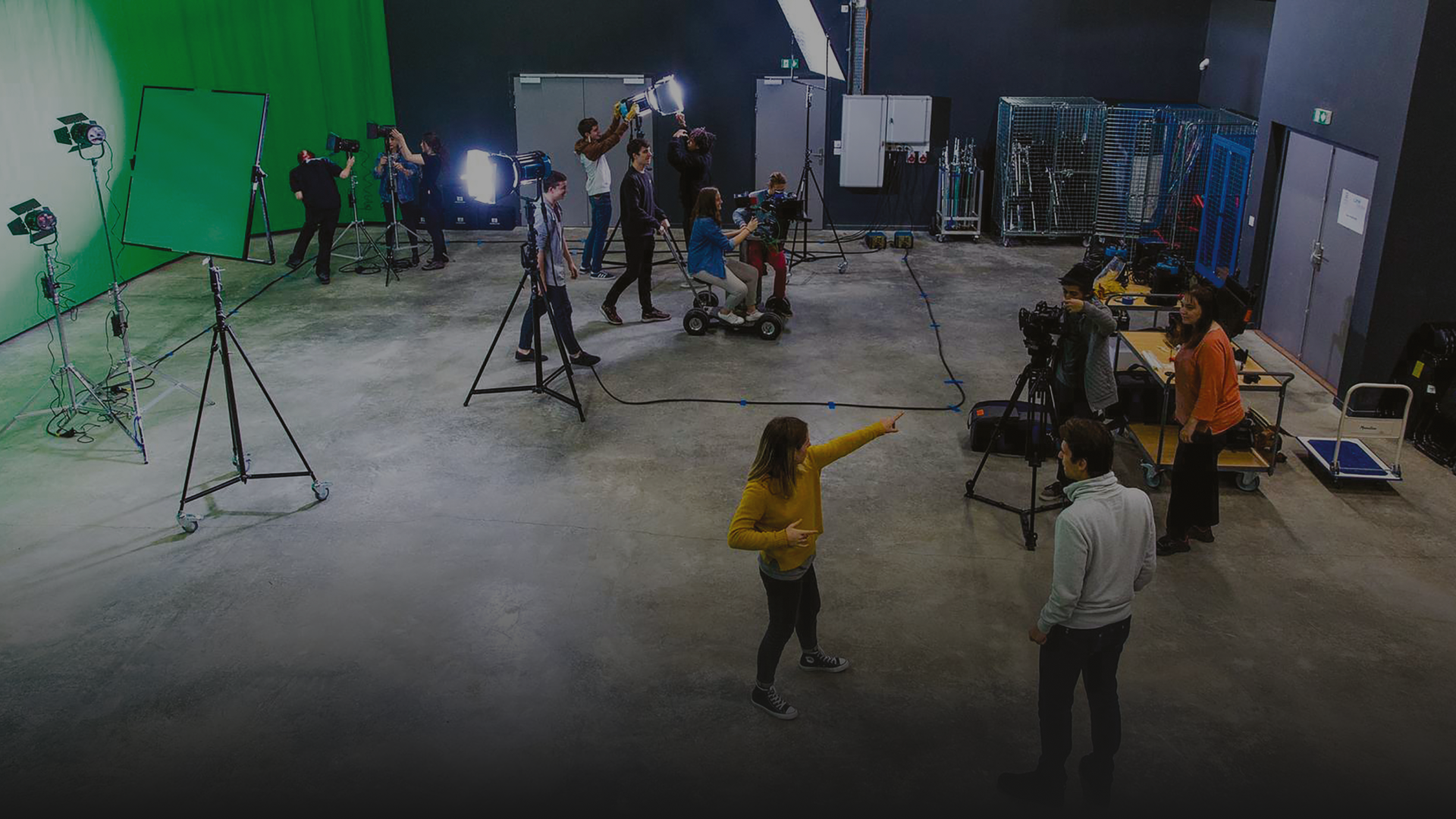
With passion and kindness, they introduce our students to the subtleties and codes of the industry, guiding them in a stimulating environment where every encounter becomes a source of inspiration for their personal and professional development. To ensure a perfect command of the tools used in the industry, students benefit from state-of-the-art equipment and software. These resources (studios, green backgrounds, computer rooms, editing and sound booths, etc.) are used intensively throughout their training and meet the technical requirements of a constantly evolving audiovisual sector.
Teaching
The first year lays a solid foundation in creative skills and techniques (sound studio, image studio, directing, image technology, screenplay, etc.) for designing audiovisual and cinematographic projects.
Successful completion of this year enables the student to move on to a year of specialisation in one of the following areas: production, image or post-production.

With production, image and post-production as their main fields of study, and the many productions carried out in inter-specialist teams, students are immersed in the practice of their future profession. They are trained to become professionals
multi-skilled in audiovisual and cinematographic design and experts in one of the major fields.
A year of expertise focused on the production of fiction, documentaries, advertising films, etc.
Practical application of all the knowledge acquired. In the third year, students are required to create a short film for the end of their studies, which is an opportunity to put into practice all the skills they have acquired during their course.
Strengths of the course
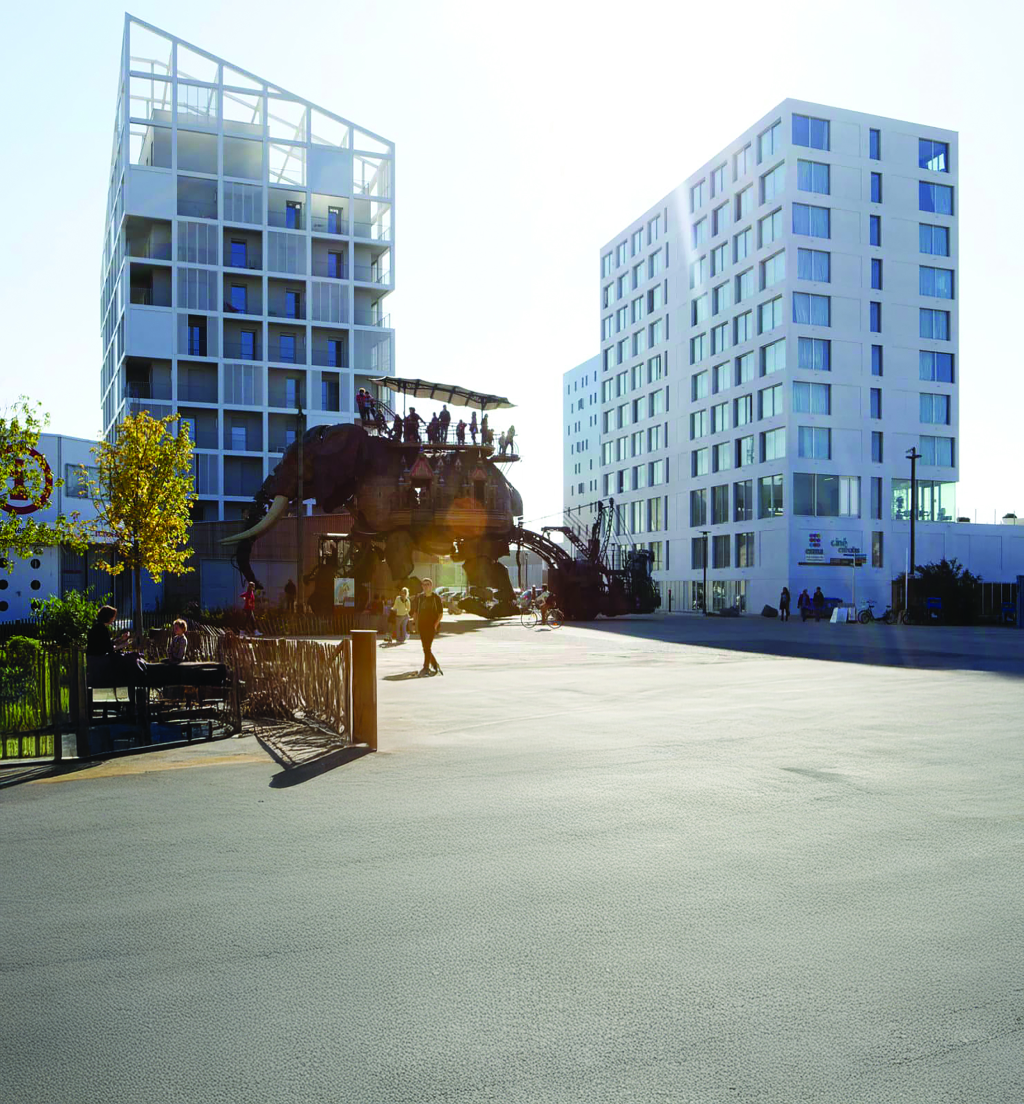
Studios, editing areas, green screen, machinery and much more.
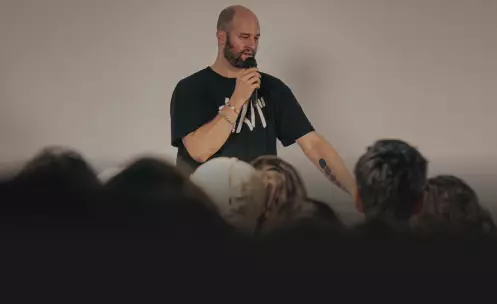
Active alumni, collaborations and networking opportunities.
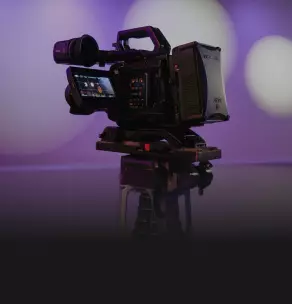
Equipment meeting the standards of the largest productions.
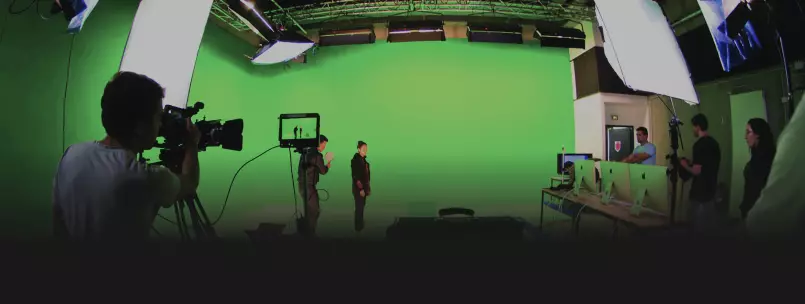
Workshops, short films and workshops put students in real-life situations.
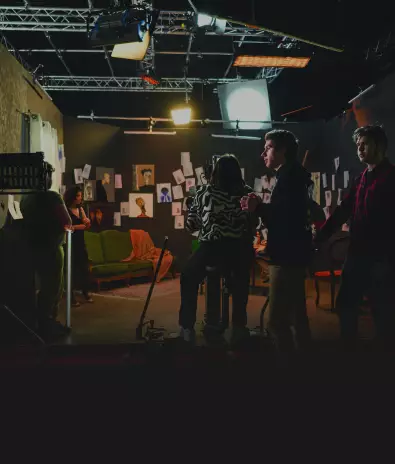
Whether they are teachers, seasoned experts or iconic figures in the film industry, our mentors provide much more than technical knowledge: they share the essence of their journey, made up of challenges, successes and lessons learned on the job.
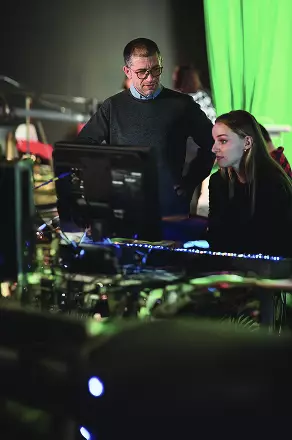
Personalised monitoring of student projects, with mentoring for each pathway.
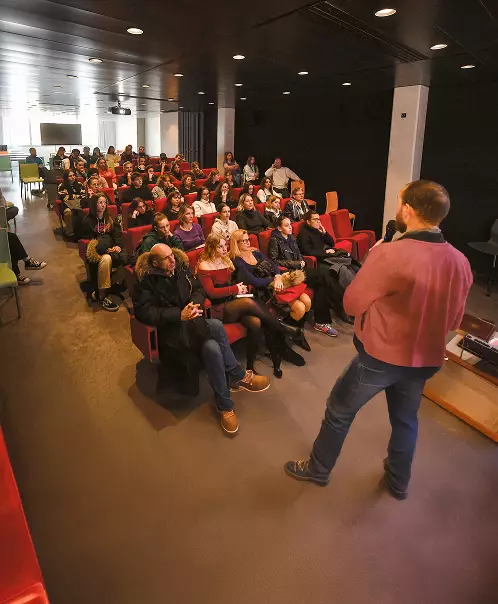
The students' short films are presented before a professional jury and may be selected for a festival run, providing a real showcase for their talent and know-how.

Professional certification
The curriculum
Hold a baccalaureate or equivalent level 4 qualification. Admission is based on a study of academic records, followed by an interview.
Hold a level 4 qualification and have completed one year's post-baccalaureate study on an equivalent course.
Possible transfer to 2nd year of the course
Tuition fees are €7,680/year for each year of the cycle (1ère, 2ᵉ and 3ᵉ). In addition to the tuition fees, there is a €200 application fee.
The €700 deposit paid on enrolment will be cashed and refunded only if you fail your baccalauréat. (Subject to our school being informed within 5 working days).
For more information, please consult our General Terms and Conditions.
In-house grants, student loans, staggered payments, ISIC card, financial aid, etc.
Disability advisor on each campus, support for students with disabilities.
Job opportunities
Beyond that, the jobs targeted may be in other sectors: the web, advertising, communication and marketing, television (streams, series, reports, documentaries), streaming platforms (for the production of series and documentaries) and video games.
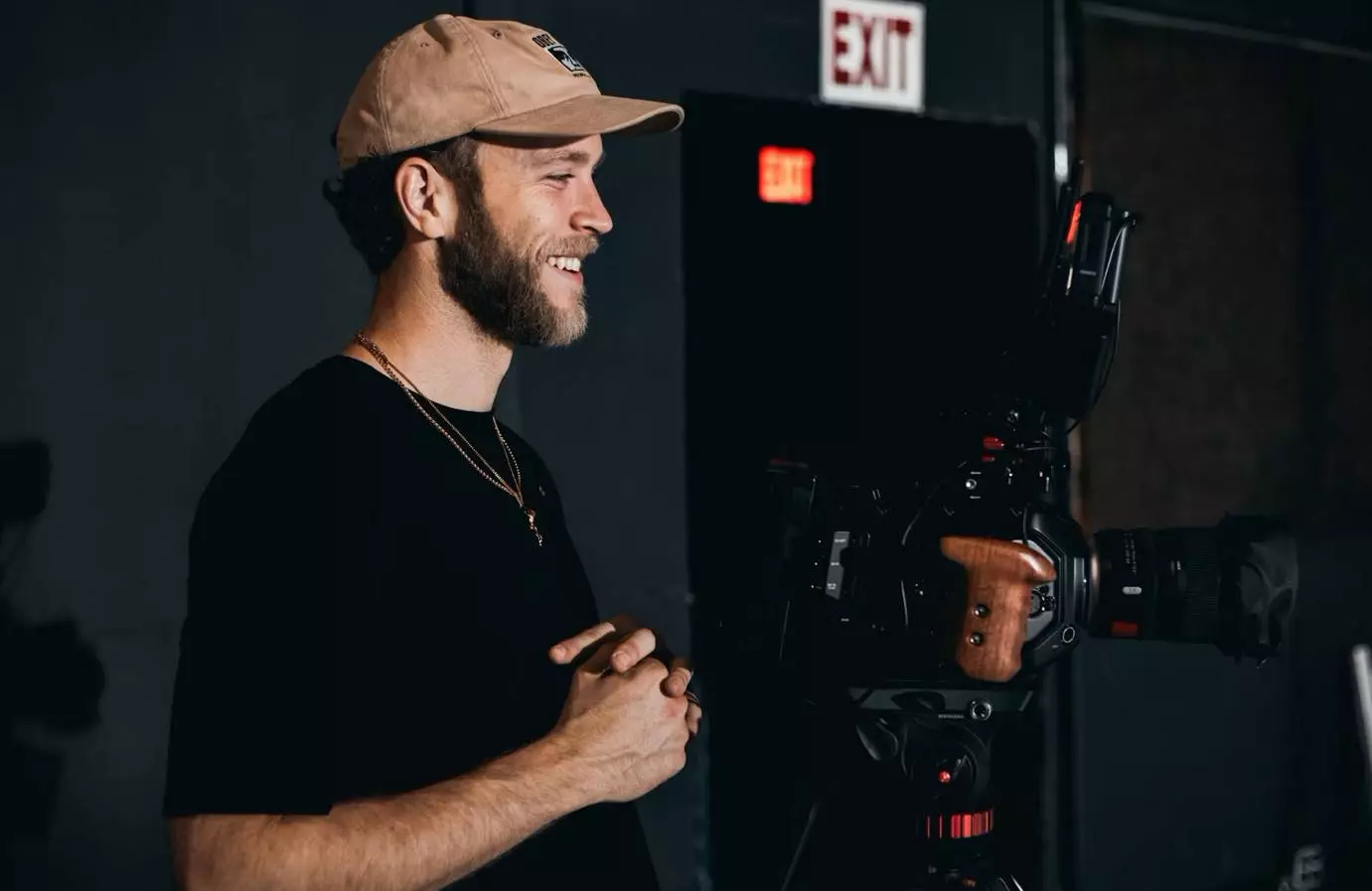
assistant director/director, with the potential to progress to technical advisor to the director or artistic director.
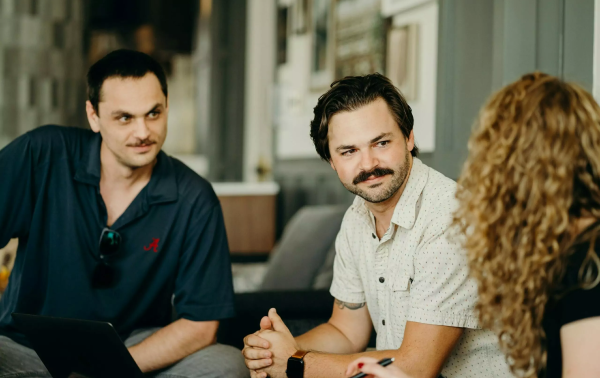
production manager, production coordinator, stage manager, production administrator.
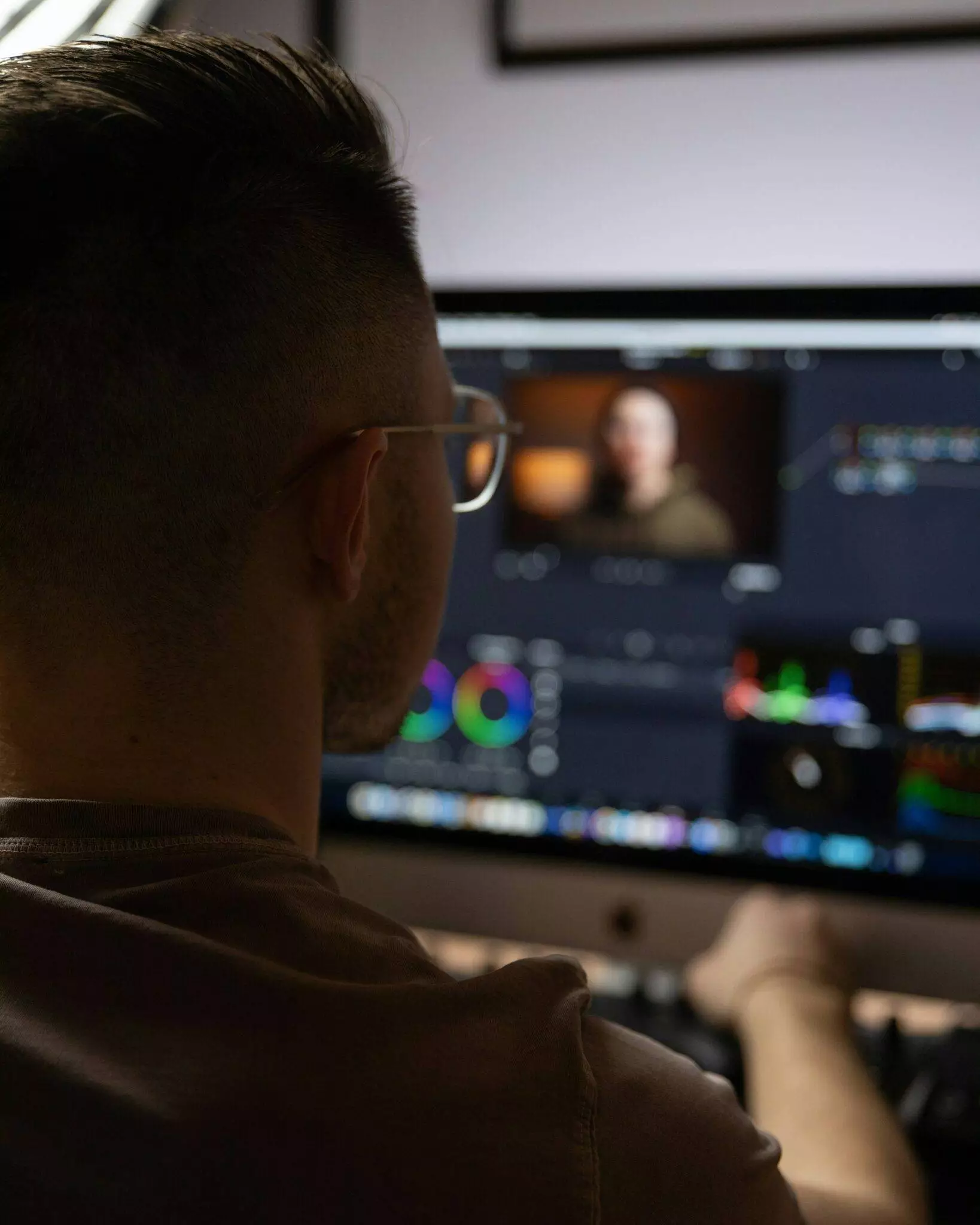
camera operator, assistant camera operator, specialist cameraman, director of photography
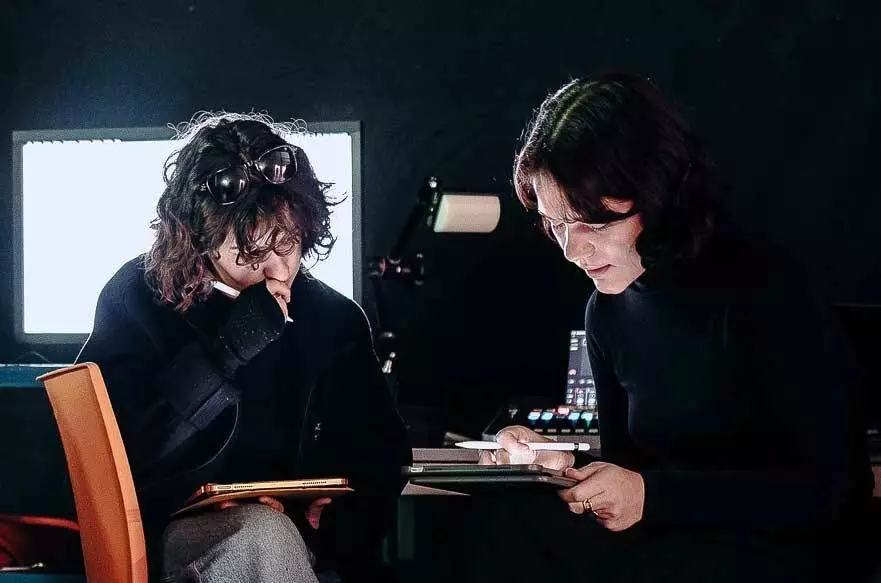
Chief editor, editor-truquist, post-production manager, lead graphic designer, special effects manager
Gallery
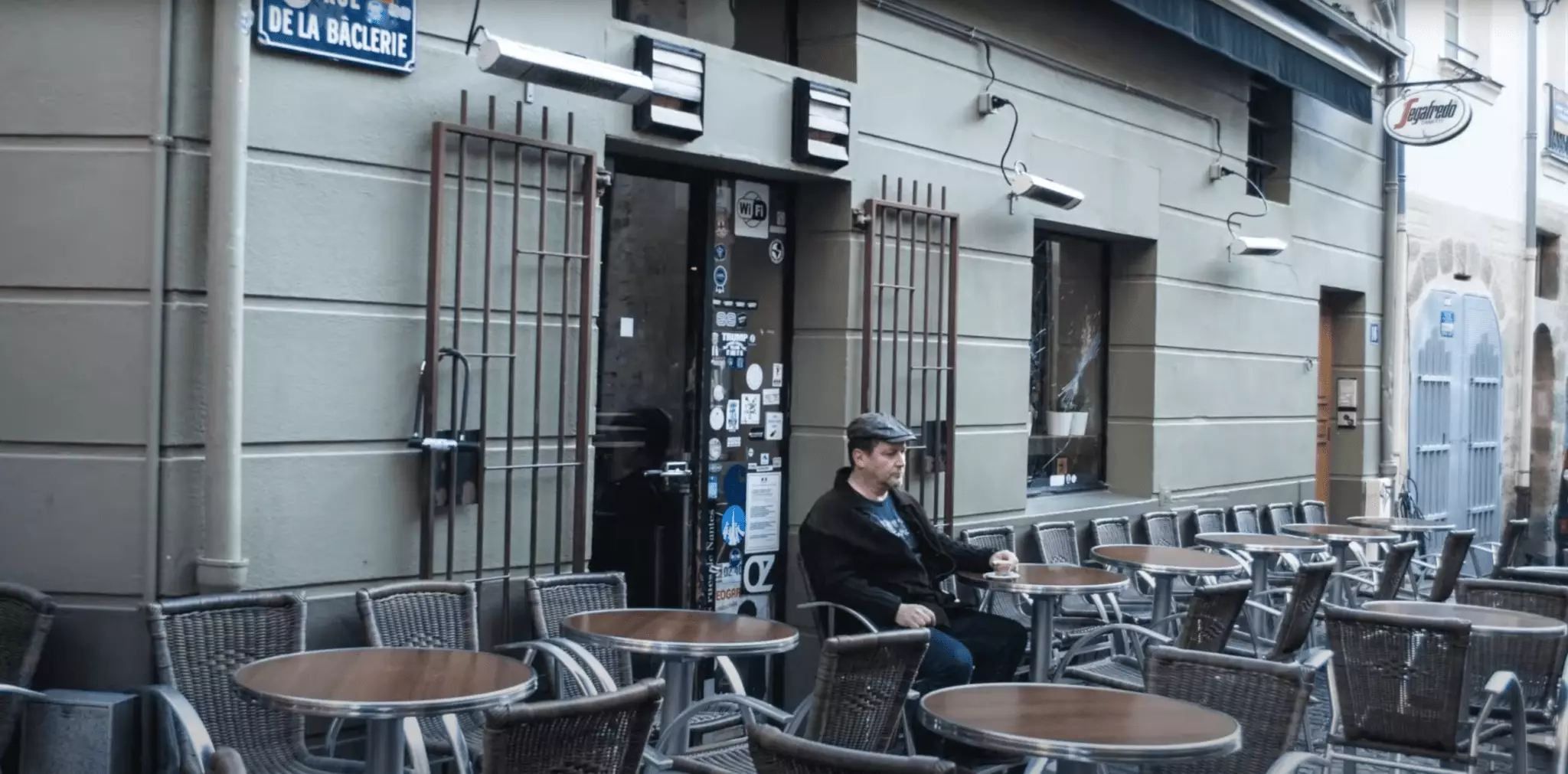
4th year Promotion 2018
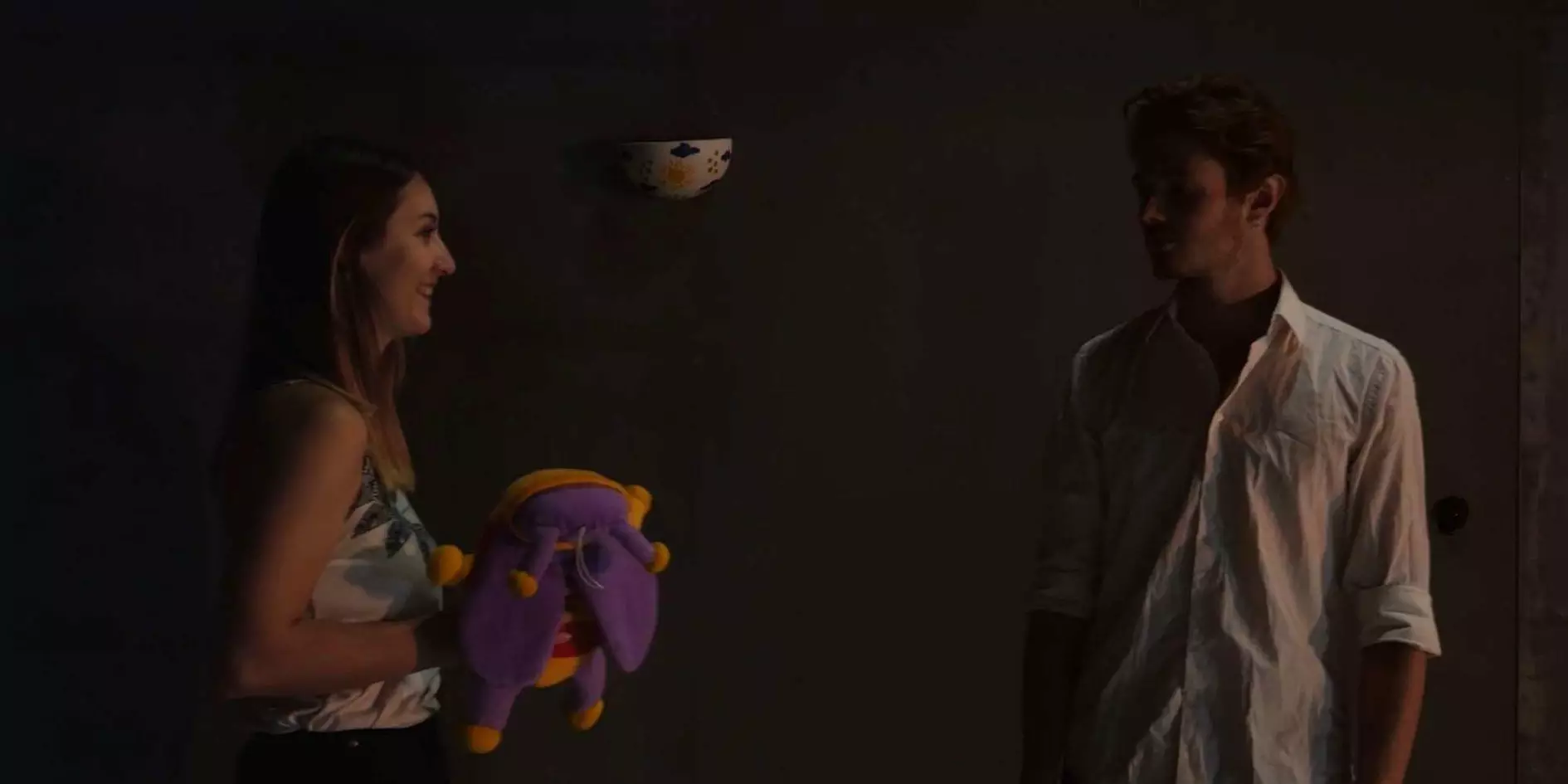
Promotion 2022
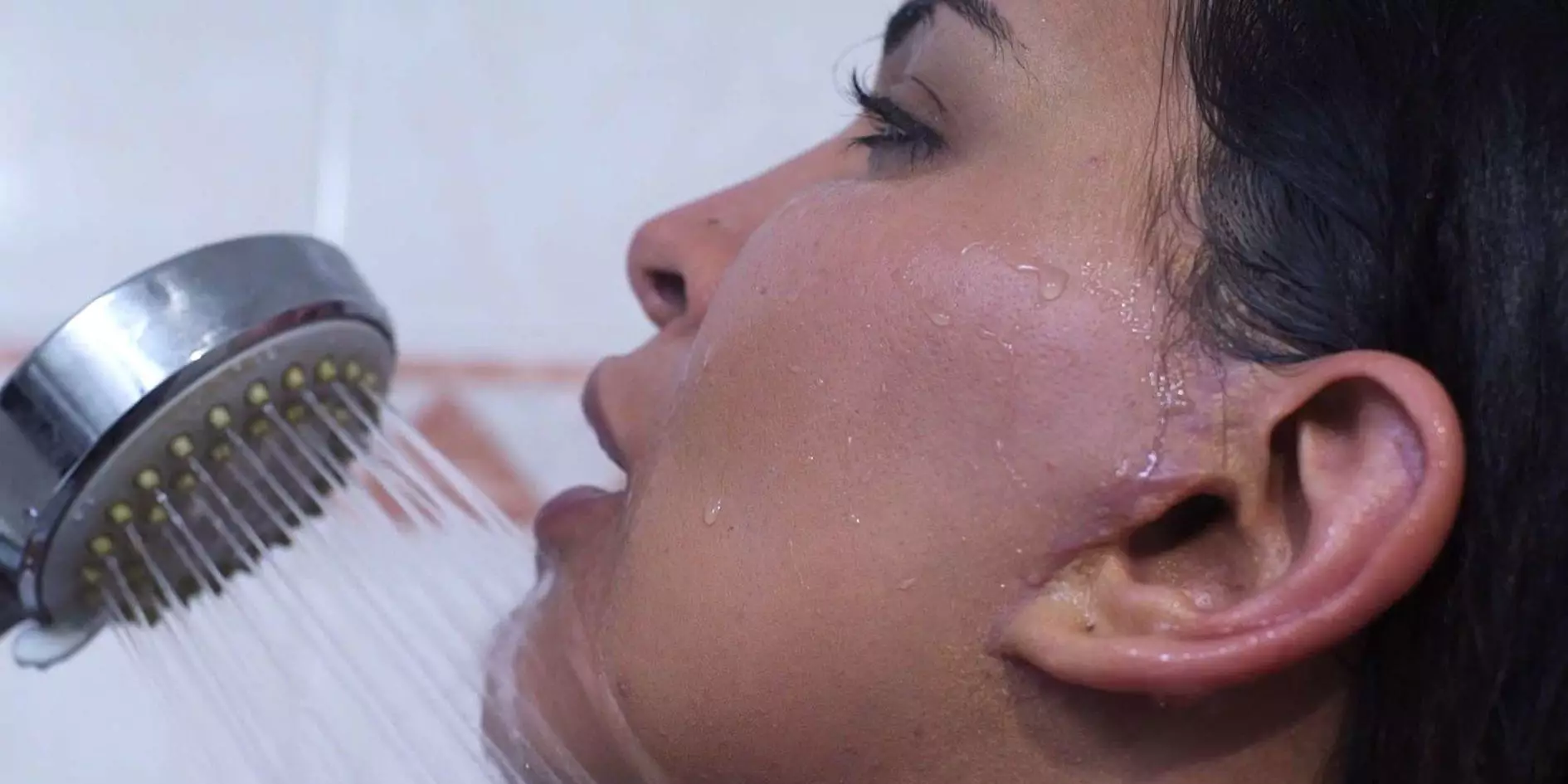
2nd year Promotion 2022
1st year Promotion 2022
1st year Promotion 2022
3rd year Promotion 2022
1st year Promotion 2020
1st year Promotion 2020
1st year Promotion 2020
Course
In the first year, the aim is to identify the major stages in the history of cinema and to be able to analyse an image or a film extract. This also implies being able to express oneself both orally and in writing in a clear and structured manner. You will need to master the basic technical tools, including the camera, sound, editing, graphics and digital tools. You will also need to apply production and organisational methods to a project, while learning to comply with specifications.
Projects :
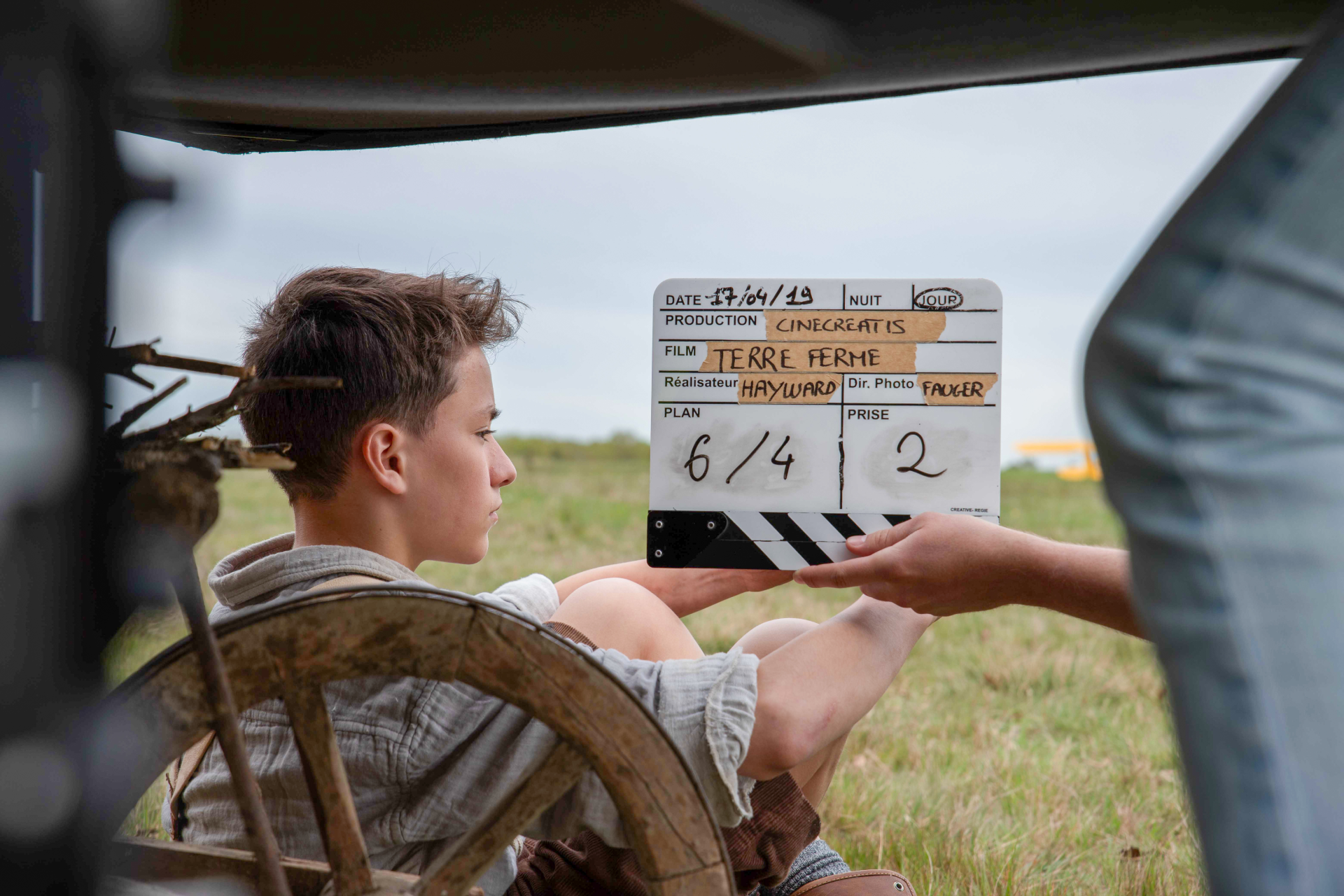
In the second year, students learn to develop a genuine approach to artistic, aesthetic and technical research in order to develop an audiovisual project. They develop the ability to design a preliminary project, formulating an original idea, clear intentions and a solid written and oral argument. They are also required to work on a project as part of a team, taking into account the technical, artistic and budgetary constraints involved. Finally, this second year is also an introduction to different audiovisual genres and formats.
Projects :
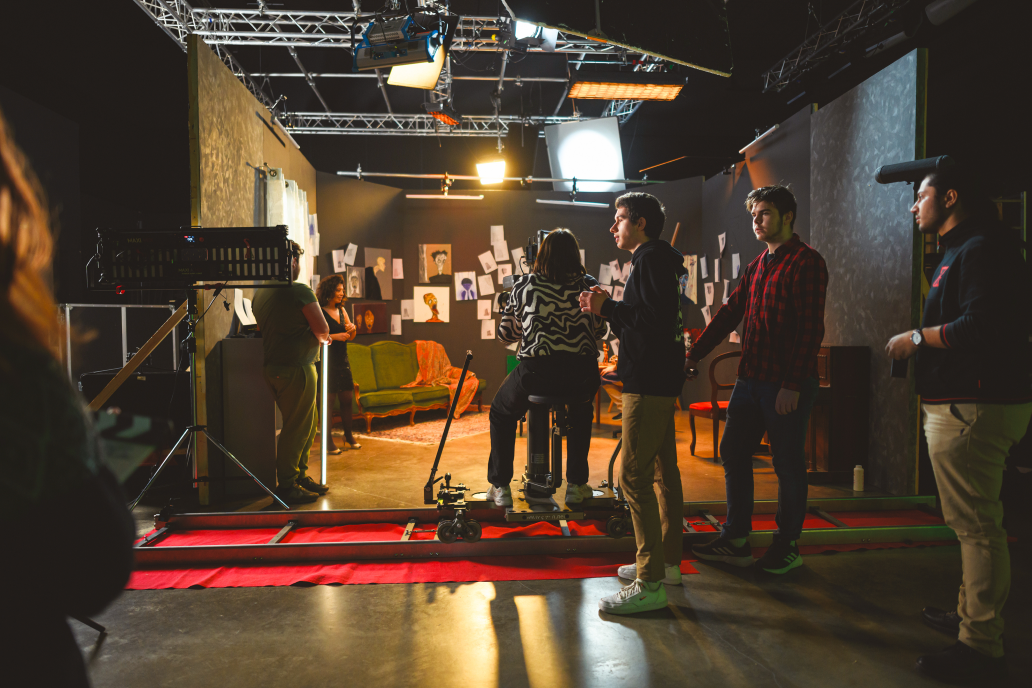
In the third year, students are required to produce films in their specialisation (whether image, production or post-production) in line with professional specifications. They must also design and direct a short film as part of a team, using all the skills they have acquired, in conditions similar to those of a professional production. This year also aims to develop solid qualities and skills in teamwork and project management. Finally, students develop and present a personal and professional project, which they justify through a written dossier and an oral presentation.
Projects :
Our campuses in France
Bordeaux, Lyon, Montpellier and Nantes: four creative campuses, four ways of experiencing cinema, one commitment to excellence.
FAQ
Here are some of the most frequently asked questions. Don't hesitate to contact us if yours isn't here.
Our "Cycle professionnel Cinéma et Audiovisuel" course leads to certification, i.e. it prepares students for a professional qualification registered with the Registre National des Certifications Professionnelles (RNCP). It is classified at level 6 of the national and European qualification frameworks, which corresponds to a level of qualification equivalent to Bac +3/4. This registration in the RNCP attests to the official recognition by the State of the skills validated at the end of the course and their relevance to the needs of the labour market.
We are a public school with no government contract, which means that our students are not eligible for Crous grants. In order to make it easier for some students to access our training, internal grants are also awarded, subject to conditions, from the 2nd year of study at CinéCréatis.
We will inform you of our response by return e-mail within 48/72 hours.
You can only have one admissions interview per year, at any one institution. You must therefore select the campus of your choice during the application process.
During your interview, several points are important: your academic record, your motivation, your general knowledge and your artistic record. This file contains your personal work in the audiovisual field in the broadest sense. This work may include video, photography (e.g. framing, lighting, colour, editing, real effects, digital special effects, stop-motion), sound (e.g. real-time recording, sound editing or sound design), writing (e.g. screenplay, dialogue, directing or acting intentions), experience in the field (e.g. location management, association production, festival) and any other audiovisual-related work or experience.
There is no competitive entrance examination or recruitment process, and admissions are made throughout the year according to the number of places still available. We will contact you as soon as we receive your application to arrange a date for your interview. The interview is an oral and individual interview, during which you present your personal work. Your academic record, general knowledge and motivation are also taken into account.
Our role is to provide the best possible support in the professional world. We want students to take as many steps as possible to find work placements. This enables them to make contact with professionals, some of whom will become their future employers. However, we are always available to help students who are experiencing difficulties. We provide students with a list of organisations that have already taken on students and distribute the work placement offers that we receive.
There is no age limit for this course. You can enrol at any age.