- promotion
Damien Masson
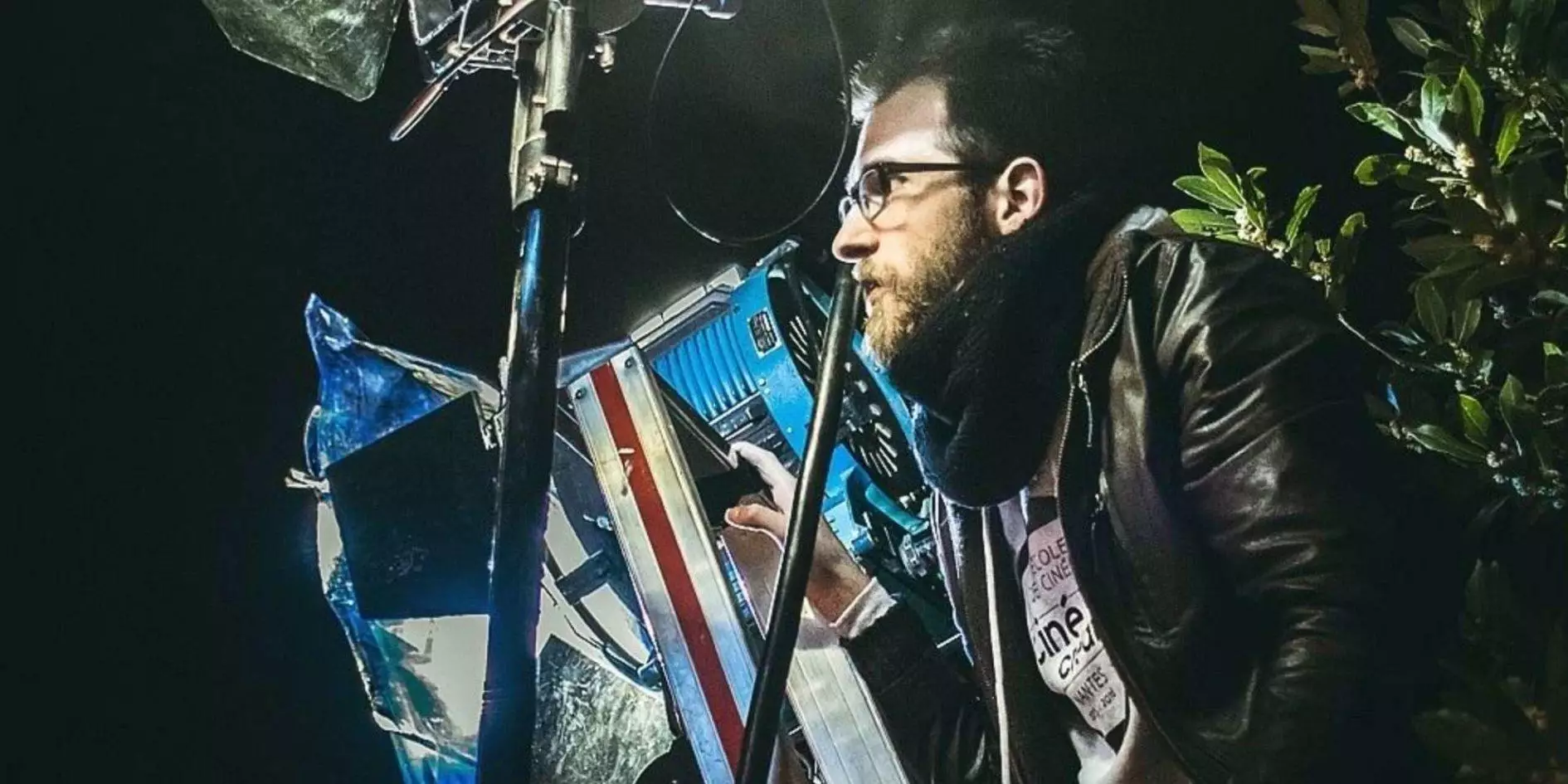
A passion for images
His years at CinéCréatis
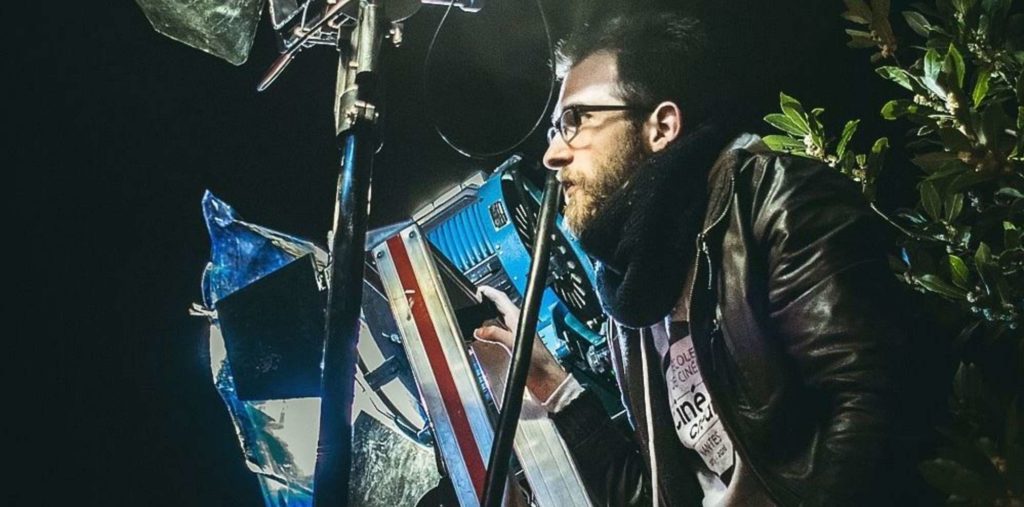 Damien Masson
When he joined CinéCréatis in 2013, Damien had a project in mind: to become an assistant director.
However, it’s only as the years go by and he discovers more about the film industry that his true path becomes clear to him: that of the image. So it was in the technical field, and in lighting in particular, that Damien chose to develop his career.
 Panalux
“Two days after graduating, I was hired by Panavision Panalux France, in the lighting department. I was highly motivated by the idea of being able to improve my technical skills in a renowned equipment rental company with technicians who were used to the job.”
It was an initial experience that lasted 3 years, during which he did a series of set-ups and teardowns on shoots. “I learnt to understand and use the whole range of lighting projectors available on the market. It’s also where I learnt how to make electrical connections worthy of major productions. In short, it was an experience that really set me apart!
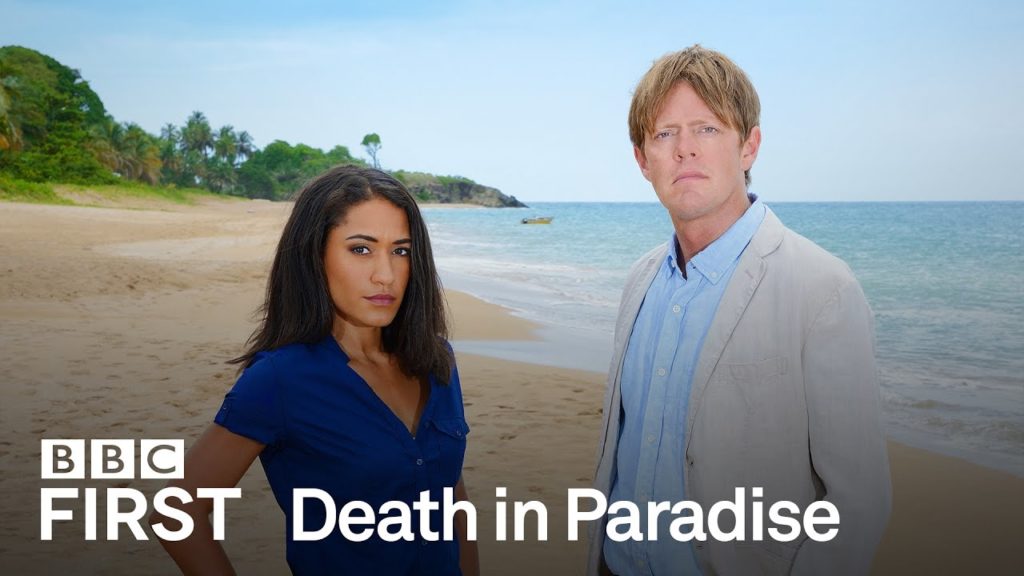 Death in Paradise (BBC)
At Panalux, he worked on an advert for Cartier, “a real slap in the face in terms of lighting and decor installation”, and on the BBC series ” Death in Paradise “, “a defining experience for the shooting conditions and the scale of the production”.
In 2019, he was poached by the RVZ company, lighting section, which covers a huge proportion of advertising productions in Paris. “It’s a new challenge, not least because of the scale of the projects we’re given.”
Back to CinéCréatis
On the subject of projects, he is slowly returning to screenwriting. “The ideas are blossoming in my head and I feel even more attracted to writing than ever before. But to be quite frank, film will always be my first love!
He will also soon be returning to CinéCréatis, but this time as a teacher at the Campus Créatif in Montpellier.
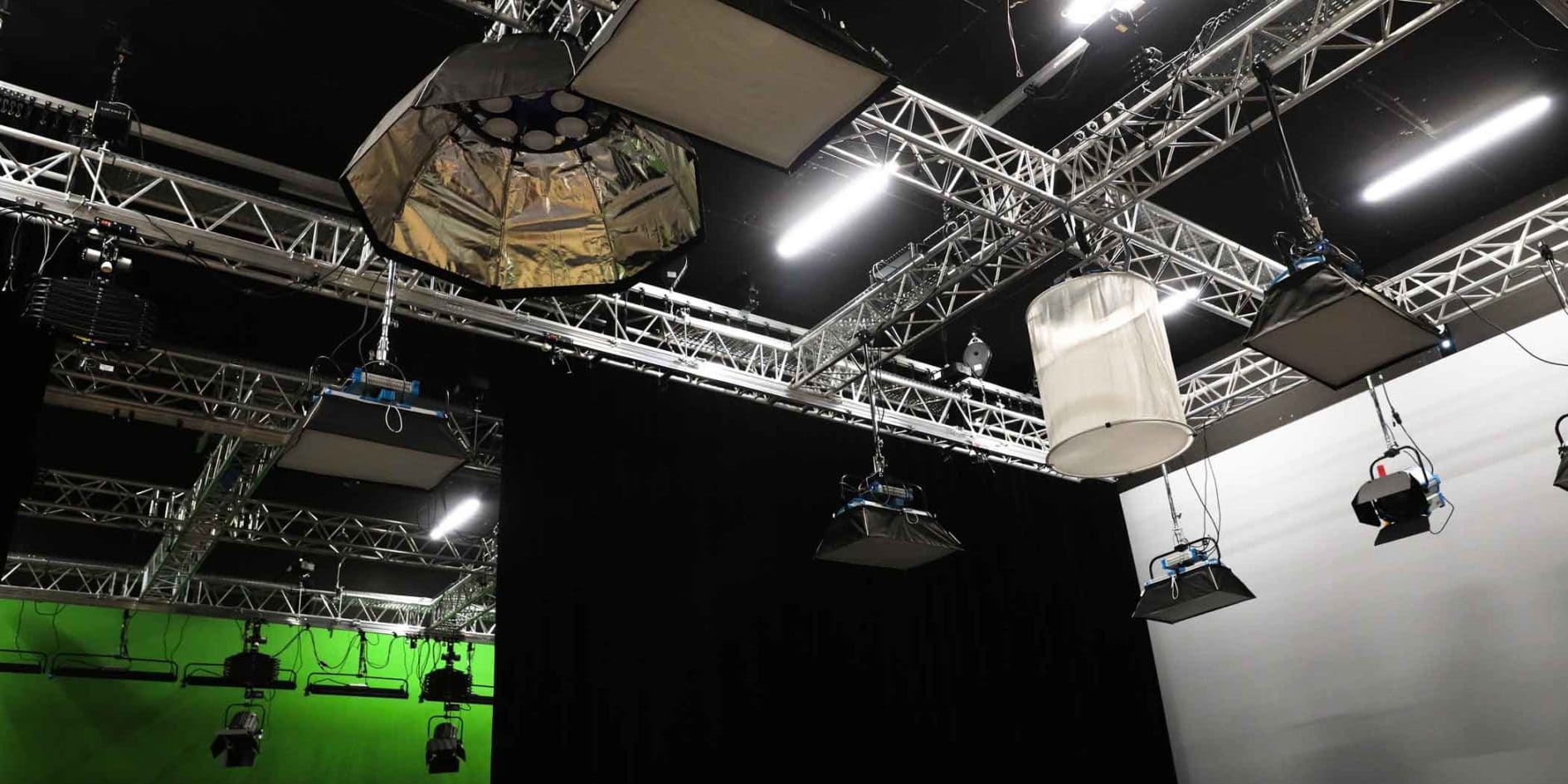
“I’m really looking forward to sharing my knowledge and experience with future students. It’s a very exciting project in a new infrastructure that will offer a studio and equipment worthy of professional studios”. The project has come full circle.
What advice would you give to students during their studies?
“First of all, make the most of these three years of study. Time passes so quickly that you soon see yourself far behind CineCréatis in the professional world. And really, having been a student at CineCréatis Nantes, I sometimes feel nostalgic about my years there.
It’s hard to explain, but I think it’s an incredible opportunity to be surrounded by people who share the same passion as you and with whom you’ll be able to produce audiovisual works throughout your studies. There’s a unique aura that you have to savour to the full and that forges truly unforgettable memories.
Another important piece of advice. Even if you come to CinéCréatis with an idea of a profession that interests you, you should forget that idea and discover for yourself all the professions on a film set before specialising, which is done in the second year.
It’s only by practising and changing jobs that you’ll really discover what you’re really made for.
I came to Nantes with the idea of becoming an assistant director and I came out of it particularly attracted by the image and especially the jobs related to lighting.
Every position is important in the production and direction of a project, from sound technicians, stage managers and set designers to the highest positions in the end credits. From my point of view, there really needs to be unity on a shoot, so that everyone understands the importance of each other’s role if the work at stake is to be the best it can be.
As I said earlier, it’s a good idea to always be improving your technique, whether at school or in the professional world afterwards. You have to keep learning and not rest on your laurels if you want to master the tools available to you.
Give your all to every project during your three years of study (photography, video, all of them). Leave no room for regrets.
Finally, when I watch a making-of of a film that I really enjoy, I realise one thing every time: it’s that the team always puts their heart and soul into making sure that every detail of the film is as representative of their vision as possible. It’s all in your hands and your will, individually and collectively.