Decorator

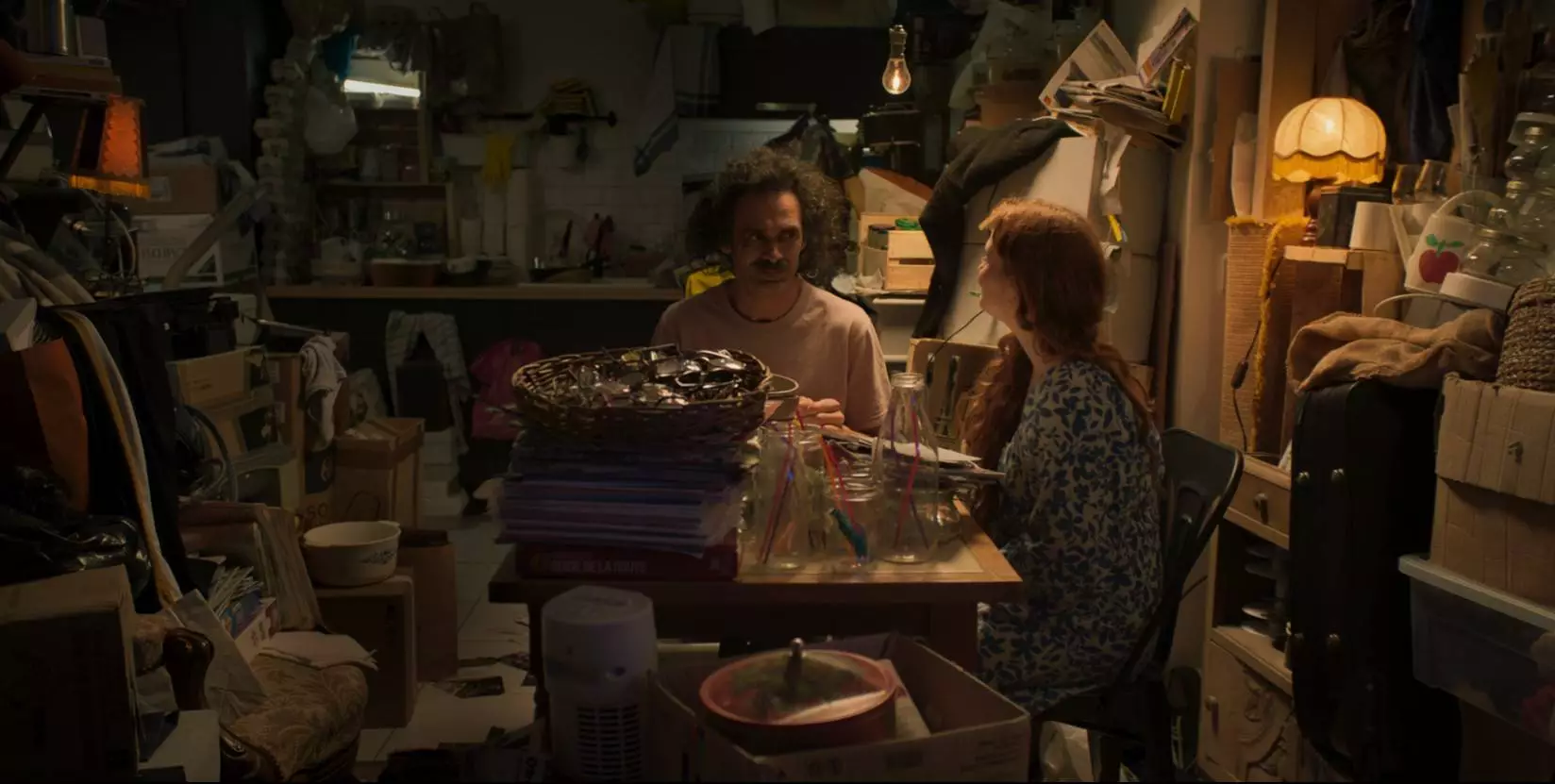
In the great family of cinema professions, the set designer is something of a magician on the set! By turns an architect, a handyman, an antique dealer or the king of system D, they create sets that tell a story as well as the actors’ dialogue. In the set designer’s profession, a passion for the cinema meets a taste for scenography and decoration, to create worlds that leave a lasting impression on the spectator’s eye and give the illusion that everything is real… even when everything is fake…
Tasks and roles of the set designer
Who hasn’t marvelled at the flamboyant, meticulously orchestrated sets in Wes Anderson’s film The Grand Budapest Hotel? Behind this dazzling result lies a veritable army of talented and passionate set designers, whose work was rewarded in 2015 with the Oscar for Best Set Design.
The decorator’s tasks
The set designer’s tasks are vital in a film production, but he never works alone. They are surrounded by assistant set designers and prop designers, who are real detail hunters and know how to find the perfect object. The technicians also guarantee the solidity and feasibility of the structures, while the lighting designers use light to sculpt the atmosphere. Finally, the head upholsterers take care of the fabrics, materials and finishing touches. Together, they form a veritable symphony of professions that complement the decorating profession. Their specific missions are as follows:
- Translate the world of the script into credible, aesthetically pleasing sets, in line with the director’s vision. To do this, the set designer must imagine and design the spaces (drawings, plans, 3D models) in order to present proposals.
- Plan the layout of natural sets.
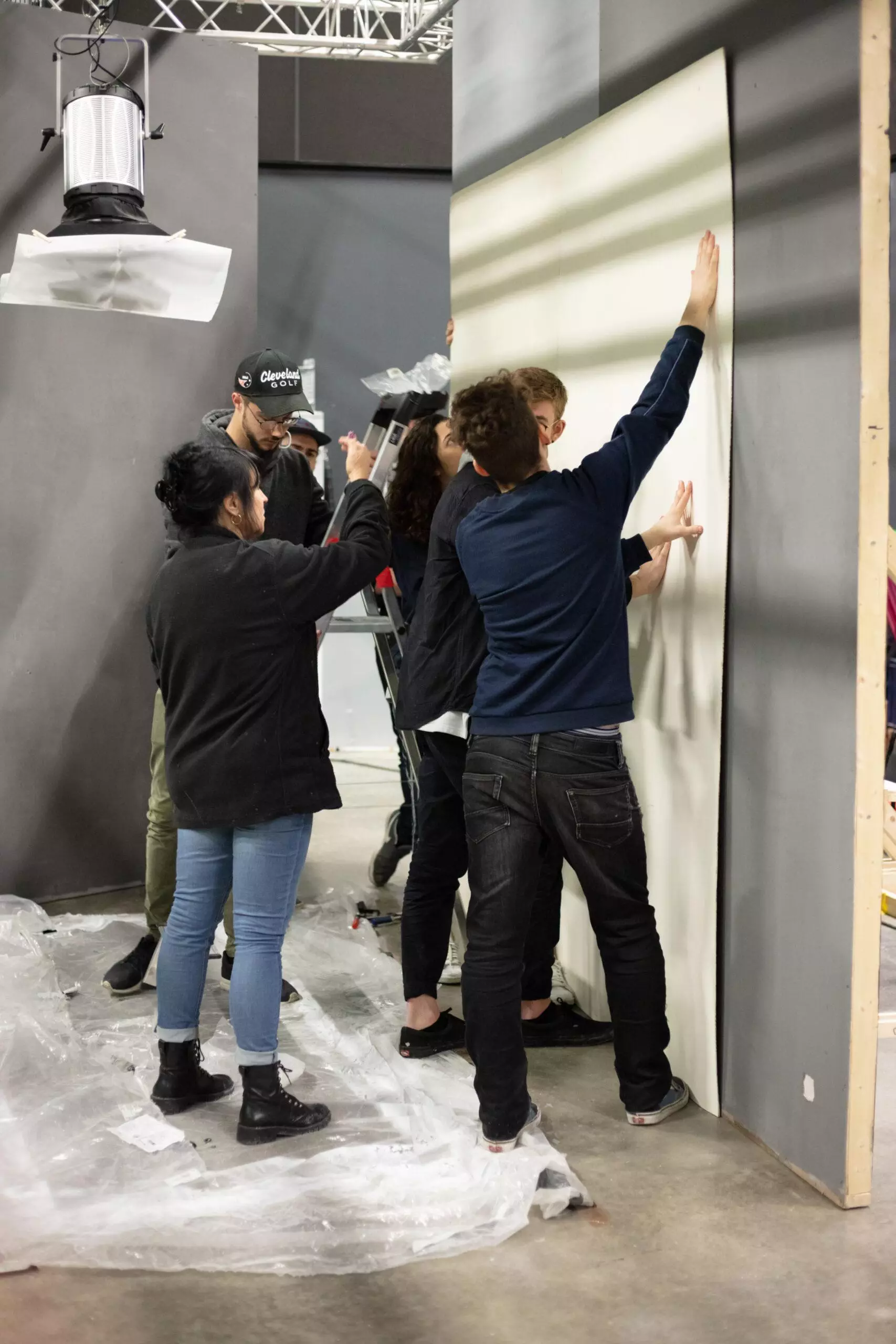
- Overseeing the manufacture of made-to-measure elements adapted to the needs of the shoot (in liaison with the crew).
- Selecting and harmonising the furniture and accessories that will enrich the atmosphere and add realism and depth to the image, and choosing the objets d’art that will give a real soul and authenticity to the locations.
- Respecting the budget and technical constraints set by the production team.
The duties of a set designer are many and demanding, but two imperatives always guide their work: to remain faithful to the world imagined in the script and to the overall artistic project, and to respect the budget.
The role of the set designer
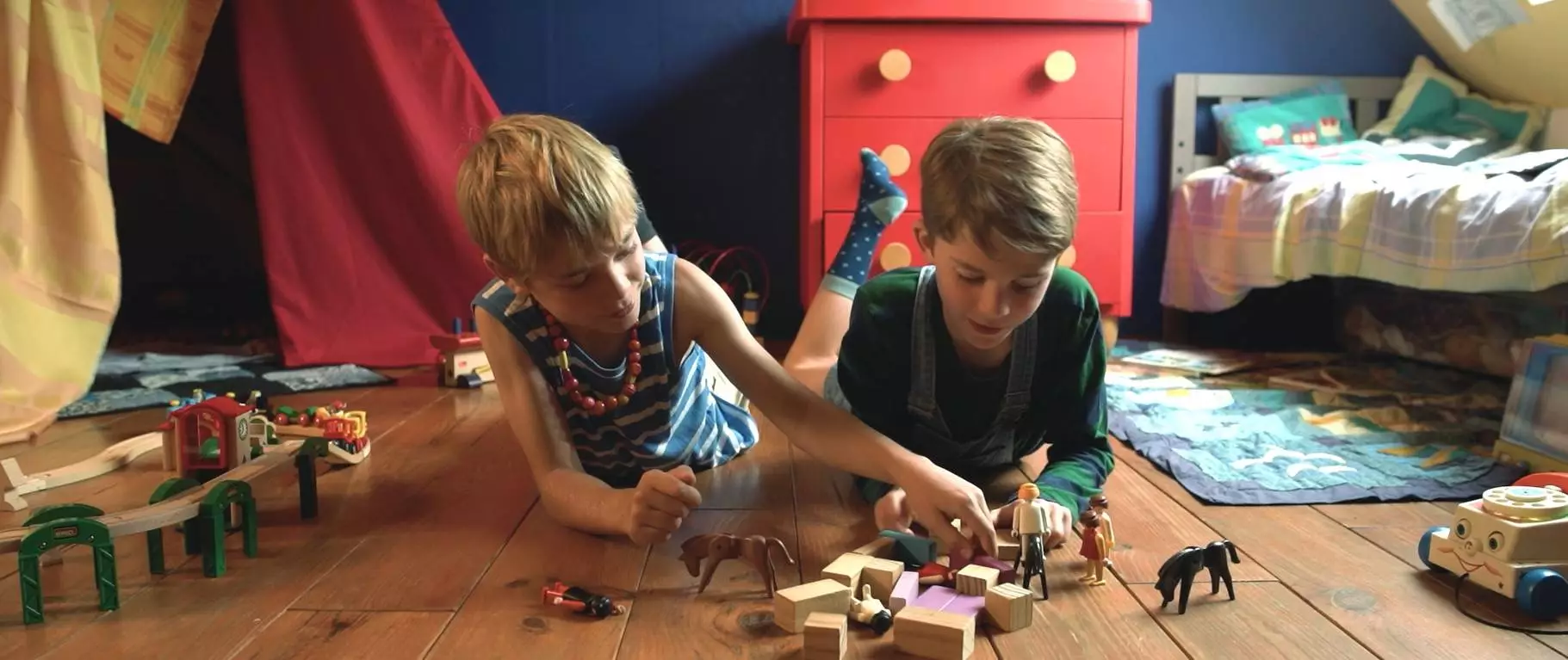
The set designer is the invisible painter of the film’s world. Their sets do more than simply serve the action: they tell a story, arouse emotions and immerse the viewer in a world of their own.
Skills and qualities needed to work as a set designer
A key player in the visual creation of cinema, the set designer imagines, organises and creates the spaces in which the characters move around. To succeed, they need both the personal qualities and technical skills required to transform an artistic vision into tangible, immersive sets.
The skills required
- Adaptability to a variety of environments, to design sets for all types of film, whatever the style or genre.
- Manual skills. A true craftsman on the set, the set designer can create or supervise the manufacture of bespoke, specific set elements, from the smallest detail to complex structures.
- Designing and presenting proposals to translate the director’s ideas into plans, models or visuals that can be used for validation.
- Artistic and technical coherence to harmonise aesthetics, functionality and technical or budgetary constraints so that the set serves the story perfectly.
Personal qualities
- A proven sense of aesthetics, enabling her to immediately perceive the harmony of shapes, colours and textures, so as to create visually coherent and seductive decors.
- A broad artistic culture combined with an open mind, offering a wealth of influences, from classical art to contemporary trends and popular traditions.
- A strong ability to listen and analyse. The decorator must have a thorough understanding of the director’s intentions and a precise grasp of his or her needs, in order to propose appropriate and relevant solutions.
Tools and software used by decorators
Traditional tools
- Sketchbooks
- Physical models to visualise the space and test ideas before moving on to the full-scale decor
- Rulers and squares
- Materials and samples to test textures and colours
Digital tools
- For plans and modelling: AutoCAD, SketchUp, Revit, Vectorworks
- For visuals and moodboards: Photoshop and Illustrator
- 3D rendering: Cinema 4D, 3ds Max or Blender
- Graphic tablets for direct digital drawing.
Which baccalaureate should I choose?
While there is no single pathway to becoming a film set designer, some courses are particularly suitable. The important thing is to develop artistic sensitivity, technical know-how and knowledge of architecture and design. The following baccalaureate courses are recommended:
- General baccalaureate, specialising in the arts: Plastic Arts, History of the Arts, Literature or other subjects promoting artistic culture.
- Technological baccalaureate: STI2D (Architecture and Construction) may be useful for the technical and design aspects.
- Bac professionnel (vocational baccalaureate) specialising in arts, crafts or decor (decoration or scenography option) to acquire manual skills.
Training and qualifications to become a decorator
Working as a film set designer requires solid skills in design and the applied arts. These are generally acquired through artistic training. Schools of applied arts provide an excellent foundation for developing these essential skills, which students can then complement with training in film, to move into the audiovisual world.
The CinéCréatis school offers the Audiovisual and Film Production Designer course, which prepares students for the various professions in the film and audiovisual industry. From the 3rd year onwards, students have the opportunity to choose a specialisation (production, image or post-production), depending on their interests and career ambitions, in order to prepare themselves for the professional world.
What does a set designer earn?
The salary of a film set designer can vary depending on the production, the budget allocated and the status of the professional. Freelance decorators may also see their income fluctuate depending on their reputation and the projects in which they are involved.
Average salary for a beginner set designer
At the start of their career, film set designers can expect a gross monthly salary of between €1,640 and €2,150, depending on the type of production and their status (salaried or freelance).
Average salary for an experienced set designer
With experience, particularly as a senior set designer, salary can rise to €2,000 to €3,000 gross per month.
For highly experienced professionals, particularly those with a solid reputation or working on large-scale productions, salaries can exceed €4,300 gross per month, or around €72,000 gross per year.
Career opportunities
As the years go by and experience accumulates, film set designers can broaden their skills and move up to positions of greater responsibility, in particular that of chief set designer.
Sectors and companies that recruit
Film set designers are in demand in a variety of sectors and by many companies working in the audiovisual and entertainment industries.
- Film and television production
- Shooting studios and companies specialising in set hire
- Scenic workshops (they work with set designers to create made-to-measure elements for film and theatre productions)
Which school should I choose to become a set designer?
To become a film set designer, you need training that combines visual culture, practical production and on-set methods. CinéCréatis provides this foundation through supervised projects, design and construction workshops, filming and work placements. Other courses are also available, focusing on set design, set construction or technical and logistical management of film sets, with a view to moving on to assistant set designer or director.
Film set