Video assistant
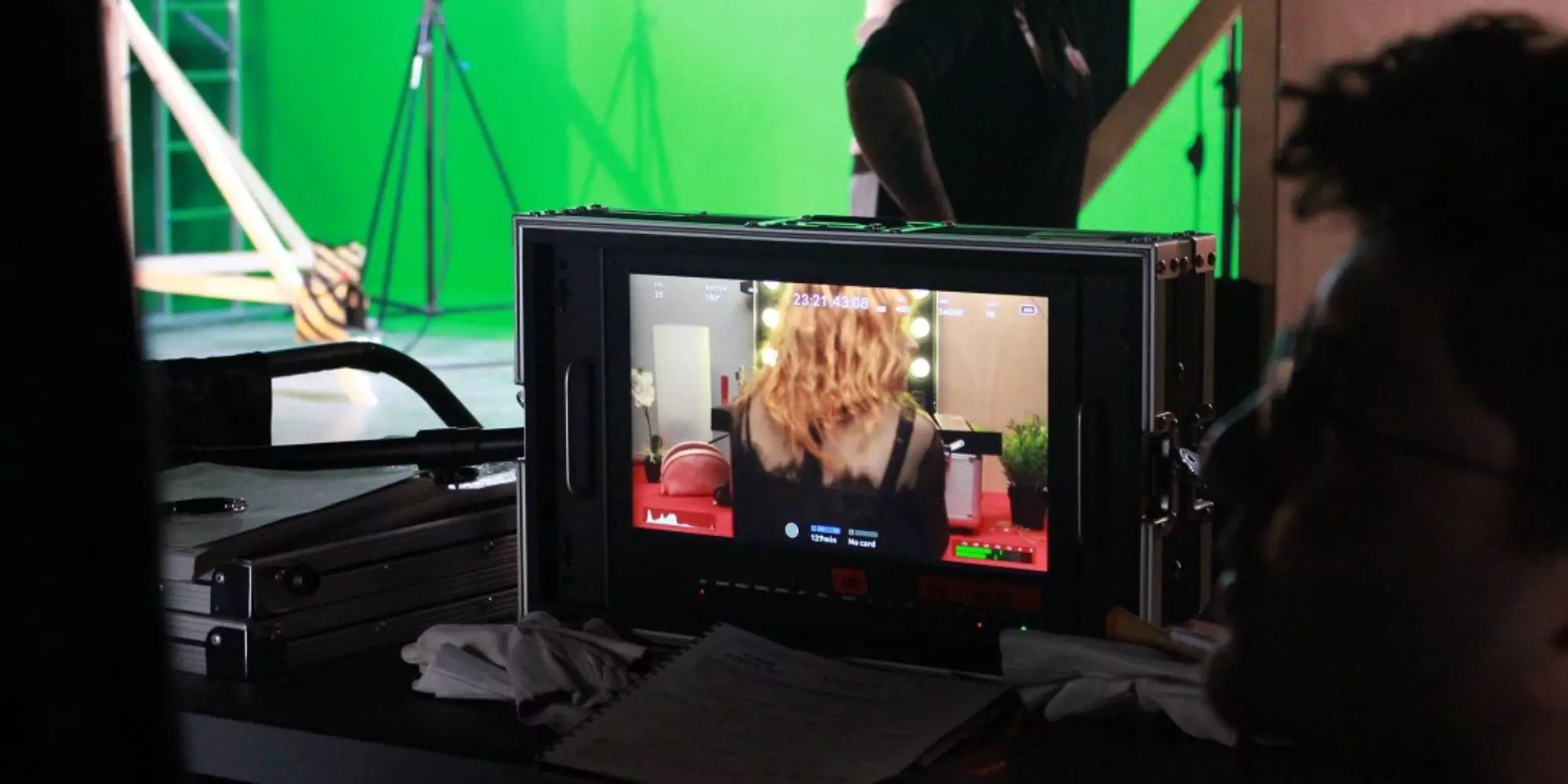
The witness in real time
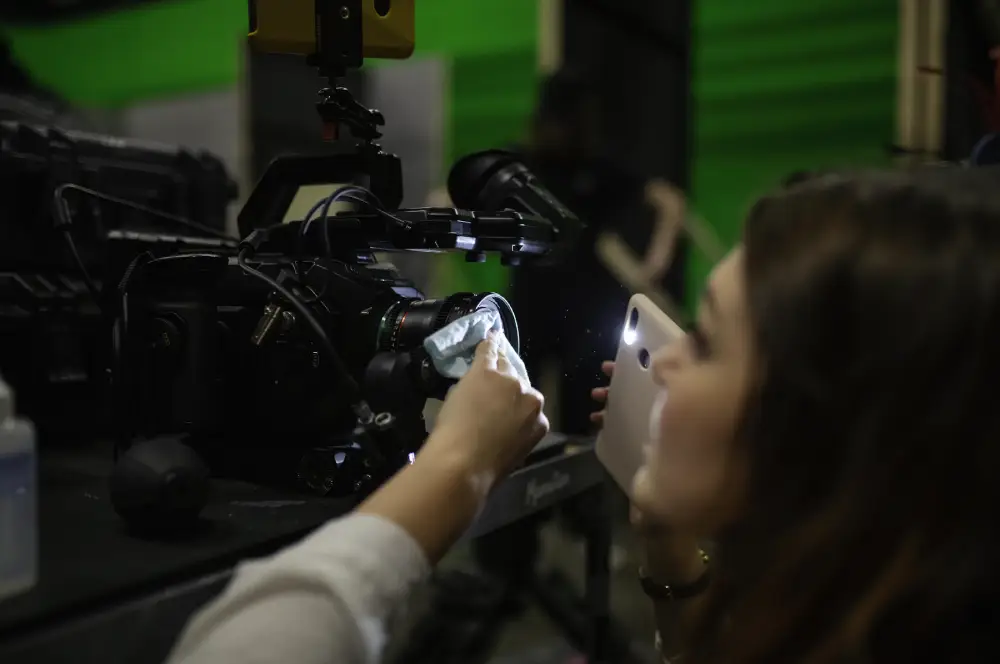
The video assistant is responsible for providing the film crew with images of the shots taken via a combo (a control monitor equipped with a video recorder player that allows the film camera’s footage to be viewed live and recorded).
The role of the Video Assistant
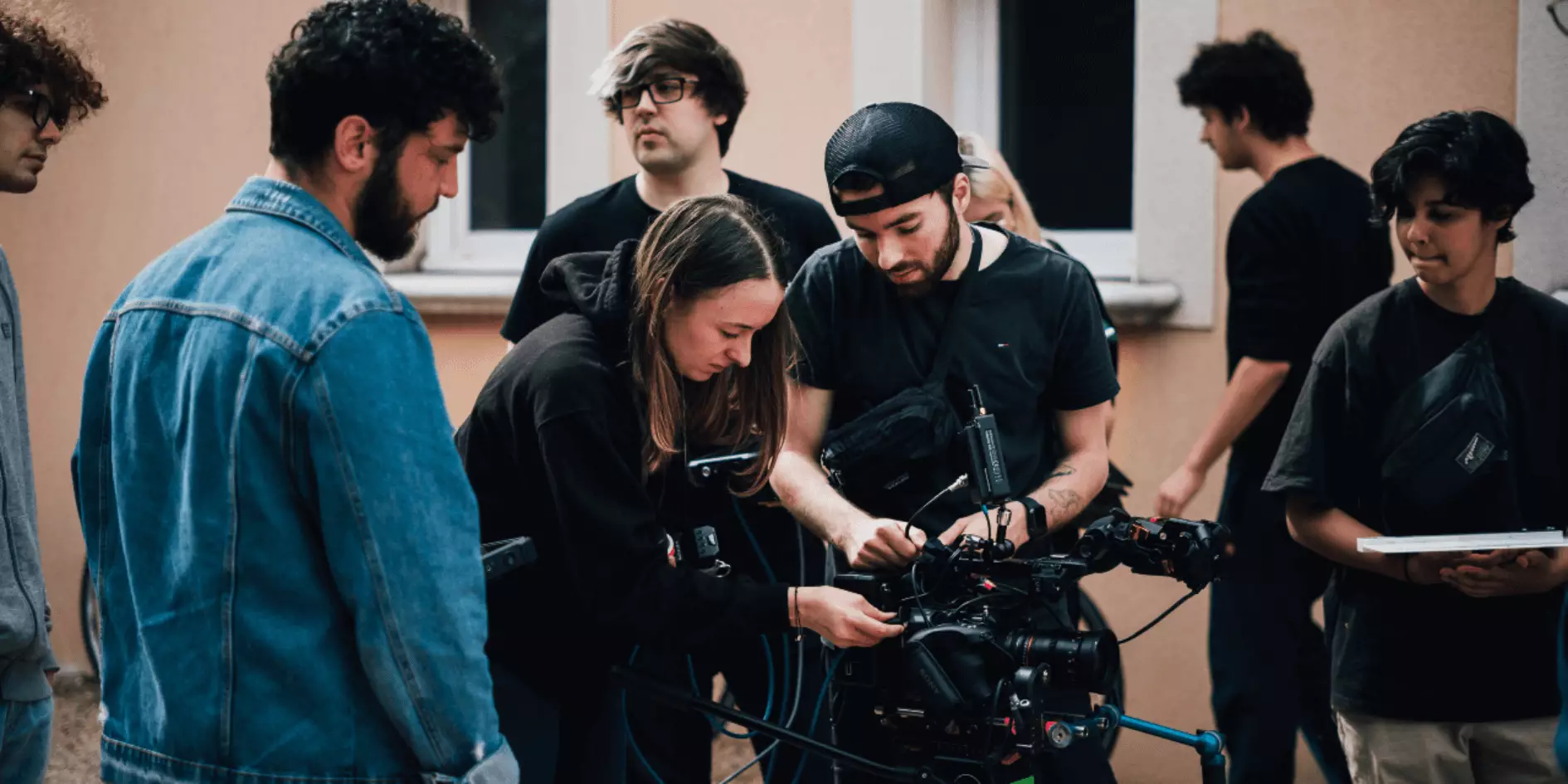
The picture-in-picture technician, also called assistant operator according to the Audiovisual Convention or “video assistant”, is a key position on the shoot, a fully-fledged member of the camera team.
Thanks to him, the technical team has a “video return control” at the camera’s output, by implementing all the necessary means (HF video links, cables, etc.).
The director and script supervisor can view the scene live or review the shots at a later date.
The video assistant also manages the equipment by charging the batteries in the cameras and shooting accessories.
This job already existed in the days of film. With the advent of digital technology, it has become a little more complex. Firstly, with the emergence of new types of equipment: digital video recorders, HD wireless transmission systems, converters, distributors; but also with the number of monitors…
Skills and qualities
The way in which camera crews work varies greatly from one shoot to another. One shoot does not necessarily resemble another.
The main quality of a video assistant is therefore to be able to adapt to each situation according to what is asked of them.
As a result, they need to be fairly open-minded in the way they operate, because not all camera crews work in the same way.
With experience, the video assistant must be able to show initiative and become a driving force in the camera team.
A little history…
A little history can’t hurt! Video feedback has been around since 1956, but it was really used on the film The Bellboy in 1960. Jerry Lewis was both director and actor on this shoot, so it allowed him to act and visualise the scene afterwards.
His career and development opportunities
Do you dream of working on a television or film set?
To become a video assistant, it’s essential to follow a specific training course in the image professions, like the one offered by CineCréatis. There’s nothing like solid technical and artistic training to give you a head start in the profession.
Video technicians are often employed on a casual basis, working variable hours depending on the event being filmed.
The big screen is a dream for many young people, but the sector does not hire many people. On the other hand, many private companies are developing that produce and direct advertising films and TV movies.
An experienced video assistant can progress to a position as cameraman for film or TV productions.