Chief film sound editor
Chief film sound editor
The film (sound) editor decides on the length of shots and sequences for a film and makes the connections to ensure that the work flows smoothly.
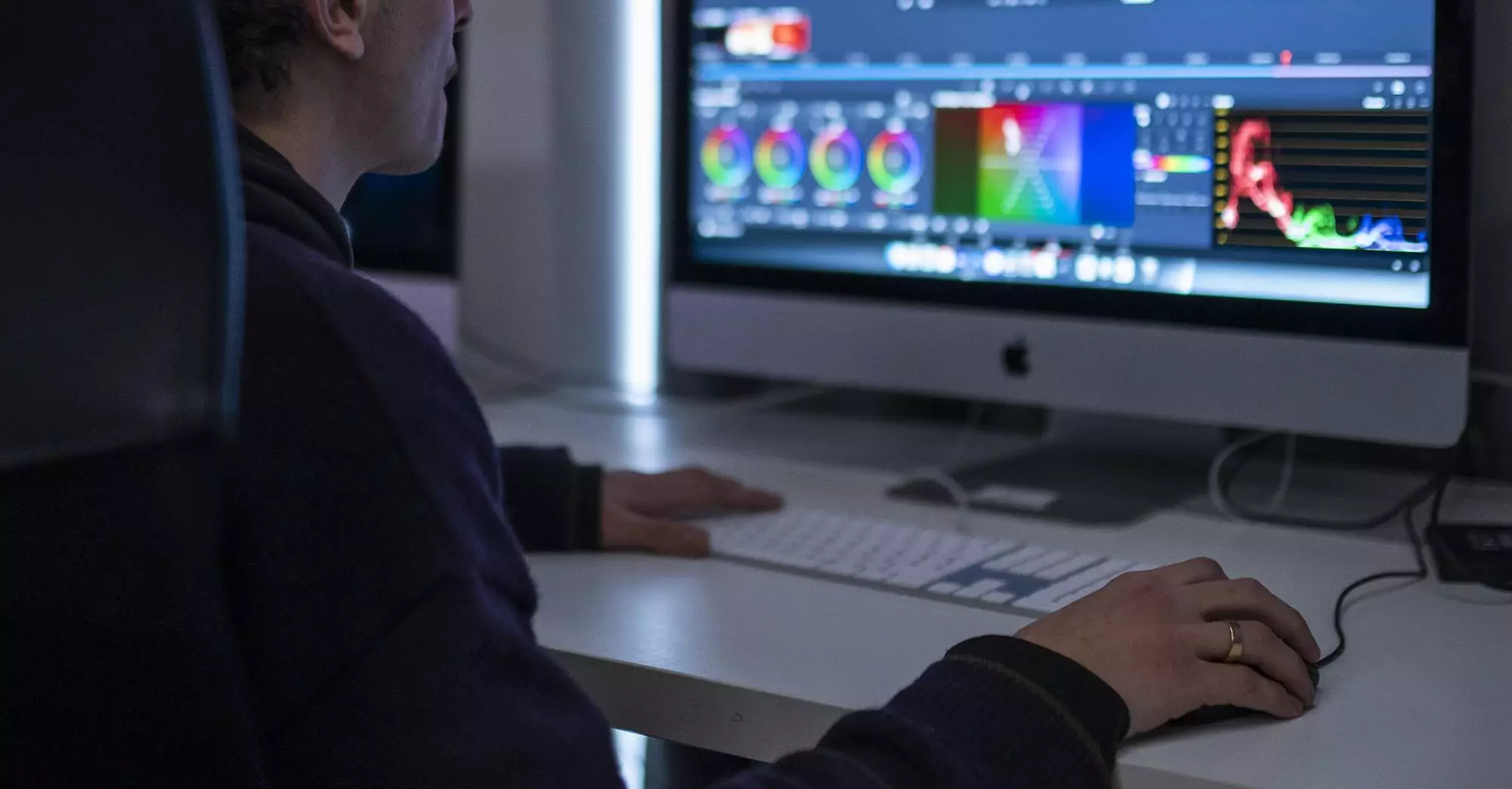
Images, sounds, he spends most of his time in front of his rushes to bring the cinematographic work to life.
Here’s what you need to know about their tasks, training and skills, among other information.
Role and missions
The chief film editor will view hours of footage, sometimes retaining only a tiny fraction of it.
He selects the shots and places them in sequential order. He decides on the length of the shots and the sequences to be spliced together to ensure fluidity.
After the images come the sounds: dialogue, sound effects and sound effects must be adjusted to the images and the sound level adapted to the film as a whole.
Depending on the size of the film, a chief sound editor may be assigned to this task. He organises the sound stages: sound effects, sound creation, post-synchronisation and mixing. He talks to the director to find out what he wants, and together they listen to the sounds recorded during filming to choose the best ones to enhance the images.
Diplomas and training
The job of chief film sound editor is a demanding one, requiring solid training in the audiovisual field. The 3-year CinéCréatis course provides a solid grounding before specialising in the final year.
Skills and qualities required
As an image and sound professional, you need to be constantly updating your knowledge of the new editing and creative software you will be using every day.
An artist at heart, the chief film editor can suggest directions to take to the director in order to add real value to the film.
Organised, this professional knows how to be meticulous to ensure that the cinematographic work is set to perfection.
Often assisted by a team, they have good interpersonal skills and are able to plan everyone’s work so as not to waste time.
The chief editor spends entire days sitting in a confined space in front of the images, sometimes late into the night. He must be able to manage fatigue and always remain focused on his shots so as not to miss anything.
Film sound editors must have a real artistic flair, a keen ear and excellent coordination skills, particularly during mixing. In cooperation with the director, they have the onerous task of choosing the best sounds.
Careers and career opportunities
Chief film (sound) editors start out as trainees to learn, before becoming assistants and then chief editors. This captivating profession can be very stressful in the long term, not least because of the very tight deadlines that have to be met and the not always easy relationship with the director.
Editing in the film industry is a regulated profession, requiring a professional card issued by the Centre national du cinéma (CNC), which is awarded to professionals who have completed a 3-month internship in a film laboratory, as well as 3 editing internships on 3 French feature films.
Salary expectations
Chief film (sound) editors are often hired on a casual basis for the duration of the editing contract. In general, it is the directors who call on the services of chief editors.
On average, they are paid €1,500 gross per week.