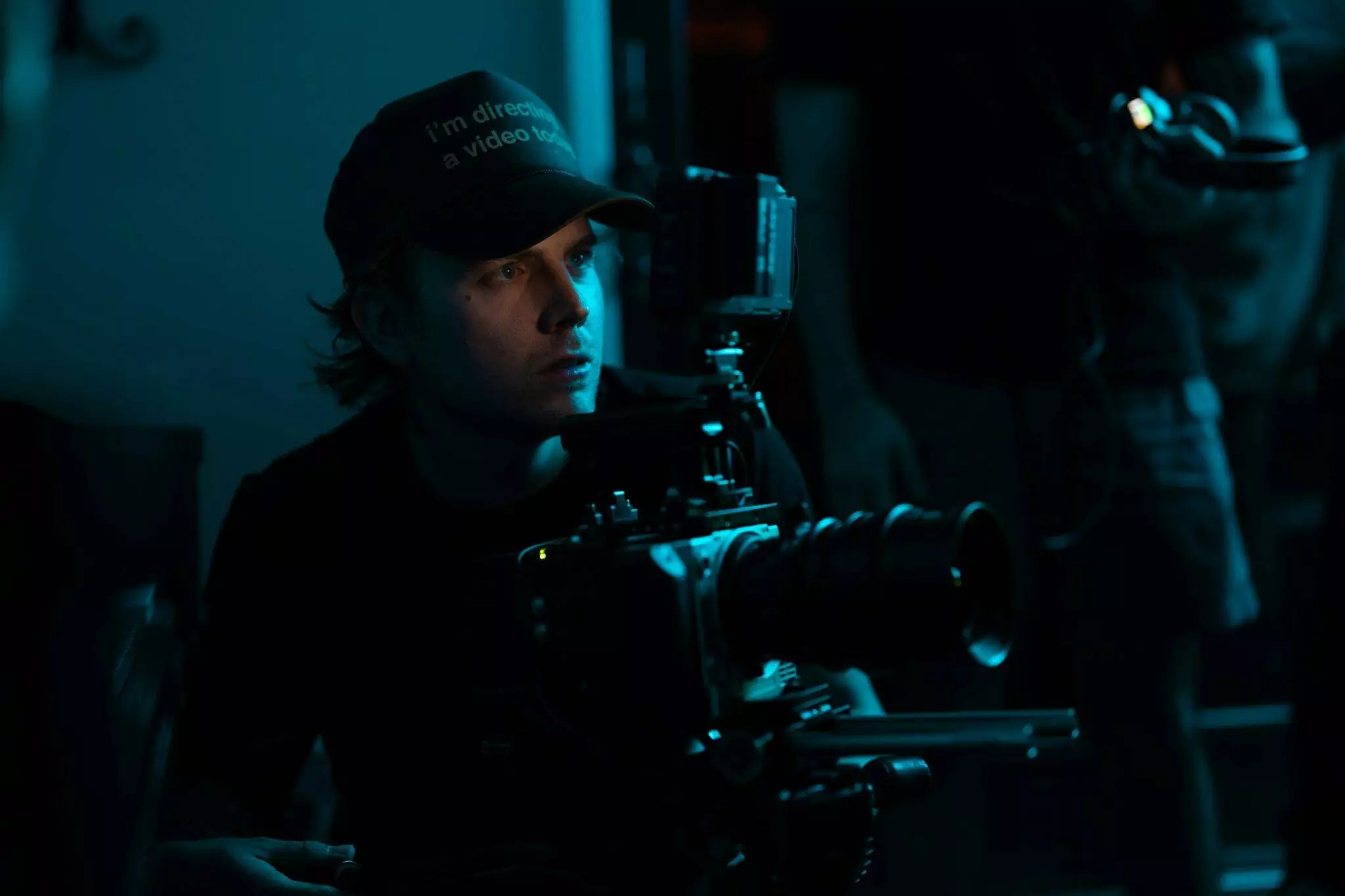
Production Manager
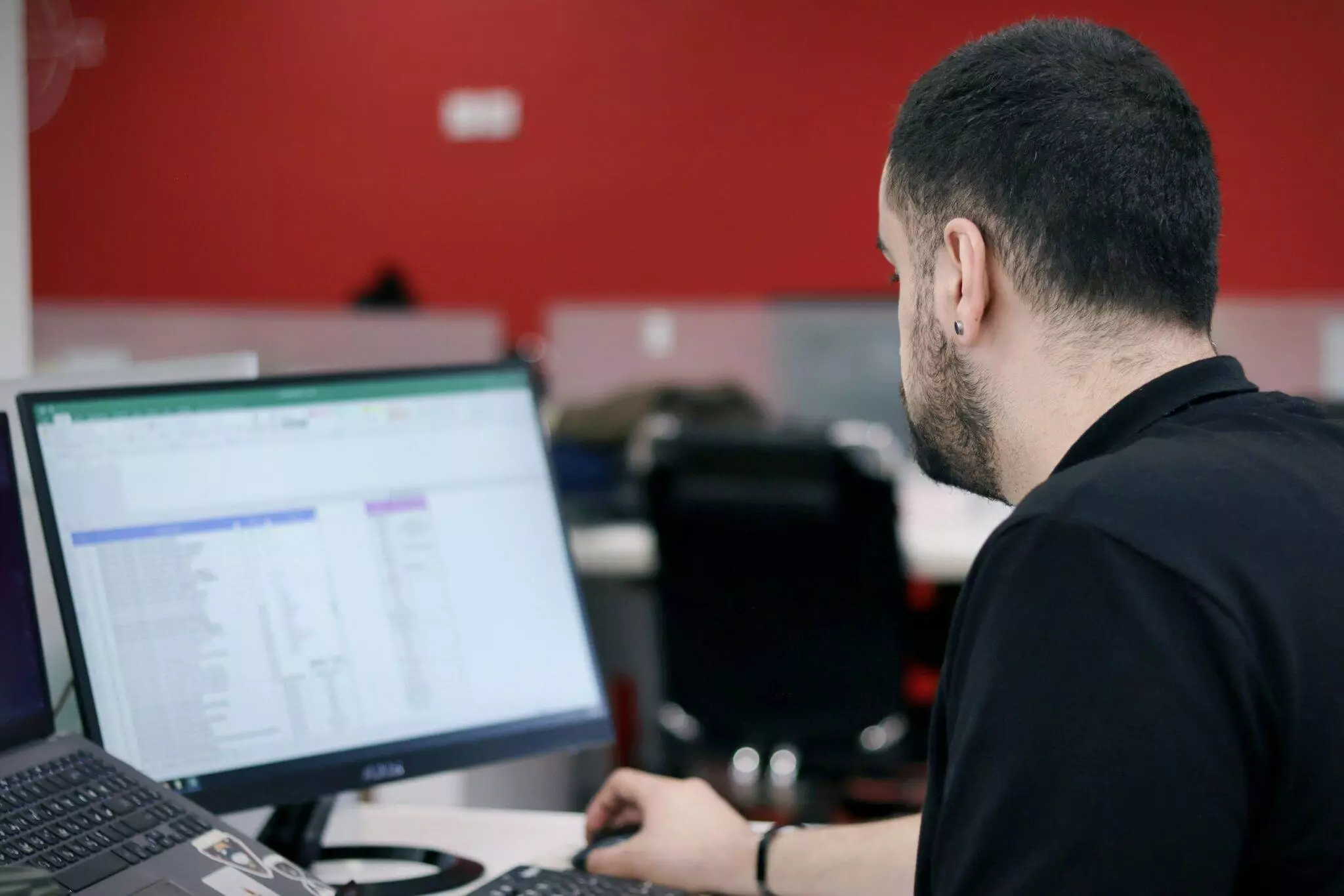
The production manager is the orchestrator of the logistical, financial and technical implementation of a film or audiovisual project. Whether it’s a film, a series, a documentary or an advert, nothing gets off the ground without him! He or she juggles schedules, manages budgets and ensures that everything runs smoothly, on time and on budget, with that little bit of artistic flair that makes all the difference.
Tasks and roles of the production manager
Main tasks: from idea to screen
- Assessing the feasibility of the project on the basis of the script and the estimated budget.
- Drawing up the production budget (estimating shooting costs, crew and personnel requirements, sets, equipment, post-production, etc.). As an astute strategist, the production manager negotiates the price of shooting-related expenses.
- Planning and organising the entire shoot in line with the schedule, locations and teams. They ensure that human, technical and financial resources are properly coordinated.
- Monitors and controls the project budget.
- Assembling, supervising and coordinating the technical team (foremen, service providers, subcontractors) and the administrative team.
- Organising and supervising the logistical aspects of the shoot, including obtaining all necessary permits and managing travel, equipment and facilities.
- Overseeing all stages of post-production, from final editing to audio mixing and special effects. The project must be delivered on time, in accordance with the artistic and technical requirements.
- Transition to post-production: editing, mixing, colour-grading, VFX, etc. and coordination (editing, colour-grading, special effects, mixing, etc.).
- Final delivery of the project within the deadlines agreed with the broadcasters or line producers.
- Resolving unforeseen problems.
Your role: managing the film
The production manager is responsible for ensuring that the project runs smoothly from the pre-production phase through to post-production. Like the captain of a ship, they ensure that everything runs smoothly, on budget and on time. As such, they play a pivotal role between production, direction and external service providers. To carry out all these tasks, he or she is supported by the location manager and the production assistant.
Skills and qualities needed to be a production manager
Combining diplomacy, stamina and creativity, production managers not only have a good address book: they also have nerves of steel and an innate sense of resourcefulness!
Key skills
- A sound knowledge of the film and audiovisual industry and of filming.
- Excellent financial management skills.
- Proficiency in planning tools and production software.
- Excellent organisational and negotiating skills.
- Be familiar with labour regulations in the film industry, relations with trade unions and the CNC’s financial support schemes, so as to produce a project that is legally sound and financially optimised.
Essential qualities
- A proven artistic sense, as the production manager works in the service of a creative work. They need to understand the director ‘s vision in order to convey it visually and emotionally.
- A flair for communication and genuine leadership, to effectively coordinate all the teams and take swift decisions in the event of unforeseen circumstances. These qualities help to motivate everyone, maintain cohesion and ensure that the project runs smoothly.
- Good resistance to stress in the face of a variety of tensions.
- A solid sense of resourcefulness to deal with the constant hazards of filming.
- A strong character to stand up to the multitude of people you will be dealing with.
Tools and software used by the production manager
Budget and financial management
- Movie Magic Budgeting: a reference tool for establishing and monitoring production budgets (feature films, series, documentaries, etc.)
- Cinégestion/Movinmotion: financial and administrative management (expense reports, contracts, salaries)
- Peplum to manage costs and track expenditure in real time.
Planning, shooting and coordination
- Movie Magic Scheduling: detailed shoot planning
- StudioBinder: audiovisual production management to automate and centralise pre-production and production tasks and facilitate collaboration between teams
- Final Draft/Celtx: writing tools integrating cutting and shooting logistics
Administration, contracts and HR management
- Movinmotion: a complete platform for managing contracts, payroll and intermittent workers’ declarations
- CNCPro portal: track CNC grants and subsidies
Post-production and technical monitoring
- Frame.io: collaborative viewing of edit versions
- DaVinci Resolve: monitoring of editing, quality control
Communication and reporting
- Slack: rapid internal communication between teams
- Airtable: database management (extras, sets, equipment)
Which vat should I choose?
There are 2 ways to become a production manager in the film or audiovisual industry: a general baccalaureate or a technological baccalaureate.
General baccalaureate stream
- Specialisation in “Economic and Social Sciences (SES)” and “Mathematics” to acquire a solid grounding in management, economics and budget analysis.
- Humanities, Literature and Philosophy” and “Arts” to strengthen artistic culture, written expression and understanding of the creative environment.
- Numerics and Computer Science (NSI)” to understand the technological and digital tools used in audiovisual production.
Technological Baccalaureate stream
- The STMG bac (Science and Technology of Management and Administration) – specialising in Management and Finance or Communication. This provides an excellent basis for pursuing studies leading to a career as a production manager in the film or audiovisual industry.
- The STI2D bac may be an interesting option for becoming a film production manager, as it develops technical rigour, analytical and project management skills, as well as an understanding of production processes and technological constraints.
Training and qualifications to become a production manager
Training at Bac + 2 level
BTS in audiovisual professions (2 years) – Production management option. This highly practical course deals with planning shoots, managing budgets and coordinating teams.
Training at Bac + 3 level
Professional degree
-
- Licence pro Film and audiovisual professions, specialising in production management.
- Licence pro Digital professions, audiovisual production design and management.
- Licence pro Communication and production of audiovisual content.
5 years’ higher education: Master’s degree or specialised schools
To progress to the position of production manager, you need to go on to a master’s degree or specialist school.
University Masters
-
-
- Master’s in Film and Audiovisual Production
- Master’s in Audiovisual Management and Production
- Master in Economics and Management of Culture and Media
-
Recognised public schools
-
-
- La Fémis (Paris): Production department (Masters level), a highly selective school and a benchmark for the film industry in France.
- ENS Louis-Lumière (Saint-Denis): specialising in film or TV production.
- CNSMD / Partner universities: courses in co-production and international cinema.
-
CinéCréatis offers training to become an audiovisual and film production designer, combining artistic practice and technical mastery. This comprehensive course prepares students for careers in production, culminating in key positions such as production manager.
What does a production manager earn?
Salary depends very much on experience. It can be as much as double depending on the type of production and the status (salaried, casual or freelance):
Average entry-level salary
The average salary for a production manager at the start of their career is €3,000 gross per month.
Average experienced salary
The salary range for a production manager is between €5,000 and €10,000, depending on the project.
Career opportunities
The job of production manager requires several years’ experience. The profession offers a varied career panorama, from the big screen to television, from streaming platforms to advertising, not forgetting the creation of digital content. You could work as :
-
-
- Producer to finance and steer your project artistically and financially, often via your own company.
- Executive Production Manager to manage large productions and supervise several projects or teams.
- Audiovisual Project Manager / Digital Production Manager to manage the production of content for advertising and the web (clips, commercials, web series, etc.).
- Freelance on independent projects.
-
If you want to progress professionally, particularly in the film industry, you are strongly advised to apply to prestigious production studios.
Sectors and companies that recruit
-
-
- Production companies.
- Television channels
- Streaming platforms (Netflix, Prime Video, etc.)
- Advertising and communications
- Video games and multimedia to become an audiovisual project manager or video production manager.
- Cultural institutions, festivals, etc. to coordinate events or artistic productions.
-
Internationally, positions are regularly offered for European or international co-productions.
Which school should I choose to become a production manager?
The ideal school will offer a solid core curriculum in writing, filming, imaging and post-production, followed by a specialisation in production, with script breakdown, work plan, budget, team and authorisation management and the organisation of shoots in real-life conditions. You also need to look at the qualifications recognised by the State, the integration rates and the network of partner production companies.
Schools like CinéCréatis, with a professional film and audiovisual course and a specialisation in production, are good preparation for the first positions of assistant or production manager, which are the real starting point before moving on to production management.