Director
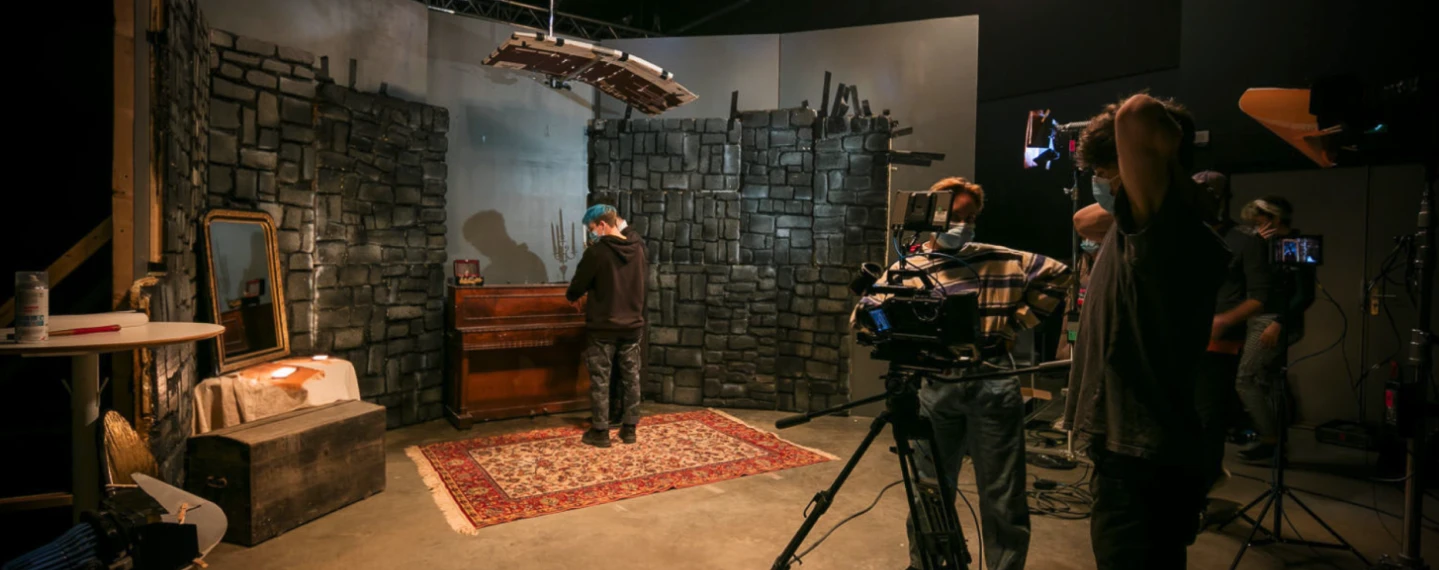
A director is someone who transforms a ballet of cameras, actors and lights into a story that moves us. To become a director is to become a magician of reality, transforming a simple scenario into a living universe.
The role of the director
Interpret the script and bring it to life
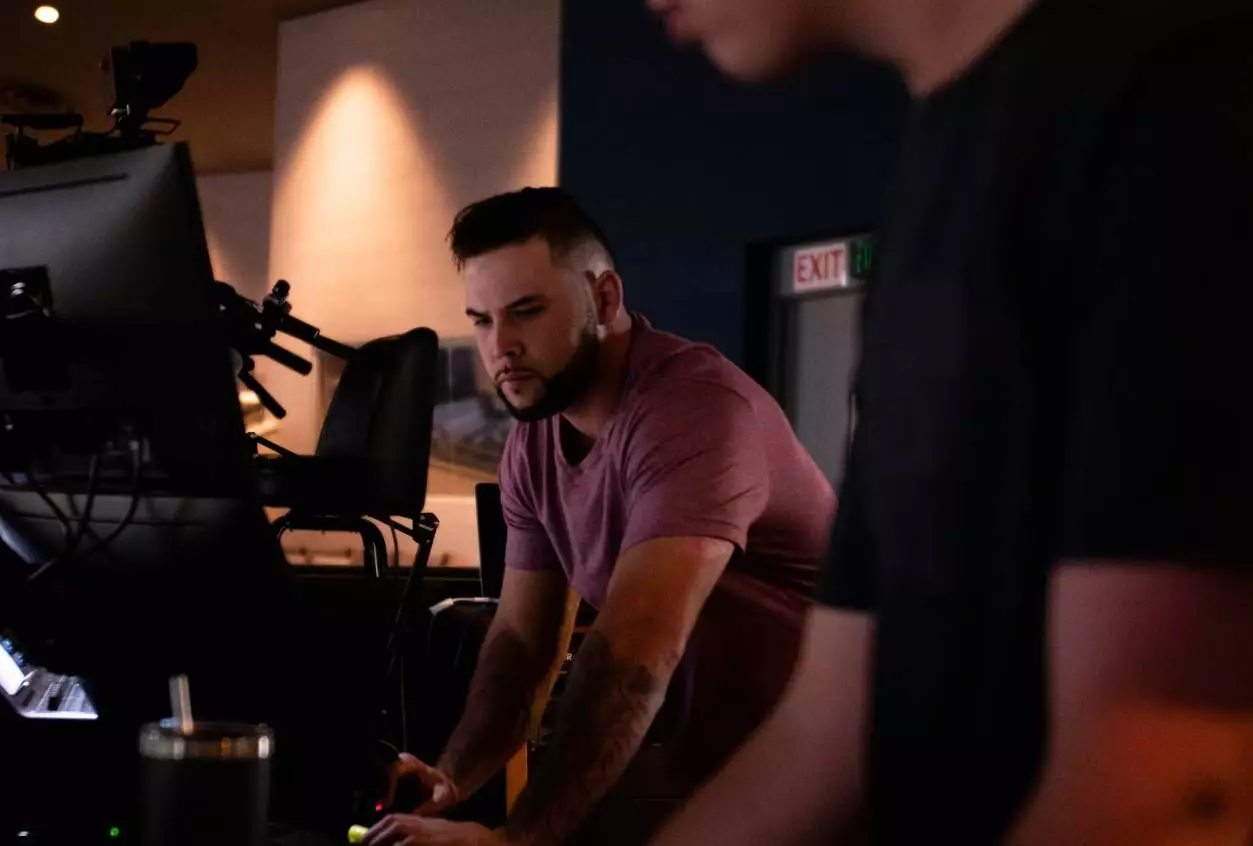
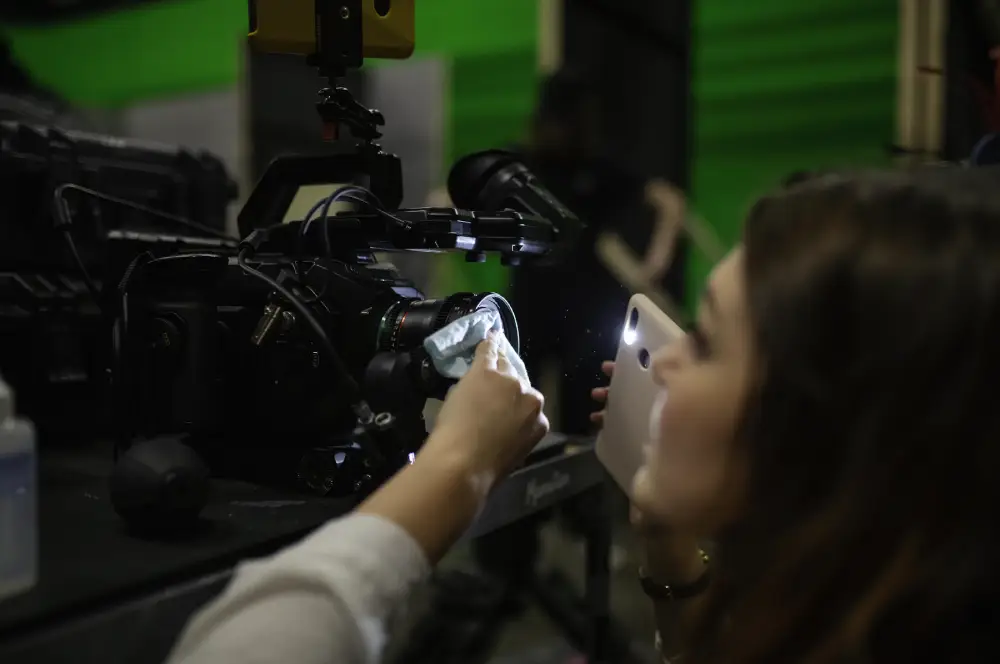
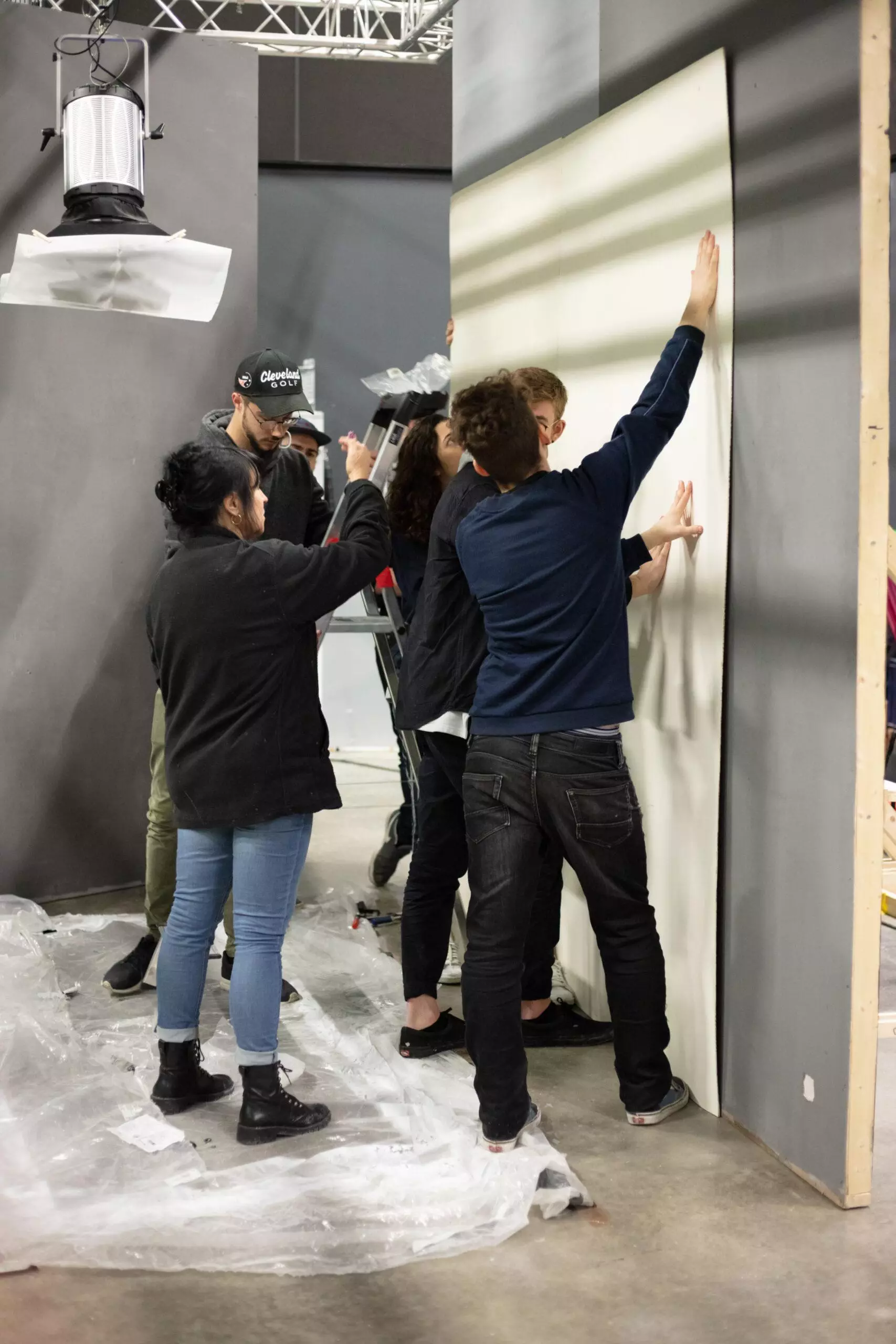
The real driving force behind a film or audiovisual project, the director defines the artistic vision and brings the script to life by transforming words into images. Working with the cinematographer, set designer, grips, sound engineer and editor, the director chooses the angles, camera movements, lighting and editing rhythm that best serve the narrative of a short film, a feature film or any other audiovisual production.
Preparing for filming
The director carries out location scouting and makes a technical breakdown of the project.
Directing the actors, supervising the shoot
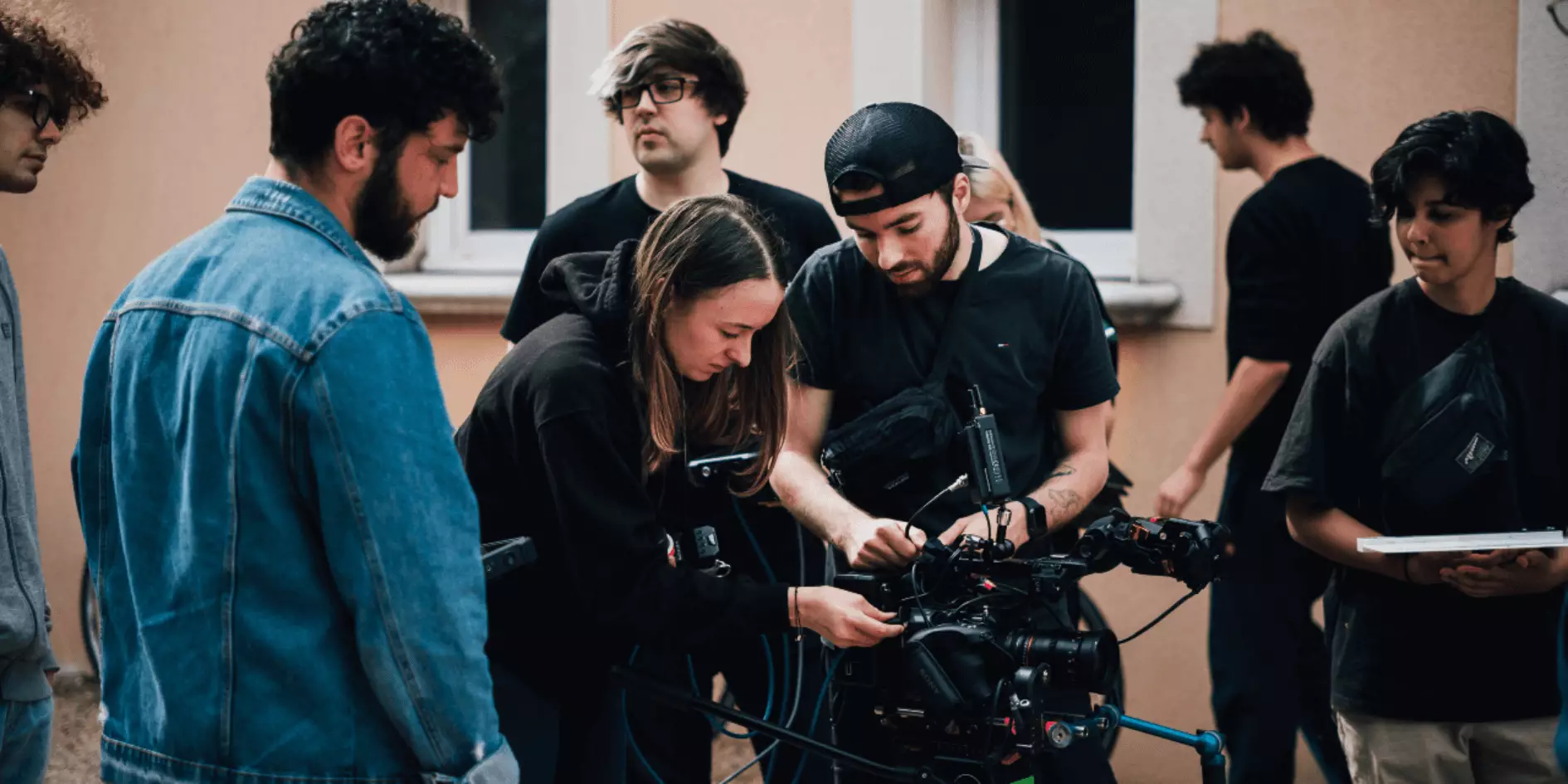
The director coordinates the technical teams and ensures the coherence of each sequence. His aim: to bring out the best possible performance, while maintaining the harmony on set that results from a careful balance between high standards and benevolence.
Managing the unexpected
As well as creating the film, the director also has to deal with production constraints. They plan shooting days, adapt to unforeseen circumstances and make quick decisions. Their role requires both creativity and composure, especially when unpleasant surprises occur.
Monitoring post-production and approving the final version of the film before release
They work hand in hand with the editor, composer and the sound and image teams to give the film its final tone and identity.
The skills and qualities needed to be a director
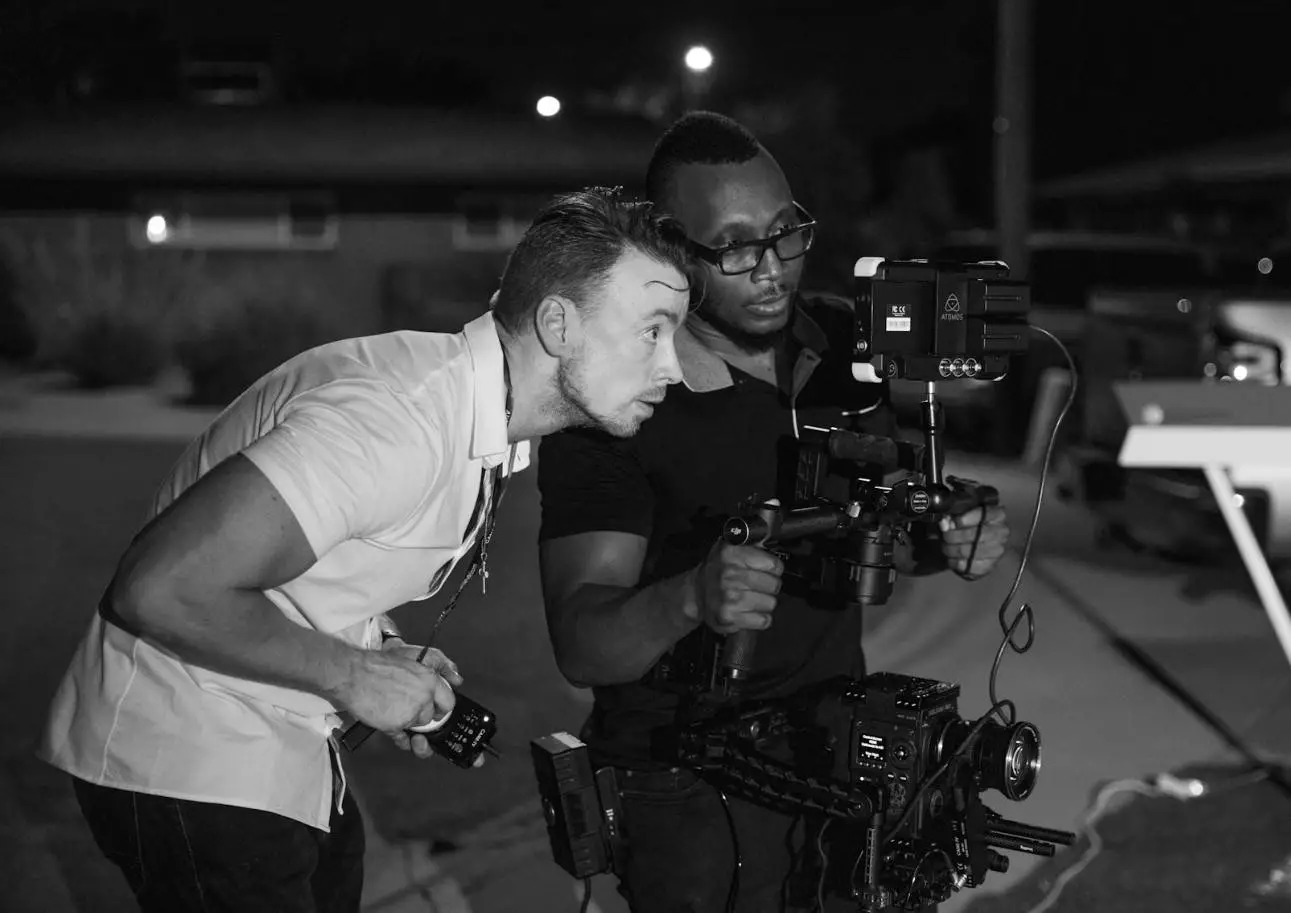
Becoming a director means more than shouting “Action!” and then applauding at the end of a scene. As an image professional, you need to master all the techniques: lighting, framing, editing, sound, etc. in order to tell the story.
Then you have to know how to direct the actors, find the right nuance in a look or a line, and sculpt the story so that it captivates from start to finish.
A director must have solid personal qualities
- They have a clear artistic vision and know exactly what they want from each scene.
- He must be able to withstand the stresses and strains of filming.
- He must be inventive, capable of bouncing back and quickly finding the best solutions to unforeseen circumstances, so as not to jeopardise the production.
- They are good communicators and listen well to their team, which is essential if they are to get their vision across without being overbearing.
- Patience, a keen sense of observation and the ability to adapt round off this portrait.
Tools and software used by the director
In pre-production
- Final Draft to write, structure and format the script according to professional standards so that the crew can follow it easily.
- Storyboarder to visualise each shot in the form of drawings or sketches, and to plan camera angles and movements before shooting.
- StudioBinder for organising and managing the schedule, scenes, actors and technical teams, including set designers, and centralising all logistical information relating to the shoot.
During the shoot
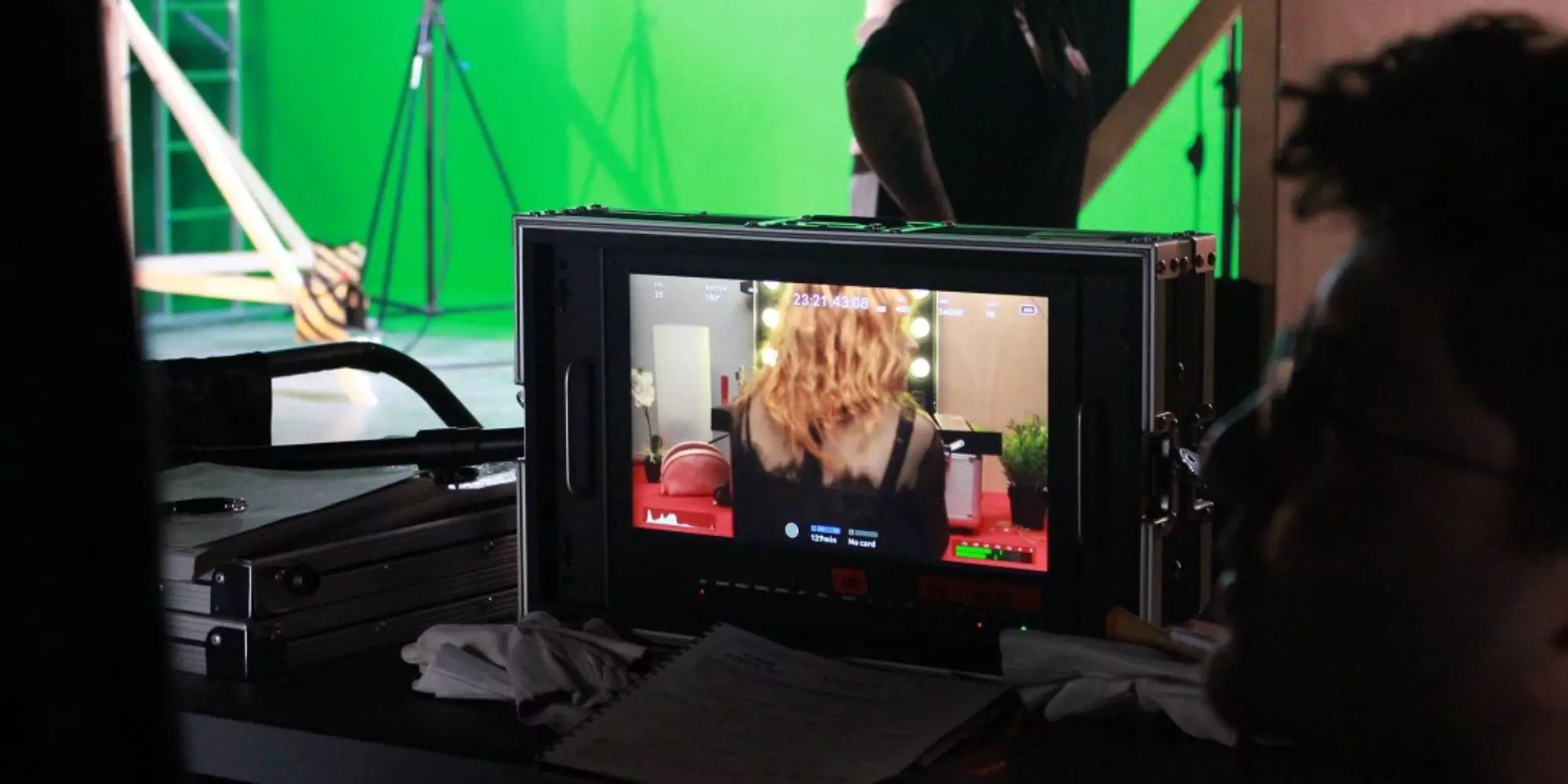
- Cameras to capture high-quality images with colours and dynamics suited to cinema or high-end productions
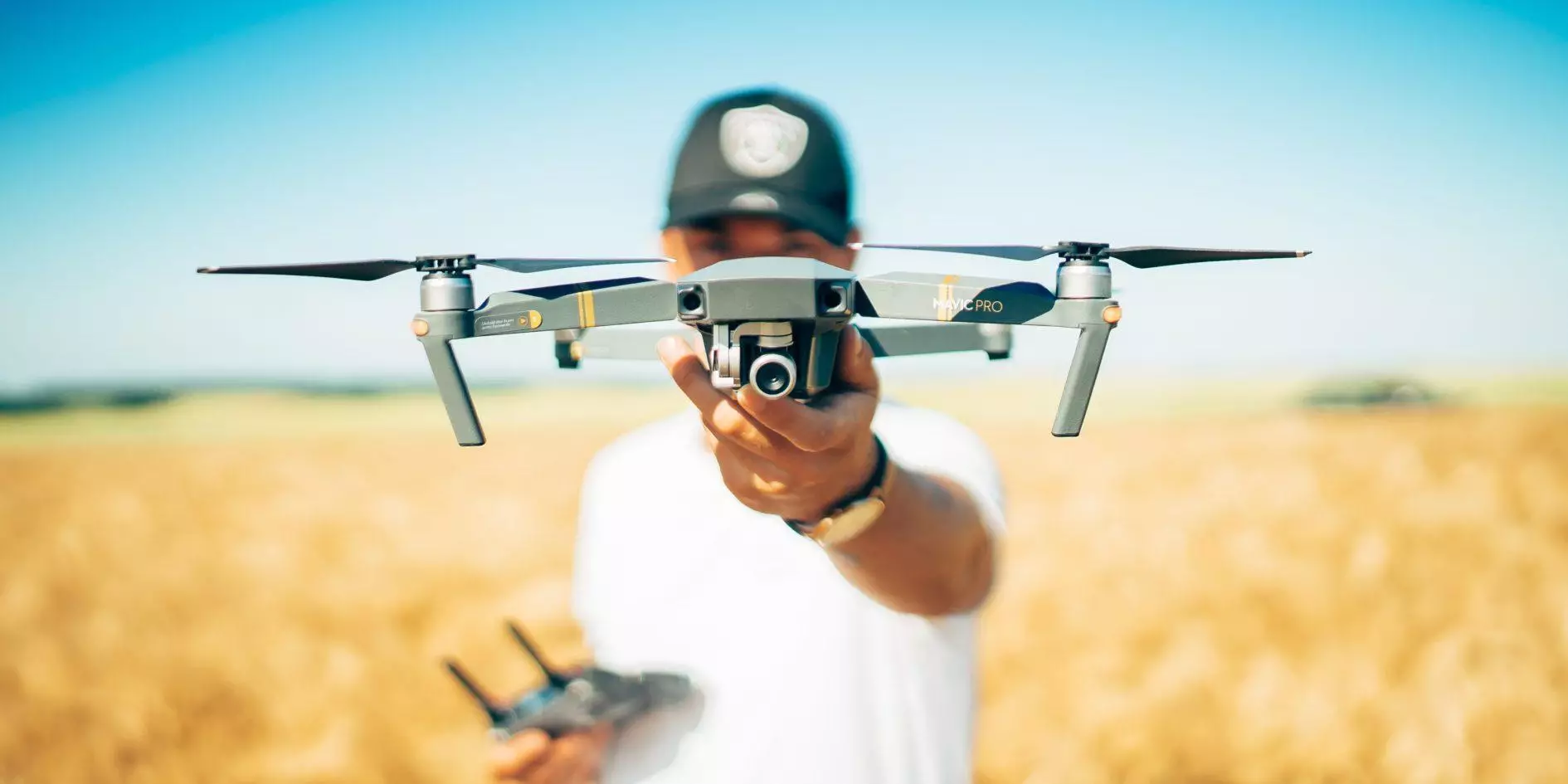
- Gimbals and Steadicam, electronic systems that enable smooth, stable camera movements, even when on the move or in complex scenes.
- LiveGrade, a professional colour-grading tool used to check the appearance of colours and light in each shot in real time, to ensure the visual consistency of the film.
In post-production
- Adobe Première Pro for video editing. This software is used to assemble sequences, cut, organise shots and build the final rhythm of the film.
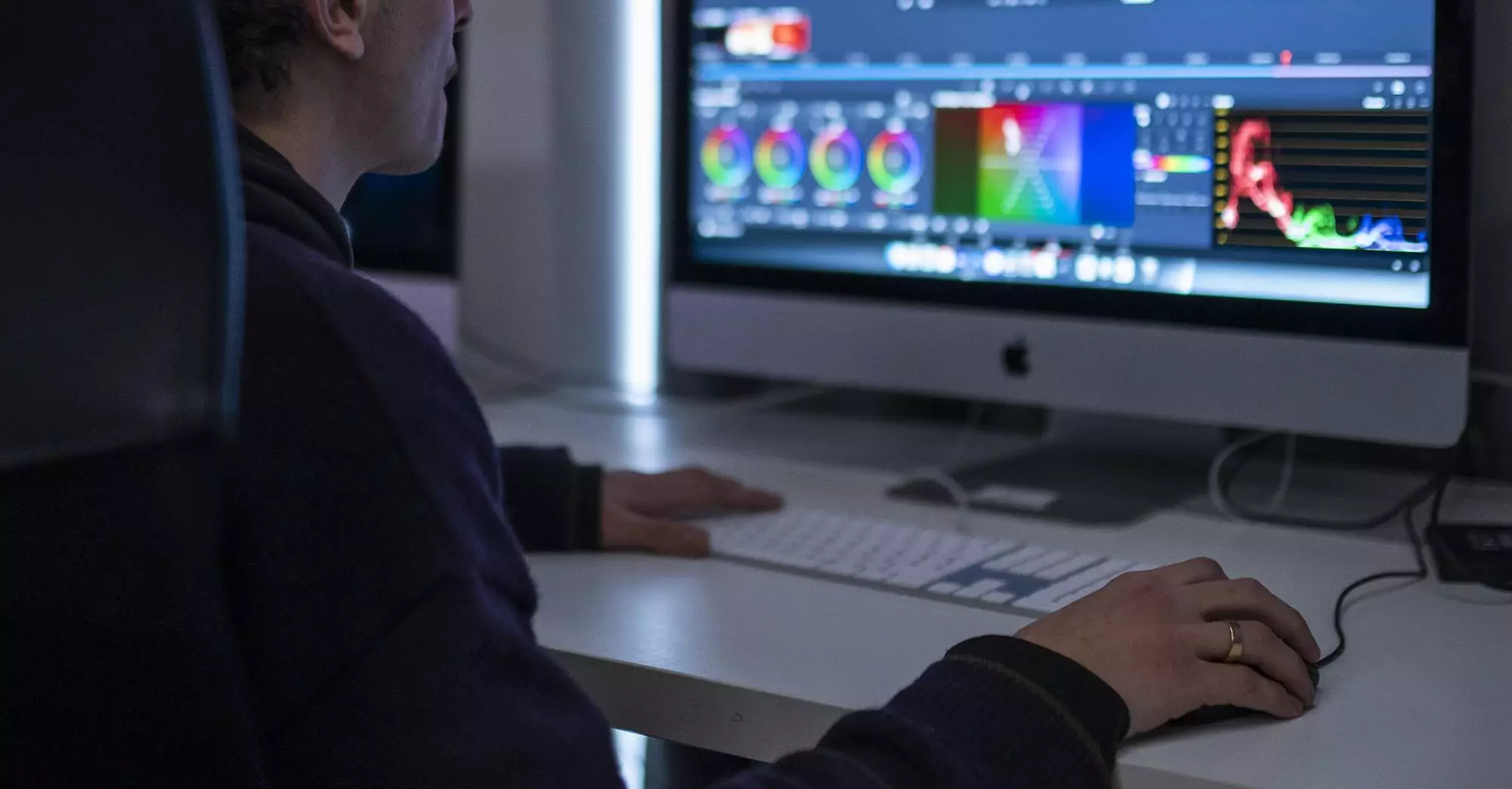
- DaVinci Resolve for correcting and harmonising the colours of each shot to create a consistent, professional visual identity.
- Adobe After Effects to add visual effects, animations and graphic elements and enhance the images shot.
- Pro Tools for audio mixing. This digital audio workstation enables dialogue, music and effects to be perfectly balanced.
For collaboration and management
- Frame.io for sharing sequences with the team and receiving feedback
Which tray should I choose?
There is no single route to becoming a film director, but some baccalaureates and options offer a better grounding in film, audiovisual and artistic creation. Here’s an overview:
Bac L (Literary)
A Bac L puts the emphasis on general culture, writing and artistic analysis, which are useful for scriptwriting and developing artistic sensibility.
The technological Bac
- An STD2A Bac, focusing on artistic practice, design and aesthetics, useful for storyboarding and art direction.
- A Bac STI2D, less common, but interesting for the technical aspects of images and special effects.
Professional Bac
A vocational baccalauréat in audiovisual professions is the ideal way to learn about filming, editing, sound and lighting. It provides a fast-track entry into the professional world.
Training and qualifications to become a film director
University courses are generally recommended before moving into filmmaking. This is the case for the following courses:
- Licence Cinéma et Audiovisuel (3 years’ higher education)
- Master’s degree in directing, scriptwriting or film studies (Bac+5).
Other courses are available via
- La Fémis (École nationale supérieure des métiers de l’image et du son), a highly selective school that prepares students for a Bac+5 state diploma.
- ENS Louis-Lumière, which prepares students for a Bac+5 state diploma, specialising in film, sound or photography.
How much does a director earn?
A director’s salary varies widely depending on the type of production (cinema, television, advertising, web, documentary, etc.), experience and status (freelance, salaried or self-employed). Here is a clear estimate for each level:
Average entry-level salary
A beginner director (freelance) will earn between €150 and €300 per day of filming.
Average experienced salary
An experienced director can earn between €4,000 and €8,000 gross per month, or much more depending on their reputation and the type of production. In the film industry, a director earns between €15,000 and €100,000 (or even more) per film, depending on the budget of the project. If they work for television, directors can earn up to €6,000 per documentary project, and from €5,000 to €20,000 for a music video or advertising campaign.
Career opportunities
The director’s profession offers a wide range of career opportunities in a variety of fields. Becoming a director means working in the cinema (short or feature films, fiction, animation), television (series, programmes, reports) or web audiovisual (clips, advertising, digital content). Some choose to make documentaries or visual communication projects for companies and institutions.
With experience, a director can progress to producer, artistic director, scriptwriter, showrunner or film school teacher. It’s a creative, progressive career that’s open to many different visual worlds.
Sectors and companies that recruit
Directors are recruited by film and television production companies, television channels and streaming platforms such as Netflix and Canal+.
The advertising and communications sectors also offer many opportunities within creative agencies or companies producing their own video content.
Finally, some directors choose to teach, work freelance or set up their own production company.
Which school should you choose to become a director?
CinéCréatis training
Becoming a film-maker requires solid training in the audiovisual industry and hands-on immersion in this world. CinéCréatis offers a 3-year course based on an immersive and professional approach from the first year, enabling students to specialise in pre-production, image or post-production in the final year.
The school stands out for its recognised RNCP diploma (Bac+3/4 level), its equipment that meets the standards of professional sets (ARRI, RED, Blackmagic, Sony) and its supervision by working professionals, complemented by regular masterclasses.