Before becoming a digital compositor and AI artist, Théo Constant first wanted to understand cinema as a whole. Having completed a vocational baccalaureate in digital systems, he became interested in visual effects very early on, but refused to limit himself to techniques or software. His aim was to learn how to tell stories before specialising.
“My ambition was already to do visual effects. I chose to go to CinéCréatis to learn about cinema as a whole first”, he explains.
This generalist approach has marked his entire career. For him, VFX is not an isolated discipline, but a tool at the service of a narrative intention. Understanding the stages in the making of a film, the different professions involved on set and in post-production, and the construction of an image is essential to him before choosing a speciality.
Over the course of his training, he gradually discovered the different film professions and refined his orientation towards visual effects and compositing. This immersion in several disciplines gave him a better understanding of his place in the production chain.
“We learn about the different trades in the first year, so that we can then find out where we stand and see where we want to go.
Exchanges with teachers also play a decisive role. Between open days, curriculum discussions and career advice, Théo gradually builds a more precise project. It’s a stage he feels is important to avoid specialising too quickly without a global vision of the sector.
As well as discovering the different professions, he insists above all on the importance of the fundamentals acquired during his studies. In his view, software evolves rapidly, but the technical and artistic foundations remain indispensable.
“It gave me a solid grounding from the moment I left school. It’s a foundation that I use all the time.
These skills then become the basis for continuing to learn independently. A logic that he still applies today in his professional work.
One of the most memorable experiences of his career was a student project based around the green screen. Inspired by Blade Runner, Théo decided to recreate a scene from the film as part of a second-year exercise. But instead of limiting himself to a school report, he contacted the film’s VFX supervisor directly to discuss the project.
To his surprise, the professional got back to him and even suggested a meeting in Montpellier, where he was on the set of The Count of Monte Cristo.
The experience was a real wake-up call. It illustrates a working method that he still applies today: daring to ask questions, seeking professional feedback and using student projects as concrete testing grounds.
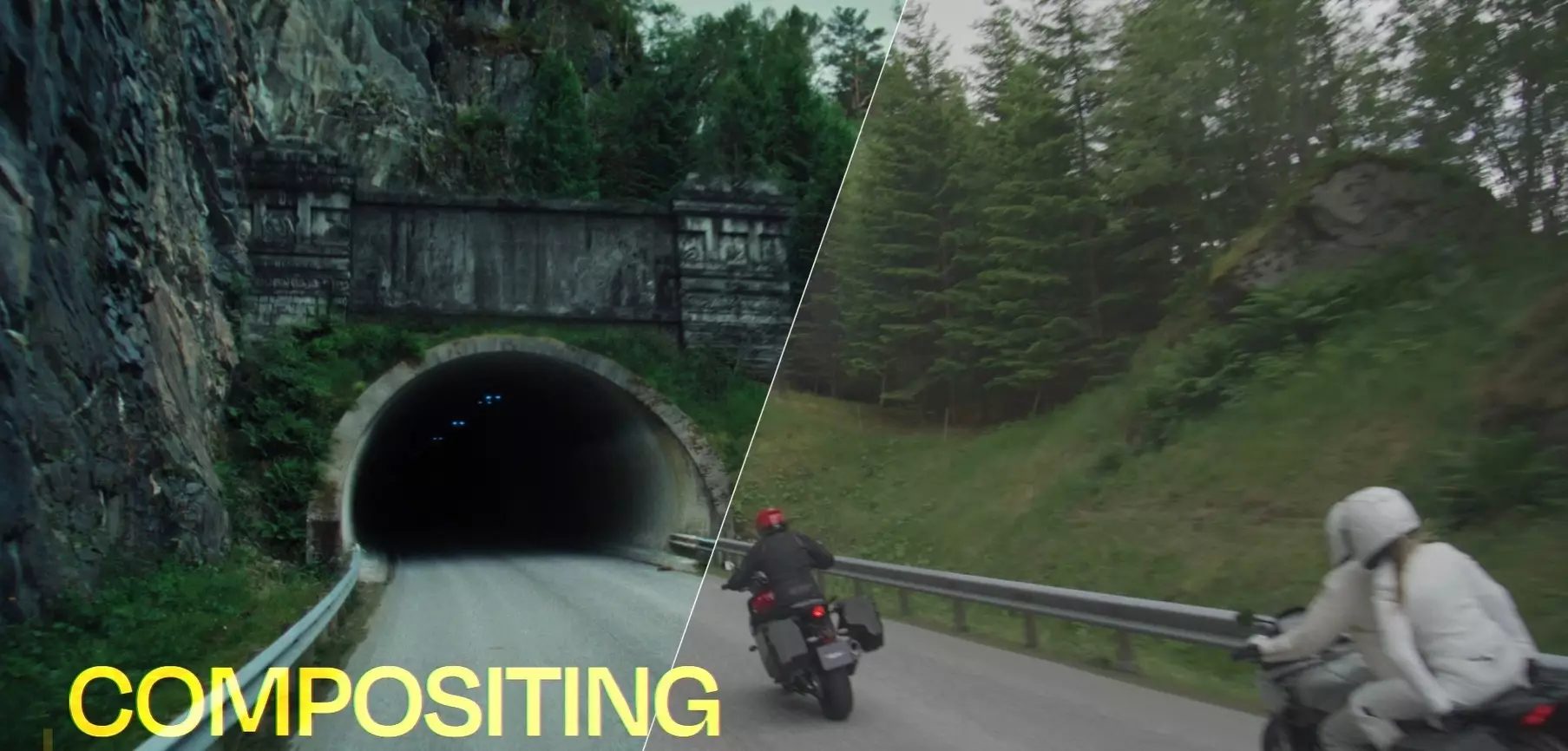
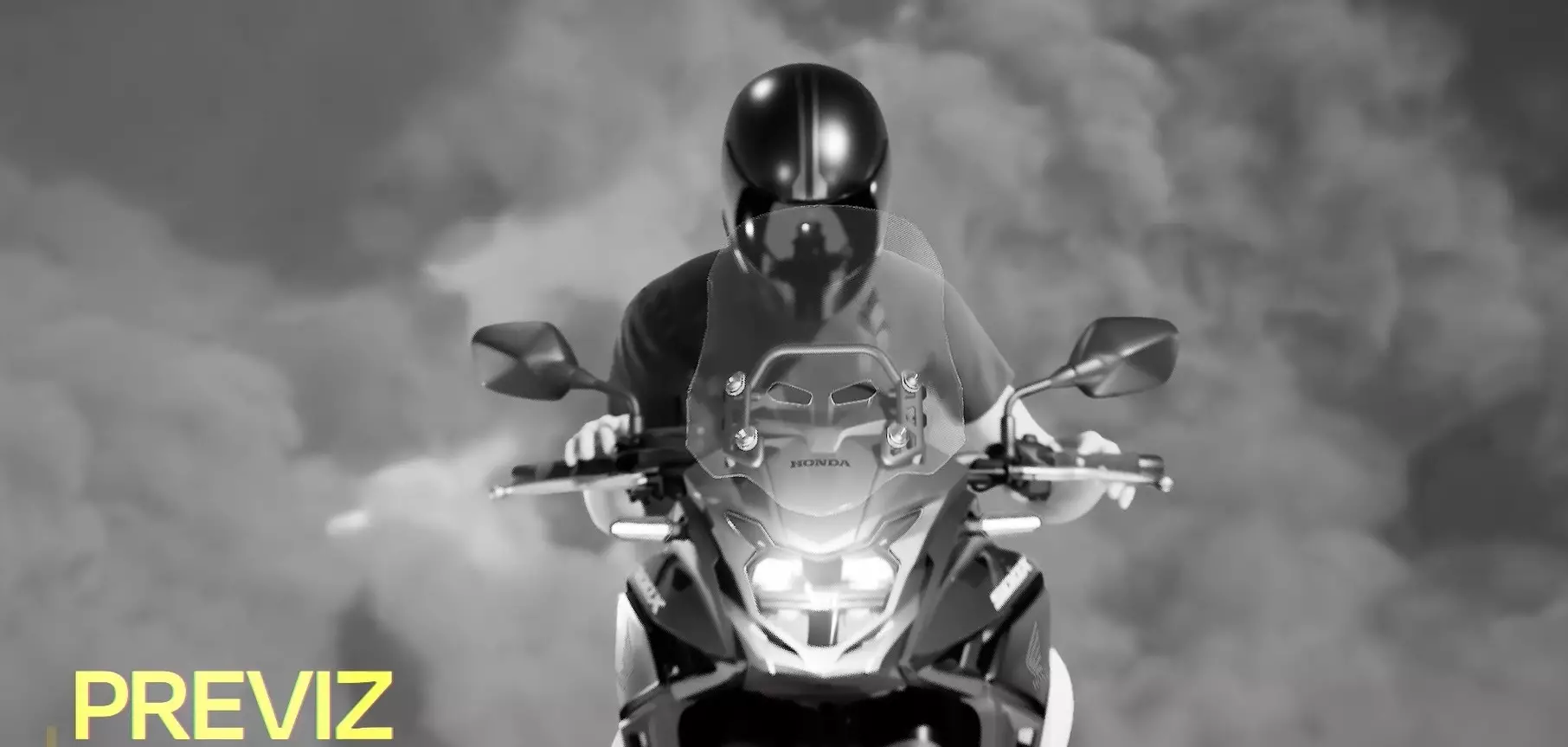
After his studies, Théo joined Bande Originale as a digital composer and AI artist. His work mainly involves working on advertising projects, notably for Honda, ensuring the integration and visual consistency of special effects.
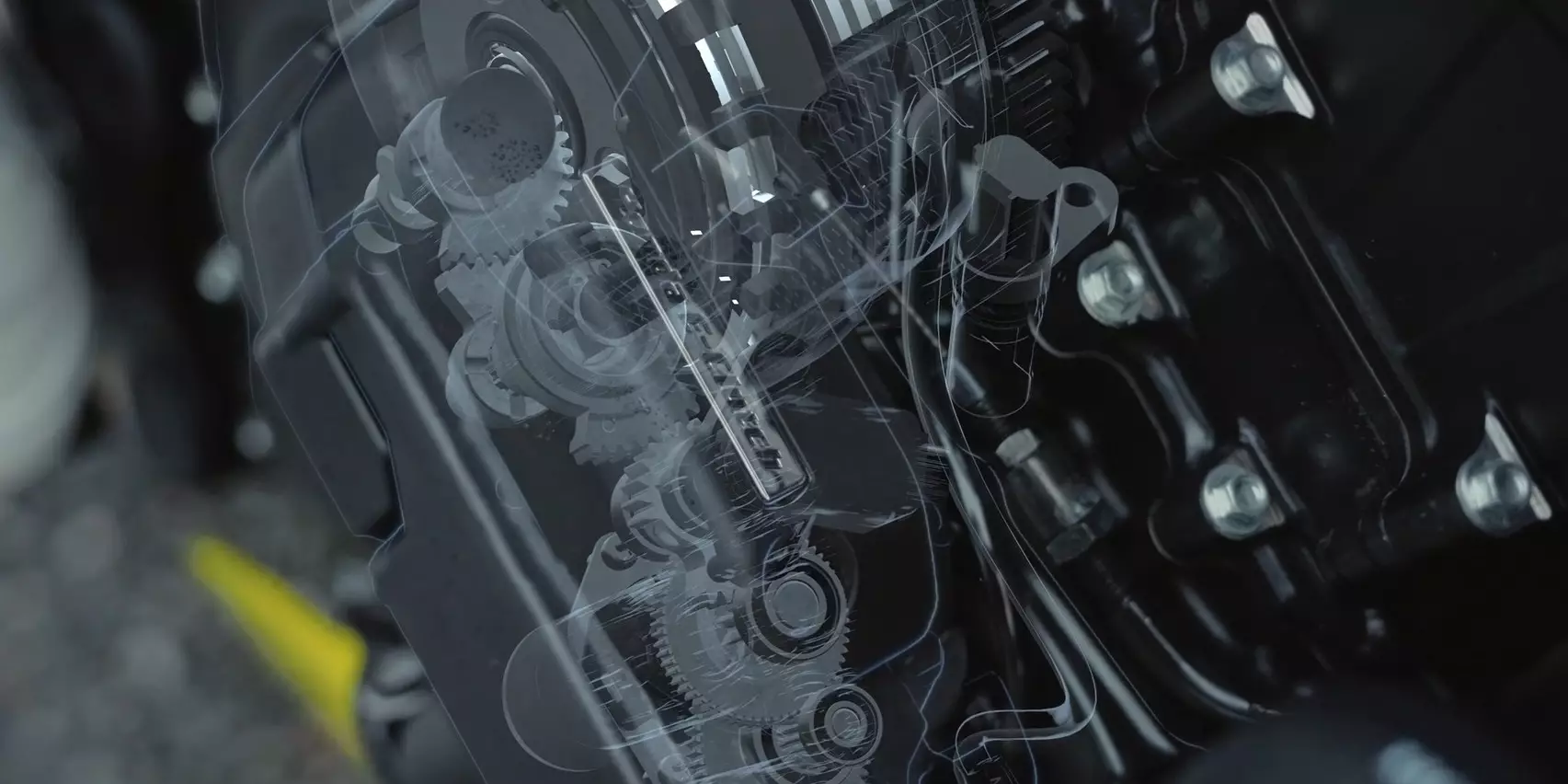
Compositing is often the final stage of visual effects. This is where the various elements are put together to create a credible image: adding dust, smoke, light, 3D integration or various corrections.
“Compositing is the final stage of post-production in visual effects. We put things together and make them as realistic as possible.
In this profession, precision is essential. The aim is not necessarily to make the effect spectacular, but to ensure that it blends naturally into the image without distracting the viewer.
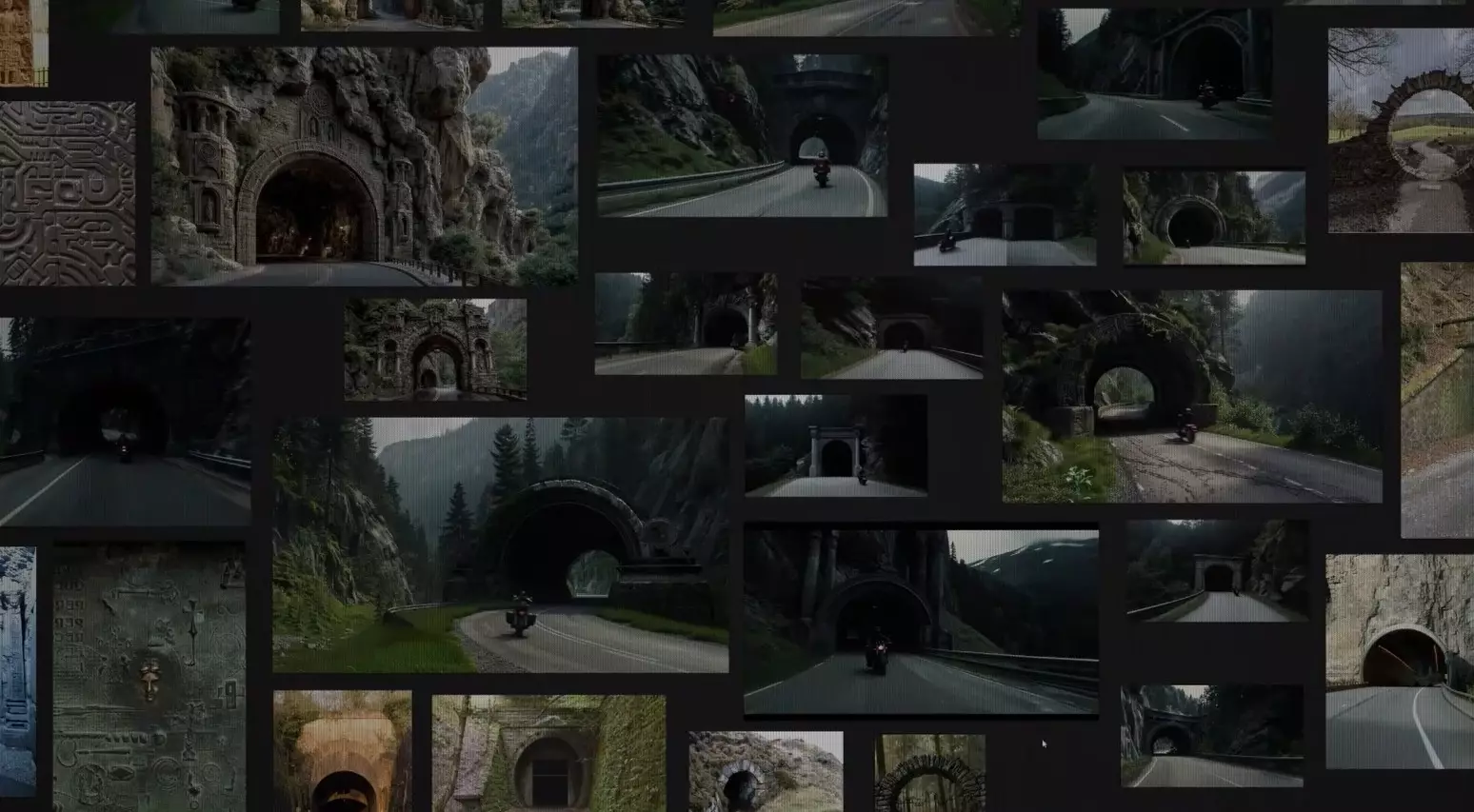
Today, his work also includes integrating artificial intelligence into production workflows. However, Théo rejects the idea of an autonomous AI capable of replacing the human eye.
“We use AI as a tool to help us and to be able to create things more quickly for the client.”
His approach is based on a hybrid workflow: AI generation, then retouching and corrections in traditional software such as Nuke or After Effects. It’s a way of retaining artistic and technical control over the final result.
He is particularly interested in tools such as ComfyUI, which allow AI to be worked on locally with a nodal logic similar to the compositing software used in the VFX industry.
Beyond the technical side of things, Théo Constant’s account highlights what he sees as an essential quality: curiosity. Testing, experimenting, contacting professionals, aiming for ambitious projects even with limited resources… these are all reflexes that he considers essential to progress in the film and image professions.
“You have to be curious. You can’t let your ambition stop you.
To find out more about his career, his views on VFX, AI and new production workflows, read the full interview with Théo Constant.