The director: the film’s artistic vision
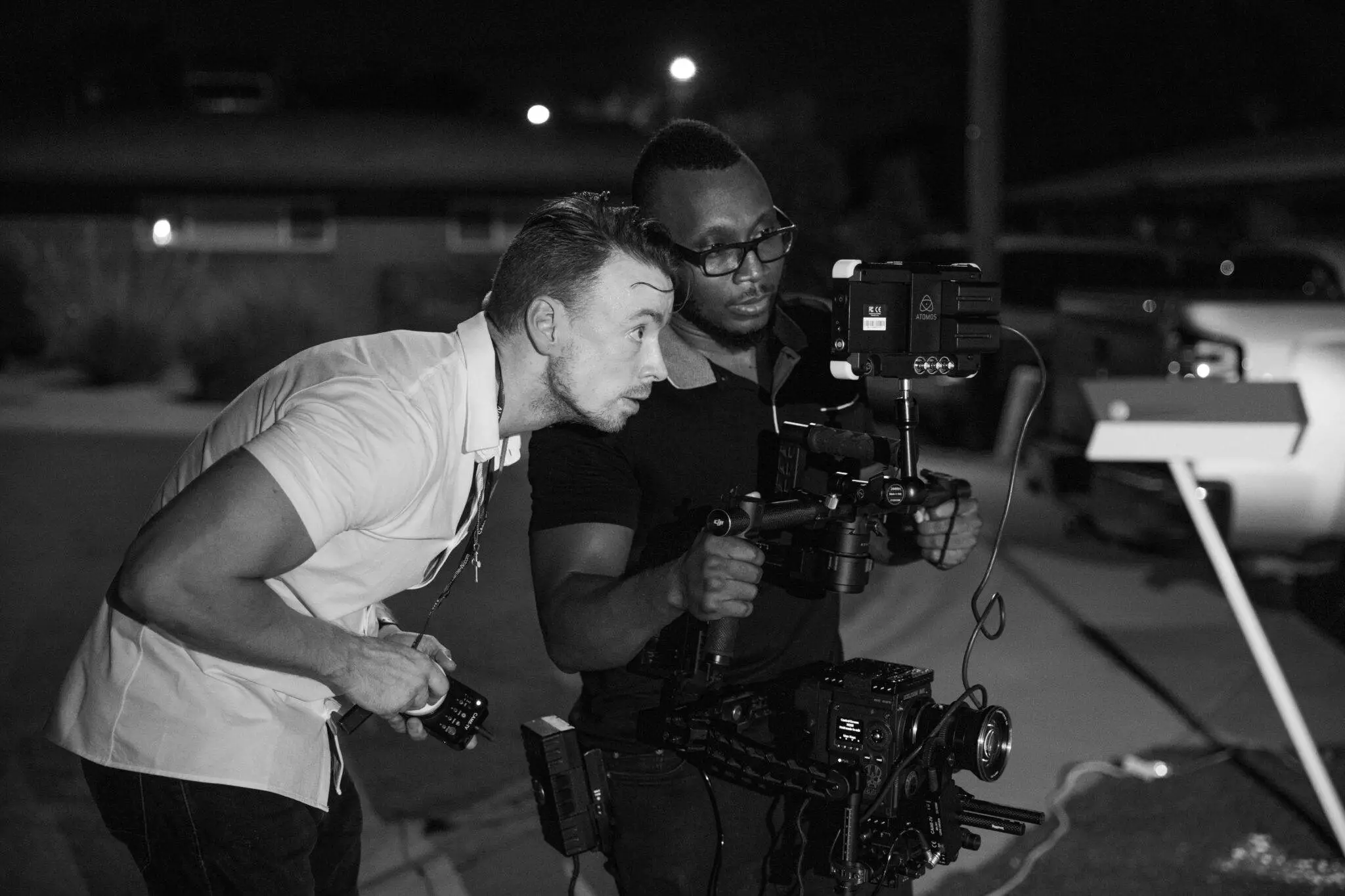
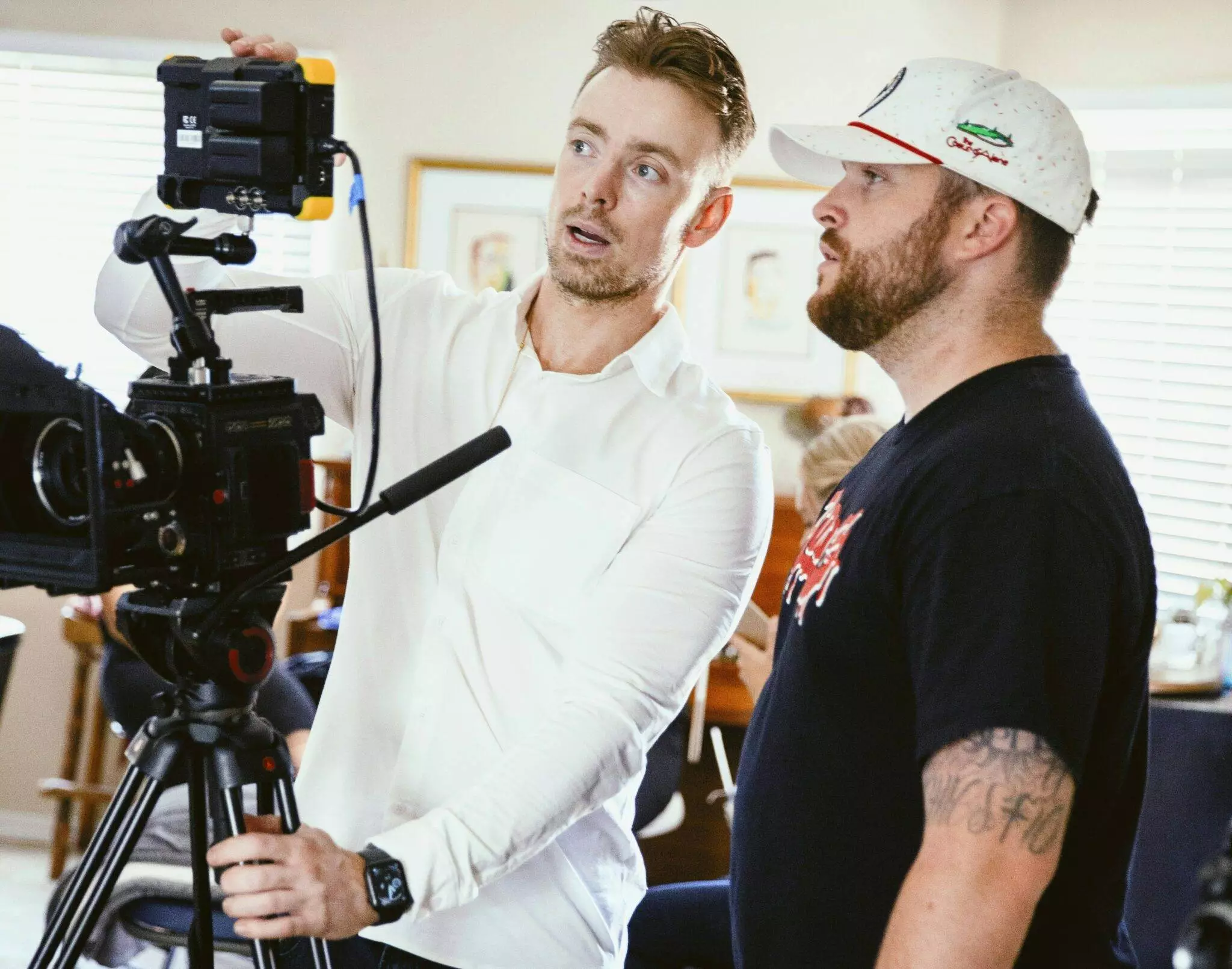
The film director is responsible for the artistic and technical creation of a film. The director’s role is to direct the shoot, guide the actors, choose the camera angles, supervise the editing and ensure that every element of the film reflects his or her artistic vision.
Often considered the author of the film, even if the script is written by someone else, the director, through his or her personal interpretation, brings the film to life. The director’s artistic vision transforms a simple script into a singular, personal cinematic work.
The director works under the responsibility of the producer. His choices must be validated according to the constraints defined by the production manager.
The director’s artistic vision is expressed through :
- The visual style (choice of frames, colours, lighting, camera movements)
- The creation of special effects and sets
- Directing (acting)
- Pace and editing, scene breakdown (slow pace, long still shots, etc.)
- Sound and music (choice of soundtrack, sound effects, voice-over, etc.)
- Recurring themes (from one film to the next, a director may tackle similar subjects)
The producer: a behind-the-scenes conductor
The film producer is the person who finances, organises and supervises the making of a film, from start to finish. Unlike the director, who looks after the artistic side of things, the producer manages the economic (budget), logistical (schedules, distribution strategy, etc.) and legal (filming permits, insurance, etc.) aspects of the project. In short, the producer is the guarantor of the actual making of the film.
Often overlooked by the general public, the producer plays an essential role in the world of cinema and the creation of a film. A veritable orchestra conductor behind the scenes, he or she is at the origin of the project: choosing the script, raising the finance, hiring the technical and artistic teams and supervising every stage of production.
There is also the job of executive producer, a professional responsible for bringing the project to life under the conditions set by the producer.
The role of the producer is to :
- Choosing and developing a draft script
- Selecting the key members of the technical team
- Finding the financing
- Managing the budget from start to finish
- Organising production (booking shooting locations, obtaining the necessary permits)
- Supervising post-production, editing and the release of the film (promotion, showing the film in cinemas, on television and on platforms).
What are the main differences between a producer and a director?
The roles of these 2 professionals are complementary because their tasks are different. The director gives soul to a film production and ensures that the film is artistically successful. The producer, who focuses more on technical and financial resources, gives an audiovisual project the means to exist. They differ in a number of ways:
In terms of their missions
The director stages the script and directs the shoot. The producer finances, organises and supervises the production of the film.
In terms of their visibility
The director is a visible figure, sometimes famous. The producer is often discreet, little known to the public and often a “man in the shadows”.
In terms of their main objective
The director ensures that the film is a personal, artistically successful work. The producer ensures that the film is technically feasible, finished on time and profitable.
Can a director also be a producer?
The answer is “yes”. In the world of the 7th art, a director can also be a producer. In fact, this happens quite often, especially in independent cinema or with very well-known directors. Christopher Nolan and Luc Besson, for example, have each produced and directed several films through their own production companies.
Why should a director also be a producer?
- To enjoy greater artistic freedom. As a producer, the director has the power to control the major decisions relating to his film project: budget, casting, planning, editing, etc. This independence means that he is not subject to pressure from studios or investors.
- To take their own project from A to Z. Some directors wish to defend a personal vision and decide to produce their film themselves, especially if it falls outside conventional commercial formats.
- To benefit from economic spin-offs. Being a producer also means earning a share of the film’s profits. Producing your own film is a way of investing in your own work.