Why go to a special effects school?
For the magic to work, it's best to have a solid foundation.
Joining a special effects school will enable you to acquire expertise in a constantly evolving field, work with established professionals, develop your portfolio, keep abreast of the latest trends and gain access to stimulating and creative career opportunities.
Cinécréatis takes you behind the scenes of the special effects sector!
Why go to special effects school?
Increasingly present in the film, television, video games and advertising industries, special effects make a major contribution to immersing the audience in the story.
It’s an exciting science, but one that requires specialist expertise if you want a career in it.
If you’re passionate about special effects and want to make it your profession, you can go to a special effects school to acquire the necessary skills. This will enable you to :
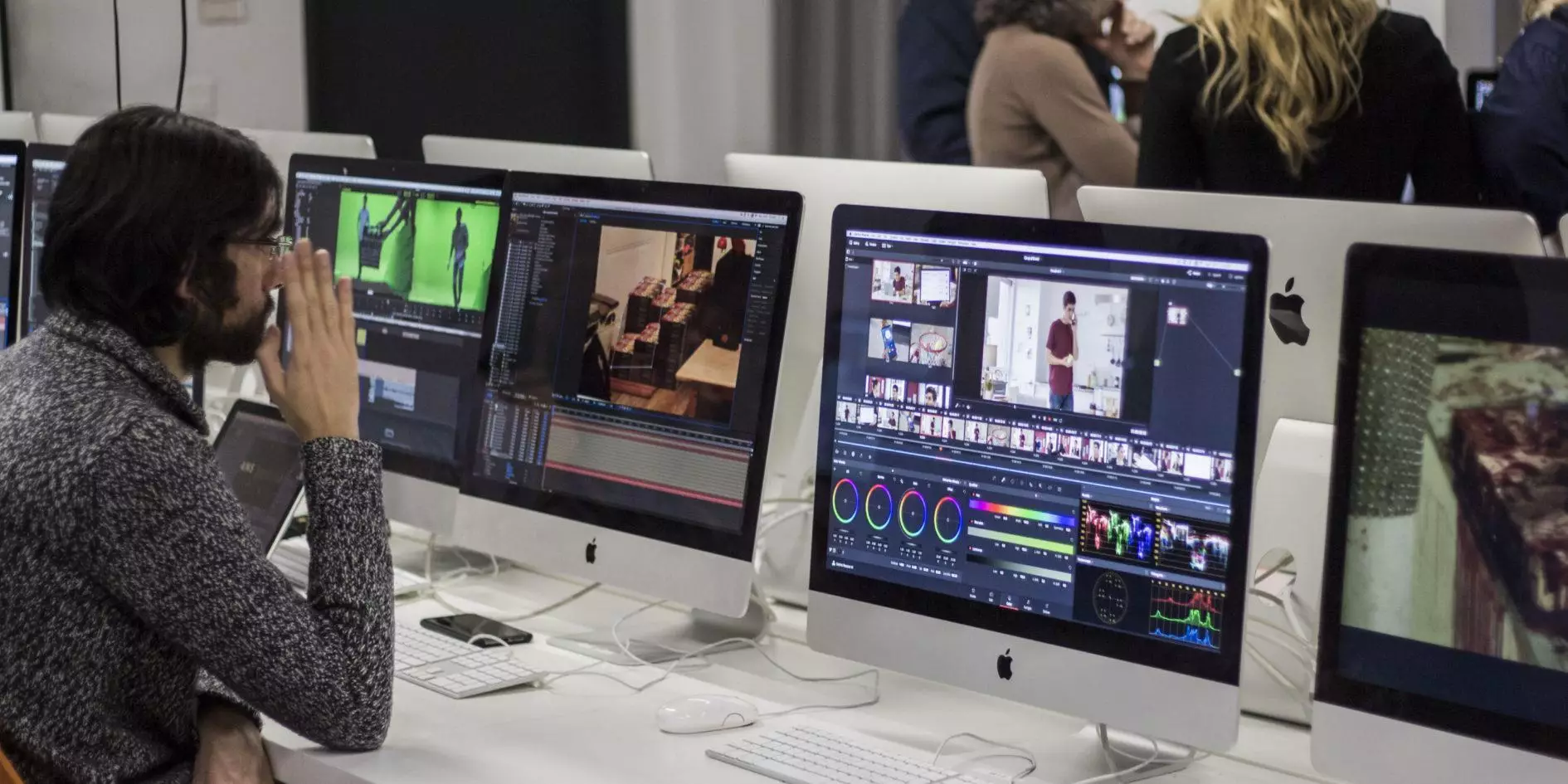
- develop technical skills: special effects schools offer comprehensive training in the software and tools used in the industry. You will learn to create professional-quality visual effects, manipulate images and animations, model 3D objects, work with textures, lighting and rendering, etc;
- work with professionals: you will be supervised by experts in the field who will share their experience and expertise with you. It’s an opportunity to receive valuable advice and improve your work;
- Build a portfolio: By working on practical projects throughout your course, you’ll be able to create a solid portfolio that will help you stand out on the job market. You’ll have the chance to showcase your work to potential employers, and demonstrate your skills and creativity;
- Keep abreast of the latest trends: The special effects industry is constantly evolving, and special effects schools are uniquely placed to keep up with the latest trends and technologies. You’ll be able to work on innovative and experimental projects, and keep up to date with the latest technological advances;
- access to varied career opportunities: Once you have completed your training at a special effects school, you will have access to a wide range of career opportunities in the media industry. You could work in film studios, advertising agencies, post-production houses, video game companies, or even set up your own production company.
What career options are there after special effects school?
Are you wondering how to become an SFX supervisor, 3D animator or special effects computer graphics designer?
If you go to a special effects school, you’ll be able to train for all the professions involved in special effects.
After training at a special effects school, you can go on to a wide variety of jobs in the industry, such as :
- 2D or 3D Animator: a professional who creates animated characters, objects and environments for films, television programmes, advertisements, video games, etc.
- Game Designer: a professional in the video game industry who is responsible for the design, planning and creation of video games.
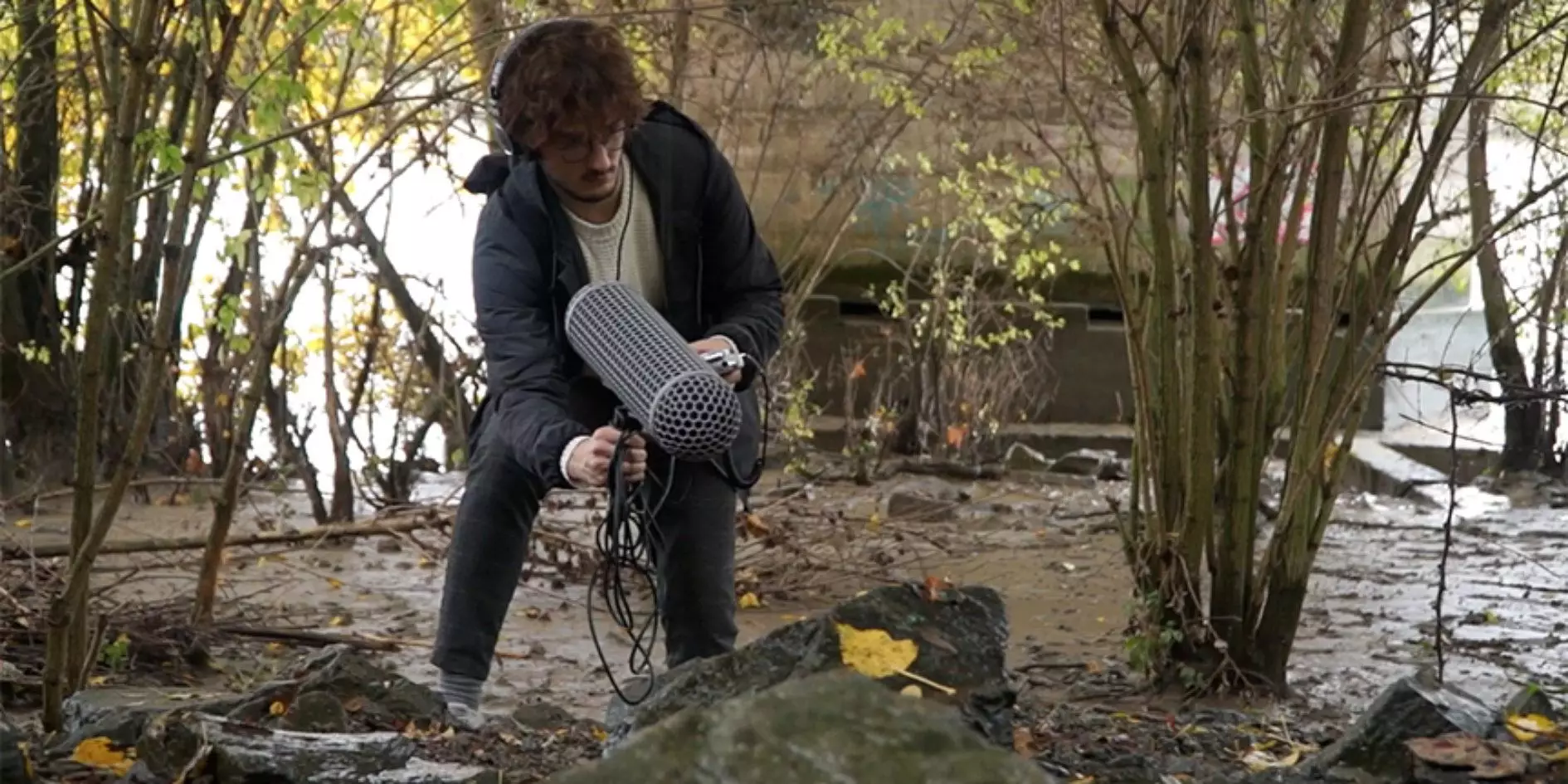
- Sound designer: an audio professional who creates and integrates sound effects for film productions, video games, television series and other media requiring special sound effects.
- 3D modeller: responsible for creating three-dimensional models for film productions, video games, advertisements, etc.
- SFX supervisor: a professional responsible for the design and execution of the special effects he or she supervises. He is the guarantor of all decisions taken in terms of visual effects and is present at all stages of a project’s production: before, during and after filming.
- Special effects technician: his role is to implement the ideas of the special effects designers and supervisors, using cutting-edge technology to create the visual effects.
- VFX editor: their role is to integrate digital visual effects (VFX) into filmed sequences to create an immersive visual experience for the audience.
- Special effects designer: this is a professional who creates visual effects to bring characters and virtual environments to life. Their job is to conceive and develop creative ideas for special effects using specialised software.
At the end of the training programme offered by CinéCréatis, students will hold a level 6 RNCP qualification, equivalent to 3/4 years of higher education, in “Audiovisual and Film Production Designer”. Once they have obtained their diploma, they will be able to work as Special Effects Supervisors.
Job opportunities