Mixer
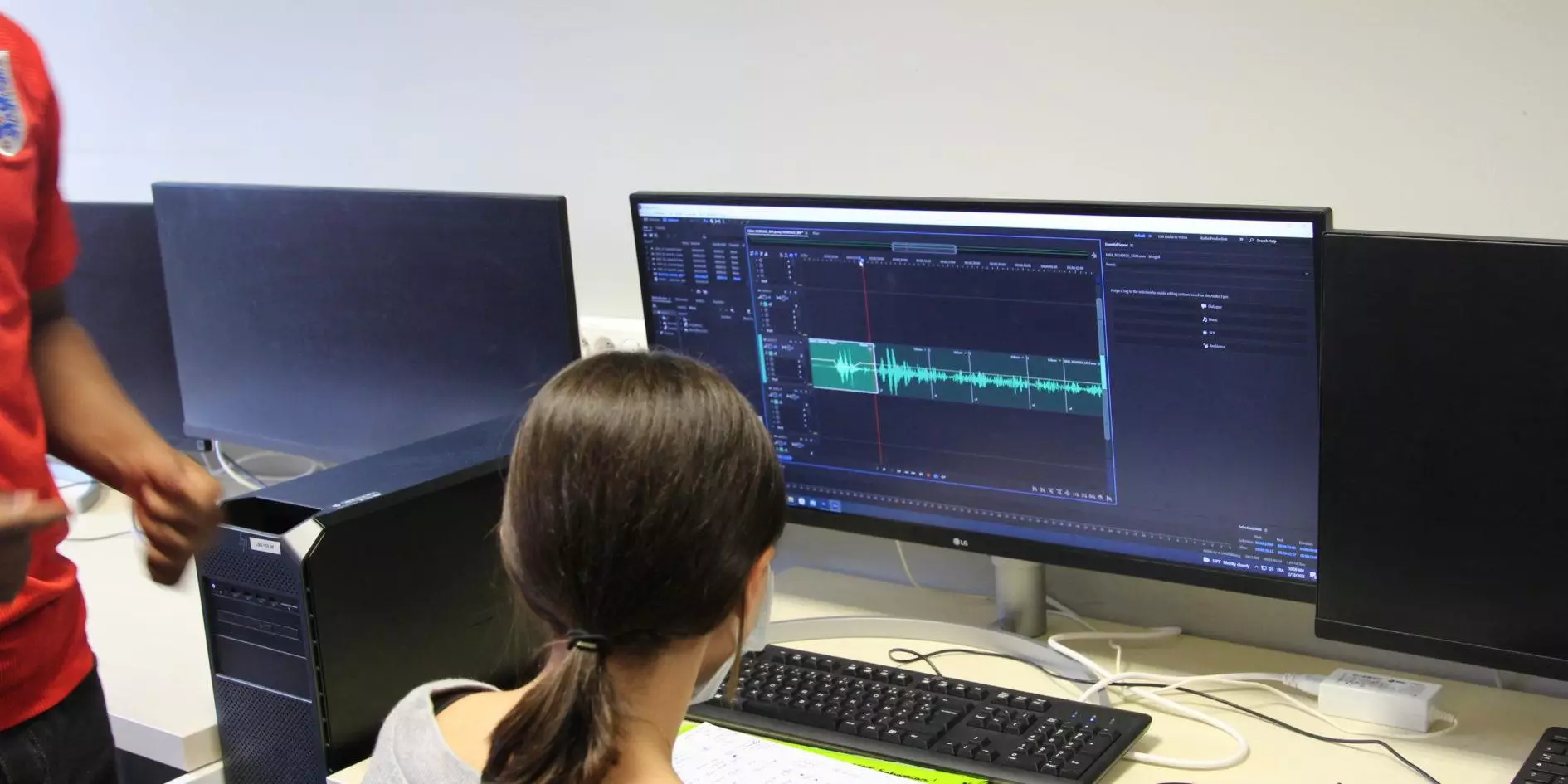
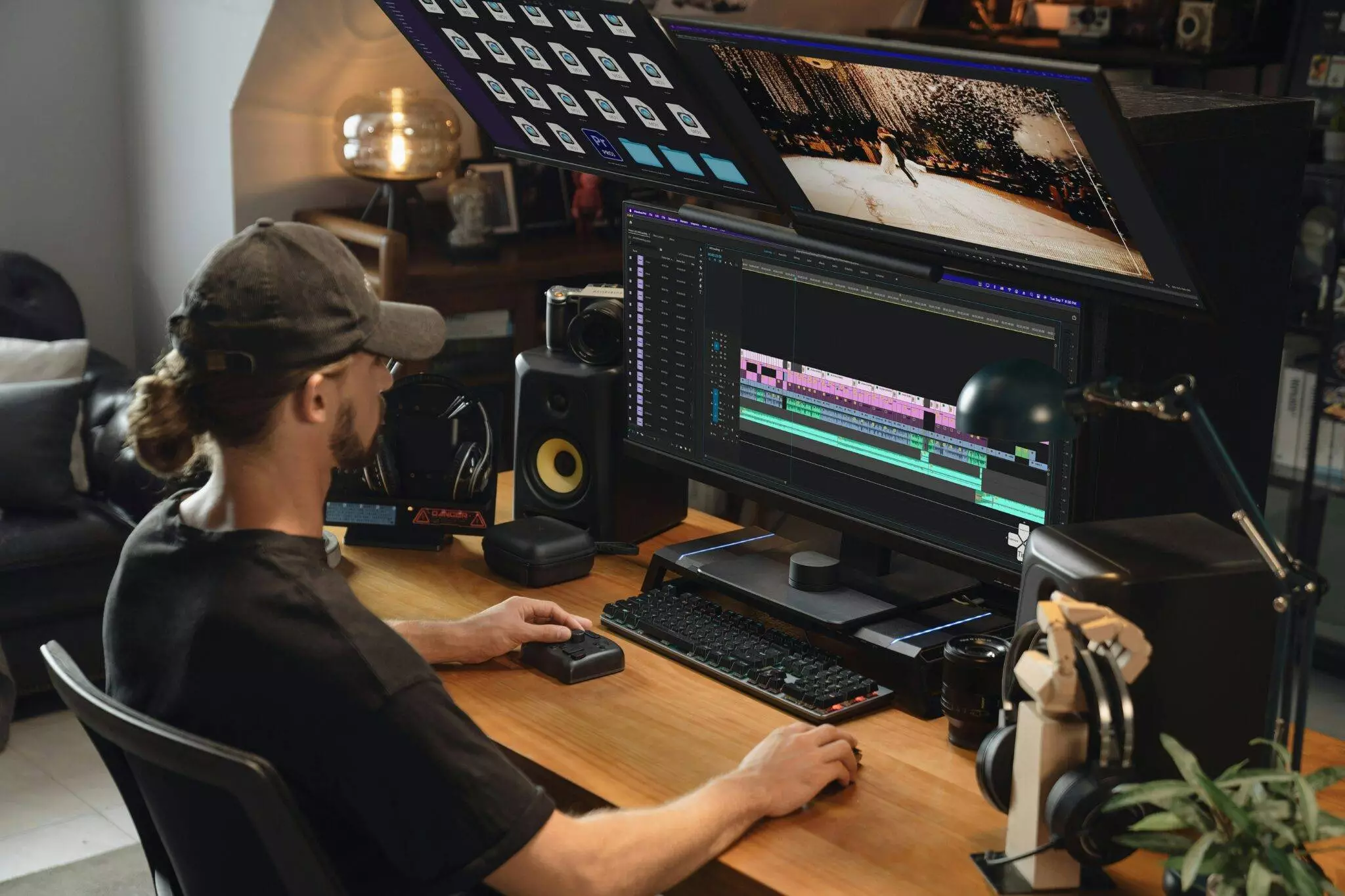
An essential link in audiovisual post-production, the sound mixer, sometimes simply called a mixer, is a technician who specialises in working with sound in post-production. In short, they bring a project’s sound universe to life. In the studio, with headphones screwed on and cursors in hand, they assemble, balance and sublimate each sound element, whether for a film, a series, a documentary, a video game or even an advertisement.
In practical terms, the mixer combines the different sound sources (dialogue, sound effects, ambience, music), adjusts their relative volumes, corrects any discrepancies and ensures that all these elements work together harmoniously.
To become a mixer is therefore to choose a profession at the crossroads of technique and creativity, requiring both a perfect mastery of audio tools and a true artistic sensitivity to translate the director’s intention and draw the viewer into the film’s universe.
Tasks and roles of the mixer
The sound mixer comes into play once filming has finished, when all the sound recordings are ready to be processed. His role is to transform these raw sounds into a coherent soundtrack that is pleasant to listen to.
The mixer’s tasks
- Assemble and organise all the sound tracks (dialogue, sound effects, music, ambience, voice-overs).
- Adjust relative volumes to achieve a clear, harmonious balance.
- Work on the dialogue (clean-up, post-synchronisation, integration of voice-overs or off-camera lines).
- Integrate and place the music at the right level so that it accompanies without dominating.
- Add sound effects to reinforce immersion.
- Set up soundscapes (a street background, a breath of wind, a reverberation) to add depth and atmosphere.)
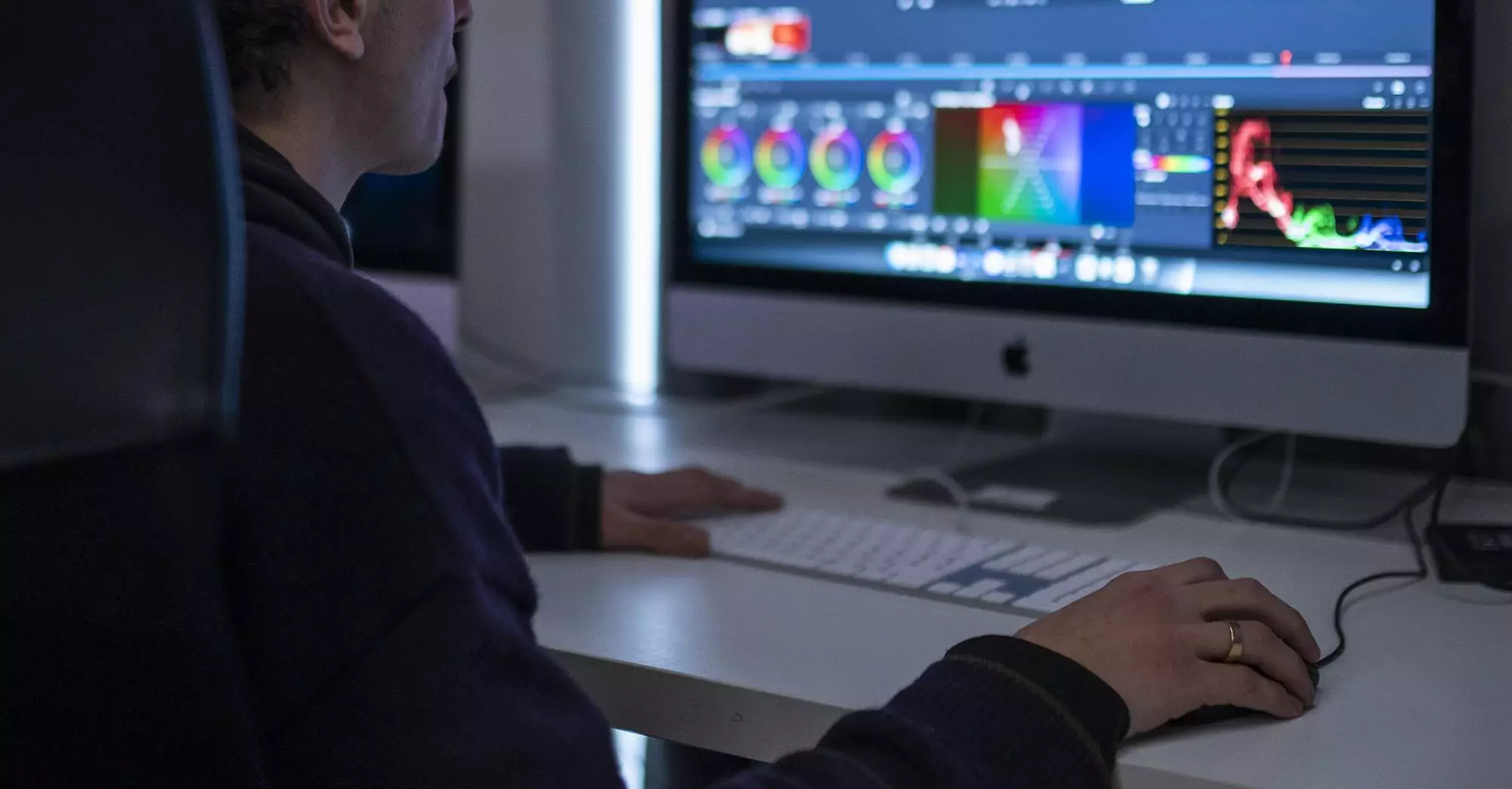
- Use technical tools (software, plug-ins, consoles) to refine the rendering.
The role of the mixer
- Bringing the soundtrack of an audiovisual production to life.
- Respect the director’s vision by following his or her artistic and technical choices.
- Working as part of a team with the picture editor and sound editor to ensure perfect consistency between sound and picture.
- Guaranteeing a professional final result adapted to the broadcast medium (cinema, television, streaming platforms, video games, etc.).
Skills and qualities needed to be a mixer
Essential skills
- An excellent musical ear for spotting nuances and harmonising sounds.
- Mastery of mixing tools (software, consoles, sound processing).
- Familiarity with technical standards relating to broadcasting (cinema, TV, streaming, etc.).
- Combine technique and creativity to create a coherent, expressive soundtrack.
Personal qualities
- Good listening and communication skills, to understand and respect the director’s requests.
- A good team spirit, to work effectively with the picture editor, sound editor and others involved.
- Autonomy, to be able to work independently while meeting deadlines.
- Rigour and precision, to take care of every sound detail.
- Patience and concentration, essential for long, demanding mixing sessions.
- Excellent professional adaptability depending on the type of production (film, series, advertising, video game) and artistic or technical constraints.
Tools and software used by the mixer
Specialist tools
- Dolby Atmos Renderer / Panner (immersive mixing),
- iZotope RX (sound cleaning and restoration),
- Plugins (spatialization, surround, correction).
The main DAW software
- Pro Tools (the standard),
- Nuendo, Logic Pro, sometimes Reaper or Studio One.
The hardware
- Mixing console / control surface,
- Reference speakers (stereo, 5.1, 7.1, Atmos),
- Top-of-the-range audio interfaces.
Which rack to choose?
There is no single route to becoming a sound mixer, but there are several baccalaureate options and streams that will help you prepare effectively for this profession:
A general baccalaureate with scientific and/or artistic specialisms
Mathematics and physics can help in understanding sound and acoustics. Teaching music or applied arts helps to nurture artistic sensitivity.
A technological baccalaureate
- Bac STI2D option “Information and Digital Systems” or “Technological Innovation and Eco-design” which are useful for sound technologies.
- Bac STD2A (Sciences and Technologies of Design and Applied Arts) for people who want to combine creativity and technique.
A vocational baccalaureate
Bac pro (vocational baccalaureate) in audiovisual professions – “Sound professions” option, which provides a practical grounding from secondary school.
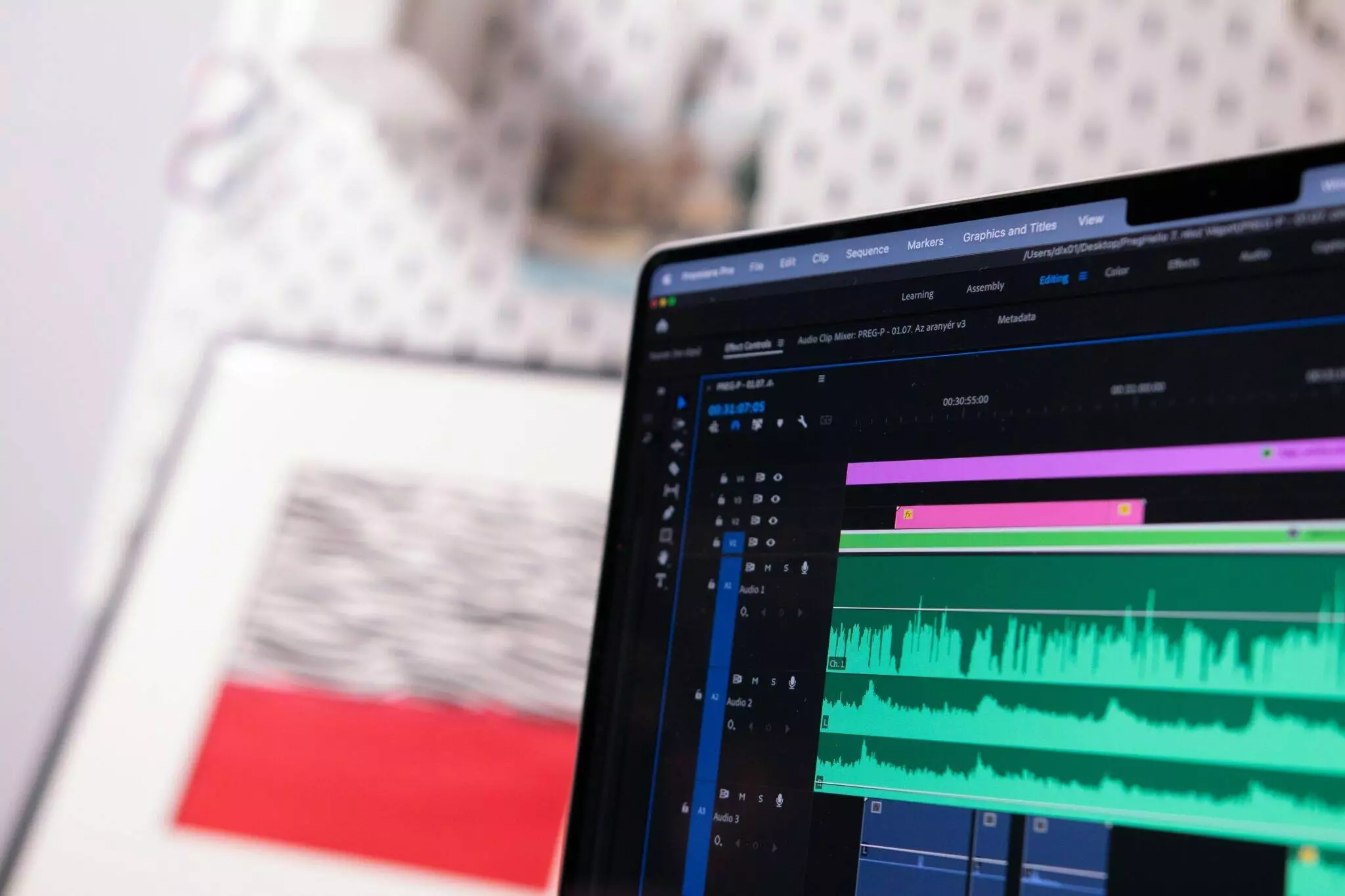
Training and qualifications to become a mixer
There is no official diploma specifically for the job of sound mixer. To enter this profession, it is therefore advisable to pursue training in the audiovisual industry, which can then be completed by specialising in sound.
- The “Audiovisual and Film Production Designer” course at CinéCréatis. This 3-year course enables students to acquire solid skills in all areas of the audiovisual industry, while offering the possibility of specialising in the final year. Future mixers can choose the “post-production” specialisation, which prepares them directly for the techniques and practices of sound mixing.
- BTS in audiovisual professions: “Sound” option. This 2-year diploma offers solid practical and theoretical training. It enables students to master sound recording equipment, audio editing, mixing and post-production. Students learn to work as part of a team on practical projects, often related to film, television or radio.
- Bachelor’s or Master’s degree in sound production (specialising in sound and image engineering in the 3rd year). These university or private courses combine theory, technique and creativity, covering acoustics, music and audiovisuals. They include practical projects and specialisations in post-production and mixing. A Bachelor’s degree makes it easier to find a job.
What does a mixer earn?
Pay is often based on daily or weekly contracts, with specific scales depending on the sector (such as film or television production).
Average starting salary
A mixer with 0 to 2 years’ experience will earn around €1,800 to €2,500 gross per month, i.e. between €21,600 and €30,000 gross per year.
Average experienced salary
With a few years’ experience, a mixer can earn between €3,000 and €4,500 gross per month, or €36,000 to €54,000 gross per year. Salaries can exceed €5,000 to €6,000 gross per month for an experienced mixer in charge of prestigious or international projects.
Career opportunities
- Sound engineer: sound engineers create and record sound effects to enhance the immersion of a film or series.
- Sound editor: assembling, cleaning and preparing the different audio tracks before the final mix.
- Sound assistant: supporting the sound teams on set or in post-production, while learning advanced techniques.
Become a mixer and move on to more technical and specialist roles
After several years’ experience, a mixer can complete his or her training and prepare to become a sound engineer, a role that involves supervising the overall sound quality of a project and mastering cutting-edge technologies.
Sectors and companies that recruit
- Film and television (post-production studios, audiovisual production companies) for the post-production of films, series and documentaries.
- Video games (video game development studios, companies specialising in interactive sound design).
- Music studios (recording studios, music labels, independent producers) for the recording, mixing and mastering of albums, singles and musical projects.
- The world of advertising and the media (advertising agencies, radio stations, television channels) for the creation of jingles, advertising spots and audio content for the media.
- The institutional and corporate audiovisual sector (companies, public institutions, communication agencies) for the production of institutional videos, online training and corporate content.
Which school should I choose to become a mixer?
Training courses in the sound professions are available at various levels, from Bac to Bac+6. Some schools open as soon as you leave secondary school, while others require a Bac+2 or Bac+3. Guidance is essential, because the bridges between film, music, video games and post-production are limited: each sector has its own practices, tools and professional networks.
CinéCréatis prepares students for careers in film and audiovisual sound. Students learn to master recording, editing, audio cleaning and multichannel mixing, including Dolby Atmos. Supervised by professionals and confronted with real-life situations, they develop the ability to balance dialogue, sound effects and music to enhance the emotional power of a work.