Head camera operator
The creative, guarantor of the image
The camera operator, also known as the chief operator, is the head of the image department, and is one of the most creative professions in the audiovisual industry. He establishes artistic coherence.
Here’s what you need to know about their tasks, training and skills, among other information.
Role and missions
The camera operator talks to the production manager and the director to assess the workload required to complete the project.
In the context of audiovisual productions, the DOP hires and manages the activities of the various camera operators reporting to him/her.
He makes sure that the artistic line decided on is not deviated from, so that the result is in line with the project specifications.
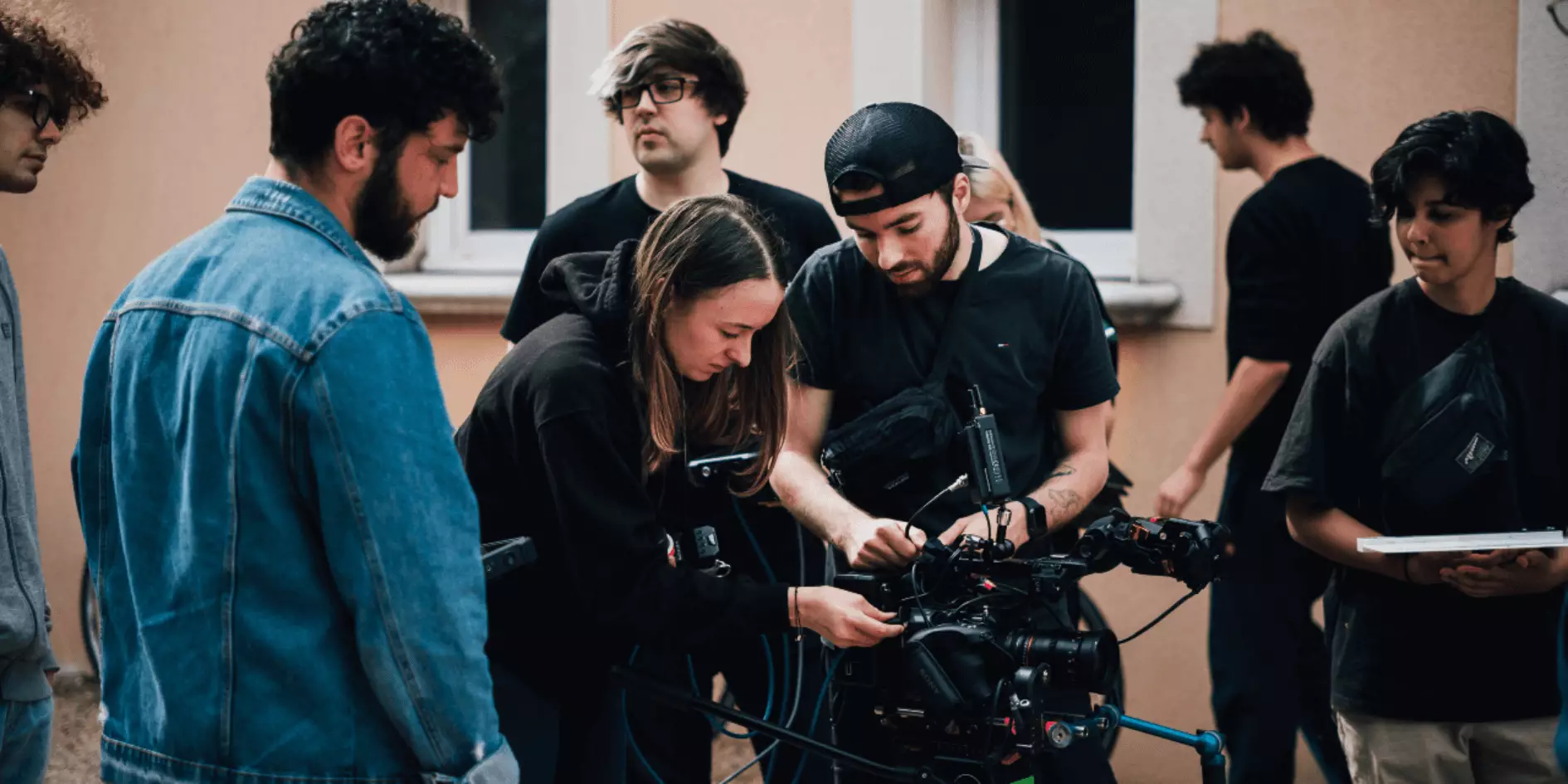
On the shoot, he or she locates the locations, draws up a plan and carries out the necessary tests before starting to shoot, in particular testing the equipment (cameras, film, etc.).
They ensure that the sequences run smoothly and are artistically coherent, and often take part in the editing once the shoot is finished.
Diplomas and training
The Audiovisual & Cinematographic Production Designer training course offered by CinéCréatis is ideal for mastering the equipment and techniques of this profession.
Before you can become a DOP, you will need to have been a trainee on a shoot, a camera operator, a second and then a first assistant DOP.
Skills and qualities required
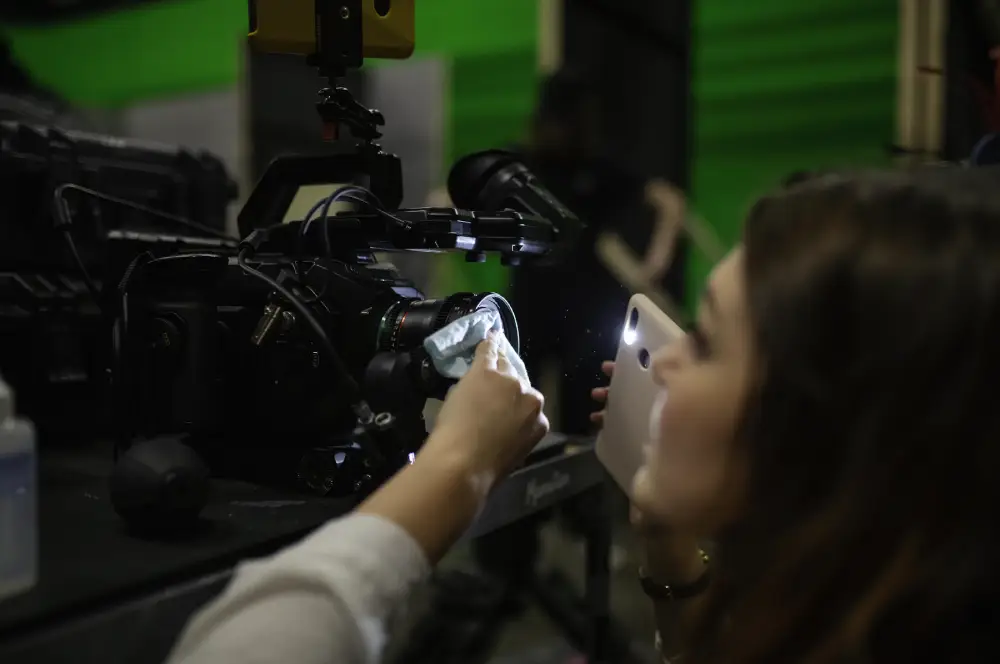
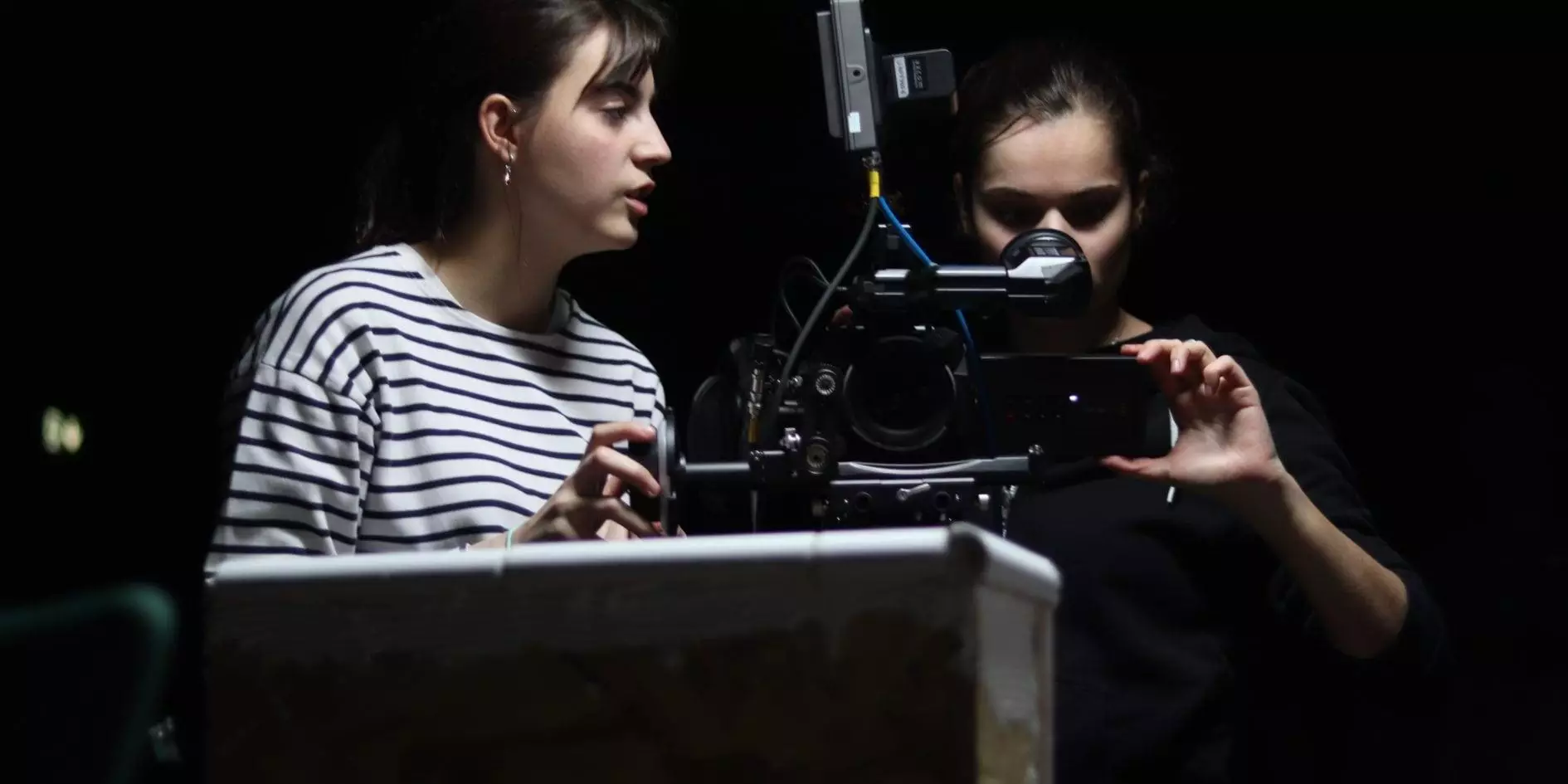
The DOP masters lighting and camera techniques to perfection. They are responsible for image quality and must pay close attention to detail (lighting, depth of field, movement of actors, etc.).
Depending on the location, the time of day and the effects required, they select the equipment that creates the best light.
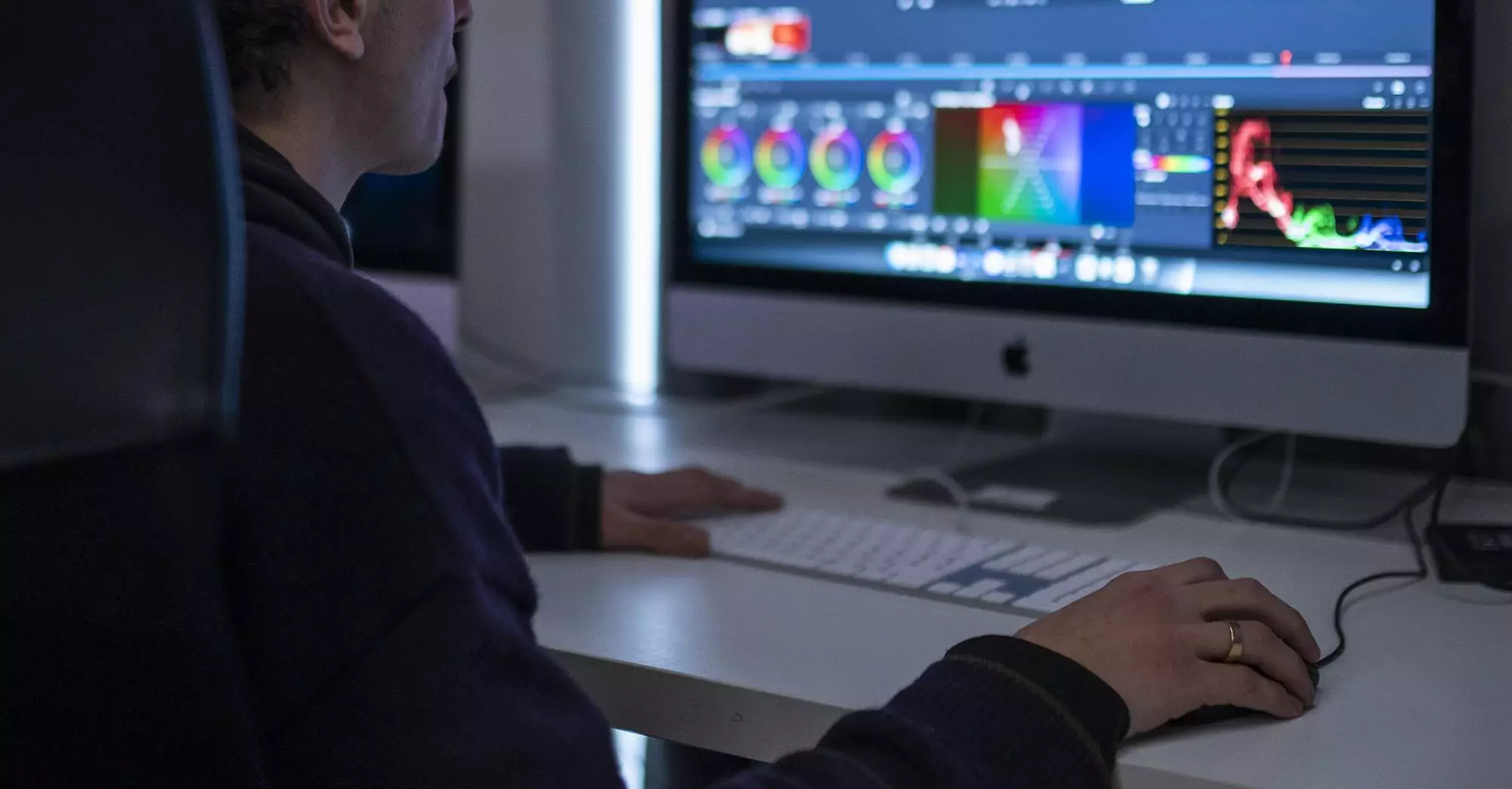
Mastering the art of the camera, they have a great artistic sensitivity and are well versed in all the modern software inherent in their profession. Knowledge of all technological and digital equipment is essential to his status.
Supported by several assistants, he or she has good interpersonal skills and enjoys working as part of a team. Working closely with the director, the DOP has a good ability to listen and analyse in order to offer work that meets the specifications. Their imagination enables them to create surprising sets and situations in line with the director’s requirements.
Careers and career opportunities
A reputation and address book can help you land contracts and demonstrate your talent so that you can then be approached by the most fashionable directors, but before you get there you need to show determination and perseverance.
Salary expectations
A cinematographer can earn €2,200 a week on average. These are standard salaries. It should also be noted that a cinematographer is paid according to the means of the production.
source : cidj.com
Production manager: training and qualifications
To become a production manager, it is essential to have acquired knowledge of audiovisual economics, to have integrated the components of audiovisual production, to have grasped all the trades involved in a project… These are the concepts that the Audiovisual and Cinematographic Production Designer course offered at CinéCréatis enables students to acquire. In addition to comprehensive theoretical and practical teaching, the course includes a professional immersion programme designed to give students all the keys they need for optimum professional integration.
Qualities required to become a production manager
The world of audiovisual has no secrets for the production manager. They know everyone involved in the project, their field of action and their skills. Their financial expertise enables them to make estimates as close as possible to the needs of the production. They also have a thorough grasp of the legal aspects of audiovisual production, and are fully conversant with the applicable collective agreements and regulatory obligations to which the project is subject. His leadership makes him the driving force behind the project, and he knows how to manage stress. After all, any failure on his part could result in considerable financial loss! He also demonstrates great rigour and unfailing commitment, enabling him to anticipate any situation that could affect the smooth running of the project.
Production manager: career and development prospects
The job of production manager clearly requires maturity. Managing people, coping with situations of intense stress and maintaining an overall vision of the project are qualities that must be acquired. It is through the projects and the experience they accumulate on each production that production managers will gradually shape the rest of their careers. His successes, reputation and credibility grow as he goes along, enabling him to be entrusted with bolder, larger-scale projects.
The production manager’s salary
Remuneration can vary greatly from one world to another. For example, a production director working in the film industry is likely to be paid more than someone working on a television programme or series. We can establish a salary base starting at around €2,500 gross per week for a junior profile.