Final year film: a feminist film noir by Nantes students
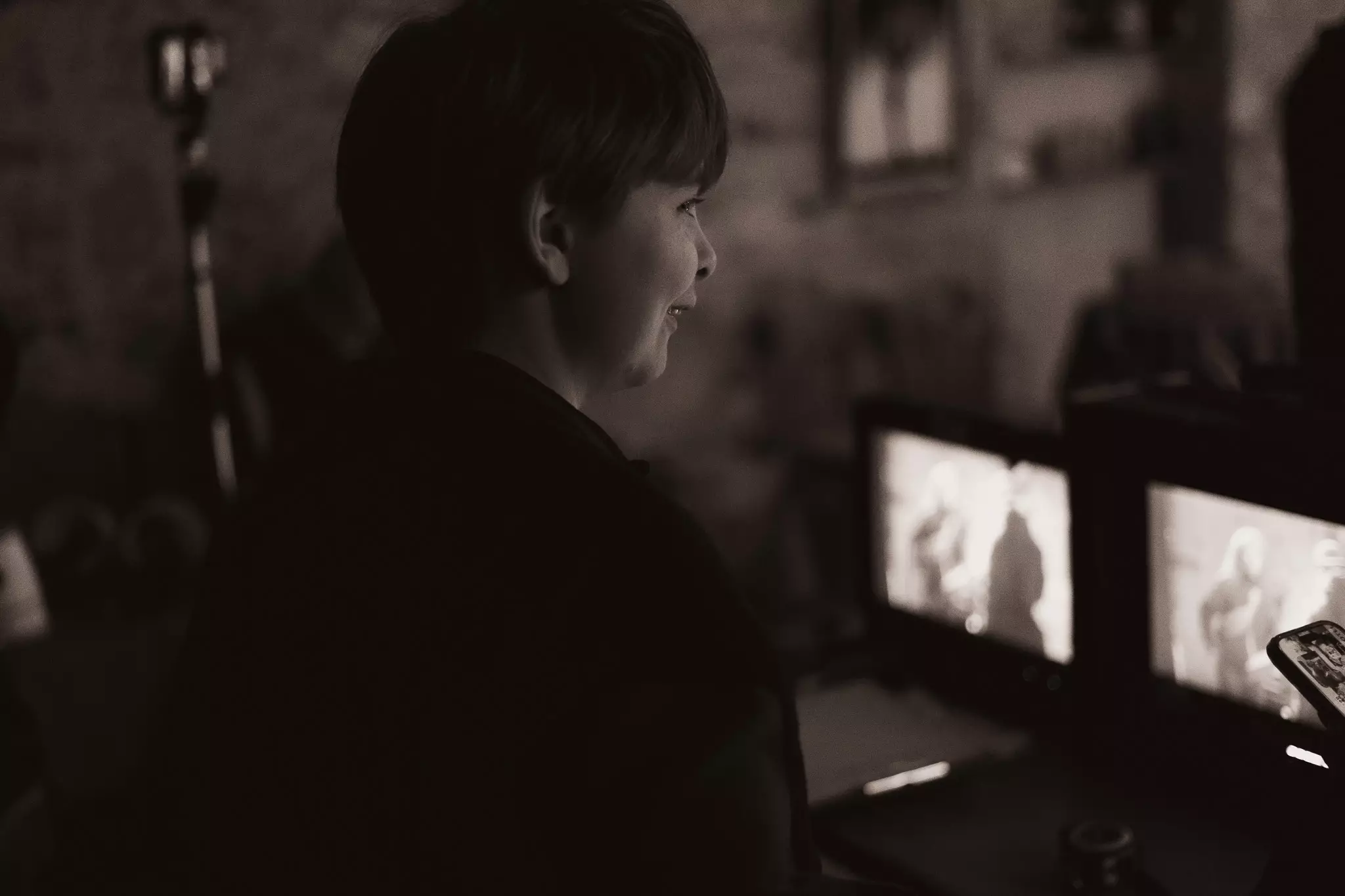
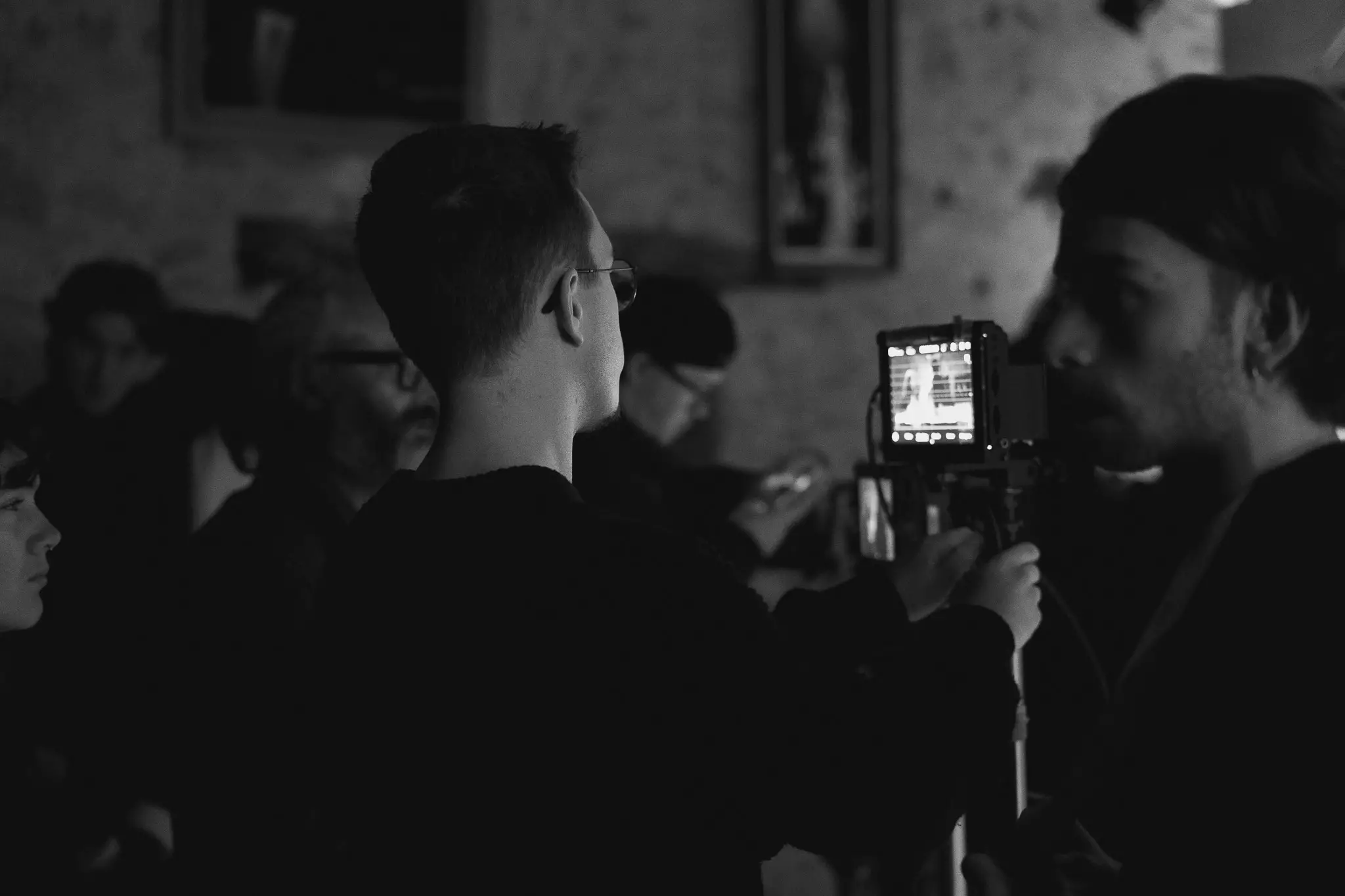
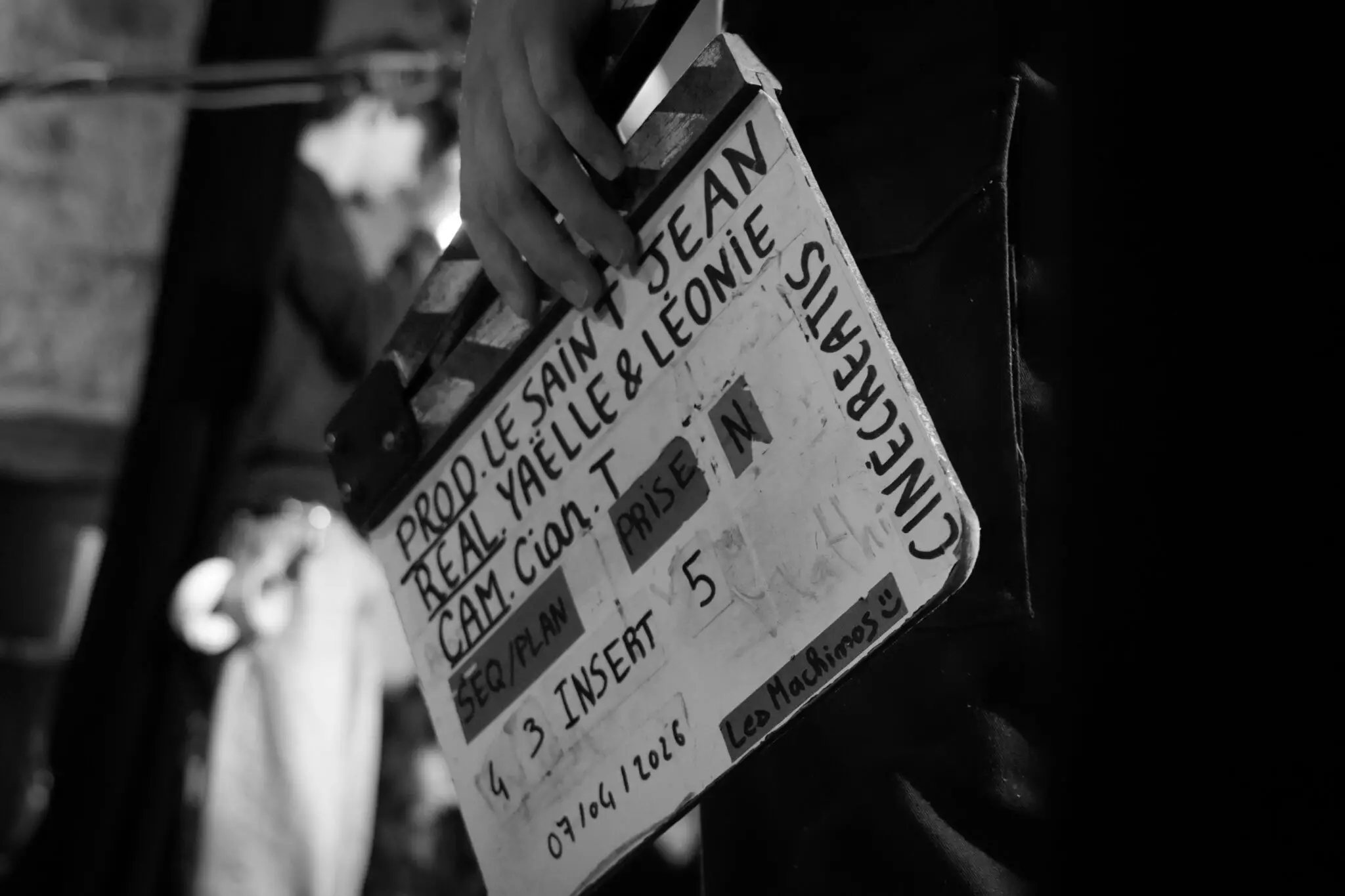
In their final year at Cinécréatis, students design and produce a film for their graduation. This work, carried out in conditions similar to those of a real professional production, relies on significant technical resources and the collaboration of a team of technicians. It provides an opportunity to mobilise and apply all the skills developed throughout the course.
Le Saint Jean: an intense in camera setting in Paris in the 60s
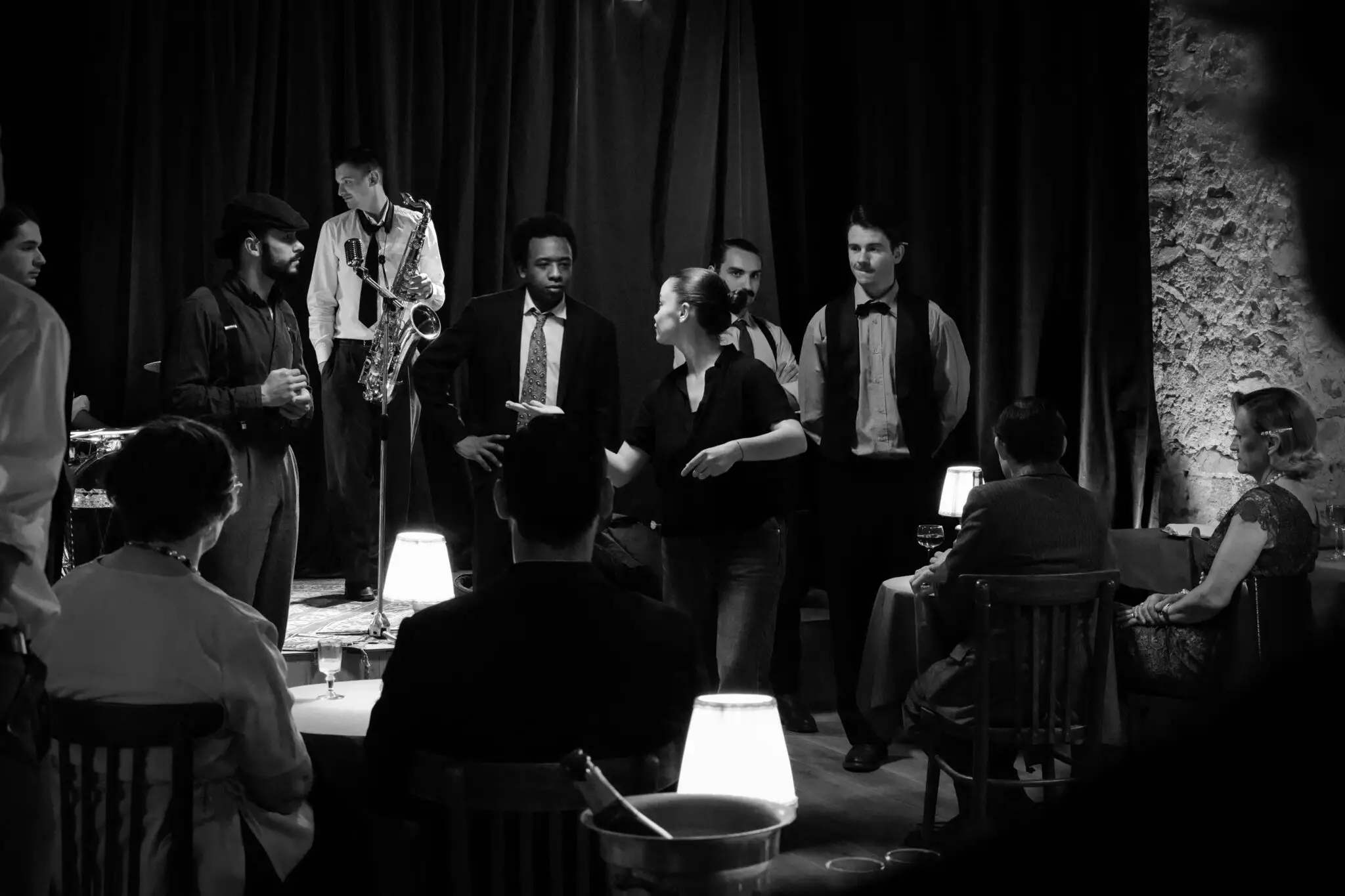
With Le Saint Jean, co-directors Léonie Simmonet and Yaëlle Gueguen propose an ambitious short film that revisits the codes of film noir through a profoundly contemporary lens. This graduation film plunges viewers into a Paris jazz club in 1962, at the heart of a night when the party suddenly turns tragic.
The story begins in the hushed, elegant atmosphere of the Saint Jean, a posh bar in the 6ᵉ arrondissement of Paris where the notes of a jazz band are echoing. But behind the festive appearances lie deep-seated tensions. When Paul, the club owner, is found murdered in the toilets, an investigation begins under the eyes of Jeanne, the wife of a police commissioner, and Renée, a mysterious jazz singer with a tormented past.
Through this criminal intrigue, Le Saint Jean explores powerful themes: male domination, violence against women, justice and, above all, sisterhood. The film follows the evolution of Jeanne, a woman trapped in an oppressive marriage, who sees in Renée a form of freedom and emancipation. Little by little, the two women recognise each other’s wounds and forge a silent alliance in the face of a patriarchal society.
A tribute to 60s film noir
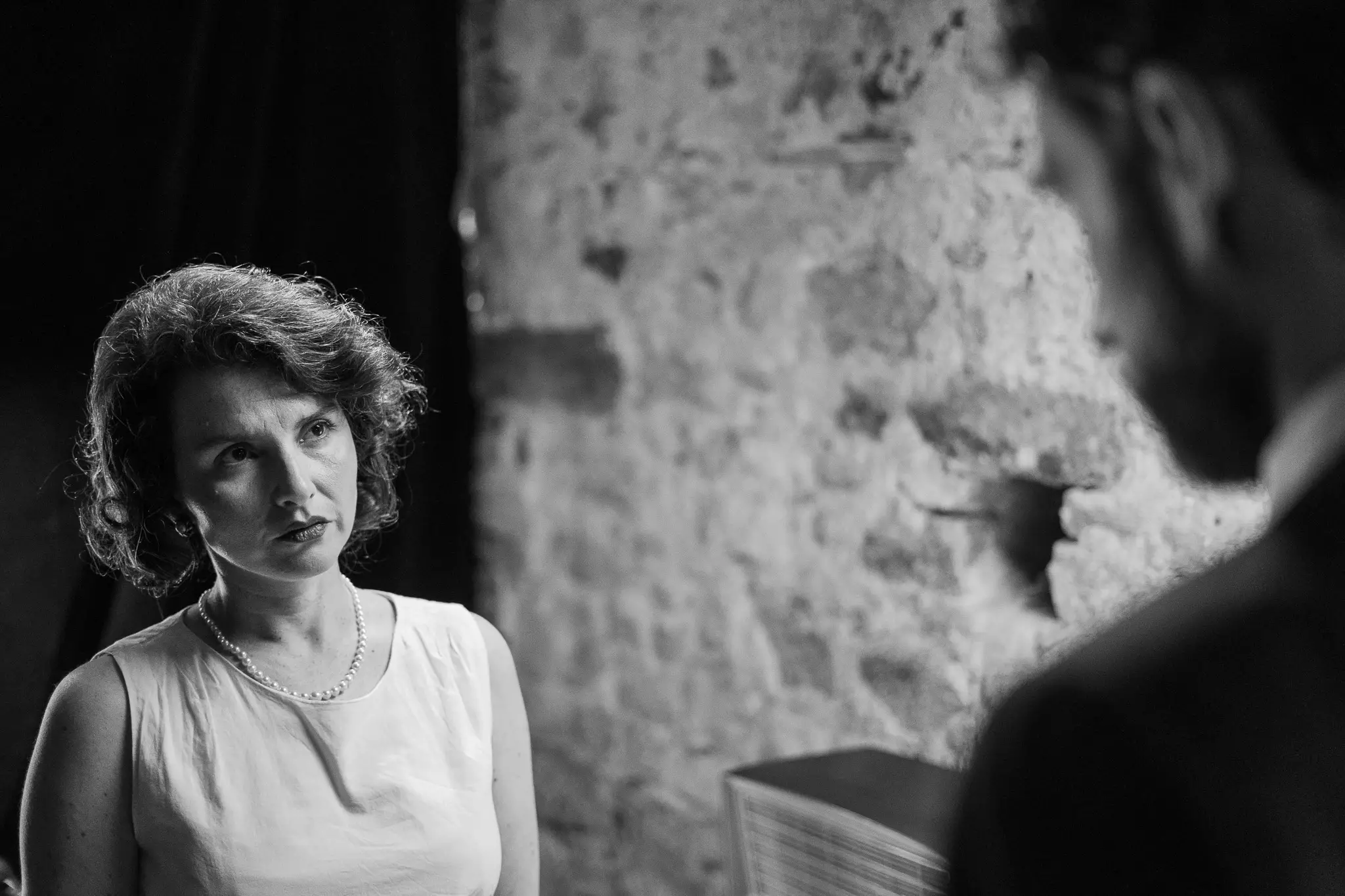
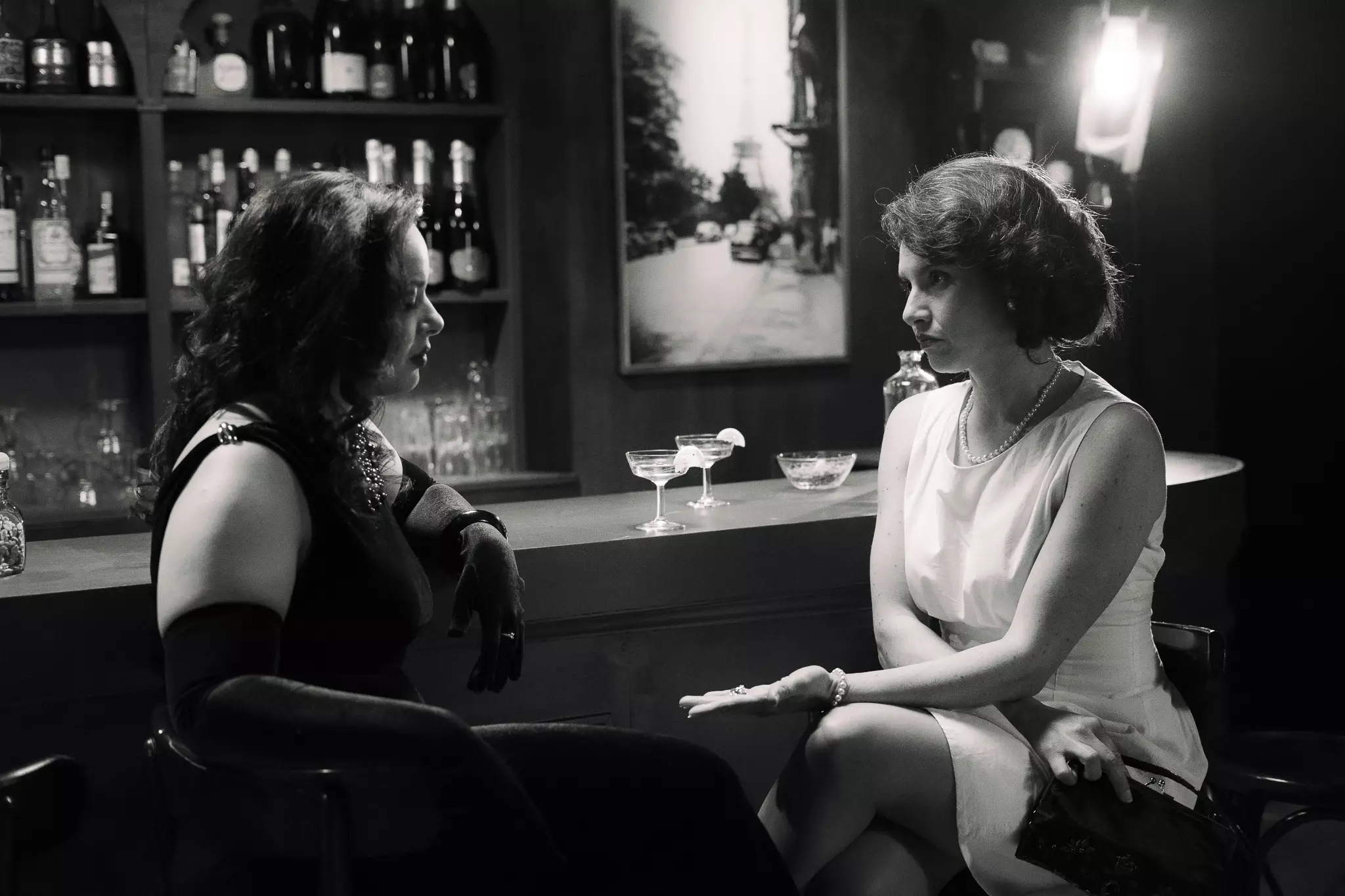
One of the great strengths of the project lies in its particularly assertive artistic direction. Inspired by the great film noir classics, Le Saint Jean adopts a bold black-and-white aesthetic, conceived as a genuine narrative tool.
The filmmakers wanted to subvert the traditional codes of the genre to tell a resolutely modern story. Strong shadows, chiaroscuro, cigarette smoke and contrasting lighting all contribute to creating a dark and elegant atmosphere, directly inspired by the cinema of the 50s and 60s.
Director of photography Matthis Guillemot has created a refined image in which light becomes a language in its own right. The female characters benefit from softer, more enveloping lighting, while the male figures often appear fragmented in shadow, accentuating the relationships of domination present in the story.
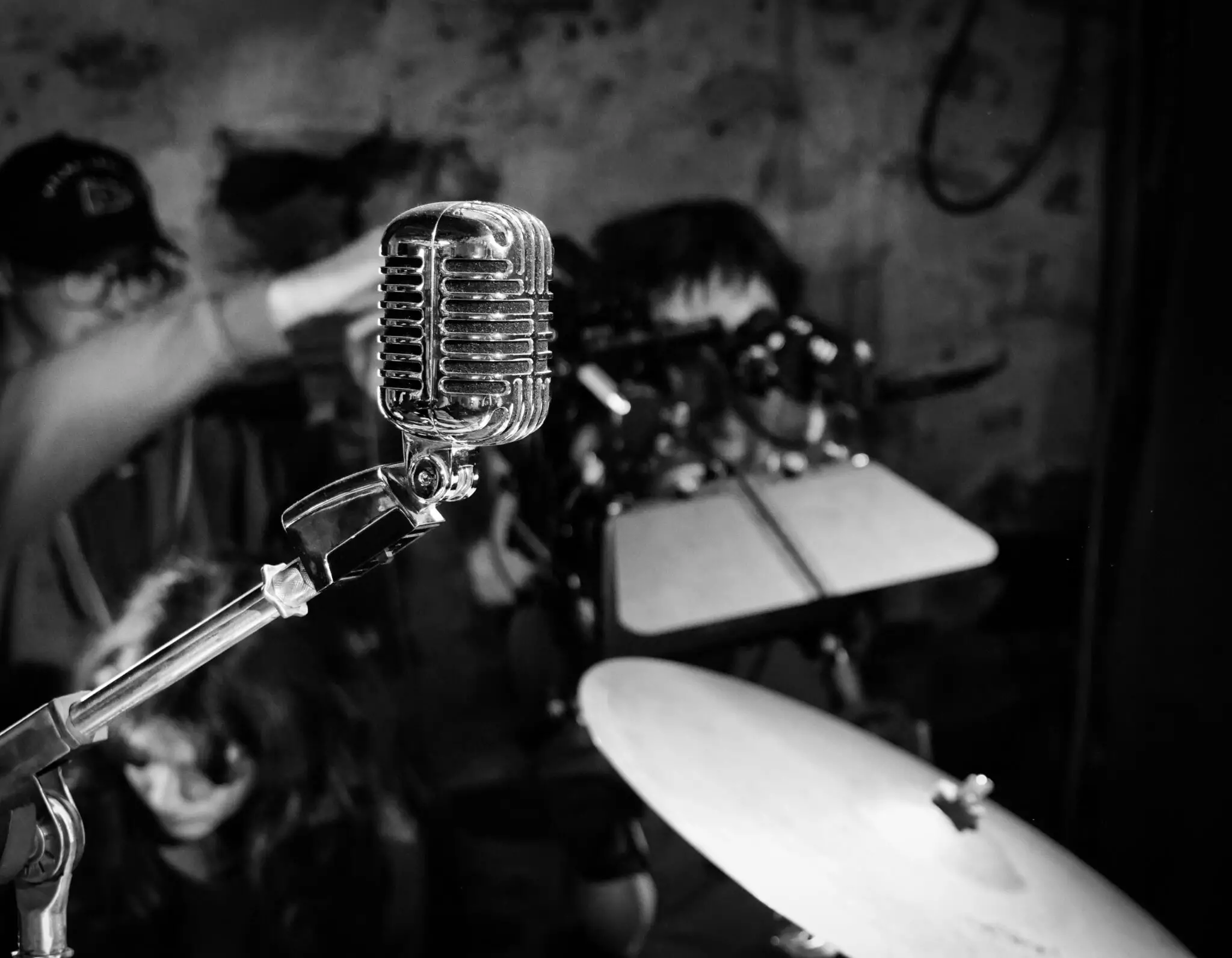
The film also plays on a constant contrast between the vitality of jazz and the darkness of events. The music accompanies the festive scenes while gradually reinforcing the unease that sets in after the murder. The sound work, directed by Mathys Le Floch, plays a central role in the narrative. Silences, breaths and muffled atmospheres help to convey Jeanne’s inner point of view and her gradual realisation.
Female characters at the heart of the story
Beyond its police plot, Le Saint Jean is first and foremost a feminist film. The film sheds light on two radically different but profoundly linked women’s lives.
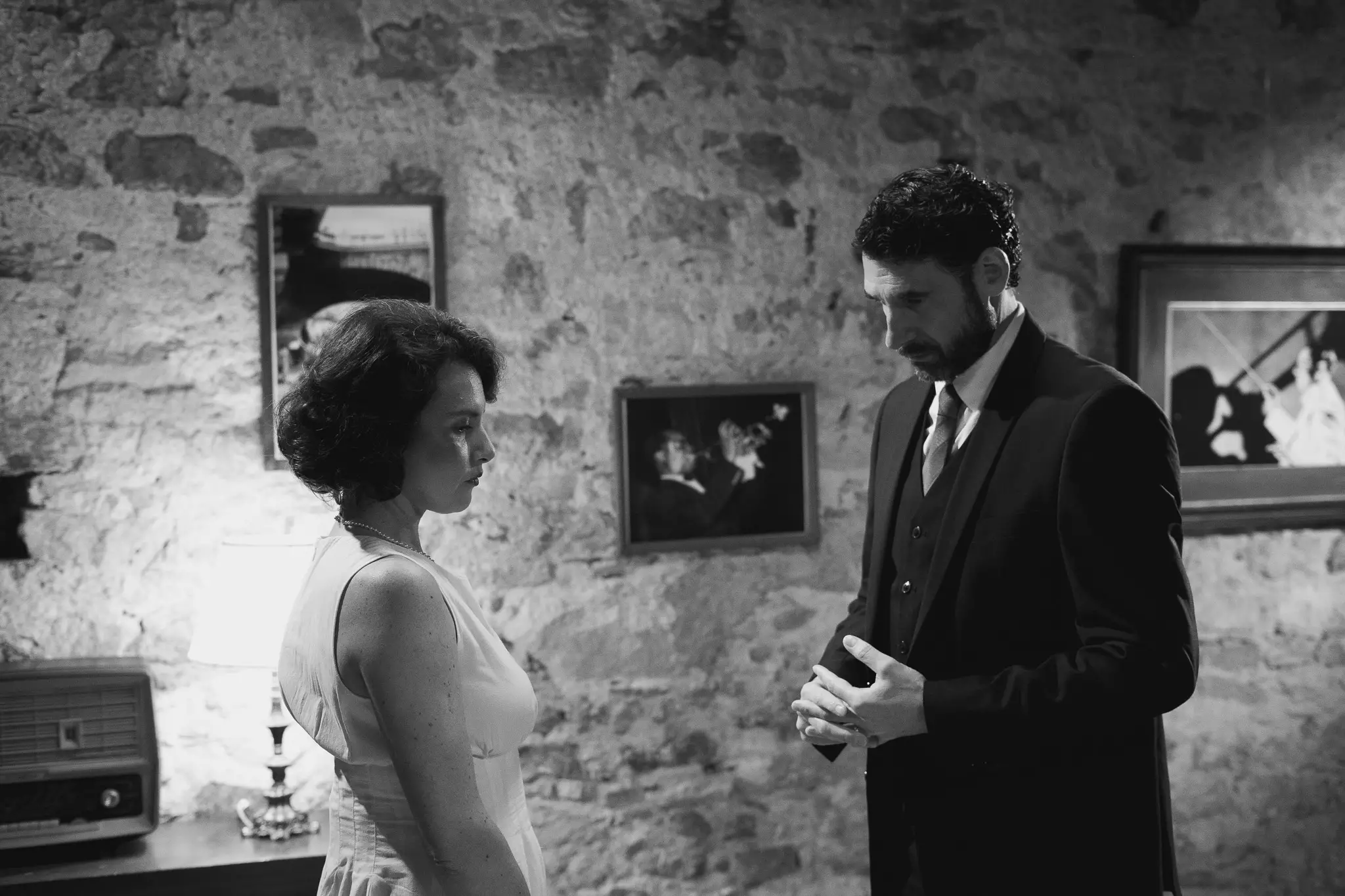
Jeanne is a woman trapped by the social norms of her time. Prevented from working by her husband, she nevertheless dreams of becoming a lawyer. Renée, on the other hand, is an independent and rebellious woman, marked by the violence she has suffered throughout her life. After being assaulted by her boss, she decides to take irreversible revenge.
The film never seeks to simplify its characters. On the contrary, the directors insist on a subtle style in which looks, silences and gestures tell as much as the dialogue. This minimalist approach, inspired by the acting of the 60s, reinforces the emotional intensity of the story.
Jeanne’s emancipation is the real dramatic heart of the film. Her choice to protect Renée becomes an act of rebellion against the established order and the male domination that has ruled her life for years.
Meticulous visual and audio immersion
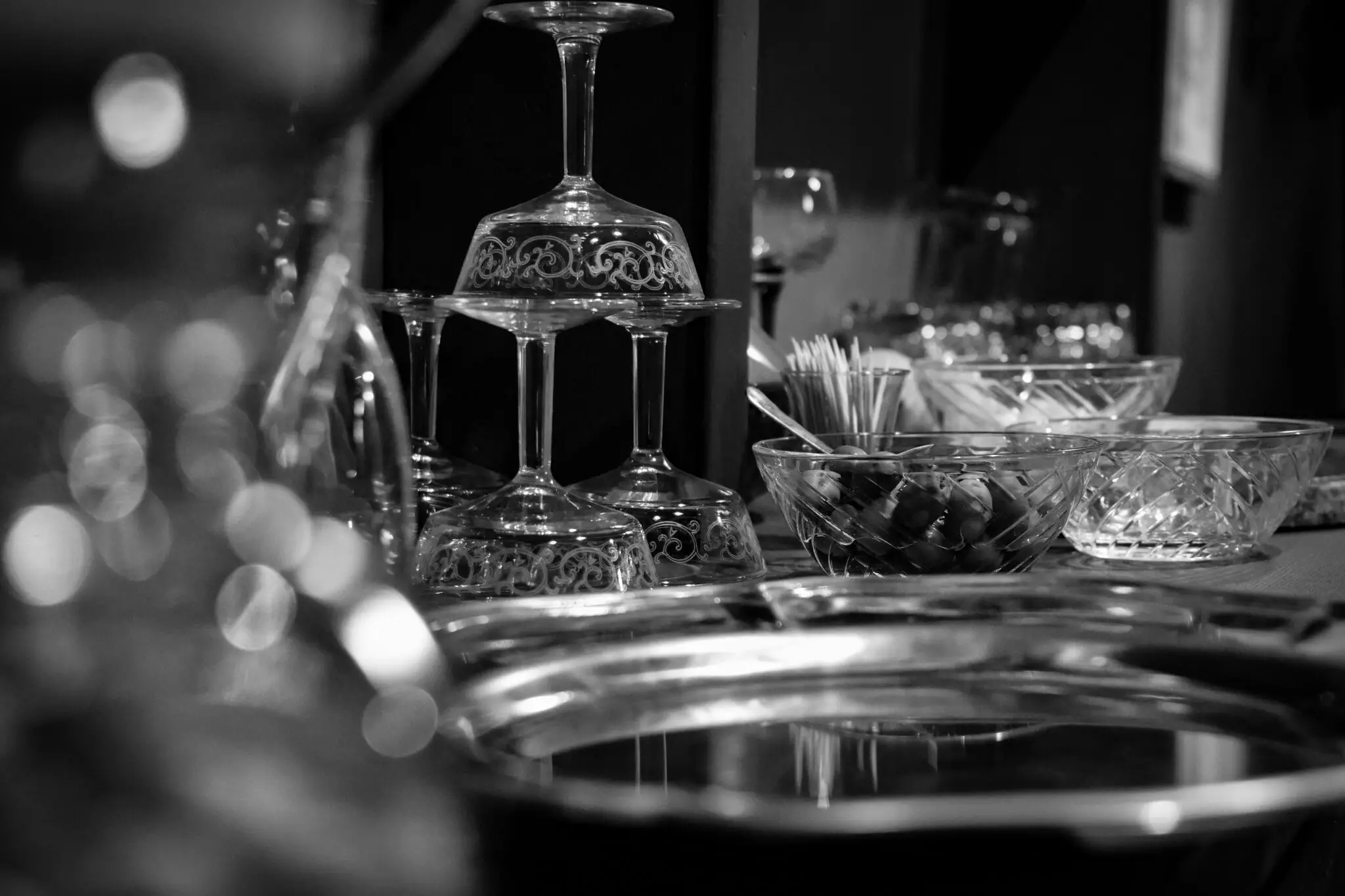
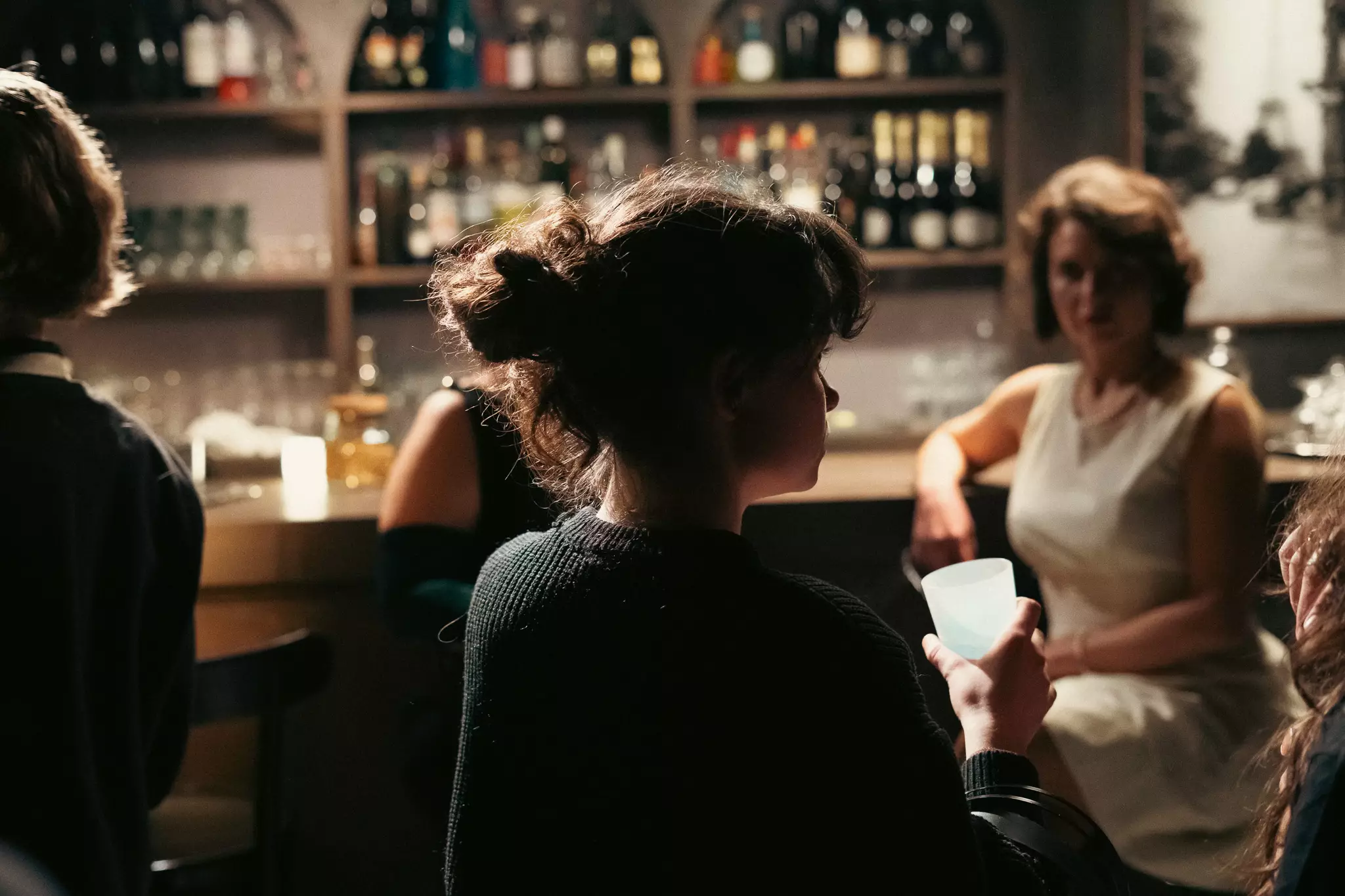
The reconstruction work is also an important part of the project. Set designer Lilou Chardon recreated a typical jazz club from the 50s and 60s, with stone walls, wooden furniture, velvet curtains and subdued lighting. This enclosed, elegant world helps to reinforce the feeling of confinement experienced by the characters.
The costumes also contribute to the characterisation of the protagonists. Jeanne appears in sober, discreet outfits, while Renée adopts a more assertive look with a tight black dress, gloves and jewellery, evoking the classic femme fatale figure of film noir.
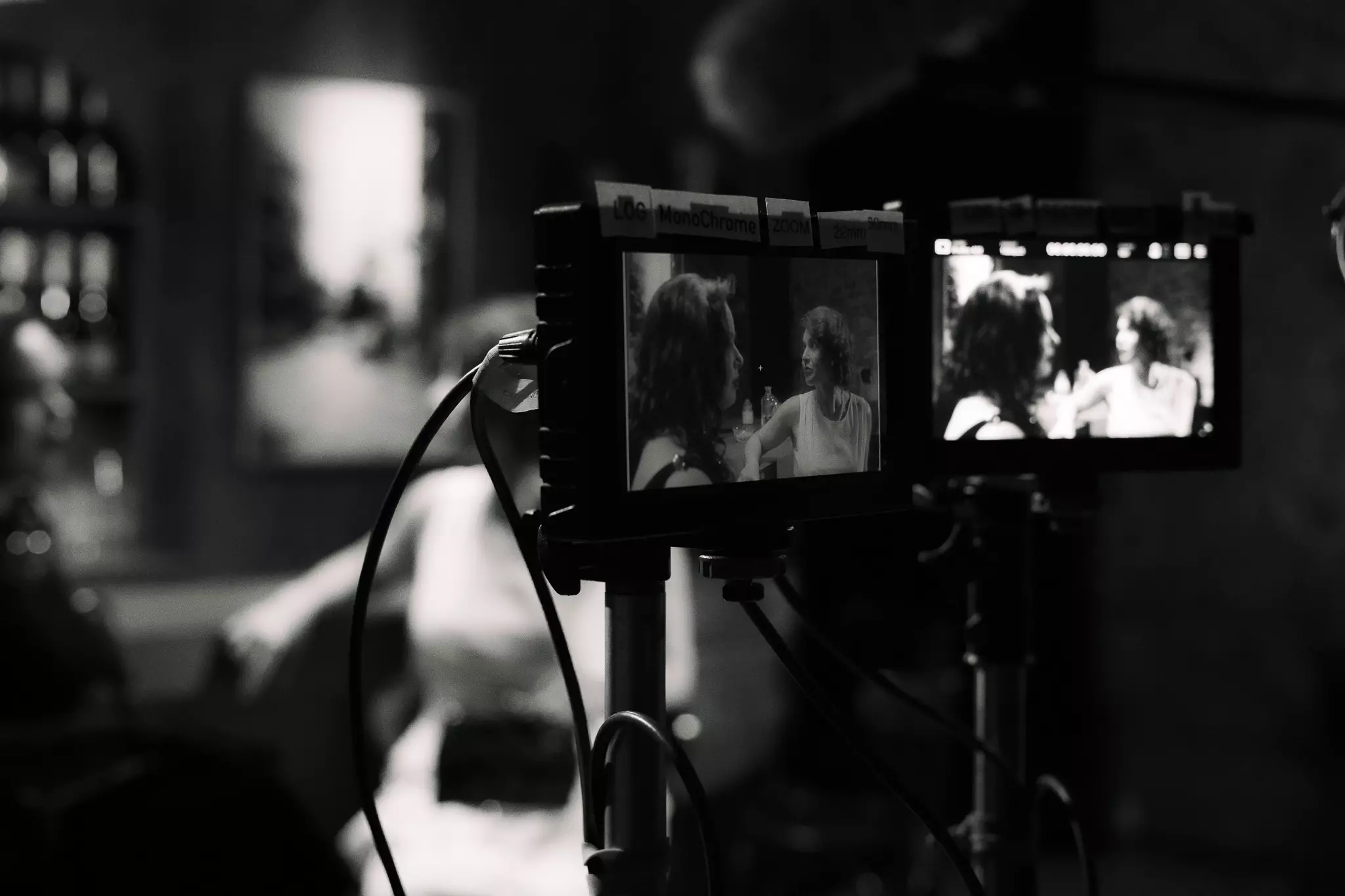
The shoot, organised like a truly professional production, testifies to the ambition of the project. With meticulous technical preparation, work on visual effects, elaborate direction and a strong desire for artistic coherence, Le Saint Jean clearly asserts the intentions of a team keen to offer aesthetic, committed and sensory cinema.
With this short film, Léonie Simmonet and Yaëlle Gueguen have created an ambitious work that questions both the past and the present, making genre cinema a powerful tool for reflection on women’s freedom.
Le Saint Jean will be screened at the Cinécréatis Grand Jury at the Nantes cinema in early July. Students and their families will have the opportunity to see the film on the big screen.