When former students talk about their career paths, their stories often reveal much more than simply how they entered the workforce. They also provide an insight into how careers in film and the audiovisual sector are evolving, what is actually changing on the ground, and what the new generations of creators need to learn to master today.
Théo Richeux ’s career path is a good example of this. A former student at Cinécréatis, now a digital compositor and AI artist at Les Tontons Truqueurs, he is part of a generation that has seen the visual effects industry evolve at breakneck speed, particularly with the arrival of new artificial intelligence tools in production workflows.
What strikes one most about his account is, first and foremost, the way he talks about learning. For him, school was never merely a place to acquire technical skills. Above all, it was a space where he learnt to work with others – a reality he now considers essential to his profession.
“We learnt to live together, to work together to bring a shared project to fruition,” he explains, looking back on his training years. Because in the film industry, he points out, no project is built alone. Behind every shoot, every shot or every visual effect, there are teams who must learn to communicate, to understand the constraints of other roles and to move forward collectively despite the difficulties.
For him, this experience of working as part of a team remains one of the most important lessons he learnt during his studies. This is all the more true in an industry where productions are becoming increasingly complex and hybrid, combining filming, post-production, animation, compositing and, now, artificial intelligence.
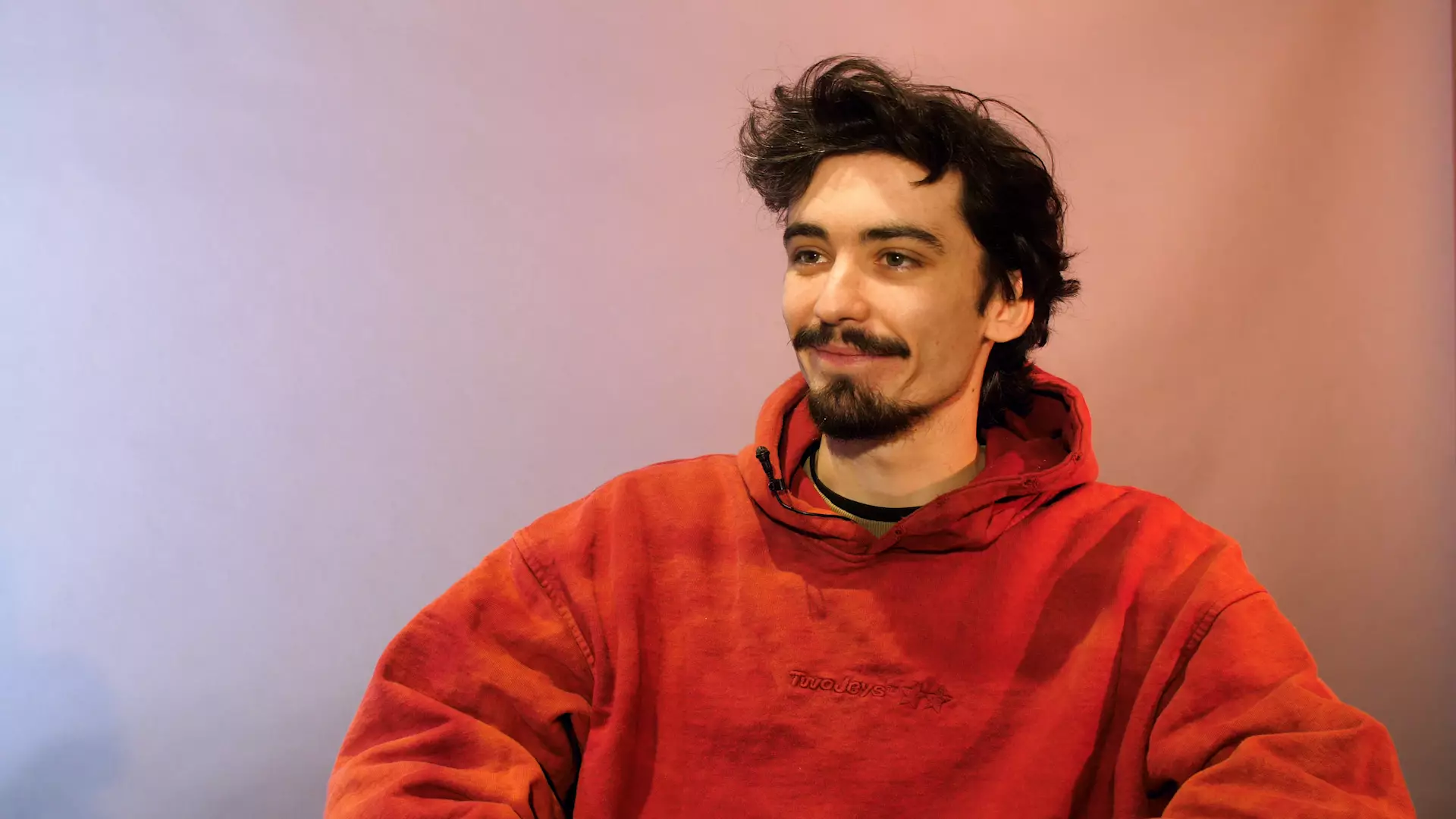
During his studies, Théo gradually discovered the world of visual effects through workshops and team projects. It was a field that quickly appealed to him for one simple reason: nothing ever stays the same. The tools are constantly changing, methods are evolving, and you have to keep learning new ways of creating images.
Even today, this constant evolution remains one of the things that motivates him in his work. At Les Tontons Truqueurs, he is working in particular on integrating new artificial intelligence tools into production pipelines. It is a subject that sparks much debate within the industry, but one he approaches with curiosity and a sense of perspective.
For he does not deny the concerns currently sweeping through the sector. Ethical questions, the protection of artistic work, environmental impact: for him, these discussions are legitimate and necessary. But he also refuses to reduce AI to a systematic threat.
What interests him above all are the new narrative possibilities that these tools can bring to the fore. Certain recent visual experiments have particularly struck him, notably creations that deliberately play on imperfect renderings, reminiscent of VHS archives or home videos, where a sense of strangeness gradually creeps into highly realistic worlds.
In his view, it is precisely this ability to invent new aesthetics that makes artificial intelligence interesting for creators. Not to replace humans, but to open up new ways of telling stories.
And despite all this fascination with technology, Théo always comes back to the same point: people remain the most important factor. In the audiovisual industries, he insists, technical skills are never enough. You also need to know how to communicate, collaborate and build things with others.
In fact, that is the main piece of advice he would give today to a student wishing to break into the film industry: stay curious, experiment without waiting to be asked, and look beyond the confines of the classroom.
“Work doesn’t necessarily stop at school,” he sums up.
A statement that aptly captures the current reality of careers in the visual arts. In a sector undergoing constant transformation, learning never really stops. Tools evolve, practices change, and storytelling is constantly reinvented. But certain things remain essential: curiosity, teamwork and the desire to keep creating with others.
It is precisely this journey – combining a passion for visual media, an introduction to teamwork and the exploration of new digital tools – that Théo Richeux recounts in the profile below.