In their final year at CinéCréatis, students design and produce a film for their graduation. This work, carried out in conditions close to those of a real professional production, relies on significant technical resources and the collaboration of a team of technicians. It provides an opportunity to mobilise and apply all the skills developed throughout the course.
This year, a team from the Lyon campus has chosen to make the film Le Mal des Ardents.
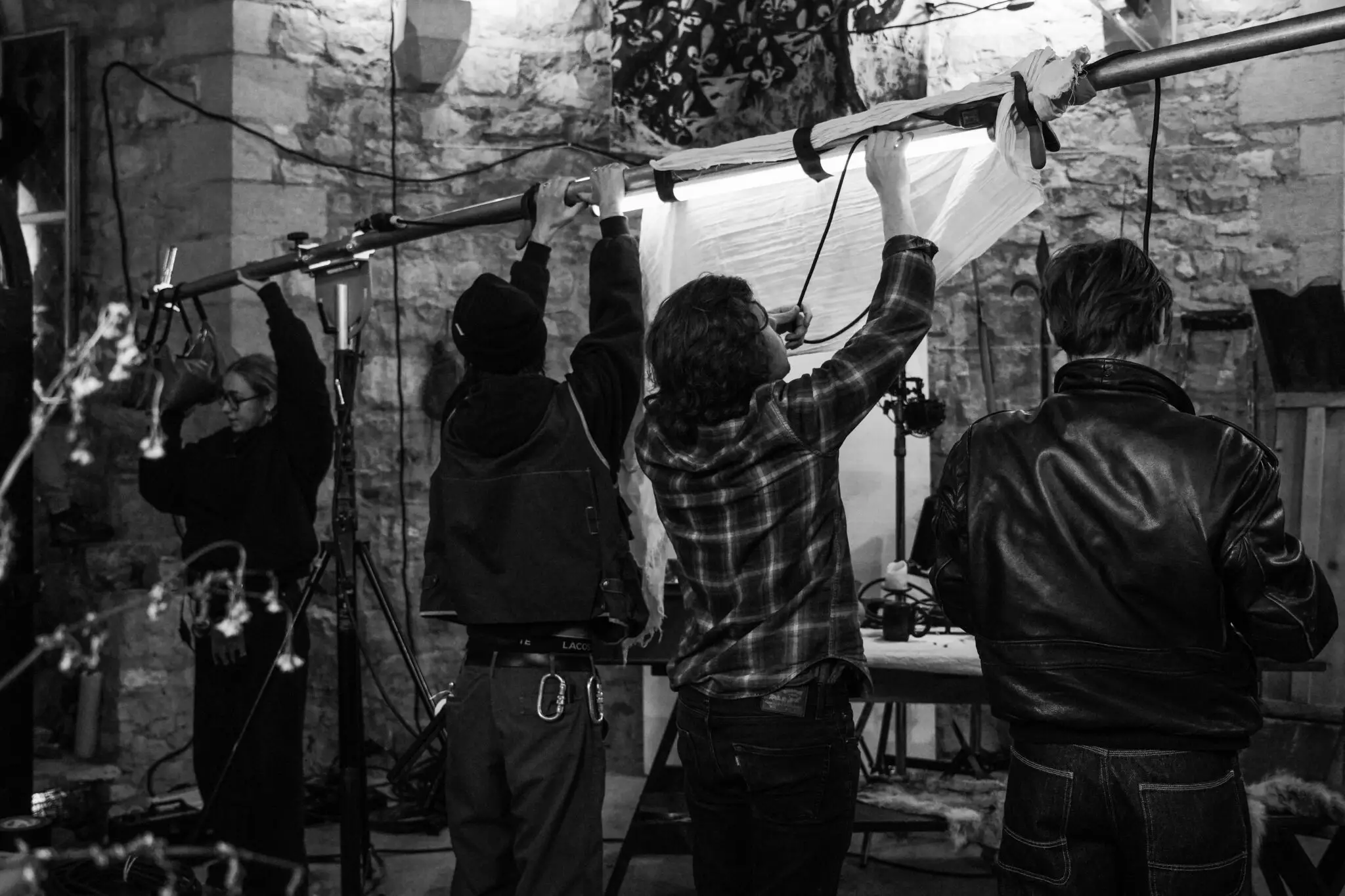
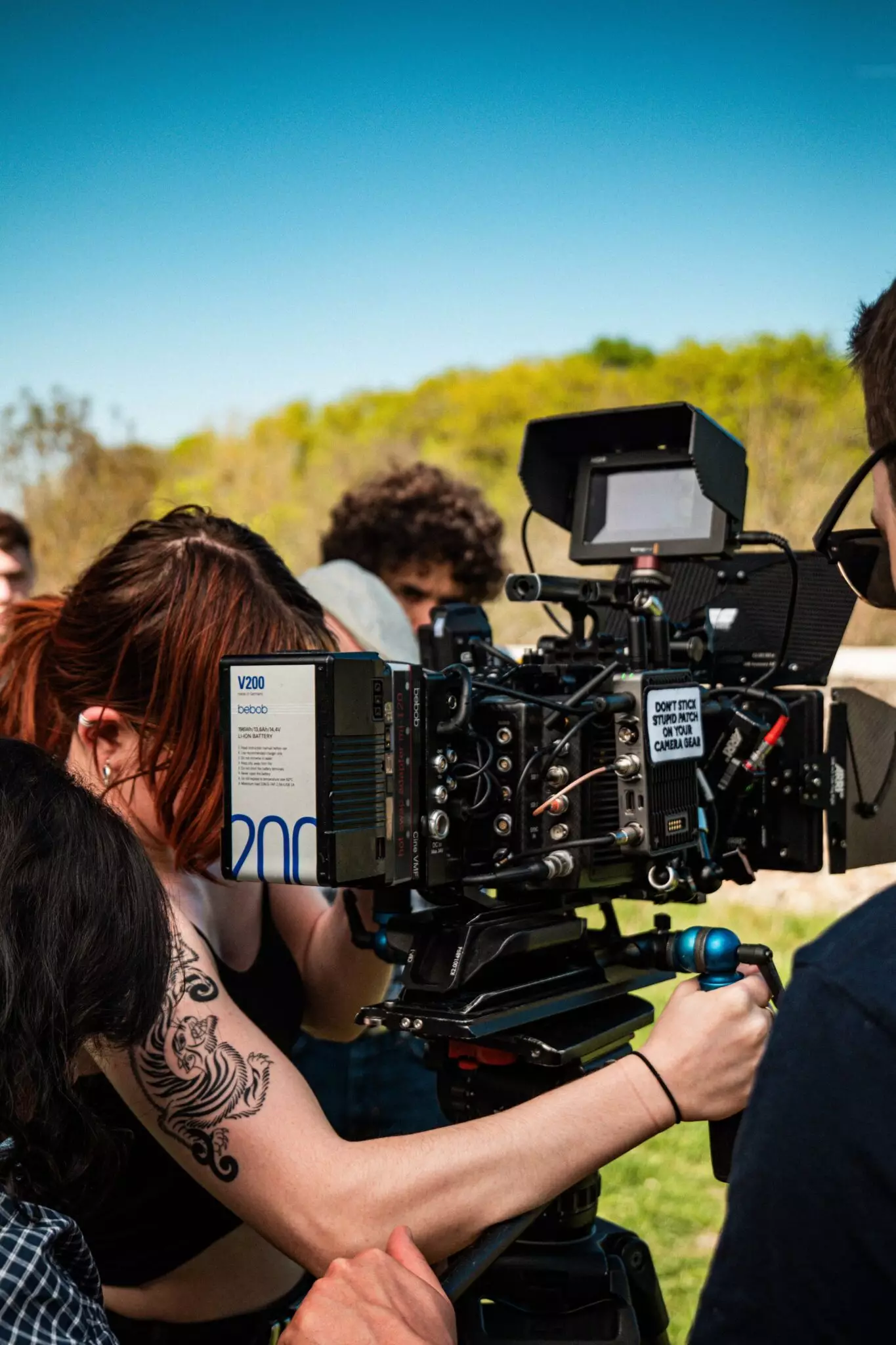
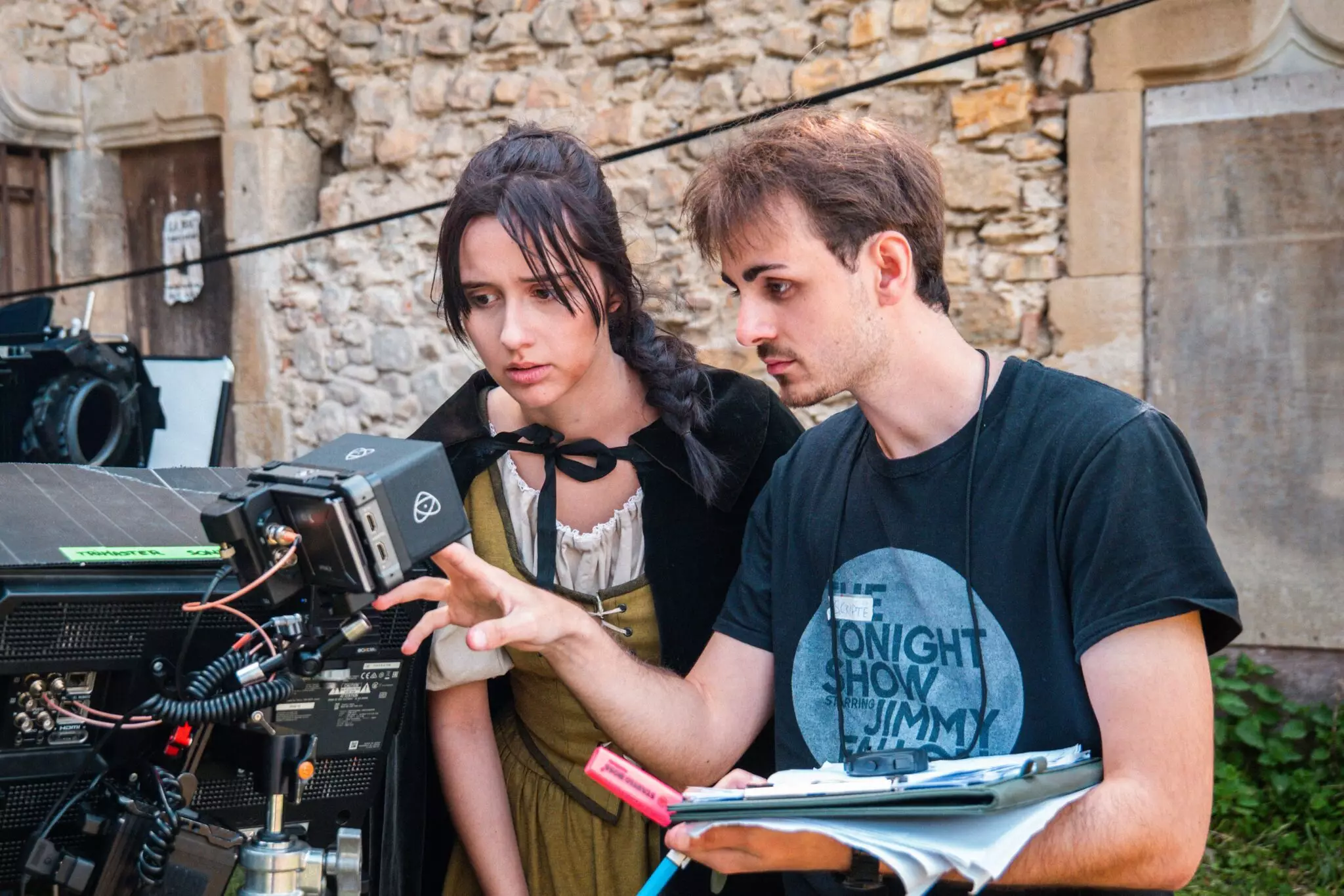
Aesthetic and narrative approach
The shooting of the short film Le Mal des Ardents is being developed with the ambition of offering a work that is immersive, intimate and profoundly contemporary in the themes it tackles. Written and directed by Alexis Limare, the project plunges viewers into a medieval village ravaged by war, disease and fear, where the lines between justice, superstition and manipulation become increasingly blurred.
Inspired by historical accounts of witch hunts and the social tensions linked to epidemics, the film follows Michelle, a young woman confronted with the unexplained disappearance of her sister Vera, accused of witchcraft by the village inquisitor. After a public execution that turns into a supernatural event, Michelle tries to understand what really happened. Each witness has his own version of events, each view distorts the truth, and doubt gradually creeps into the heart of the story.
The project takes an atmospheric approach to filmmaking, based on extensive work on image, sound and direction. The artistic team is seeking to recreate a credible medieval world, far removed from the heroic or fantasised representations of the genre. Here, the sets, costumes and lighting all help to create a feeling of collective exhaustion. The film’s village becomes a character in its own right: an enclosed, oppressive space consumed by the fear of the “Mal des Ardents”, a mysterious disease that consumes the inhabitants both physically and mentally.
The script deliberately plays with several points of view. As the story unfolds, Michelle discovers the testimonies of the executioner, the inquisitor and a painter sent to immortalise the execution. Each interprets the events according to their beliefs, fears or interests. This narrative construction allows the film to question the fabrication of truth and the weight of collective narratives. In a context marked by superstition and religious authority, Vera’s disappearance becomes a symbol: a miracle for some, a demonic act for others.
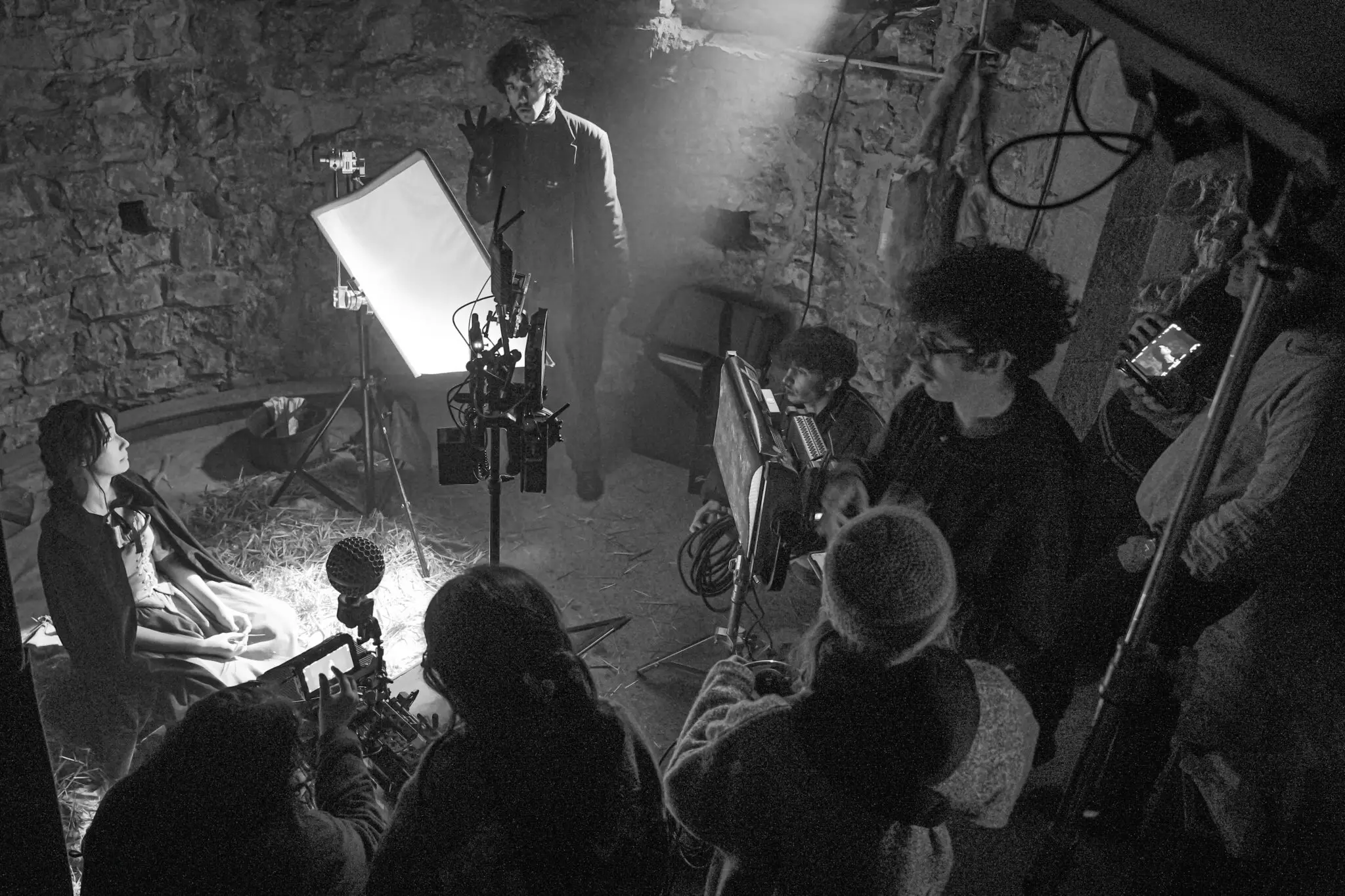

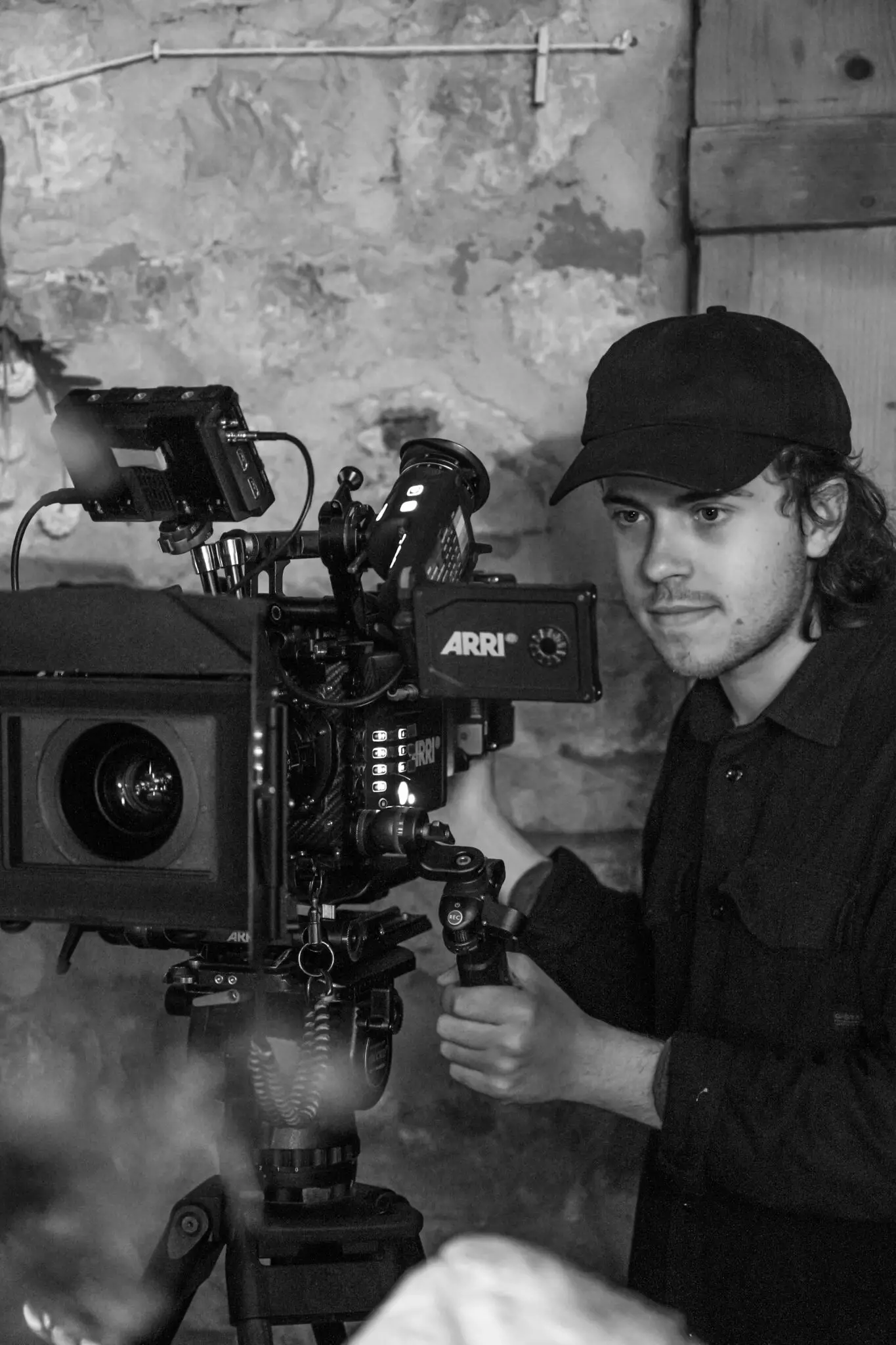
Visual research and sound design
One of the most striking aspects of the project lies in its desire to treat fantasy with restraint. The film does not seek to multiply the spectacular effects, but to create a permanent doubt in the spectator. The strangeness arises mainly from the perception of the characters, the silences, the light and the reactions of the crowd. This approach anchors the story in a more realistic and human psychological tension.
The pre-production work also bears witness to particularly detailed preparation. It is based on a precise technical breakdown, in-depth visual research, colour-grading intentions, a post-production workflow and extensive work on visual effects. The aim is to build a coherent aesthetic continuity, from filming to the final stages of finishing.
In particular, the team wants to use natural light and light sources inspired by the period to reinforce the authenticity of the scenes. Dark atmospheres, candlelit interiors and overcast exteriors help to create a constant sense of instability. The film also relies on an immersive approach to sound, where the songs, the creaking of the wood, the voices of the crowd and the rumblings of the storm become narrative elements in their own right.
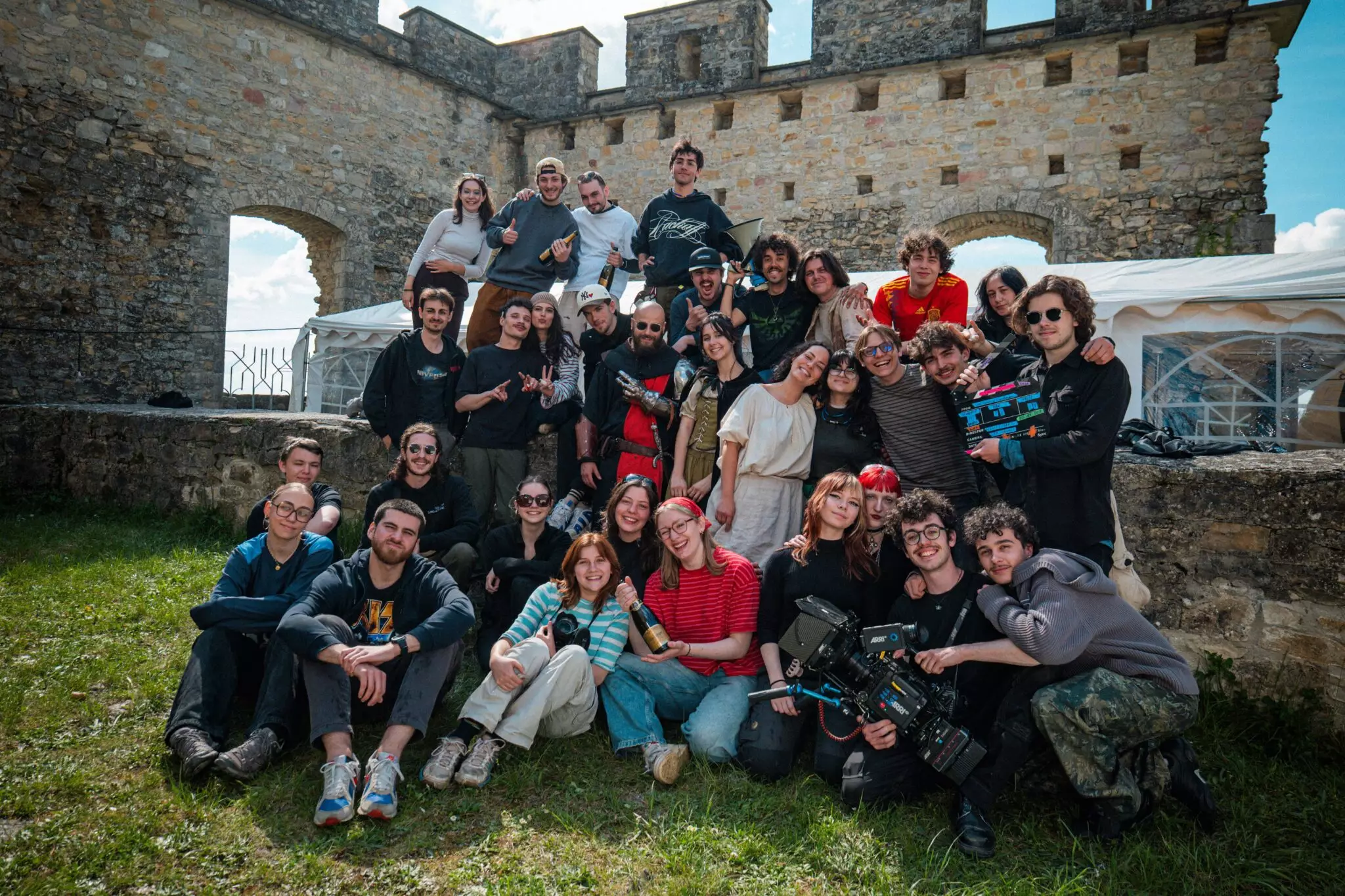
A historical story with contemporary resonance
Beyond its historical context, Le Mal des Ardents tackles some very topical themes: fear of others, scapegoating, collective manipulation and the way in which a society in crisis can tip over into violence. Through Michelle’s journey, the film also questions memory and the difficulty of preserving a human bond in a world dominated by fear.
The project continues to evolve, with the aim of creating a short film that is both visually and emotionally ambitious. Part historical drama, part psychological thriller and part fantasy, Le Mal des Ardants aims to offer an immersive experience through sensory direction and a contemporary look at the mechanisms of collective fear that are still present in our societies.
The film, which is still in post-production, will be screened on the big screen in front of a panel of industry professionals and experts on 2 July 2026.