Ti Prince: a moving short film about the memory of the Children of Creuse
With Ti Prince, director Mélhyne Flambeau has created a deeply human short film inspired by the “Enfants de la Creuse” affair, the state scandal that marked the history of Réunion between the 1960s and 1980s. The film follows the Boyer family, living in a small Creole hut in the heart of the island, whose daily life is turned upside down when a civil servant from mainland France promises them a better future for their children in France.
An intimate story inspired by a forgotten historical drama
Through the fate of Benoît and Élie, two young brothers torn from their home under the guise of education and social success, Ti Prince sensitively explores the mechanisms of institutional violence that has long been ignored. The project is directly inspired by the thousands of children from Reunion who have been moved to mainland France as part of a policy pursued by the French state, officially designed to “offer a future” to these young people from precarious backgrounds.
But the film refuses to be Manichean. The great strength of the script written by Laurie Carron lies in the way it highlights the parents’ dilemma. Lauretta and Hervé Boyer are not portrayed as passive victims, but as loving parents faced with an overwhelming social reality. Between poverty, illiteracy and a sincere desire to offer their children a better life, their decision becomes a tragic choice dictated by hope.
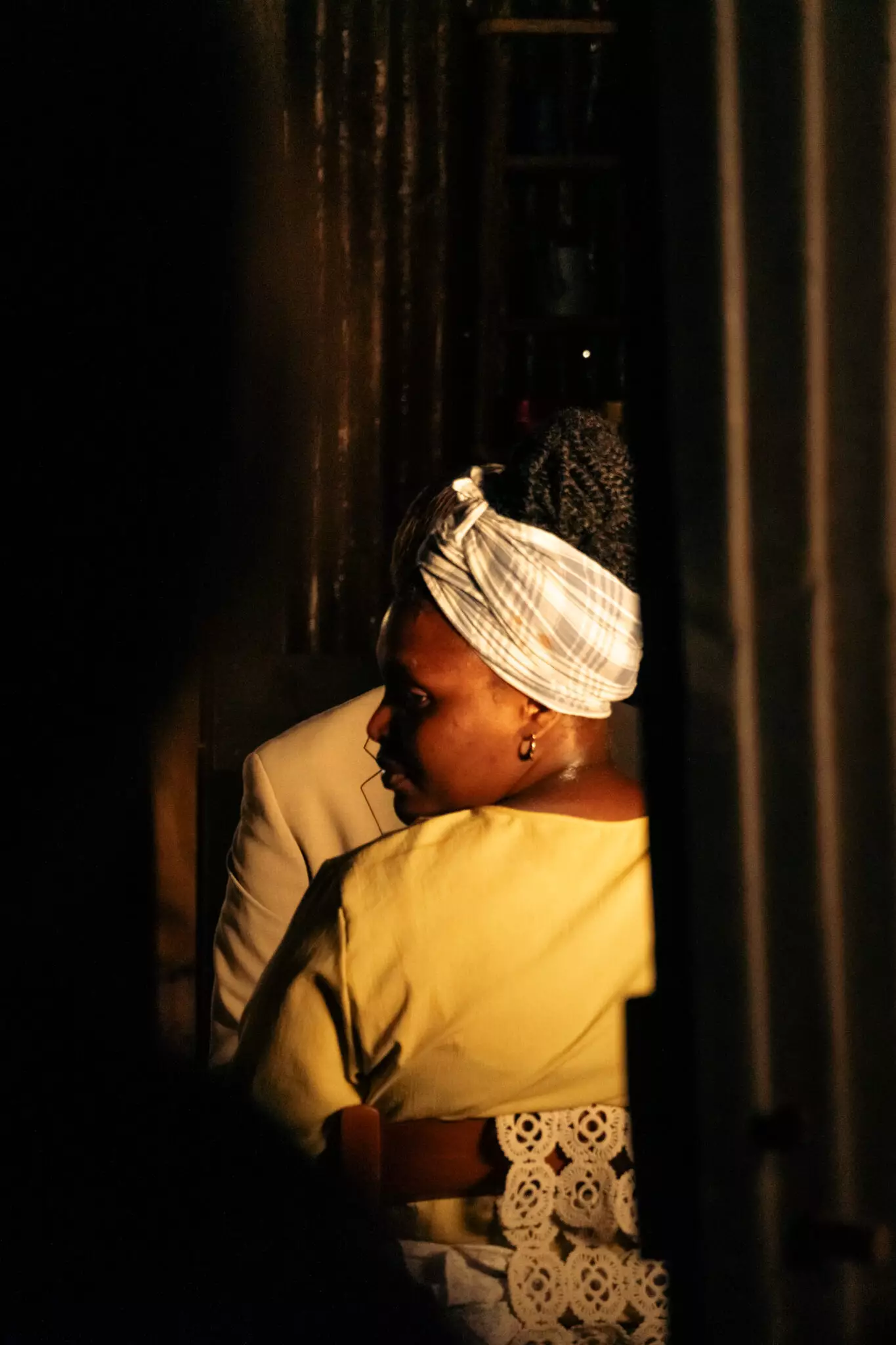
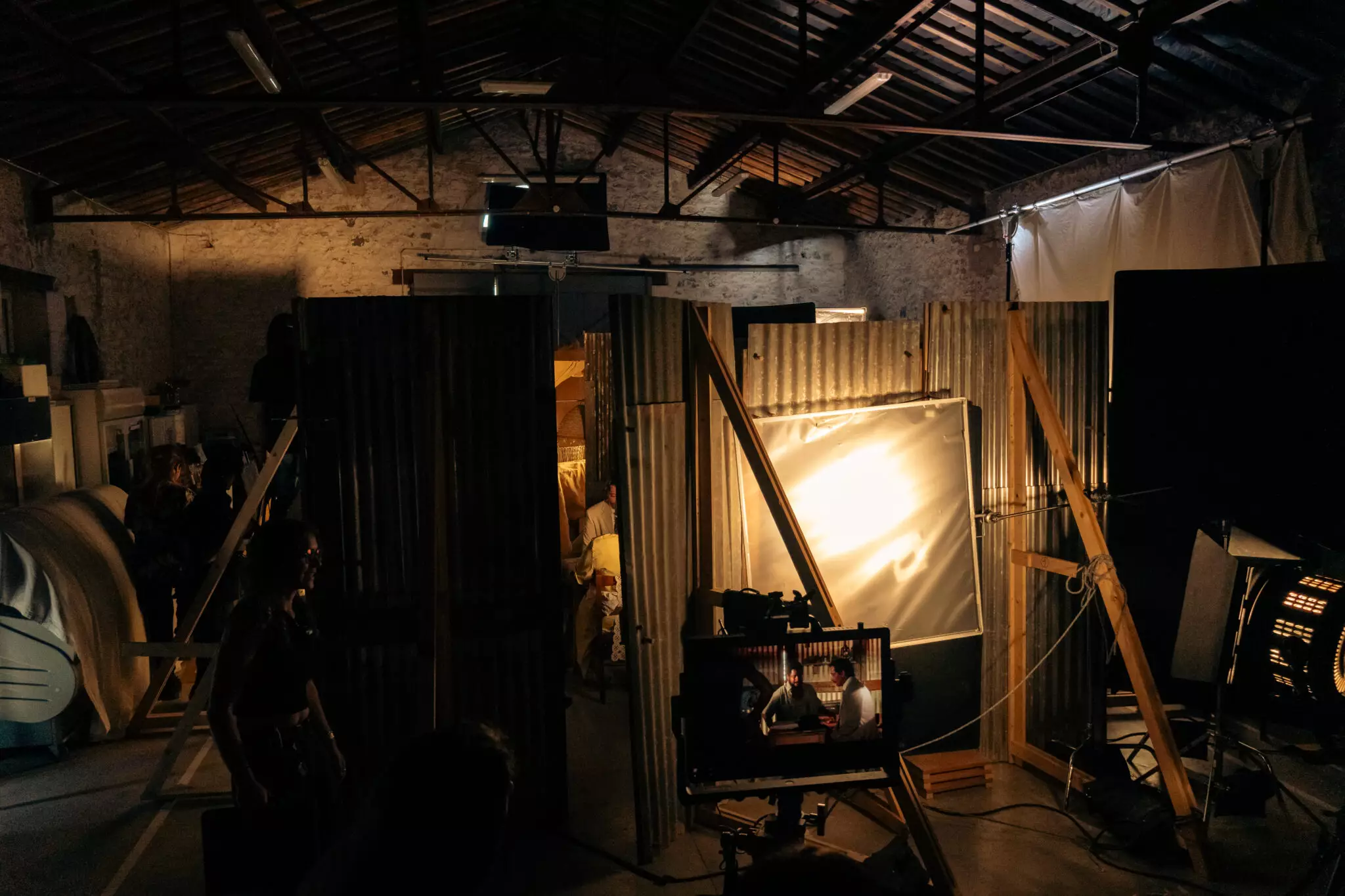
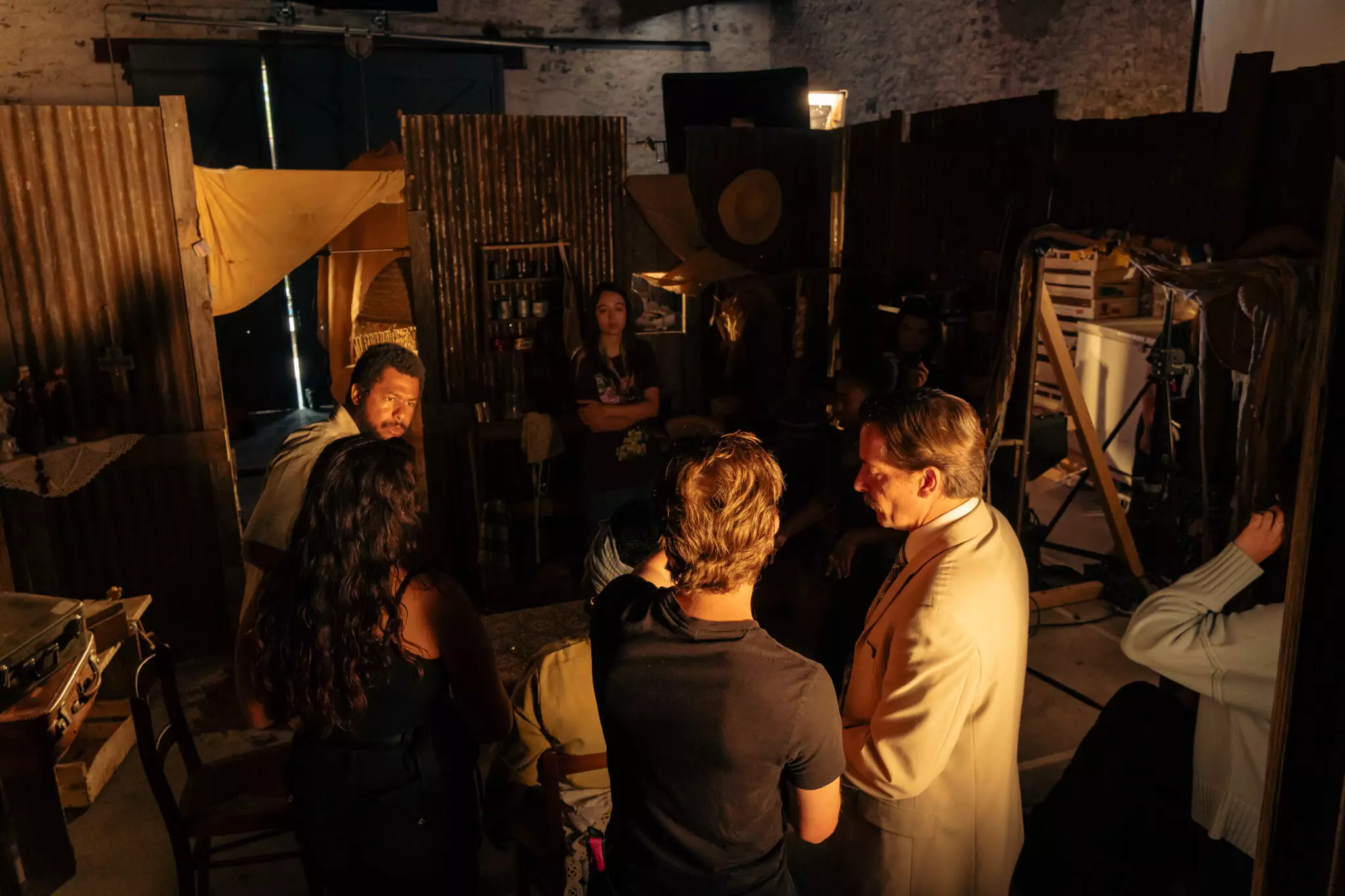
A naturalist approach to emotions
In her statement of intent, Mélhyne Flambeau claims to have taken a naturalist, contemplative approach to directing, largely influenced by Rue Cases-Nègres. The camera is discreet, close to bodies, silences and glances. The aim is not to overdramatise the story, but to place the viewer in the position of observer, witness to an intimacy that is gradually being eroded by state intervention.
The film also places great emphasis on sound. The wind in the cane fields, the creaking of the wood, the birds and the voices in Reunionese Creole all help to recreate a lively, immersive environment. Maloya music, a veritable symbol of Réunionese culture, also becomes a major narrative element. Inherited from the songs of slaves and classified as an intangible heritage by UNESCO, it accompanies the film like a living memory of the island and its wounds.
A meticulous reconstruction of La Réunion in the 1960s
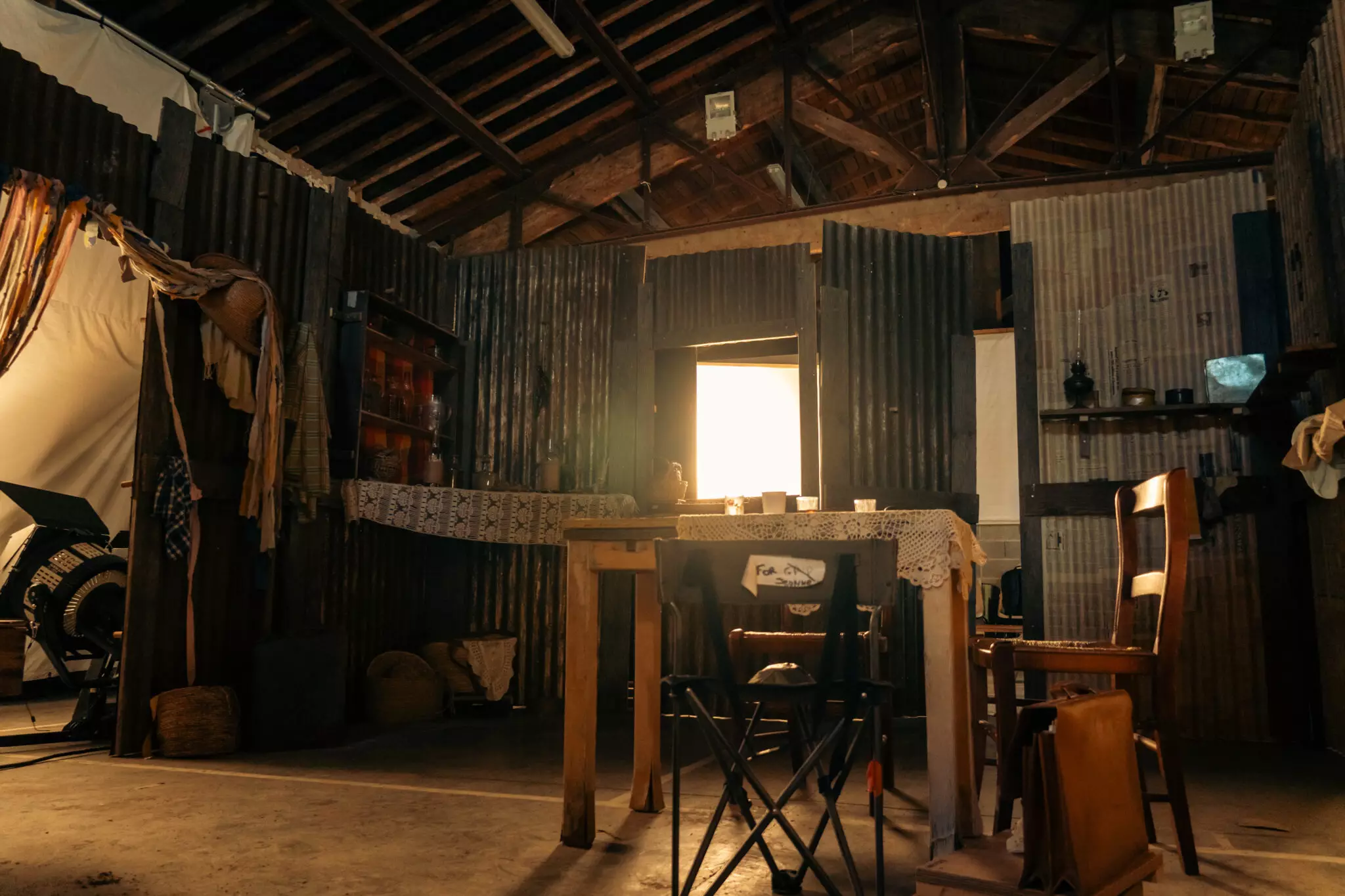
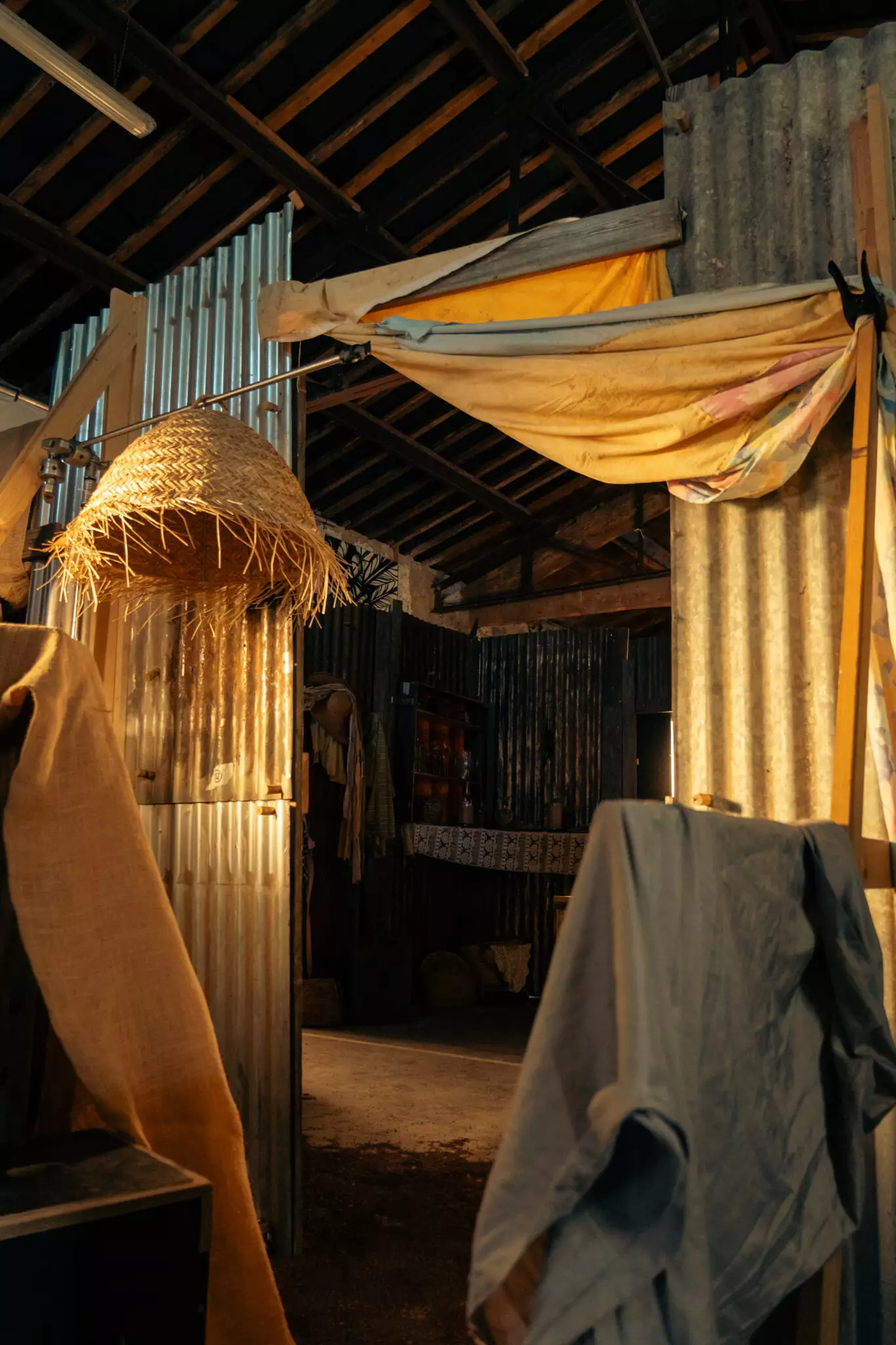
Ti Prince aims to faithfully recreate rural Réunion in the 1960s, with its tin huts, roadside markets and everyday objects.
Every detail has been thought out to tell the story of this modest family’s life without falling into misery. Inside the family hut, the weathered furniture, the newspaper used as wallpaper and the enamelled utensils all help to give the décor a soul. Outside, farming tools, handmade toys and hanging linen add to the authenticity of this world.
The shooting locations also seem to have been conceived as characters in their own right. Muddy roads, sugar cane fields and small folk markets anchor the story in a Réunion that is both warm and marked by the social inequalities of the time.
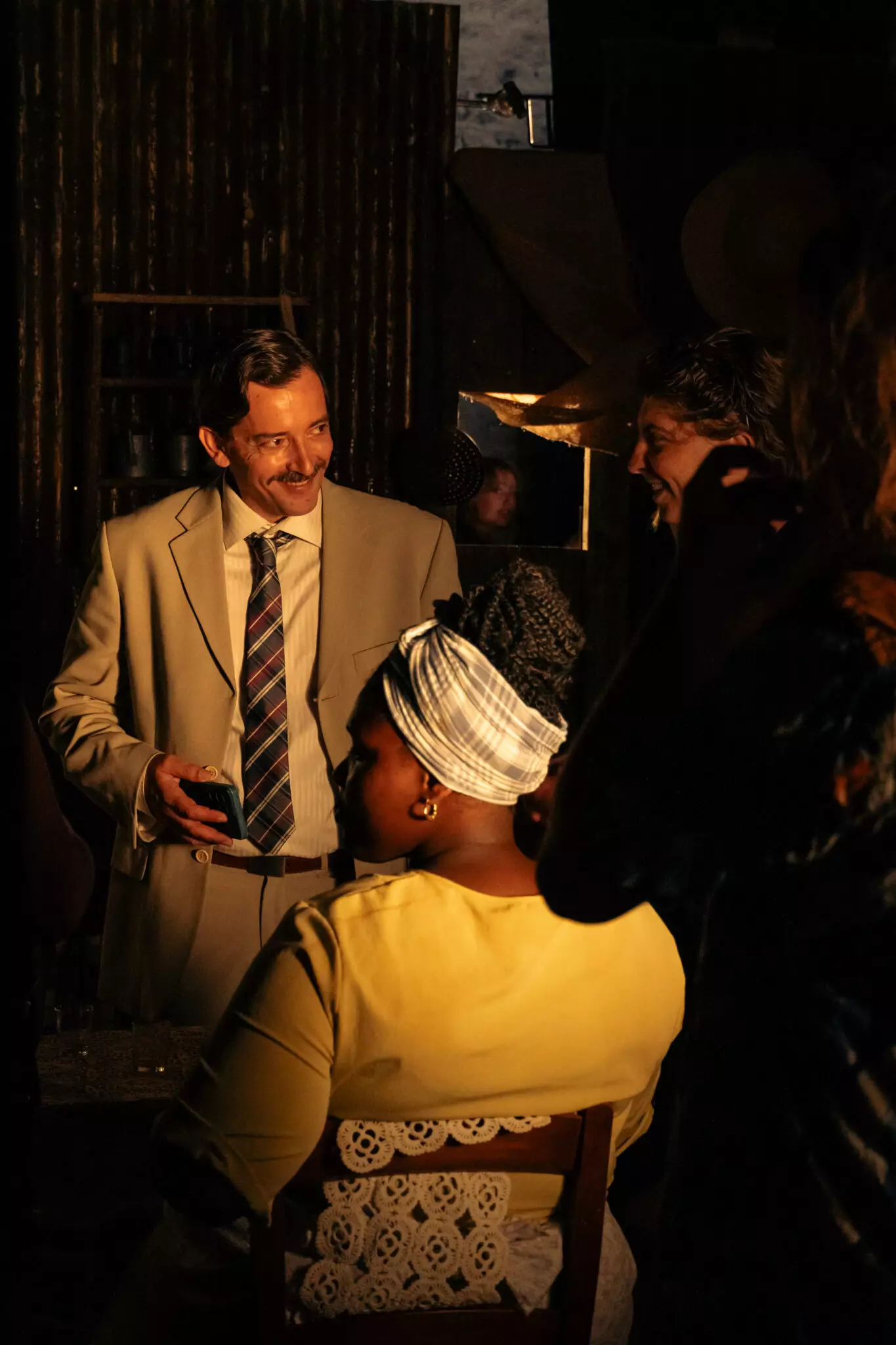
A film about memory driven by personal necessity
As well as being a historical account, Ti Prince is also a deeply personal project for its creators. Laurie Carron explains that she only discovered the story of the Enfants de la Creuse belatedly, before learning that her own grandmother had almost been confronted with the same situation. This revelation fuelled the need to tell the story of a memory still unknown to the general public.
The short film is part of a process of transmission. By putting a face back on these Reunionese families and showing the complexity of their choices, Ti Prince seeks to open a dialogue on a dark page in French history that is still too rarely portrayed in cinema.
A blend of intimate emotion, historical reconstruction and political insight, the film promises to be a powerful work, driven by a genuine desire for remembrance and justice.
Ti Prince will be screened at the Cinécréatis Grand Jury at the Pathé Odysseum cinema in Montpellier in early July. Students and their families will have the opportunity to see the film on the big screen.
Photo credit: Thomas Courbard