What happens during the filming of a film?
Filming is the stage at which the screenplay is brought to life through images and sound. Although this stage is the most visible part of film-making, it relies on a great deal of preparatory work: by the time the crews arrive on set, the sets, locations, actors, shooting schedule and a large part of the directorial choices have already been finalised.
A day’s filming therefore follows a precise schedule, as many different roles must work together. The director directs the actors and constructs the scene, whilst the technical crew sets up the lighting, sound, props and camera. Each take requires close coordination, and the slightest delay can have consequences for the entire schedule.
What are the stages of a film shoot?
Preparing the set
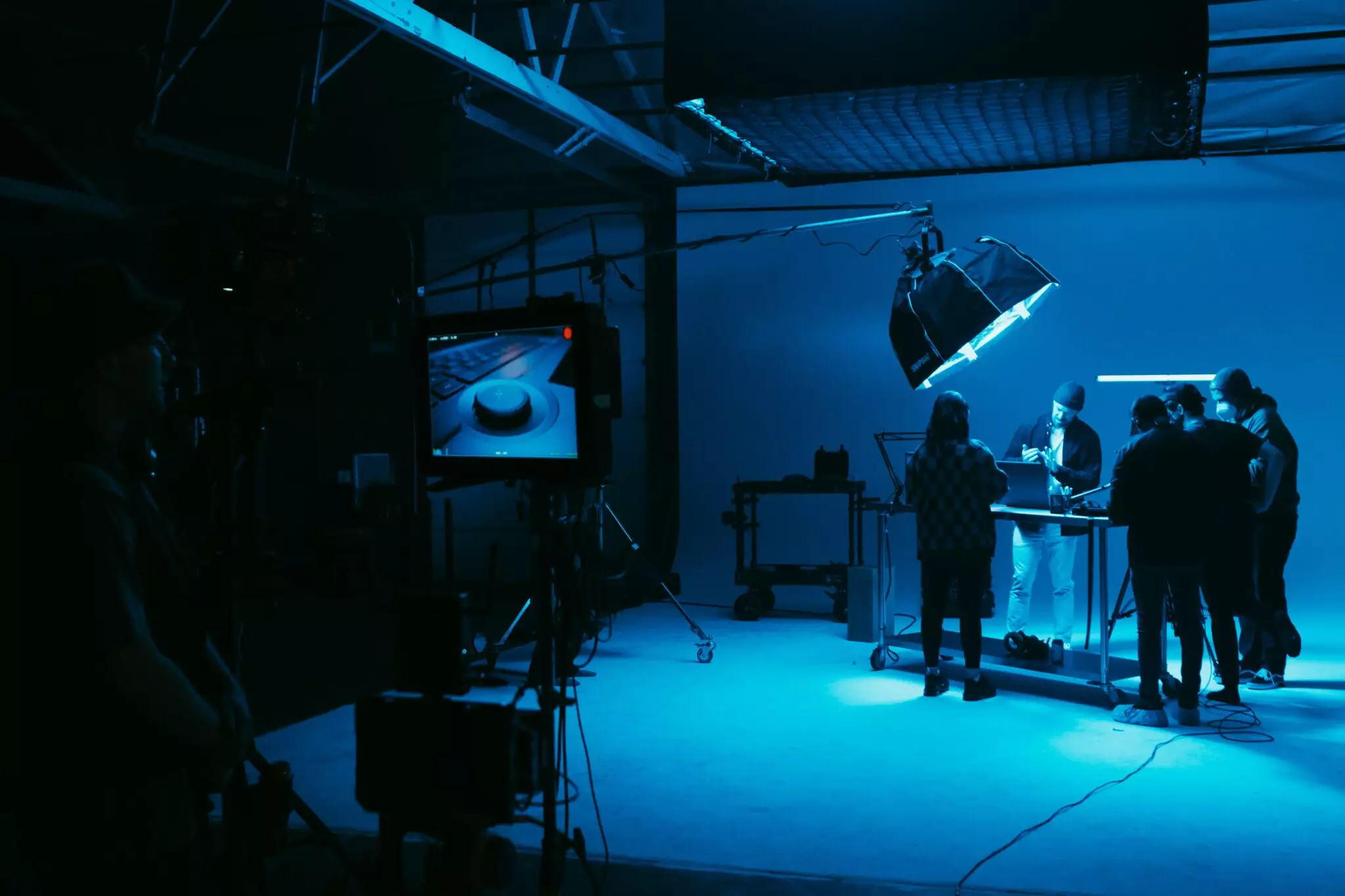
Before filming begins, the set must be prepared in accordance with the planned scenes. Props are checked, and the camera and lighting teams determine the camera position and the placement of the spotlights. The director of photography, also known as the cinematographer, works with the director to define the visual style of the scene and adapt the lighting to the constraints of the set.
The technical storyboard then serves as a reference for planning shot compositions, camera angles and any camera movements. Whilst it may be adjusted once on set, it enables all the crews to understand how the scene is to be filmed.
The arrival of the actors and crew
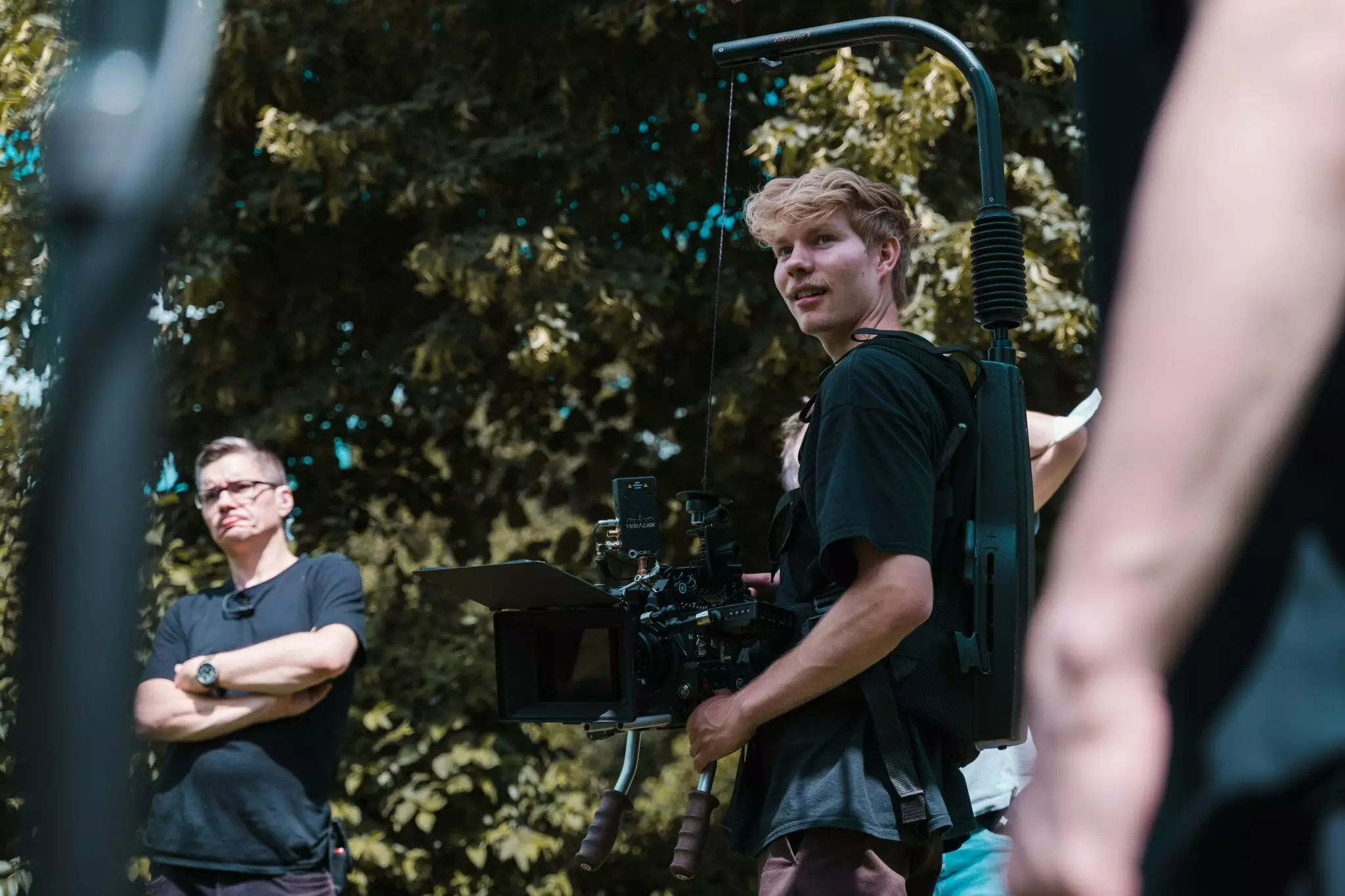
The technical crew are called in well in advance to set up the equipment and prepare the set before the actors arrive. The actors usually go through wardrobe, hair and make-up before heading to the set.
The first assistant director coordinates these various stages to ensure that every ==crew member== has the necessary information. They also ensure that the schedule is adhered to and must anticipate any potential delays so that filming maintains its pace.
Rehearsals before filming
The director first works with the actors on their movements, their intentions and the rhythm of the scene. A technical run-through is then carried out to check the actors’ positions, focus, lighting, sound and any camera movements.
This phase is particularly important when a sequence involves several actors or complex camera movements. Good coordination helps to avoid unnecessary retakes due to problems that could have been detected during rehearsals.
Filming the various takes
Once everything is ready, the picture and sound are recorded and the take can begin. The same scene is often shot several times in order to achieve the result the director is looking for or to have a range of different interpretations to choose from during editing.
The scene may also be filmed from several angles. A wide shot shows the whole situation, whilst a ==close-up== draws attention to a character’s face or a specific element of the set.
Filming is therefore not simply a continuous recording of the script. The film is constructed shot by shot, sometimes in an order very different from the one in which the viewer will ultimately experience the story.
Who is involved in the filming of a film?
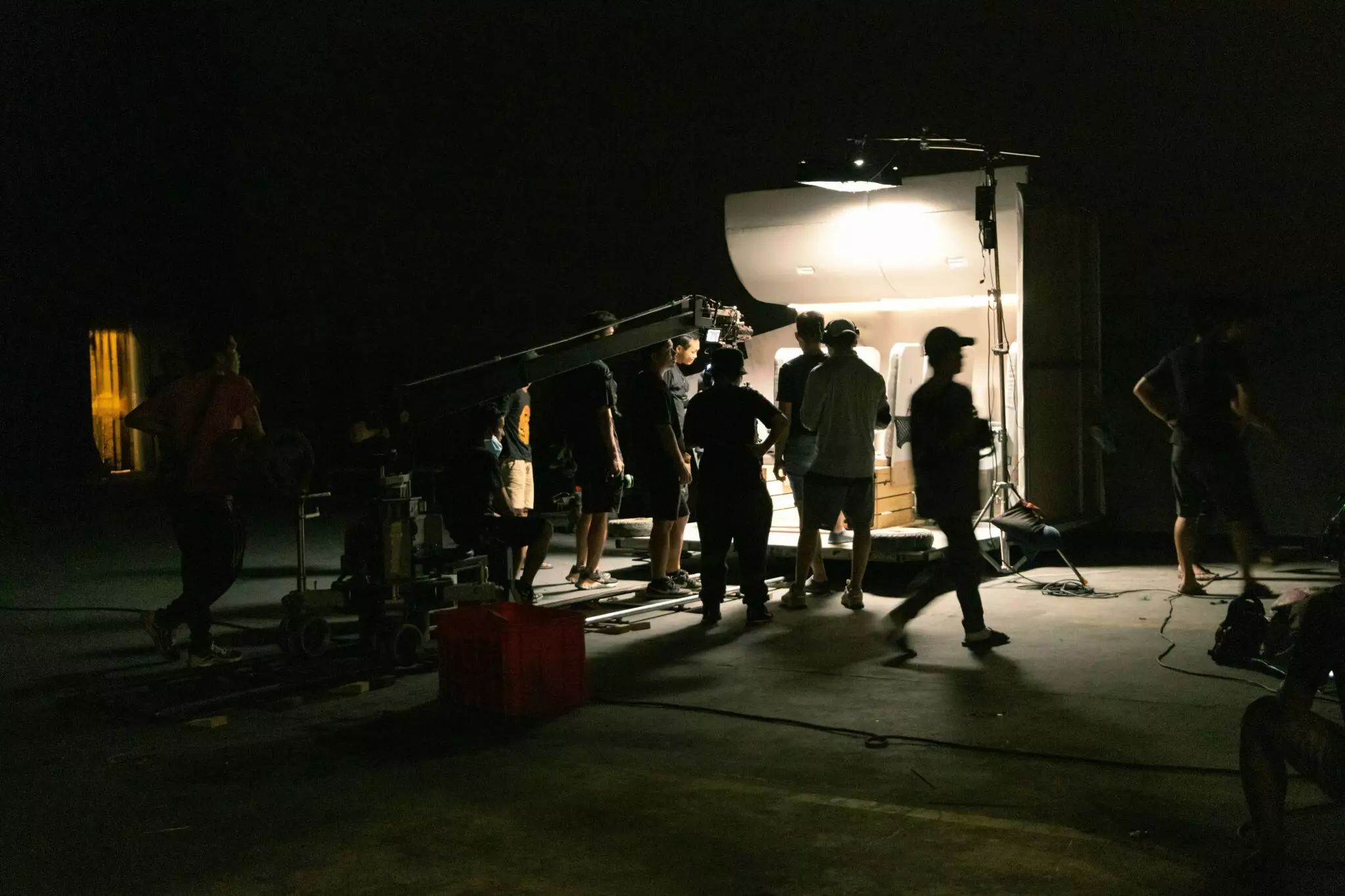
A film set brings together many different professions who work together but each have specific responsibilities. The director oversees the staging and directs the actors, whilst the first assistant director coordinates the day-to-day running of the set.
The director of photography works on lighting and camerawork. Working alongside them are the camera crew, stagehands and electricians. The sound team records dialogue and ambient sound, whilst set designers, prop masters, costume designers, make-up artists and hairdressers ensure the visual consistency of each scene.
The script supervisor also plays a vital role, as she ensures continuity between shots. In particular, she must check that props, costumes and the actors’ positions remain consistent when a scene is shot in several takes or over several days.
The production manager, for their part, oversees a large part of the financial, administrative and logistical aspects. Depending on the size of the project, they work with the stage managers and the various department heads to ensure that filming proceeds as planned.
What does a typical day’s filming involve?
The crew briefing
A day usually begins with a review of the call sheet, which sets out the scheduled scenes, timings, locations, the actors required and the main technical constraints.
The crew may then be brought together to go over the day’s objectives and any changes to the schedule. This ensures that everyone is aware of the planned sequence of events before the first take begins.
Set-up and rehearsals
Whilst the actors are getting ready, the technical crew sets up the camera, lighting and any necessary equipment. A static shot requires relatively little set-up, whereas a tracking shot, a sequence shot or a scene involving special effects may require much more preparation.
The actors then run through their movements with the director so that the crews can adjust the various technical settings. These rehearsals enable the team to check, in particular, that the camera can follow the action correctly and that the microphones are picking up the dialogue.
The sequence of takes
Takes are shot one after the other until the director feels they have enough footage. Between takes, it may be necessary to move a spotlight, adjust the camera, reposition a prop or touch up make-up.
A technically flawless take may be reshot if an actor’s performance does not match the intended effect. Conversely, an excellent performance may be unusable due to a problem with sound or focus. Filming is therefore a constant balancing act between artistic demands and technical constraints.
The end of the day
Once the scenes are finished, the equipment is packed away or prepared for the following day. The recorded data must also be backed up and secured to prevent the loss of the footage.
The production team then checks the progress of the shooting schedule and adjusts the following days’ plans if necessary. This organisation of the set and collaboration between different roles is largely learnt through practical experience. This is precisely what students experience during the three years of our film and audiovisual course, through projects that provide a practical understanding of the preparation and production of a film.
How long does it take to make a film?
There is no standard timeframe, as it all depends on the type of project, the budget, the number of locations, the actors’ availability and the complexity of the scenes. A short film can be shot in a matter of days, whilst a feature-length film usually takes several weeks.
The shooting schedule helps to optimise this timeframe by grouping scenes according to location, set or the availability of the actors. Two sequences set at very different points in the story can therefore be filmed on the same day if they take place on the same set.
How are scenes filmed?
Scenes are not usually filmed in the order they appear in the script. They are grouped according to production constraints in order to minimise travel, set changes and set-up times.
Within a scene, the director may use a variety of shot sizes. A wide shot introduces the setting, whilst a close-up or ==close-up== draws attention to a character or a detail.
The technical storyboard allows this organisation to be planned in advance and specifies how each sequence is to be filmed. This enables the director of photography and their team to prepare the lighting and camera movements appropriate for each shot.
What happens after a film has been shot?
The final take merely marks the end of work on set. Post-production then begins, during which the footage and sound are organised, edited and finalised.
The editor selects the best takes and constructs the narrative from the recorded material. The sound is cleaned up and enhanced, whilst colour grading harmonises the images and creates the final visual look. Special effects, music and sound mixing then round the whole production off.
Filming is therefore a key stage, but it is just one of the various phases required to make a film. The quality of the preparation and the coordination between each member of the crew play a decisive role in the quantity and quality of the footage that can subsequently be used in the editing process.