A technical exercise at the service of cinema
As part of a course that was as ambitious as it was stimulating, the Cinécréatis Bordeaux Image students had to rise to a particularly complex technical challenge: to produce a so-called ‘impossible’ camera movement. The aim of this assignment, given by their teacher Joseph Barbereau, was not simply to produce a spectacular visual feat, but above all to encourage the students to think like real cinematographers and technicians. The aim of the exercise was to confront them with a key issue in the profession: how to respond to a directing request that seems unfeasible at first glance, and then find a credible, fluid and cinematographically coherent technical solution.
Cinema is an art profoundly linked to technique. Every camera movement, every transition, every variation in light or perspective is based on precise thinking that combines creativity, logistics and mastery of equipment. Through this exercise, the students had to move away from a purely academic approach and embrace a truly professional approach. In the audiovisual industry, directors often come up with very ambitious plans, which are sometimes deemed impossible during initial technical discussions. Yet the role of the image teams is precisely to turn these ideas into reality.
A particularly ambitious sequence plan
This year, the students set themselves a particularly audacious challenge: to shoot a sequence shot in which the camera begins its movement outside the school, then crosses the inside of the building, rises to the second floor before descending again, all in a single take, with no visible breaks. An ambition that may seem simple when summed up in a few lines, but in reality represents an immense technical and artistic headache.
What is a sequence shot?
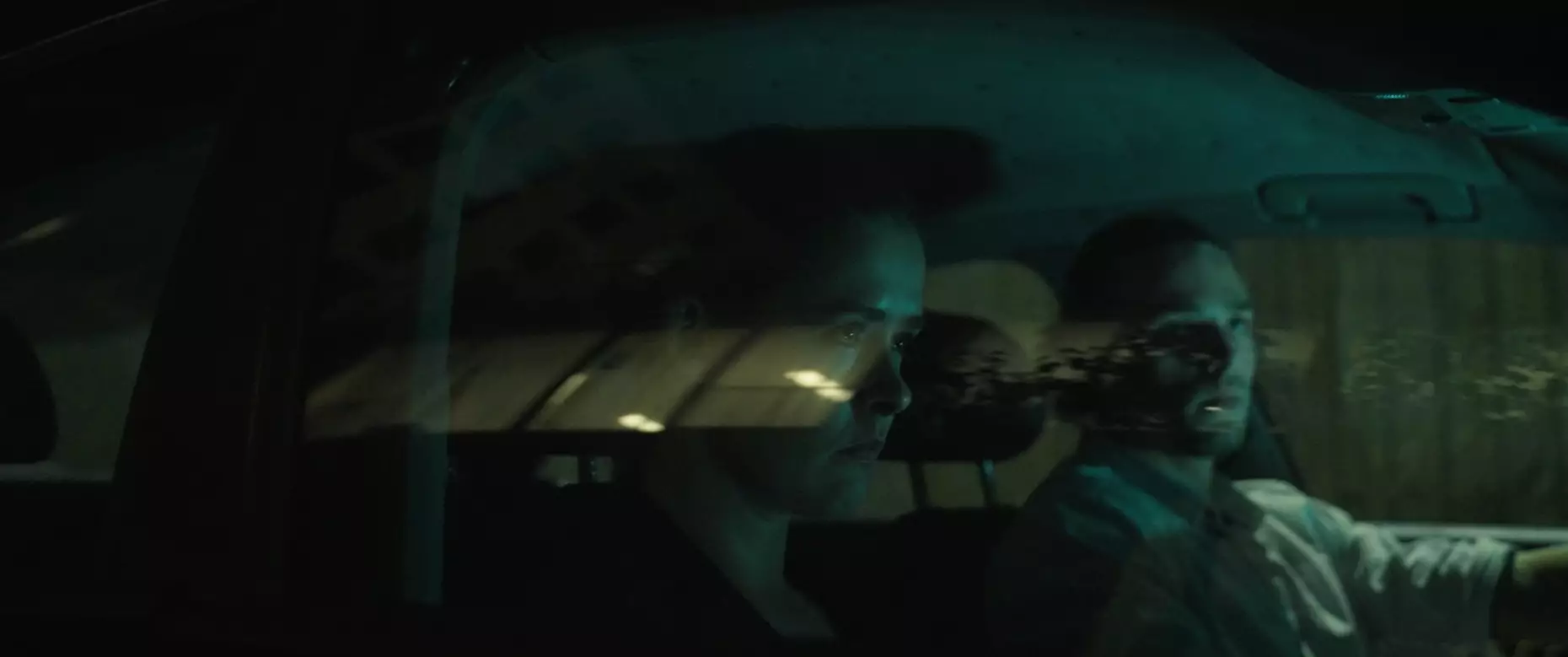
To understand the difficulty of this exercise, it’s important to explain what a sequence shot is. In film language, a sequence shot refers to a scene filmed in a single continuous shot, with no apparent editing. Unlike a traditional cut where a scene is made up of several shots that are edited together, the sequence shot is based on an uninterrupted capture of the action. The camera follows the characters, crosses spaces and sometimes changes point of view, while maintaining total continuity.
This process is particularly impressive because it requires perfect synchronisation between all the elements involved in the shoot. The actors have to perform without error from start to finish. The cameramen have to execute extremely precise movements. The camera assistants have to manage the live focus. The sound, lighting and machinery technicians have to anticipate every move. The slightest problem often means the whole shoot has to be restarted.
The sequence shot also has a real narrative dimension. It immerses the viewer in the action by eliminating the usual editing cuts. The feeling of real time creates a particular tension and sometimes gives the impression of physically accompanying the characters.
Monumental technical preparations
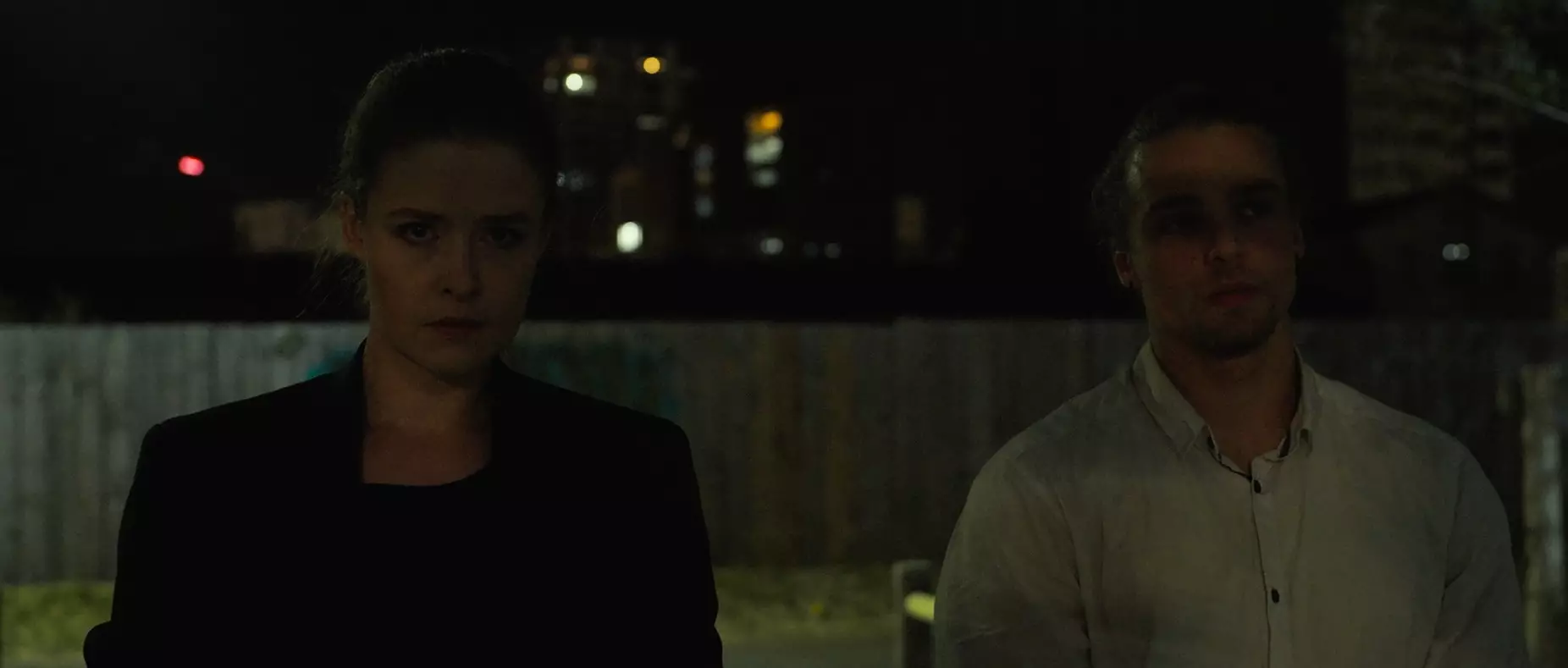
Behind the fluidity visible on screen lies monumental preparation. Every move has to be thought out in advance. Camera trajectories are rehearsed many times. The teams sometimes have to invent made-to-measure systems to enable the camera to move from one space to another without interruption. In some cases, several operators even physically hand over the camera during the shot to maintain continuity of movement.
It was precisely this type of thinking that the Cinécréatis students had to put into practice. Their challenge was to come up with a solution that would enable the camera to travel between a number of highly constrained spaces: the exterior of the building, the interior corridors, the stairs leading to the second floor and then back down again, all with fluid, coherent movement. Such an exercise requires a multitude of technical parameters to be taken into account: camera stabilisation, management of light changes between exterior and interior, narrow passages, variations in height, physical constraints of the equipment and coordination of the teams.
Shooting constraints
The difficulty of such a project also lies in the fact that each location has its own constraints. Filming outdoors often involves dealing with changing natural light, while indoor spaces require precise lighting control. Staircases, meanwhile, are a real test for camera operators, as they require complex movements while maintaining a stable, legible image. Going up and down several levels without breaking the rhythm of the shot therefore requires particularly rigorous preparation.

An exercise in directing and storytelling
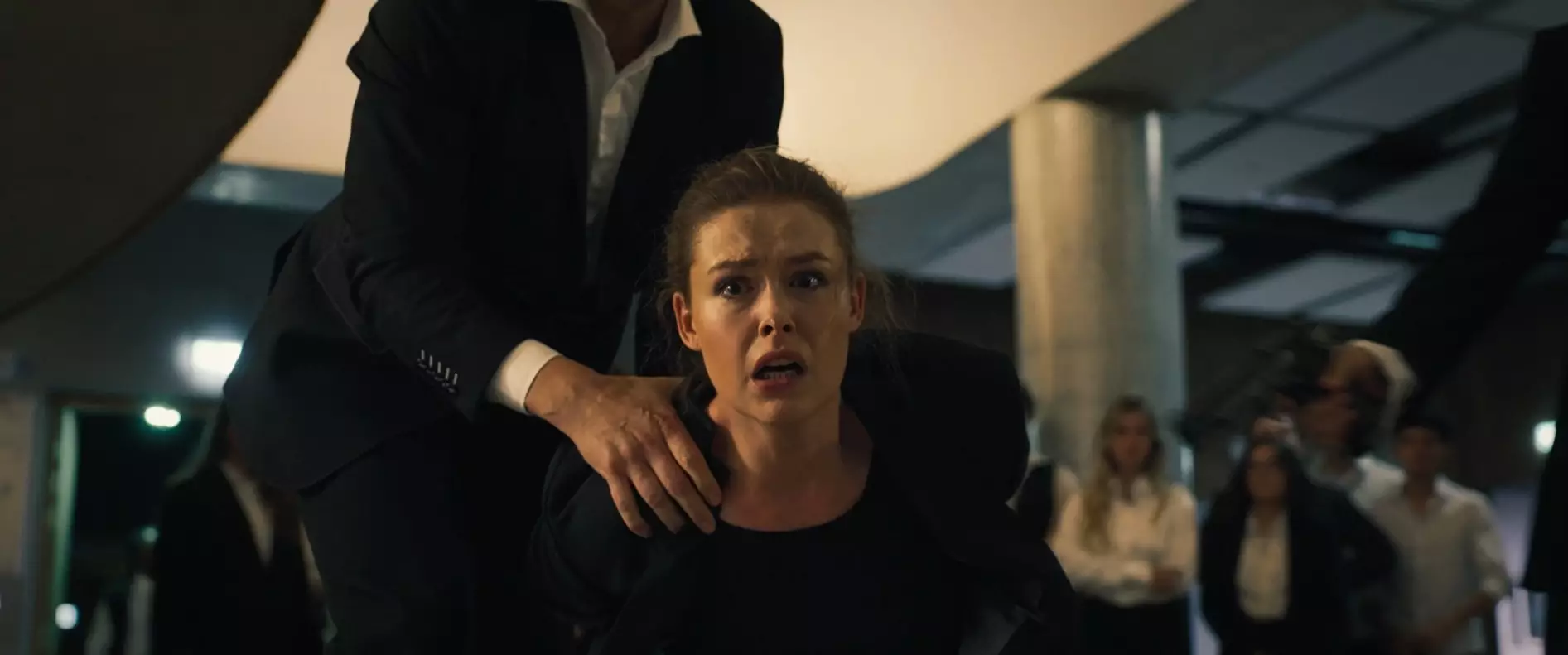
Beyond the purely technical aspect, this exercise above all enables students to develop a real understanding of directing. A camera movement is never gratuitous: it tells a story, accompanies an emotion, guides the viewer’s gaze. By trying to achieve an ‘impossible’ movement, the students learn to think of cinema as a visual language in which every movement has a narrative intention.
Immersion in the realities of professional cinema
This type of project is a perfect illustration of the teaching methods used in film schools: confronting students with real-life situations to develop their ability to adapt, their creativity and their sense of teamwork. A sequence shot cannot exist without total collaboration between all the departments involved in the shoot. Each member of the team plays an essential role in the success of the shot.
Through this particularly ambitious exercise, the students in the Image major were able to experience the realities of professional filming while pushing back their own technical and artistic limits. More than just an academic exercise, this challenge represents a real immersion in the demands of contemporary cinema, where visual innovation is often born of constraints that initially seemed impossible to overcome.
Watch the short film made during this exercise