Why go to a special effects school?
Master the art of the "final touch".
Attending a post-production school gives you three key ingredients for a career in the industry: a perfect command of the technologies, lots of practical experience and guidance from experts in the field.
Why go to post-production school?
Post-production is an important part of the film and audiovisual world: it’s where the raw images and sounds are transformed into a harmonious final product ready for broadcast.
It’s a crucial job that requires expertise and know-how.
The post-production phase only begins once filming has been completed. Once on location, the post-production team must view all the shots, select them, edit them, retouch the images, work on the special effects and mix the images with the sound. It’s a meticulous task that requires patience, given that 15 minutes of film require an average of 20 hours of editing.
There are many advantages to going to a post-production school:
- training in the most advanced post-production techniques: you’ll be able to develop the skills needed to work on all the most complex aspects of post-production (editing, visual effects, sound design, etc.);
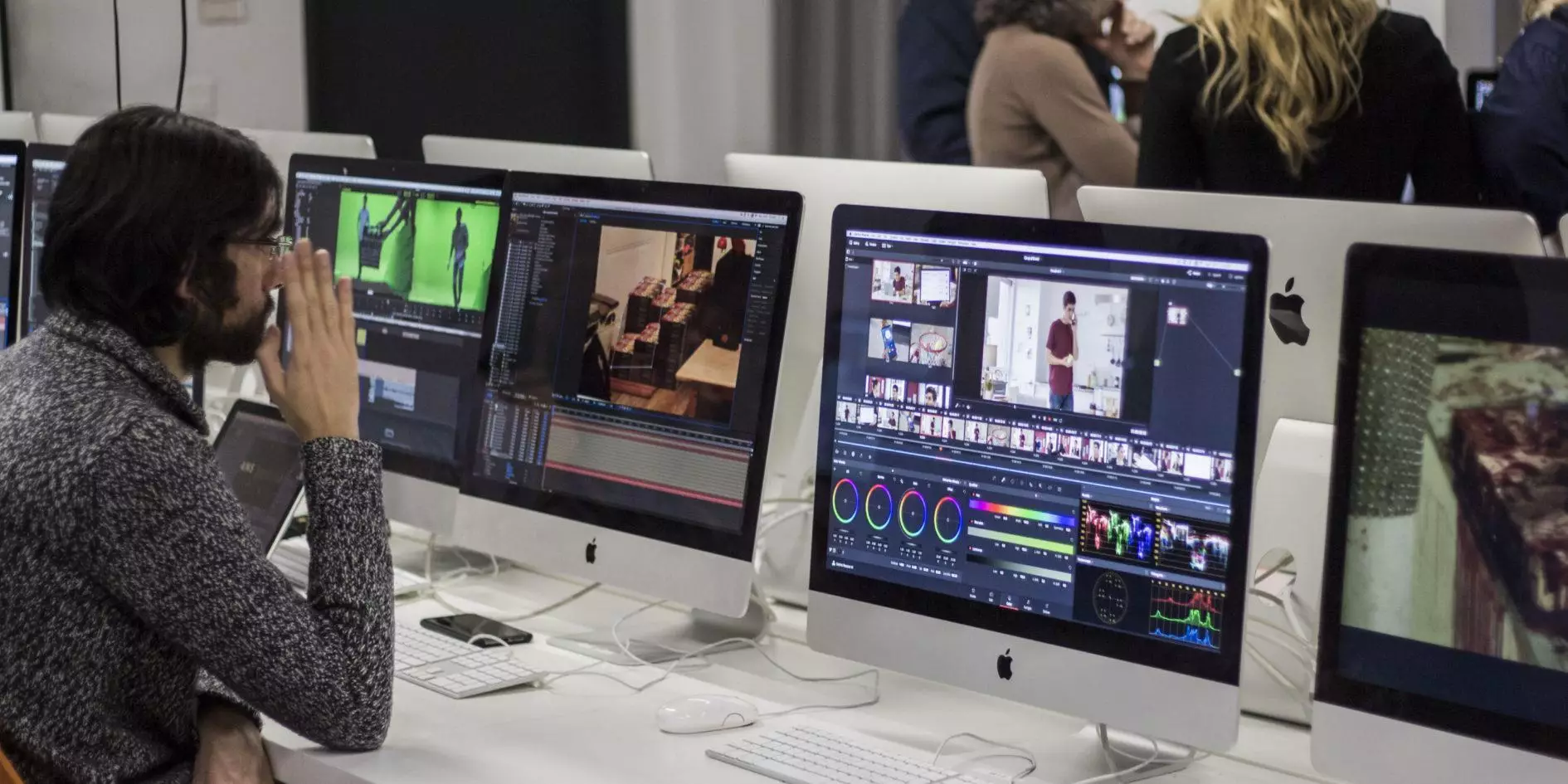
- access to the professional equipment and software used in the post-production industry: like CinéCréatis, a post-production school allows you to work with the latest technological tools;
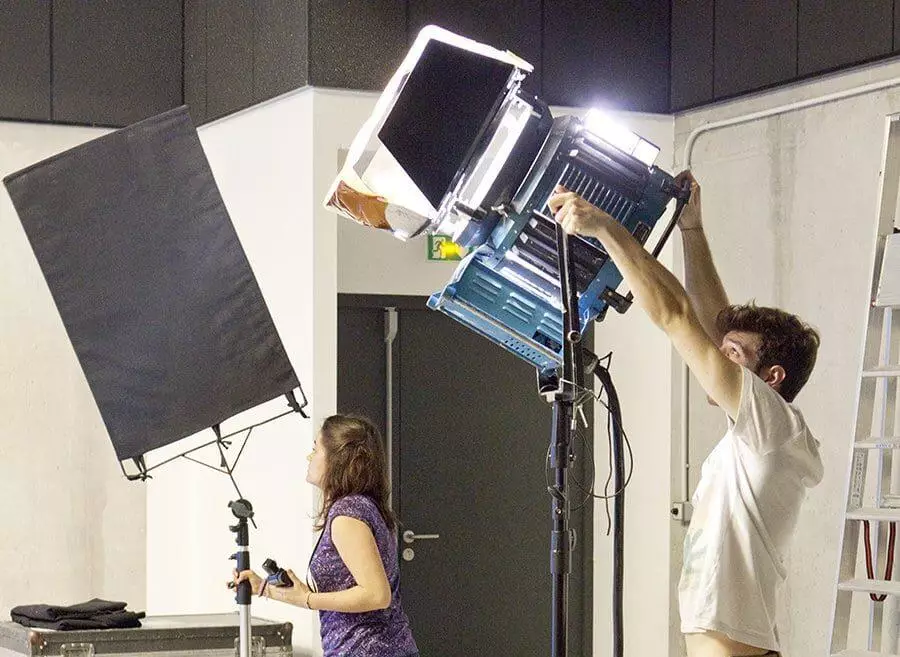
- do work placements and practical projects: you’ll be able to get to grips with all the jobs in the industry and develop practical skills that will be useful throughout your career;
- rub shoulders with industry experts and build up a solid professional network: having the right contacts can help you find a job more easily after your film studies;
- take up a wide range of jobs: the post-production industry offers a wide range of activities, such as video editor, colourist, visual effects specialist, sound engineer or post-production producer.
What career options are there after post-production school?
Are you wondering how to become a sound engineer, post-production director or SFX supervisor?
Going to a postproduction school will train you in the full range of postproduction professions.
A crucial stage in the creation of any kind of audiovisual content, post-production encompasses a wide range of processes and skills: editing, colour grading, creating and adding visual and sound effects, recording and mixing audio, composing music, creating titles and credits, etc.
All these processes are carried out by professionals specialising in different areas of post-production. They all work closely together to ensure that the final product is consistent with the creative vision and requirements of the project.
By following specialised training, students can take part in projects for films, television series, commercials, video games, podcasts and music videos. Indeed, the aim of a post-production school is to prepare students for the full range of industry professions, such as :
- chief sound editor (cinema): this is the person who decides on the length of shots and sequences for a film and makes the connections to ensure that the work flows smoothly. He spends most of his time in front of his rushes to bring the film to life;
- colourist: responsible for colour grading, they work closely with directors and cinematographers to create visual atmospheres and give a unique style to each project;
- cinema post-production coordinator: a true conductor, he or she liaises between the director, the production team and the technical post-production team;
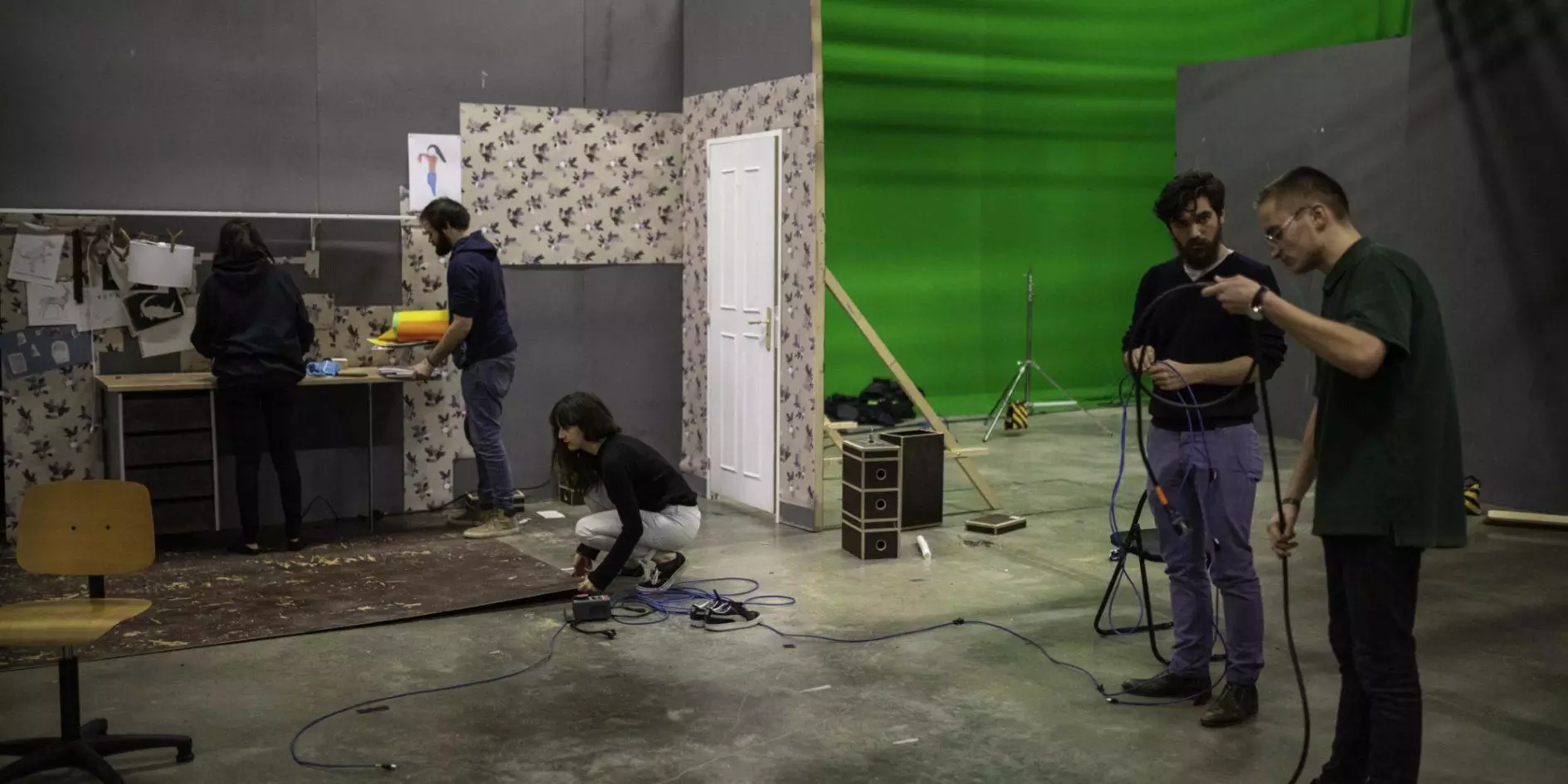
- digital compositor: this is the person who finalises all the visual effects by assembling the various elements (green screen, 3D elements, high-resolution photos, etc.) to produce a coherent, consistent final shot. Both an artist and a technician, he or she is responsible for optimising artistic quality;
- post-production director: responsible for coordinating and supervising all aspects of post-production on a project, including editing, colour grading, visual effects and sound. They work with directors, cinematographers and editors to ensure that the project is completed on time and on budget;
- picture editor: working after the shoot, he or she takes a fresh look at the writing of the film, with a view to giving meaning and aesthetics to the audiovisual production;
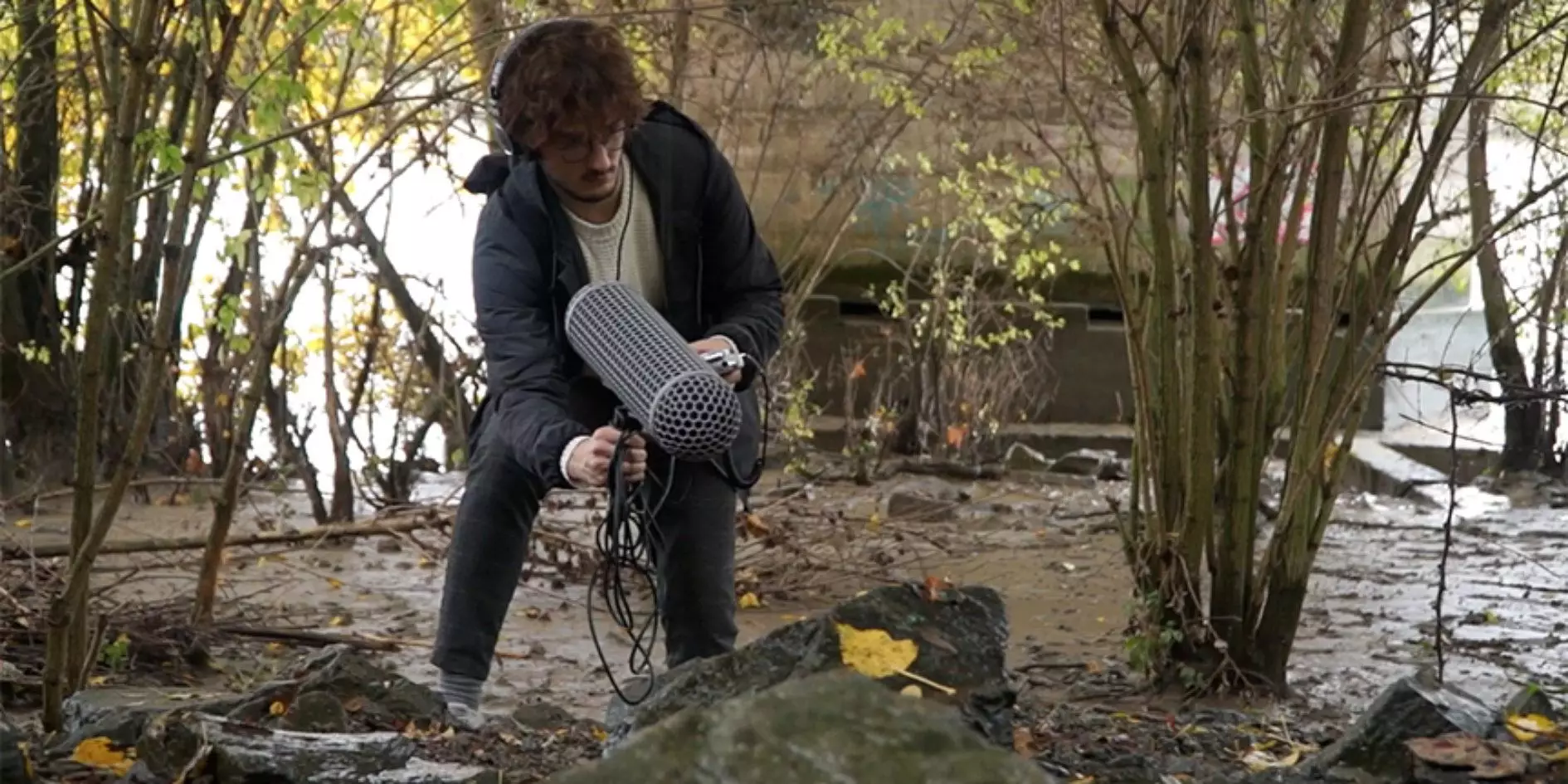
- sound editor: his job is to create, edit and mix the various sound elements such as dialogue, music, sound effects, sound effects, etc. in order to produce a high-quality soundtrack;
- sound engineer: works on recording and mixing sound, adding sound effects and synchronising audio and video;
- SFX (Special Effects) supervisor: oversees the creation and implementation of special effects, using techniques such as computer animation, 3D modelling and compositing to create spectacular images and effects.
Job opportunities