Why go to an audiovisual school?
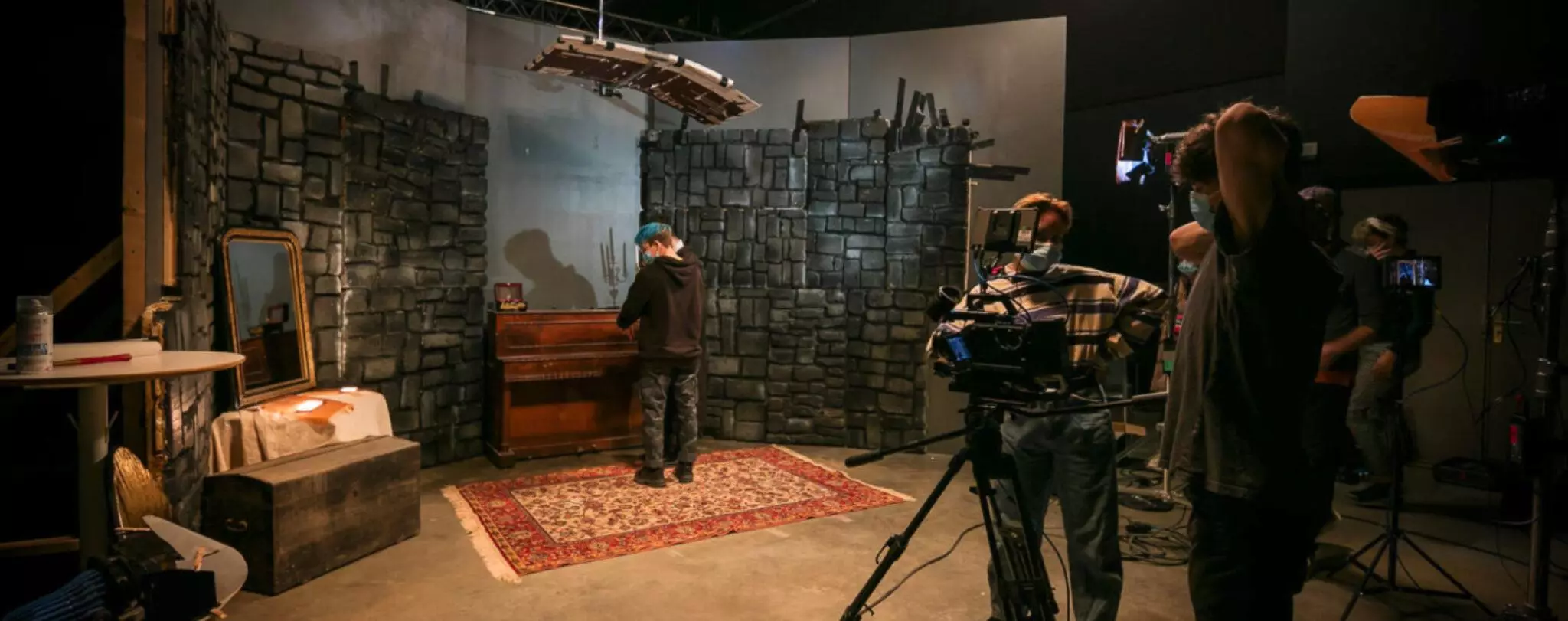
The perfect blend of practice and theory.
Joining an audiovisual school not only gives you high-quality technical and theoretical training, it also allows you to gain practical experience and develop your own professional network. The aim? To have you ready to work in the audiovisual and film industries by the end of your training.
The different courses for studying at an audiovisual school in France
Would you like to immerse yourself in the exciting world of cinema and audiovisual?
From large recording studios to film sets to darkened editing rooms, the film and audiovisual professions offer a wealth of career opportunities.
The audiovisual and cinema professions
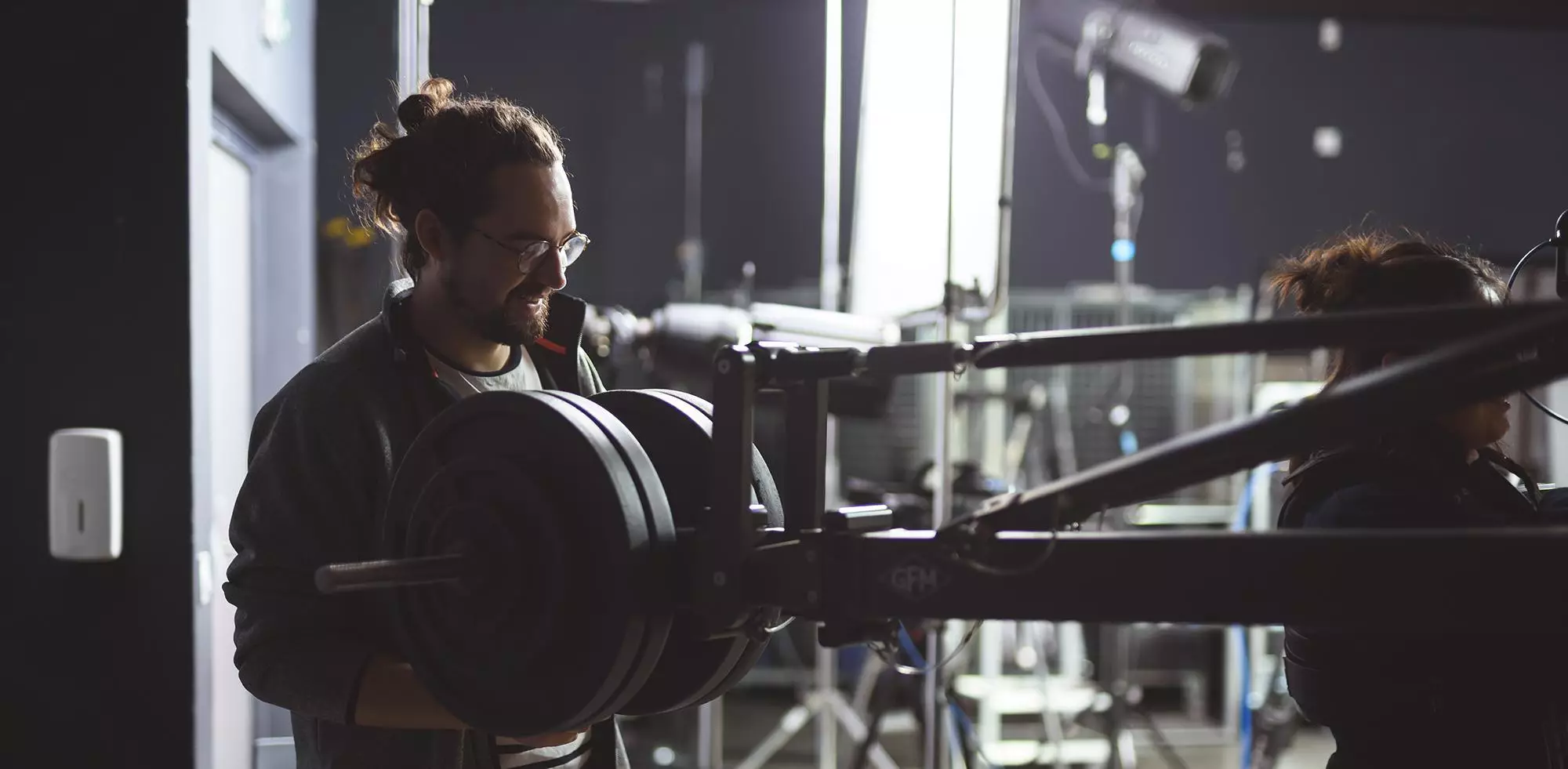

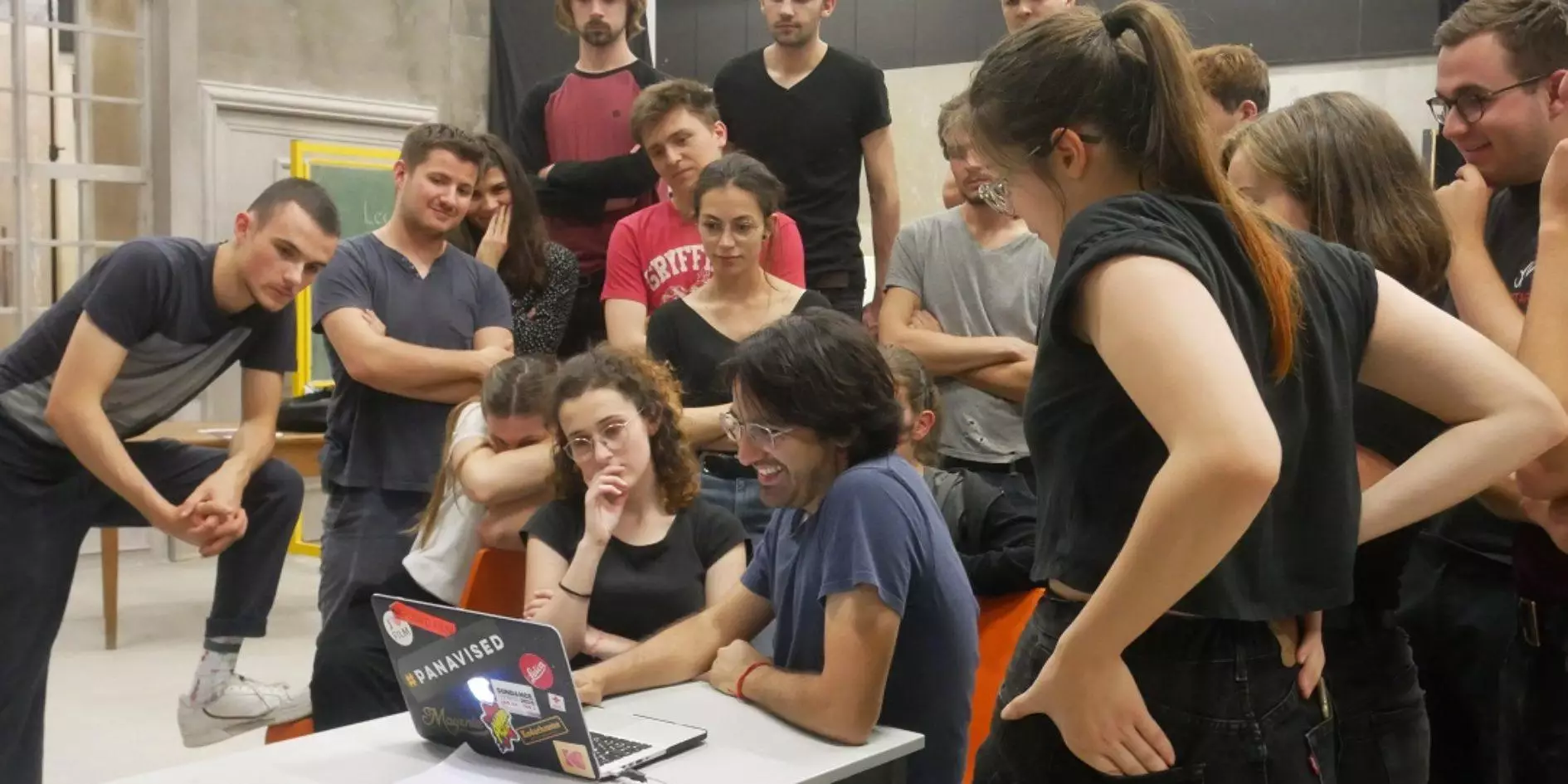
Choice of degree and certification courses
To understand the different paths available in the film and audiovisual world, we first need to look at the courses offered by specialist schools, universities and other vocational training centres.
National diplomas
Let’s start by looking at the national diplomas recognised by the Ministry of Higher Education, Research and Innovation. These courses are generally offered by public establishments and provide access to different levels of qualification, such as :
- BTS (Brevet de Technicien Supérieur) Audiovisual: option Image professions or Sound professions
- DUT (Diplôme Universitaire de Technologie) Information-Communication: Multimedia and Internet professions option
- DMI (Diplôme des métiers de l’image) or DMS (Diplôme des métiers du son)
- Professional cycle in cinema and audiovisual leading to a state-recognised RCNP qualification
- Professional degree in cinema and audiovisual
- Master’s degree in film and audiovisual creation and production
Diplomas from specialised schools
Although national diplomas have the merit of being recognised by the State, they are not the only courses available for a career in the sector. In fact, a number of public schools offer specific courses to their students, with teaching focused on practice and professional integration.
These include
- School Diploma in Audiovisual Production
- School Diploma in Editing and Post-production
- School diploma in Film/video production and distribution
- School diploma in Scriptwriting and creative writing for the audiovisual industry
Film and audiovisual schools in France


Now that you have an idea of the different types of courses available, it’s time to look at the criteria that will enable you to make an informed choice about the school you want to study at.
State or public schools: what’s the difference?
Broadly speaking, there are two main categories of establishment: public sector schools and certain universities offering specialised courses in audiovisual studies; and private sector schools such as Cinécréatis, which offer a wide range of courses (directing, scriptwriting, editing, sound, production, etc.).
Some state schools enjoy a strong reputation among film and audiovisual professionals, while public schools are gradually building up their own reputation and also have their own indisputable strengths. These include
- Small class sizes for personalised teaching support
- State-of-the-art professional equipment and facilities, with easy access to film sets and technical resources
- Partnerships with companies and institutions in the cultural sector
Selection criteria
To find the school that best meets your expectations, it’s important to take a number of factors into account, including :
- The quality of the training on offer: programme of study, skills targeted, specialisations on offer, etc.
- Teaching support: working atmosphere, student numbers, student support, etc.
- International outlook: exchanges or partnerships with other foreign schools and universities.
- Resources available to students: materials, equipment, studios, technical facilities, etc.
- Quality of professional integration: placement rate, professional network, meetings with companies, etc.
Job opportunities after audiovisual training
Once you have your degree, you will be eligible for a wide range of jobs in the film and audiovisual sector. From director to editor, director of photography to sound technician, here are just some of the careers you could enter:
- Production manager: responsible for the overall management of an audiovisual project, from conception to broadcast.
- Director: director responsible for supervising filming and directing actors, technicians and crew.
- Cameraman: camera operator responsible for capturing images according to the director’s instructions and aesthetic constraints.
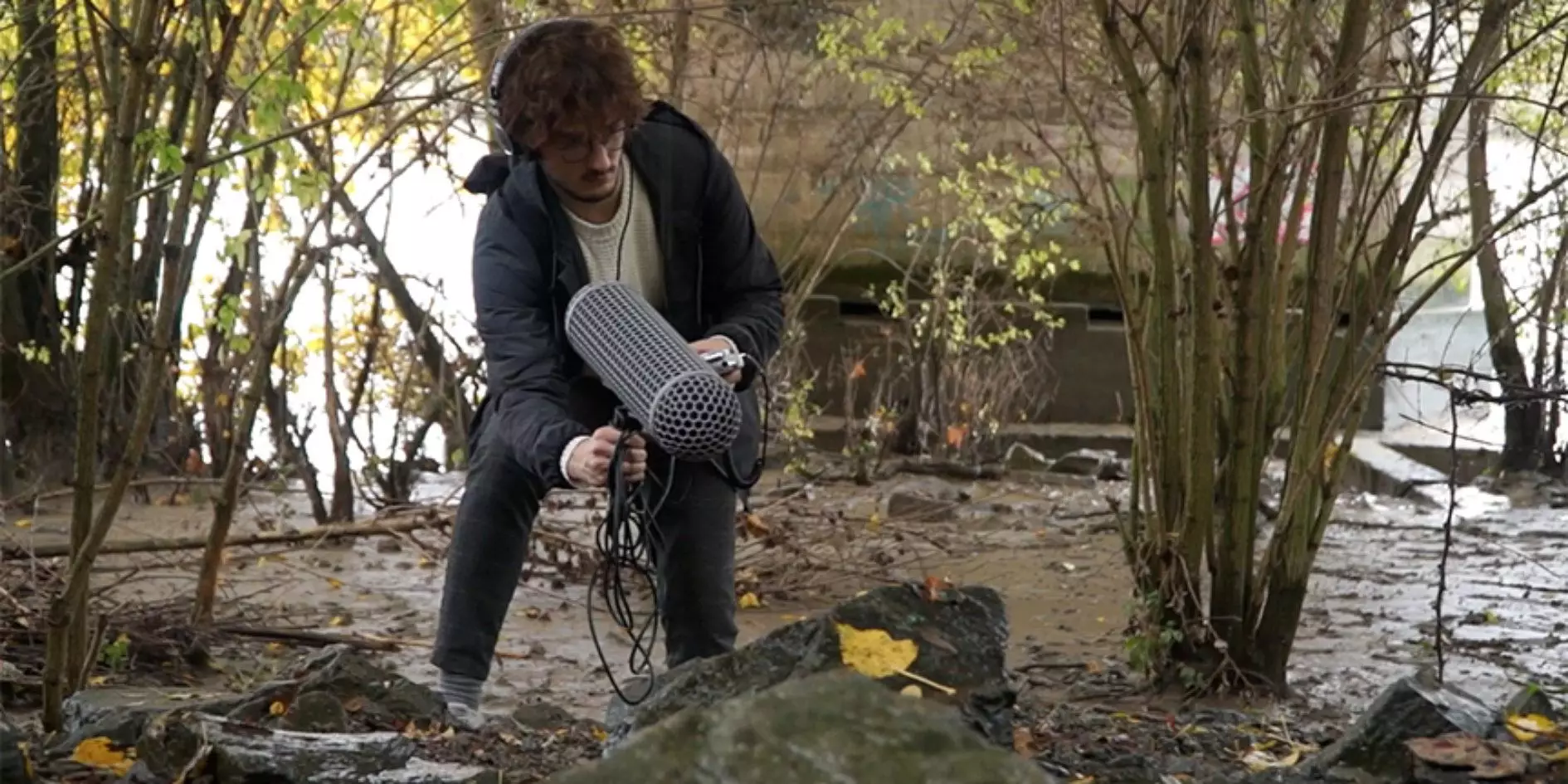
- Sound engineer: technician in charge of recording and processing sound on a film set, in a recording studio or during post-production mixing.
With a wide range of training courses and exciting professions to choose from, you are now better equipped to make your decision. Don’t hesitate to consult the schools’ websites and their social networks to compare the experiences and feelings of other students in the sector. Good luck to you!

What career options are there after an audiovisual school?
Are you wondering how to become a picture editor, cameraman or director of photography?
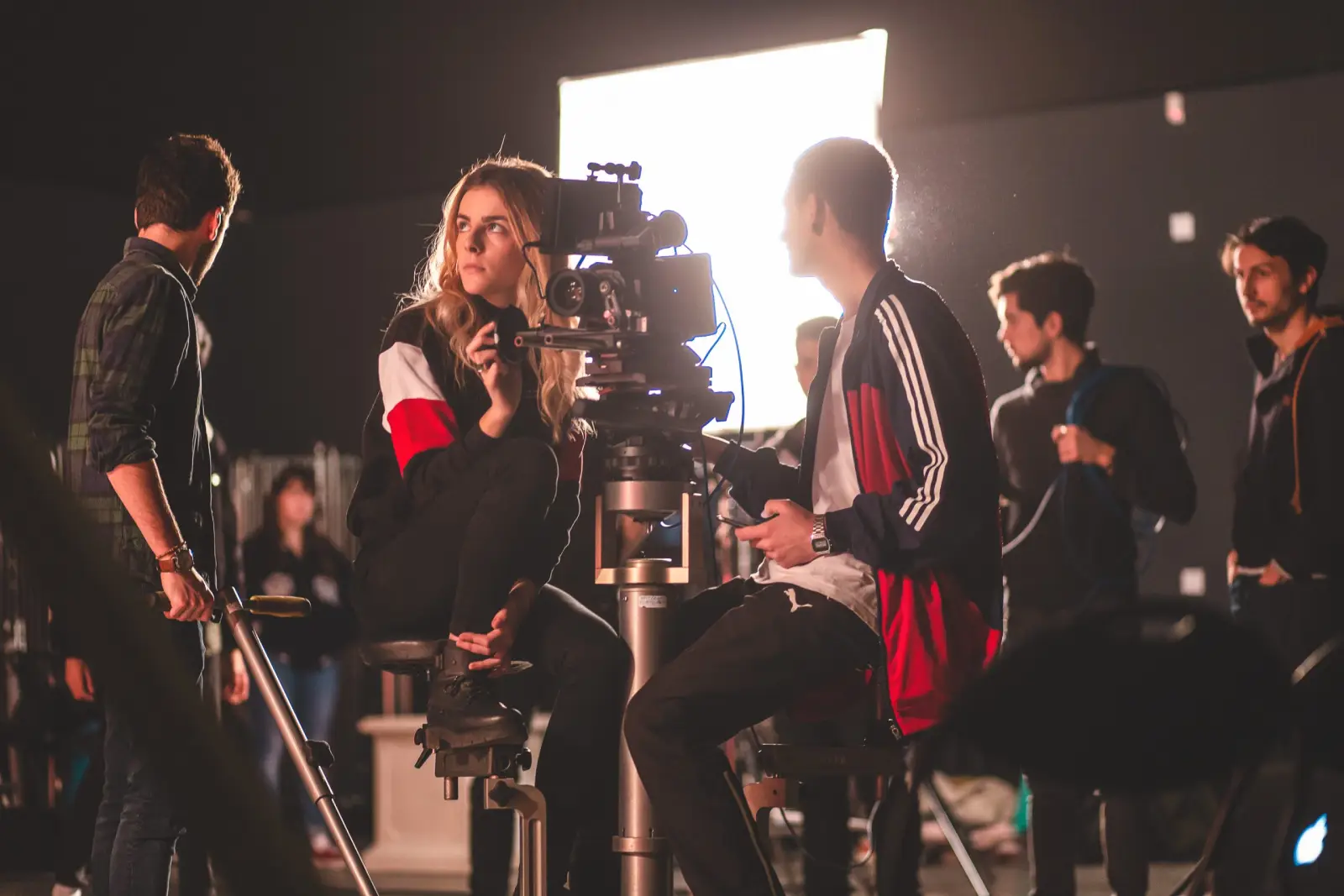
Joining an audiovisual school will enable you to train for all the jobs in the film industry, like the course offered by CinéCréatis.
The audiovisual sector offers a rich range of activities: making a film, building sets, casting, managing film crews, lighting, sound and image editing… All these professions, even the most discreet, are essential for telling stories and making us dream.
Audiovisual schools offer in-depth, multi-purpose training programmes. These courses enable you to develop technical and creative skills in directing, editing, special effects and so on. The aim is for you to be ready to work as soon as you finish your film studies in specific positions such as first assistant director, production manager, sound editor, etc.
Generally speaking, the audiovisual and film professions are divided into 3 categories:
-
Production jobs
Production is the process of making an audiovisual work. Prior to production, a script is prepared and the technical and financial feasibility of the film is assessed. Once these aspects have been defined, the project is entrusted to a production team.
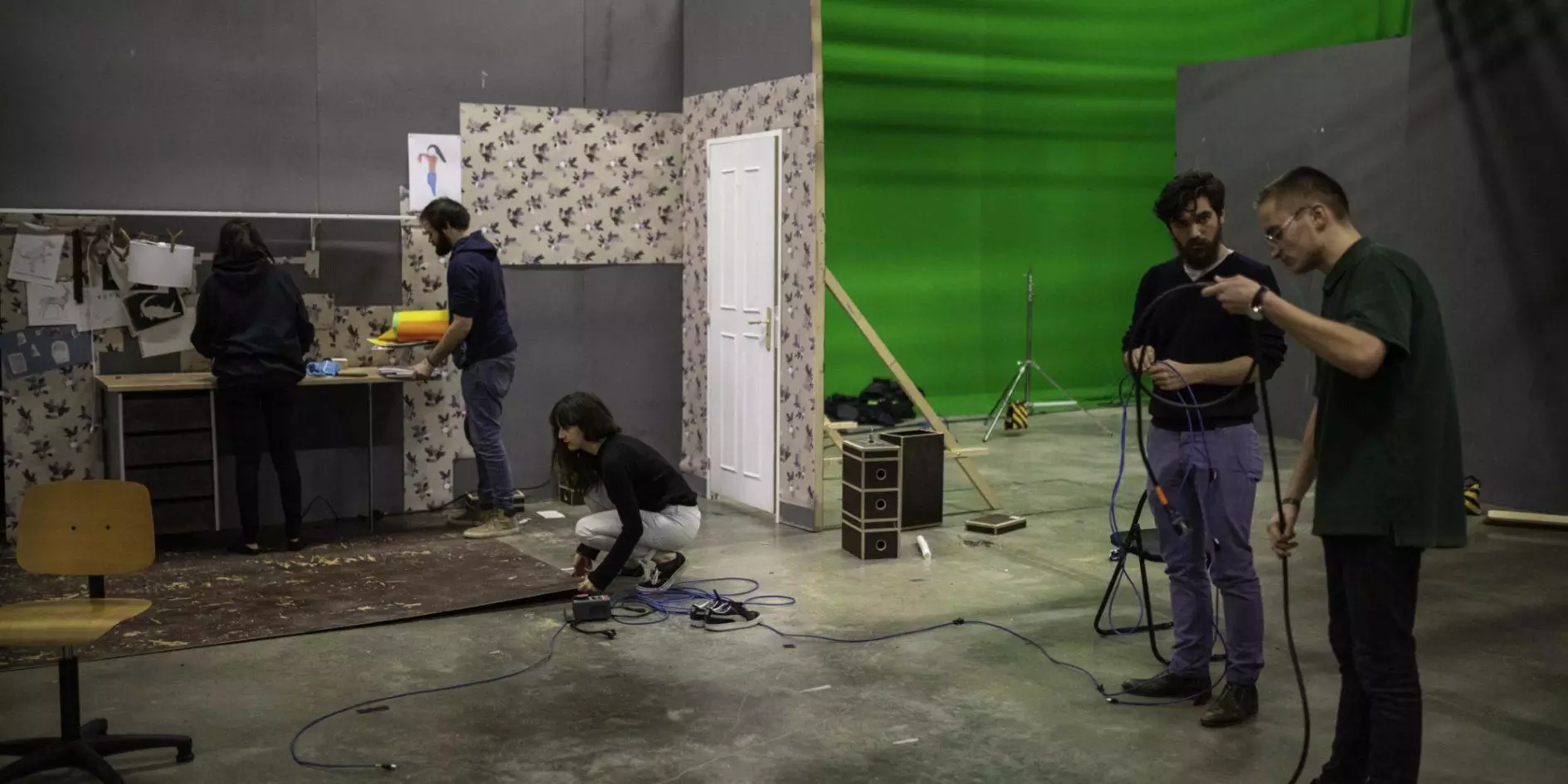
The production team is involved before and during filming. Each member has a precise mission and the team must be perfectly synchronised to ensure that the shoot runs smoothly. These are behind-the-scenes jobs, but they are essential to the success of an audiovisual project.
Examples of production jobs :
- stage manager ;
- production manager
- set designer ;
- role distributor.
-
Image professions
Image hunters are involved during production. They are the director’s eyes, capturing the most beautiful scenes to transform a simple idea into a breathtaking or moving story.
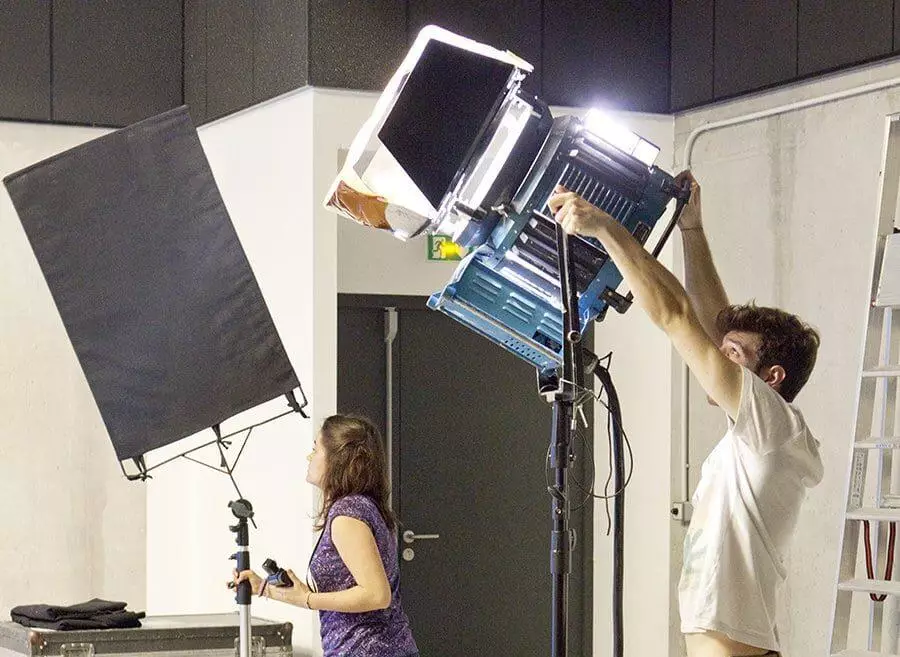
Artificial or natural light, tones, moods, colours, emotions, movement – the image team is at the service of the director’s vision. Their mastery of techniques, cameras, film and film stock will ensure that the shots are beautiful.
Examples of image professions :
- director ;
- director of photography / cinematographer ;
- film cameraman.
-
Post-production professions
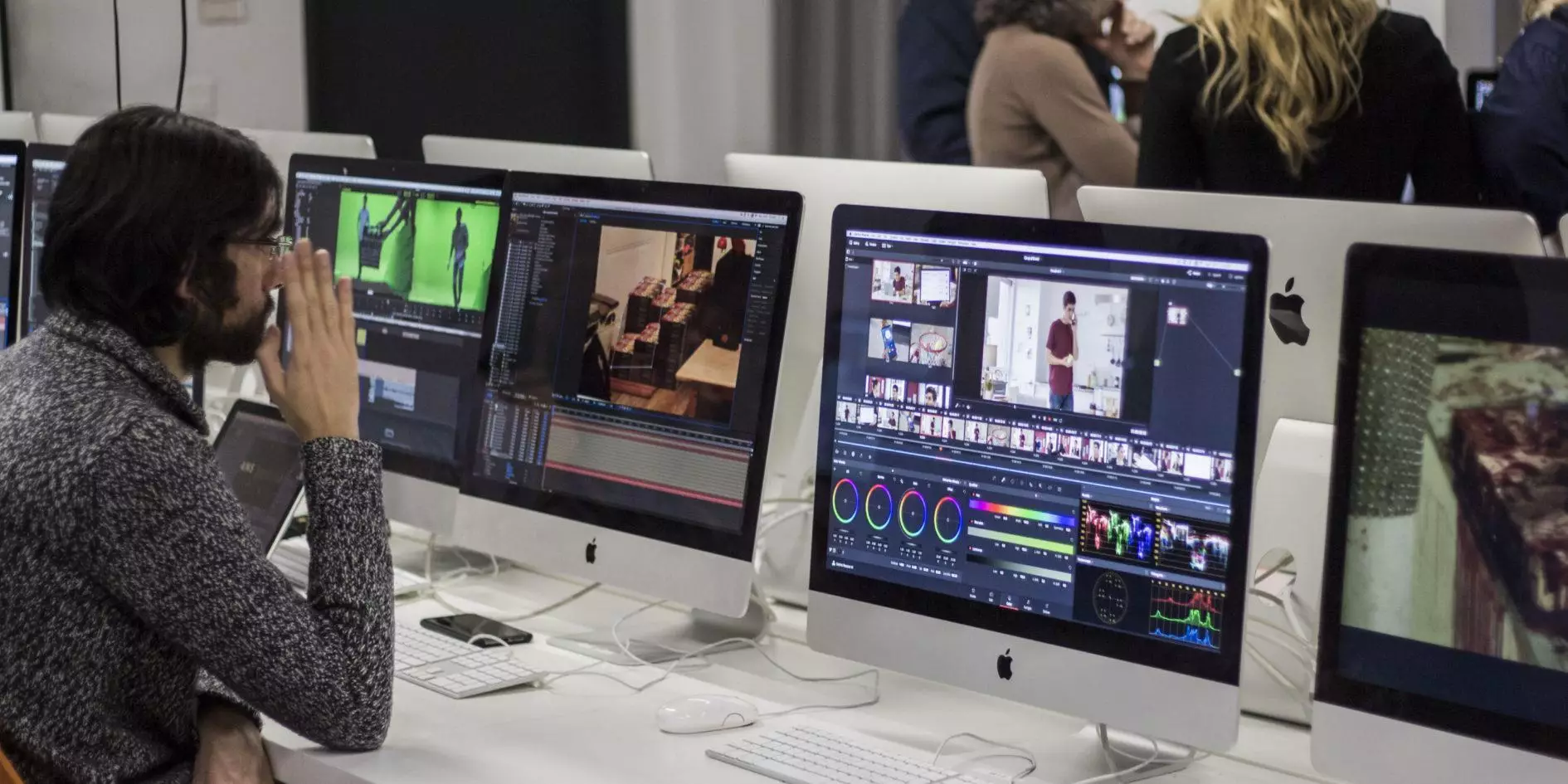
The post-production phase follows the shooting phase. It is the last stage before the film is released. The aim of the post-production team is to transform the raw elements recorded into a homogenous result in line with the director’s intention.
This involves viewing all the shots, selecting them, editing them, retouching the images, working on the special effects and mixing the images with the sound. It’s a painstaking job that requires more time than you might think: a 15-minute film sequence requires an average of 20 hours of editing.
Examples of jobs in post-production :
- picture editor ;
- sound editor
- SFX supervisor;
- post-production director.
Job opportunities